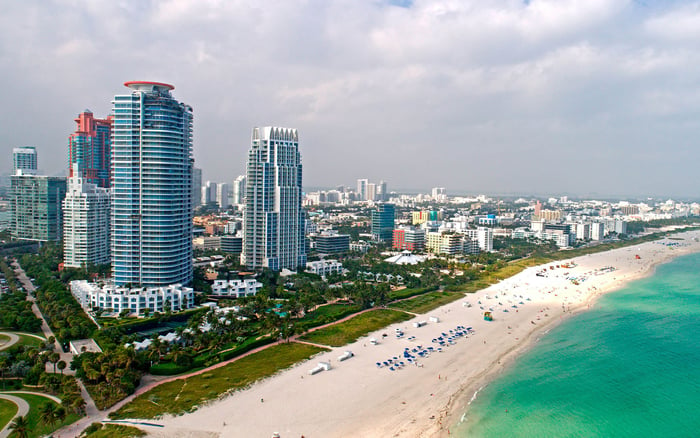
A practical guide for South Florida family buyers on reading elevation certificates as part of flood, insurance, renovation, and long-term ownership diligence.

For South Florida families, a beautiful home is only part of the decision. The more enduring question is whether the property can support ordinary life with composure: school mornings, summer storms, multigenerational visits, children’s bedrooms on lower levels, and the practical storage of cars, bikes, strollers, paddleboards, and keepsakes. An elevation certificate should sit at the center of that conversation.
Too often, the document is treated as a technical attachment, handed to an insurance advisor after the emotional work of choosing the home is already complete. Family buyers should reverse that sequence. Elevation information belongs early in diligence, before contract momentum narrows negotiating room and before design fantasies obscure operational realities.
In luxury markets, the certificate is not merely about whether a home is attractive or compliant. It helps frame exposure, future improvement planning, carrying-cost conversations, and the lived experience of a waterfront or low-lying address. The same discipline applies across Miami Beach, Fort Lauderdale, Palm Beach, Boca Raton, oceanfront estates, and single-family homes, where beauty and vulnerability can coexist on the same parcel.
A family buyer should never rely on a casual assurance that a home is “high enough” or has “never had an issue.” Ask for the actual elevation certificate, legible and complete, and make sure your advisory team reviews the full document rather than a cropped page or informal excerpt.
The document should match the property under contract. Names, location references, structure descriptions, and identifying details should be consistent with the home being purchased. If the residence has been expanded, substantially renovated, lifted, reconfigured, or improved over time, ask whether the certificate reflects the current condition. A certificate that predates meaningful physical changes may not answer the questions your family is truly asking.
For estate homes, compounds, guest houses, cabanas, garages, and accessory structures, precision matters. A main residence may present one risk profile while lower auxiliary spaces tell another story. Families often use these areas heavily, even when they are architecturally secondary.
The strongest buyers do not stop at the numbers. They ask what the elevations mean for daily life. Which areas are finished living space? Which are storage, garage, mechanical, or recreational zones? Where are bedrooms located? Where do children sleep during storms? Where are electrical systems, air handlers, elevators, laundry rooms, and critical controls positioned?
A home can feel elevated and still place valuable family functions in vulnerable locations. Conversely, a property with a sober technical profile may be highly livable if sensitive systems and essential rooms are positioned thoughtfully. The certificate should be read alongside the floor plan, site plan, and inspection findings so the family can understand the home as a working organism, not simply a collection of attractive rooms.
This is especially important for buyers relocating from markets where elevation, drainage, and storm preparation are not part of the everyday ownership vocabulary. In South Florida, elegance includes preparedness. A refined residence should make resilience feel quiet, integrated, and deliberate.
Insurance should not be treated as a post-closing administrative task. Elevation information can influence underwriting conversations, coverage availability, pricing expectations, and the level of documentation an advisor may request. Family buyers should place the certificate in front of their insurance professional early enough to receive meaningful guidance before contingencies expire.
The right question is not simply, “Can this home be insured?” A more sophisticated question is, “What does this elevation profile suggest about the durability of our insurance options over time?” Families planning long ownership horizons need a forward-looking view. Carrying costs matter not because luxury buyers cannot absorb them, but because unpredictable costs can disturb the calm of ownership.
If the property will be financed, coordinate the lender, insurance advisor, and closing team. If the property will be purchased in cash, do not skip the exercise. Cash buyers may have more flexibility, but they still inherit the practical consequences of elevation, storm exposure, and future market perception.
Many family buyers acquire South Florida homes with improvement plans already in mind: enlarging a kitchen, adding a bedroom suite, replacing exterior openings, reworking a pool area, or elevating the architectural character of the property. The elevation certificate should be reviewed before those plans harden.
Ask your architect, land-use counsel, contractor, and insurance advisor how the existing elevation profile may intersect with future work. Some projects may be straightforward. Others may raise deeper questions about scope, cost, sequencing, and whether the finished home will align with the family’s goals. The point is not to discourage improvement. It is to prevent a buyer from paying a premium for a property only to discover that the next chapter is more constrained than expected.
For families, the best renovation plan is not only beautiful. It is legible, insurable, maintainable, and suited to the rhythms of daily life. Elevation diligence helps ensure design ambition and practical resilience are not pulling in opposite directions.
The certificate tells an important story, but it is not the entire story. Families should also study how water moves across the property; how driveways, courtyards, garages, seawalls, yards, terraces, and pool decks relate to the home; and whether access remains practical during heavy weather.
A child’s play lawn, a lower motor court, or a garage filled with seasonal belongings may matter as much to family life as a formal living room. Ask whether the routes into and through the property are intuitive and resilient. Consider where vehicles would be parked, how deliveries would be received, and whether older relatives or young children could move safely through the home during a difficult weather event.
Luxury living in South Florida is often indoor-outdoor living. That is precisely why elevation analysis should include the thresholds between inside and outside. The most successful properties make those transitions elegant without ignoring exposure.
An elevation certificate can inform price, credits, insurance contingencies, closing timelines, and the scope of additional expert review. It should not be used theatrically, but it should be used. If the document raises questions, ask for time and access to qualified professionals. If the seller cannot provide a current or relevant certificate, consider whether obtaining one should become part of the diligence plan.
Family buyers should also think about resale. A future purchaser will likely ask many of the same questions. A clean file, with elevation documentation, insurance feedback, renovation records, and clear explanations, can become a quiet advantage when the home eventually returns to market.
In the most discerning transactions, confidence is created by documentation, not reassurance. Elevation diligence gives families the language to separate a truly resilient property from one that is merely photogenic.
Before removing protections, a family buyer should be able to answer several questions with confidence. Is the certificate complete and tied to the current property condition? Have the elevations been interpreted by the right professionals? Do the numbers align with how the family will actually use the home? Has insurance been discussed before closing? Do future renovation plans make sense in light of the elevation profile?
The standard is not perfection. Waterfront and coastal living involve tradeoffs, and many of South Florida’s most coveted homes require thoughtful ownership. The standard is clarity. A family should know what it is buying, what it may need to improve, and how the property will perform when daily elegance meets environmental reality.
What is the first thing a family buyer should request? Request the full elevation certificate, not a verbal summary or partial page, and review it with the rest of the property file.
Should buyers review the certificate before making an offer? Ideally, yes. Early review helps shape pricing, contingencies, insurance questions, and the need for further expert diligence.
Can an older elevation certificate still be useful? It may be useful, but buyers should ask whether it reflects the current structure, especially after renovations, additions, or major site work.
Who should interpret the document for a buyer? A qualified surveyor, insurance advisor, architect, contractor, or land-use professional may each identify different implications for ownership.
Does a strong elevation profile eliminate flood concerns? No. It may improve confidence, but families should still review drainage, access, mechanical systems, insurance, and site conditions.
Why does this matter for families more than occasional users? Families rely on the home daily, so bedrooms, storage, school routines, vehicles, pets, and caregiving needs all raise the stakes.
Should cash buyers care if no lender is involved? Yes. Financing flexibility does not remove exposure, insurance considerations, renovation constraints, or future resale questions.
Can elevation information affect renovation plans? It can. Buyers should review the certificate before assuming expansions, reconfigurations, or lower-level improvements will be simple.
Is the certificate enough to judge a waterfront property? No. It should be paired with inspections, site observations, insurance feedback, and professional advice on the home’s full risk profile.
What is the best mindset for reviewing elevation certificates? Treat the certificate as a decision tool, not a formality, and use it to protect comfort, capital, and long-term optionality.
For a discreet conversation and a curated building-by-building shortlist, connect with MILLION.
If branded residences are on your mind — as a home or as an allocation — we would be glad to share what we are seeing, privately.
Begin a quiet conversation