A discreet, buyer-oriented comparison of Surfside and Sunny Isles Beach for luxury condo and oceanfront living, with market cadence, zoning realities, and lifestyle trade-offs.
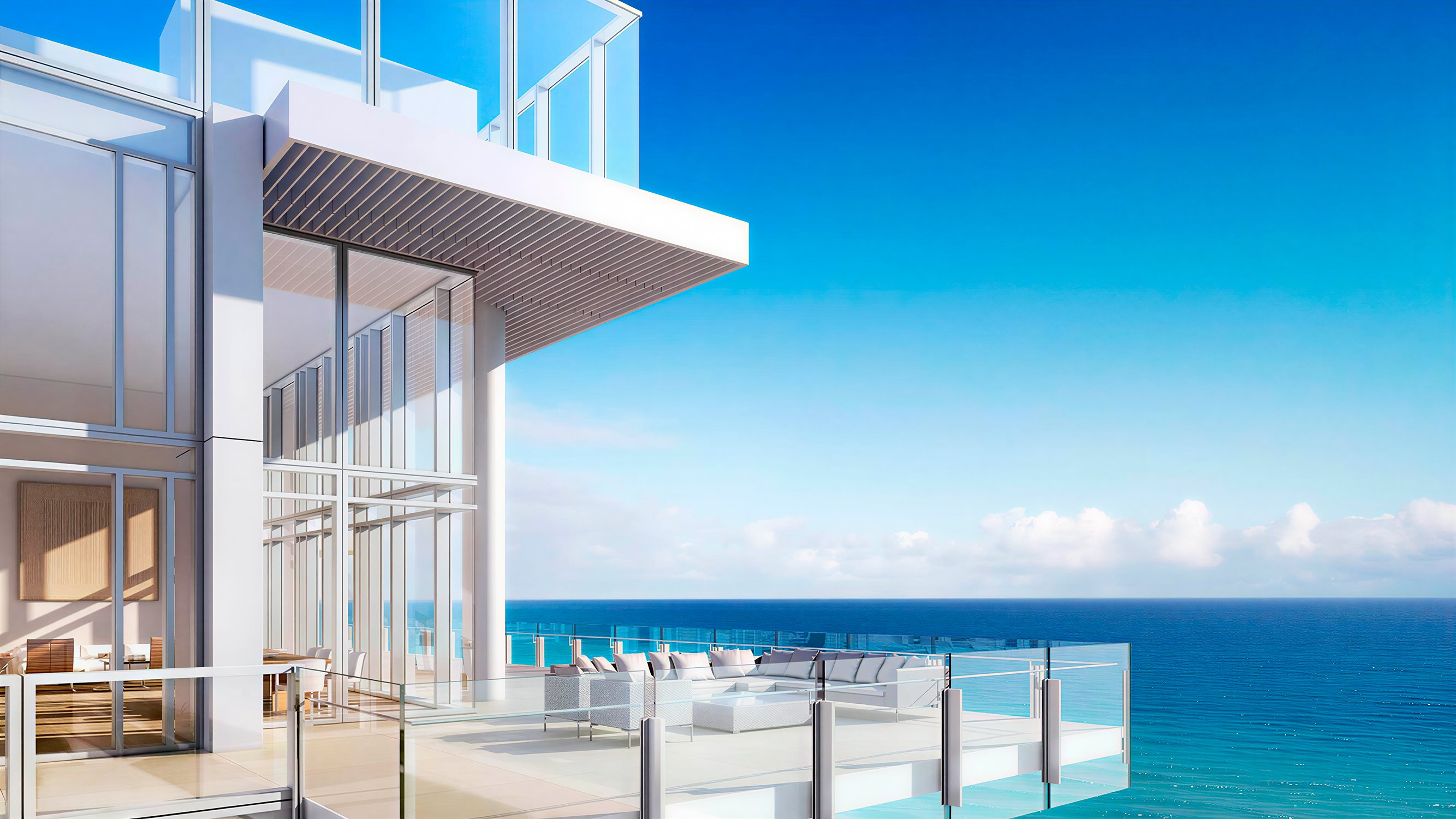
Surfside and Sunny Isles Beach can both deliver oceanfront living at a high level, but they reward different priorities. Surfside presents as a compact, resident-forward village with a deliberately restrained skyline, while Sunny Isles leans into a high-rise, amenity-rich resort model with greater scale and a deeper bench of condo inventory.
For buyers, the practical question is not which is “better.” It’s which place matches your daily rhythm: quiet walkability and architectural selectivity, or panoramic altitude with a more international, tower-driven lifestyle.
Surfside is a small municipality of about 5,566 residents, and it lives like one. Blocks are short, the pace is measured, and the experience is less about being seen and more about being comfortable. The town’s food-and-beverage scene is a meaningful part of the lifestyle, supporting a resident-focused pattern where casual dinners, morning coffee, and beach walks happen without choreography.
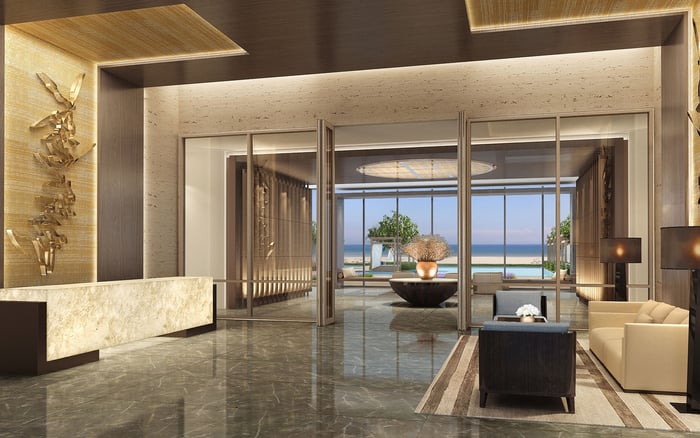
Sunny Isles Beach, by contrast, expresses itself through height and density. The city’s planning framework is formalized through its Comprehensive Plan and codified development regulations, and the lived result is a place where luxury is often experienced as a vertical sequence: porte cochere to lobby to elevator to view. If you want a lock-and-leave home with layered services and a larger set of comparable options, Sunny Isles reliably supplies it.
Surfside’s oceanfront Collins Avenue zoning includes a district with a maximum building height of 120 feet measured from the mean high water mark. In luxury terms, that rule is more than a technical detail. It shapes view corridors and shadow lines, and it contributes to the rarity of true upper-floor inventory.
Sunny Isles Beach does not project the same low-rise restraint. The city’s ongoing evolution has included proposals that extend the skyline narrative, including a publicly disclosed plan for a 62-story condominium tower designed to reach roughly 820 feet at 19051 Collins Avenue, with FAA approval granted in mid-2025. Whether or not any single proposal becomes a defining landmark, the broader direction is clear: Sunny Isles continues to compete on altitude.
This distinction matters for buyers weighing “protected” scale versus “compounding” scale. Surfside’s regulatory posture tends to preserve a boutique silhouette. Sunny Isles tends to refresh its skyline as capital and policy allow.
In Surfside, recent market signals show a median sale price around $1.1M in Dec 2025, down 11.9% year-over-year. The tone has also cooled: homes have been taking roughly 104 days to sell and typically closing around 6% below list price, pointing to a market that is not very competitive.
Across the luxury condo segment, Surfside and Bal Harbour have been operating with elevated supply, around 17 months of inventory and roughly 94 average days on market in Q3 2025. That cadence changes buyer behavior. Due diligence becomes more deliberate, sellers become more responsive to clean offers, and the value of specificity increases: view, line, exposure, and building health can matter more than headline price.
Sunny Isles has also been living with a slower luxury condo environment, with approximately 24 months of inventory noted for Q3 2025, and average luxury condo pricing around $977 per square foot in that same period. For buyers, this typically translates into more choice and more room to negotiate, especially when a unit is competing against near substitutes in the same building or along the same stretch of sand.
Surfside’s development story right now is less about quantity and more about authorship and execution. A major milestone has been reached at The Delmore, a luxury development by Zaha Hadid Architects, with deep and trench soil mixing completed, setting the stage for vertical construction. In a market where the skyline is intentionally constrained, new projects tend to arrive as design events.
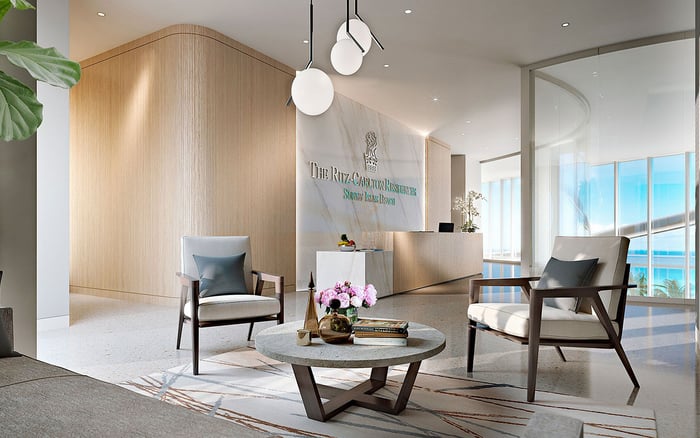
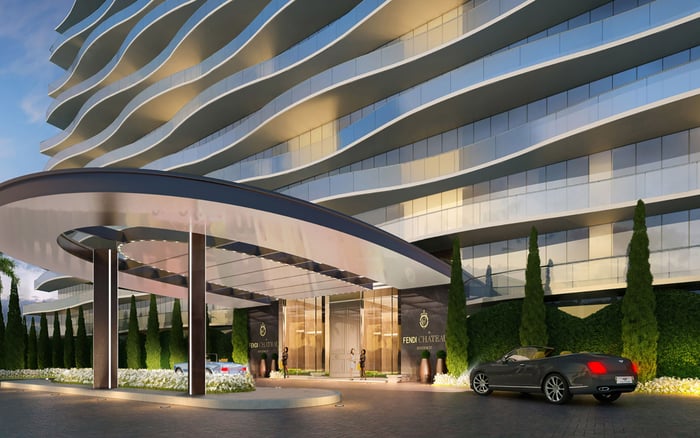
That selectivity is part of why existing icons continue to matter. The Surf Club Four Seasons Surfside remains a shorthand for ultra-premium service culture in Surfside, while Fendi Château Residences Surfside reflects the continued appeal of branded, limited-count beachfront living. For buyers who see “few neighbors” as an amenity, Surfside’s pipeline supports the thesis.
Sunny Isles Beach’s narrative is more expansive. Branded residences and high-rise statements are part of the city’s identity, and the product is often engineered for maximum views, maximum amenities, and maximum turnkey ease. Armani Casa Sunny Isles Beach is a clear example of the neighborhood’s appetite for fashion-adjacent branding and hospitality-grade finishes.
This is also where skyline ambition becomes a form of marketing. The possibility of a future tallest contender signals that Sunny Isles intends to keep attracting global attention and capital. If Surfside is a gallery, Sunny Isles is a flagship.
Buyers who prioritize scarcity, neighborhood texture, and a more intimate building roster often find Surfside compelling. The smaller municipal footprint naturally limits how many comparable buildings exist within a tight radius. That scarcity can support long-term desirability, but it also demands patience: the exact floor plan, exposure, and condition you want may simply not be available at the moment you’re ready.
Sunny Isles typically offers the opposite experience. With more towers and more stacked lines, you can compare lifestyle packages more precisely, and you’re more likely to find a unit that fits a specific brief: high floor, true oceanfront, or a certain service profile. Buildings such as Turnberry Ocean Club Sunny Isles illustrate the area’s bias toward full-service living and strong amenity programs.
In a slower market, selection also strengthens leverage. If there are three similar units across a handful of buildings, buyers can negotiate from a position of alternatives rather than urgency.
Surfside’s resident-forward character shows up in the mundane-which is precisely the point. The ability to step out for a meal, meet friends close to home, and keep evenings simple is a luxury of its own. If you want a second home that feels like a real neighborhood and not an arrivals hall, Surfside often reads as the more discreet choice.
Sunny Isles is more explicitly resort-coded. The daily experience can be as social or as private as you choose, but the architecture encourages a particular rhythm: lobby life, pool-deck afternoons, elevator anonymity, and a strong sense of vertical separation between public and private.
Safety perceptions also enter many luxury purchase decisions. Both Surfside and Sunny Isles Beach appear in broader “safest suburbs” style rankings for the Miami area, and Sunny Isles Beach has been characterized by relatively low crime rates on a per-resident basis. For buyers, the better approach is practical: ask how security is staffed, what building protocols are, and how the street experience feels at the hours you actually live.
If your goal is to choose quickly and well, map yourself to a profile and let it do the work.
The discreet end-user: You want fewer variables, fewer neighbors, and a softer skyline. Surfside tends to fit.
The amenity maximalist: You want a full-service tower with multiple lifestyle layers and the ease of elevator living. Sunny Isles is built for this.
The design loyalist: You buy architecture and authorship as much as you buy square footage. Surfside’s curated development story is compelling, especially with landmark-level projects moving forward.
The negotiator: You prefer markets where time is an ally. Both are currently slower, but Sunny Isles’ broader selection can create more negotiating angles.
The long-hold buyer: You care about regulatory posture and neighborhood identity. Surfside’s height limits can support the case for enduring scarcity, while Sunny Isles’ evolution can support the case for continual renewal.
Start with mornings in Surfside. Walk the neighborhood, test the routine, and see how it feels when nothing is “on.” Then tour buildings where service culture is part of the value, and note how the arrival sequence, privacy, and beach access actually function.
Shift to Sunny Isles in the afternoon to catch the light on the water and understand the view premium across elevations. Tour two or three towers with distinct amenity philosophies. When you can compare like-for-like, the choice becomes less emotional and more legible.
Finally, revisit each area at night. Luxury purchases are often decided by a quiet, personal question: where will you feel most at ease when the guests are gone.
Is Surfside more “boutique” than Sunny Isles Beach? Yes. Surfside is smaller and generally reads as a village, while Sunny Isles is defined by high-rise living.
Does Surfside have strict oceanfront height limits? Yes. Surfside’s oceanfront zoning includes a district capped at 120 feet measured from mean high water.
Is the Surfside market currently competitive for buyers? Conditions have been relatively calm, with longer marketing times and more price negotiation than peak years.
How long are luxury condos taking to sell in these areas? Recent luxury condo metrics show roughly three months on market in Surfside and Bal Harbour, with elevated inventory.
Is Sunny Isles Beach seeing softer pricing? Home values have been down year-over-year recently, and luxury condo inventory has been elevated.
Are there major new projects underway in Surfside? Yes. The Delmore has reached major construction milestones that clear the way for vertical work.
Is Sunny Isles Beach still pursuing taller, landmark towers? Yes. A publicly disclosed proposal at 19051 Collins has been positioned as an ~820-foot, 62-story tower.
Which area is better for a second home? It depends on your rhythm: Surfside suits quiet routine, while Sunny Isles suits amenity-driven lock-and-leave.
Do both areas offer oceanfront living? Yes. Both are beachfront markets, but the experience differs: low-rise intimacy versus high-rise panorama.
What is the simplest way to decide between the two? Tour each at the hours you actually live, then choose the area whose daily routine feels effortless.
If you'd like a private walkthrough and a curated shortlist, connect with MILLION Luxury.
If branded residences are on your mind — as a home or as an allocation — we would be glad to share what we are seeing, privately.
Begin a quiet conversation