In South Florida’s luxury condo market, “turnkey” and “furnished” are often used interchangeably, but they solve different problems. Turnkey describes readiness: the residence is move-in-ready without repairs or renovations. Furnished describes contents: the home comes with furniture and household items, whether or not the underlying condition is truly ready. For second-home buyers, executives relocating on compressed timelines, and owners weighing rental strategies, the distinction matters because it affects inspections, negotiations, operating complexity, and who your future buyer or tenant will be.
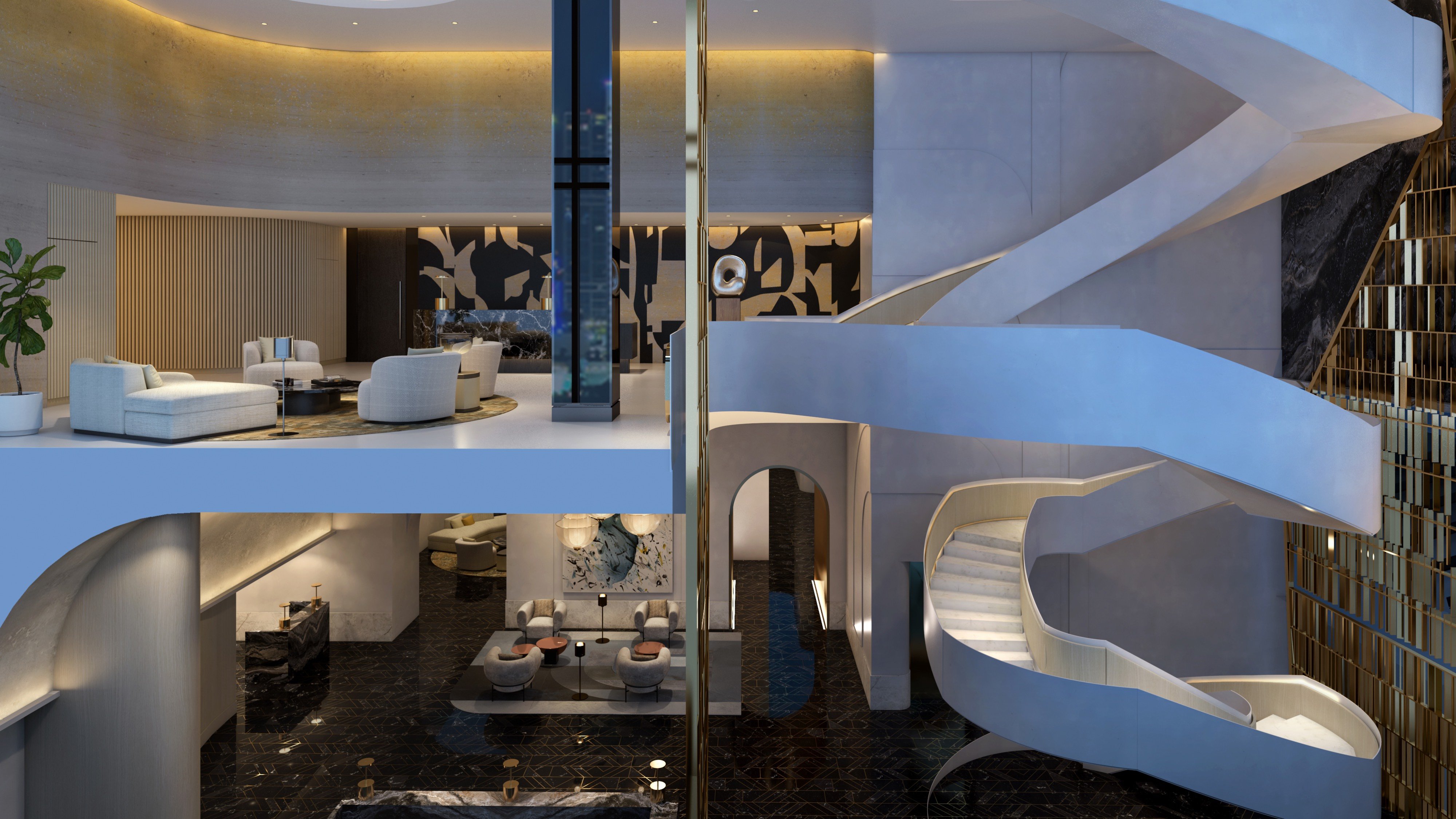
In South Florida, “turnkey” and “furnished” appear in listing remarks so often that many buyers treat them as interchangeable. They are not. Turnkey speaks to condition: the residence is move-in-ready and should require no repairs or renovations before occupancy. Furnished speaks to contents: what stays behind, sofas, beds, rugs, lighting, kitchenware, and the small essentials that bridge the gap between arriving and living. This is not a semantic distinction. It changes what you verify, what you negotiate, and what risks you inherit. A condo can be furnished and still not be turnkey if deferred maintenance, aging systems, or finish wear need attention. And a condo can be pristine and turnkey while completely unfurnished, ideal for a buyer who wants to bring a personal collection and start with a clean canvas. A practical way to frame it: turnkey solves time. Furnished solves friction.
The premium audience increasingly values speed, privacy, and certainty. Turnkey listings are positioned around convenience and the ability to bypass renovation timelines and coordination. For many buyers, that is not just lifestyle, it is a strategic choice. Renovation and interior design schedules vary widely, and timelines are shaped by scope, decision velocity, and procurement lead times. In practice, the more bespoke the plan, the more the calendar becomes part of the cost. Misjudged construction timing can derail budgets and disrupt plans for seasonal use, school schedules, or corporate relocations. Strong project management and early planning help, but they do not eliminate the structural reality: custom work introduces variables. In neighborhoods where the lock-and-leave profile is dominant, turnkey often reads as the most rational expression of luxury. If you are commuting between homes, traveling frequently, or simply uninterested in managing vendors, the value proposition is straightforward. In Brickell, for example, some buyers gravitate to new-construction living precisely because finishes and amenities are calibrated for ease. Even when you plan to furnish to taste, a turnkey baseline can be especially compelling in buildings such as 2200 Brickell, where the lifestyle narrative centers on low-friction ownership.
A furnished condo can be the fastest path to day-one living. That is especially compelling for second-home owners who want to arrive with a carry-on and be fully operational immediately. But furnished sales come with a few built-in tensions: First, furnishings are subjective. The same elements that make a residence photogenic can narrow the buyer pool when the style is highly specific. A buyer may love the building and the view, yet mentally discount the home because they plan to replace what is there. Second, inclusions create negotiation gravity. When furniture, art, lighting, and accessories are part of the deal, you need clarity on exactly what conveys, and in what condition. The cleanest solution is also the least glamorous: a detailed written inventory and a precise agreement on substitutions and removals. Third, “furnished” does not automatically mean “equipped.” Some residences include only major pieces; others include linens, kitchenware, and household items. Your definition should be explicit, because your arrival experience depends on it. In Miami Beach, where buyers often use residences seasonally, the furnished proposition can be particularly attractive when paired with service-oriented living. That said, the right fit depends on whether the design aligns with your sensibility and whether the underlying unit condition meets turnkey expectations. Buildings that reflect a Miami Beach, low-maintenance ethos include Five Park Miami Beach and The Perigon Miami Beach, both of which tend to resonate with buyers who prioritize a ready, elevated home base.
Luxury condos are often sold with strong visuals, and buyers sometimes experience a residence first through a model-unit lens. Model units are built to market a lifestyle and finishes. The risk is assuming the look automatically translates to the exact unit you are buying, with its own layout, light, and daily living patterns. Whether a property is marketed as turnkey or furnished, a pre-purchase inspection remains a core safeguard. It helps you assess condition and identify defects that could affect readiness. It is also how you stress-test the promise of “no work required,” particularly when a unit has been lived in, rented, or lightly refreshed for sale. For furnished purchases, due diligence expands:
Confirm operational items: appliances, HVAC behavior, water shutoff access, and any smart-home components.
Walk the unit like an operator: open drawers, test lighting scenes, and check wear on high-touch surfaces.
Treat furnishings as assets with condition: look for fabric wear, wobble in casegoods, and stains that photos do not show.
If you intend to renovate later, align your plan with scope clarity from the start. Define what is included, who decides what, and when decisions must be locked. That level of discipline is often what separates a minor refresh from a timeline spiral.
For owners who may rent their residence, the furnished decision is also a business decision. In many markets, furnished rentals command a premium over comparable unfurnished units, with one common range cited around 20% to 30%. The upside is intuitive: tenants pay for convenience. However, furnished rentals introduce higher operational complexity because the owner is providing and maintaining furniture and household items. More owner-owned items also means more exposure to wear-and-tear risk. If you are rarely in town, the practical question is not only revenue but oversight: who checks, repairs, replaces, and keeps the home consistent between tenancies? Unfurnished rentals tend to attract longer-term tenants who bring their own belongings, which can reduce turnover compared with furnished and shorter-term setups. That stability can matter if your priority is preserving finishes and simplifying management. This is where area patterns matter. In Aventura, for instance, some owners favor a longer-term orientation and prefer the durability of unfurnished leasing. If you want a newer-residency feel with a simpler ownership cadence, a project such as Avenia Aventura can be part of the conversation when you are aligning building profile with intended use.
Furnished deals should feel orderly, not interpretive. The goal is to eliminate ambiguity. Practical steps that protect both sides:
Require a written inclusions list that matches what you toured.
Specify condition expectations for key pieces if they are value drivers.
Clarify exclusions: personal items, certain artworks, or electronics.
Decide what happens if a piece is removed or replaced before closing.
In luxury, the friction is rarely about whether a sofa stays. It is about whether the residence delivers as a coherent environment. If you are buying for immediate use, insist on continuity.
Many South Florida buyers are second-home owners who blend personal enjoyment with rental income. The tax treatment of a second home versus a rental can differ, and rules around vacation homes can affect which expenses are deductible when a property is partly personal-use and partly rented. The tactical takeaway is simple: decide early how you intend to use the residence, then keep records and structure decisions accordingly. A furnished strategy that targets frequent short stays may look attractive on paper, but it should be weighed alongside operational complexity and the constraints that come with mixed personal and rental use. If your primary goal is uncomplicated enjoyment, lean into the lock-and-leave advantages that brought you to condo living in the first place.
Turnkey and furnished are not competing ideologies. They are tools. Choose turnkey-first when:
Your move-in date is fixed and non-negotiable.
You do not want to manage design, procurement, and contractors.
You value predictability over personalization in year one.
Choose furnished-included when:
You want immediate usability with minimal setup.
You are comfortable inheriting a specific aesthetic.
Your plan includes renting and you want to offer convenience.
Choose unfurnished-turnkey when:
You want pristine condition but prefer your own furniture.
You have pieces to bring, or a designer already selected.
You are optimizing resale breadth by keeping taste neutral.
In Brickell, Miami Beach, and Aventura, these choices often map cleanly to lifestyle, business-centric convenience, coastal second-home flexibility, or a more residential cadence. The smartest buyers treat listing language as a starting point, then confirm reality through inspection, documentation, and a clear plan for use.
What does “turnkey” mean in a luxury condo listing? It typically means the home is move-in-ready and should not require repairs or renovations before occupancy.
Does “furnished” automatically mean “turnkey”? No. Furnishings can be included even if the unit still needs maintenance, repairs, or updates.
Why do turnkey condos often sell on convenience? They reduce the need to manage renovation timelines, vendors, and procurement, enabling faster occupancy.
Can furnished rentals command higher rent than unfurnished? In many markets, furnished rentals may achieve a premium, sometimes cited in the 20% to 30% range.
Are furnished rentals harder to manage? Yes. Providing and maintaining furniture and household items adds operational complexity for the owner.
Is wear-and-tear a bigger risk in furnished rentals? Often, yes, because more owner-owned items are exposed to tenant use across more touchpoints.
Do unfurnished rentals usually attract longer-term tenants? They often do, since tenants bringing their own furnishings tend to stay longer and move less frequently.
Should I get an inspection even if a condo is marketed as turnkey? Yes. An inspection helps confirm condition and identify defects that could affect true readiness.
What is the biggest negotiation issue in furnished condo sales? Clearly documenting what conveys, what is excluded, and the condition of key items reduces disputes.
How should second-home owners think about taxes if they rent sometimes? Tax rules can differ for second homes versus rentals, and mixed personal and rental use can affect deductions.
For tailored guidance, speak with MILLION Luxury.
If branded residences are on your mind — as a home or as an allocation — we would be glad to share what we are seeing, privately.
Begin a quiet conversation