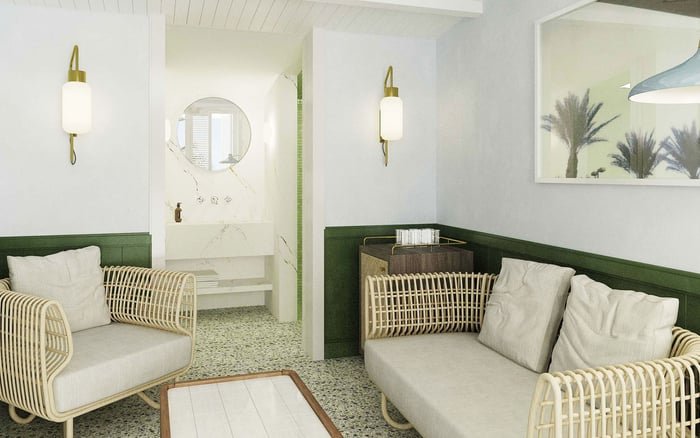
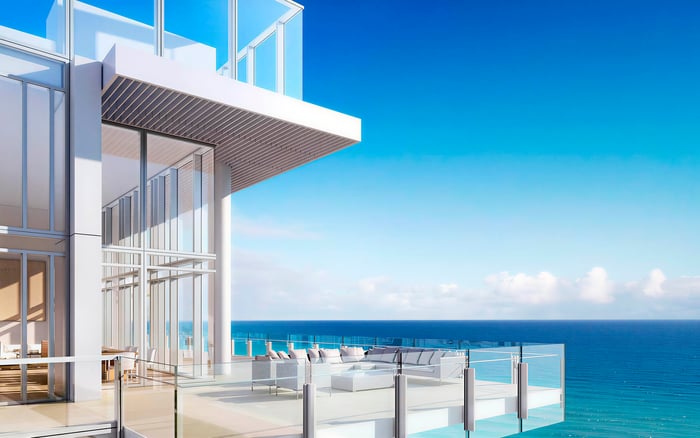
Two properties have come to define the modern, ultra-discreet Miami stay: Four Seasons Hotel at The Surf Club in Surfside, and The Setai Miami Beach in South Beach. Both have earned Two MICHELIN Keys, a rare shorthand for hotels that deliver an exceptional stay, and each expresses luxury through a different lens: Surfside’s restored club-era elegance versus The Setai’s Art Deco and Asian-influenced glamour. For buyers and second-home owners, these hotels are more than places to check in. They set expectations for service, wellness, dining, and the quiet choreography of daily life near the sand. Here, MILLION Luxury ranks five iconic picks using verified, publicly disclosed distinctions and on-property hallmarks, then translates what they signal for residential decision-making across Miami Beach, Surfside, Bal-harbour, and beyond.
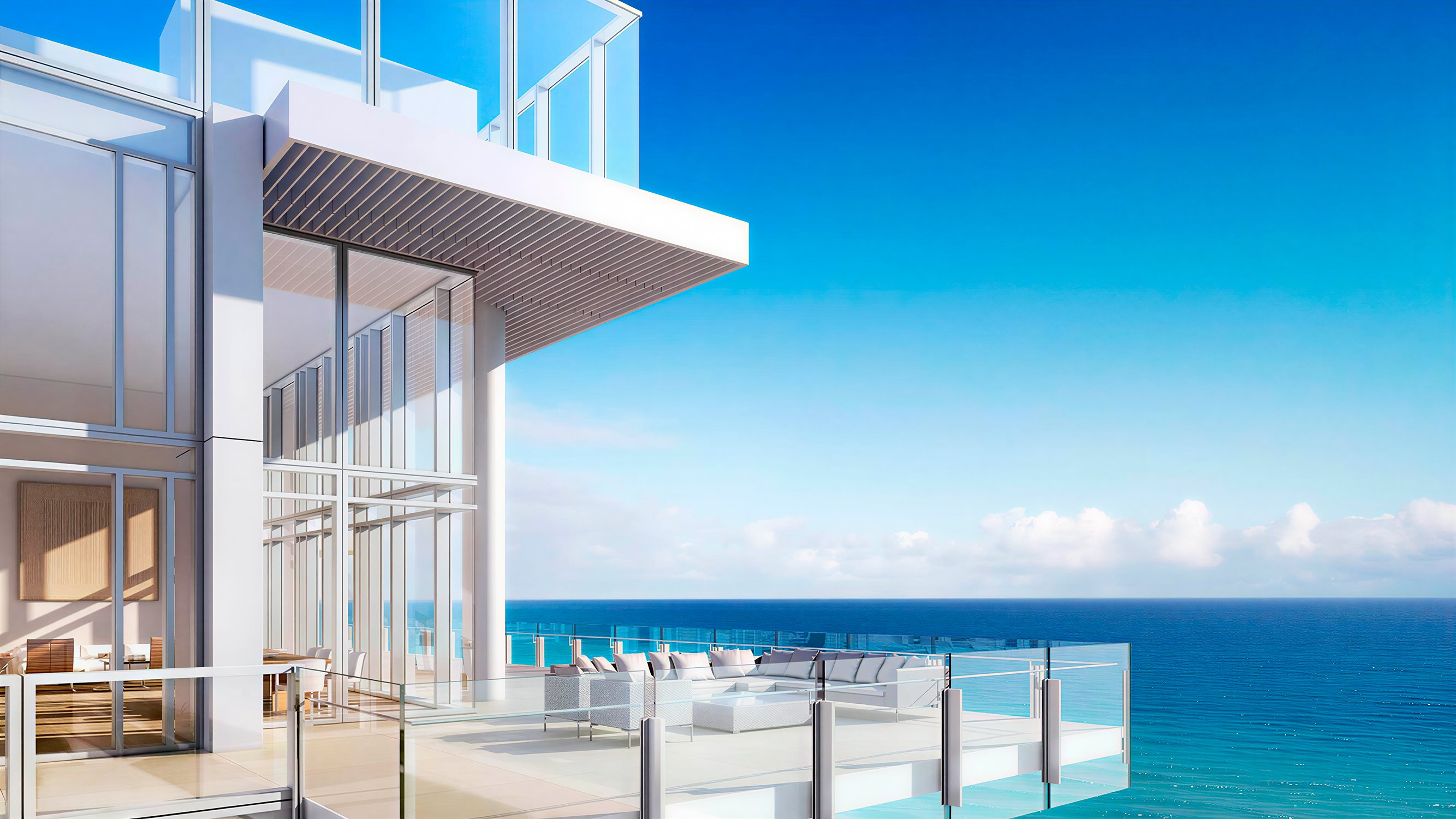
In South Florida, the most compelling hospitality addresses operate as living showrooms for lifestyle priorities. They demonstrate how a morning should unfold, how an arrival should feel, and how discretion holds when the season peaks. For the private-club-caliber buyer, hotels also serve a practical purpose: they set a service baseline you can benchmark when evaluating a condo, a condo-hotel, or a second home. Two names consistently anchor that conversation: Four Seasons Hotel at The Surf Club in Surfside and The Setai Miami Beach in South Beach. Both have earned Two MICHELIN Keys, signaling an exceptional stay, and both deliver an oceanfront luxury experience that translates cleanly into residential expectations. If you are considering a pied-à-terre near Surfside, for example, residences such as Fendi Château Residences Surfside are often measured against the standard of hospitality-grade service and finish. What follows is a ranked look at five iconic hotel experiences in the Miami and Surfside orbit, with an emphasis on what is verifiably true about the most influential leaders, and why that influence matters for real estate.
1. Four Seasons Hotel at The Surf Club, Surfside, club legacy with modern restraint
The Surf Club began as a private club that opened on New Year’s Eve in 1930, conceived by Harvey Firestone, and the property’s current incarnation maintains that sense of selective access. The restored, integrated setting includes the historic “Peacock Alley” promenade, a signature connector that reads as a curated social corridor rather than a conventional hotel spine. From an ownership perspective, the most revealing operational detail is scale: 77 guest rooms. That smaller key count typically supports quieter public spaces, a more controlled pool scene, and a greater likelihood that staff recognize patterns quickly. Add the spa’s hammam, steam, and sauna, along with Biologique Recherche and Pharmos Natur products, and the experience is less about spectacle and more about ritual.
2. The Setai Miami Beach, South Beach, Art Deco provenance, global sensibility
The Setai holds a rare position in South Beach: a historic Art Deco building that originally opened as the Dempsey-Vanderbilt Hotel in 1937, paired with a modern tower and an Asian-influenced design approach. Accommodations are intentionally divided into two collections, with “Art Deco Suites” in the historic building and “Ocean Suites” in the tower. For buyers, that duality is the point. It mirrors what many seek in Miami Beach: heritage atmosphere without giving up the efficiencies of contemporary high-rise living. The Setai’s Ocean Suites are offered in 1 to 4 bedroom configurations, and the spa identity, “Valmont for The Spa at The Setai Miami Beach”, signals an international wellness standard that many luxury residences aim to match.
3. The Surf Club Restaurant, Surfside, Michelin-star dining as an address amenity
Icon status in 2026 is increasingly defined by what you can do without leaving the property. At the Four Seasons Surf Club, dining is a cornerstone, anchored by The Surf Club Restaurant by Thomas Keller, plus Lido Restaurant and bars including The Champagne Bar and Winston’s on the Beach. The Surf Club Restaurant holds one Michelin Star. For a buyer, that matters less as an occasional dinner option and more as a signal of operational discipline: ingredient sourcing, service cadence, and the ability to sustain a global standard season after season. In residential terms, it’s the same logic behind paying a premium for buildings where staffing and programming feel inevitable rather than aspirational.
4. Four Seasons Surf Club pool and spa culture, Surfside, three pools and a true hammam
Some hotels build identity through architecture; others through the daily rhythm of amenities. The Four Seasons Surf Club has three pools: a family pool, an adults-only quiet pool, and a cabana pool. That segmentation is a quiet luxury because it allows distinct social tempos to coexist without friction. When you shop for Surfside and Bal-harbour adjacency, this is the level of amenity planning that separates a truly livable oceanfront building from a merely photogenic one. Residents in boutique towers nearby often want the same clarity: spaces designed to feel calm at 10 a.m. and still composed at 4 p.m.
5. The Setai’s signature pool experience, South Beach, three temperature-controlled pools
At The Setai, the pool deck is part of the brand’s visual language. The property is known for three temperature-controlled pools, an amenity detail that reads as both indulgent and practical in Miami’s shifting seasonal conditions. For buyers comparing South Beach options, pool programming becomes a proxy for management sophistication: towel service, seating choreography, and the quiet enforcement of understated standards. In that context, residences like Apogee South Beach are often discussed through the same lens: how well does the building preserve a serene experience when demand is at its peak?
A Two MICHELIN Keys distinction functions as shorthand for consistency. It’s less about a single perfect weekend and more about whether a property can deliver the same level of calm on a humid holiday Monday as it can on a quiet Tuesday in early fall. Both Four Seasons Hotel at The Surf Club and The Setai Miami Beach have earned Two MICHELIN Keys. That shared recognition gives buyers a useful framework: if you value the predictability of that caliber of stay, you are likely to value residences that mirror the same traits, staffed arrival experiences, amenity spaces that feel curated, and a management culture built around repeatable standards. In Surfside, that conversation naturally extends to newer, design-forward choices like Arte Surfside, where many second-home owners prioritize privacy and a lower-density feel that matches the neighborhood’s tone. In South Beach, the discussion often centers on how a building protects resident experience while remaining close to the energy that makes the area magnetic.
Surfside luxury tends to be composed, with a strong preference for quiet streets, controlled beachfront energy, and buildings that feel residential first. The Surf Club’s origin story as a private club still registers in today’s experience, particularly along Peacock Alley, which functions as a ceremonial spine rather than a thoroughfare. South Beach, especially the Setai-adjacent pocket, offers a different advantage: you can step into the city’s most recognizable cultural and dining ecosystem and still return to a sanctuary-like interior. The Setai’s combination of an Art Deco base and a tower with Ocean Suites supports both impulses, which is why it resonates with buyers who want Miami Beach access without surrendering tranquility.
Four Seasons Hotel at The Surf Club appears on The World’s 50 Best Hotels list. Lists don’t replace due diligence, but they do shape global perception, and perception influences how quickly an address becomes part of the international short list. For real estate, this matters because hotel reputations spill into neighborhood reputations. When the seasonal crowd treats Surfside as a destination in its own right, demand for nearby ownership often follows, especially for oceanfront and close-to-the-sand product. Even if you never book a room, you can benefit from the gravitational pull of the experience.
If these hotels reflect your ideal day-to-day, use them as a checklist when evaluating a residence:
Scale and density: A smaller hotel key count often correlates with less friction. Apply the same thinking to residential unit counts.
Amenity segmentation: The Surf Club’s three-pool approach shows how thoughtful zoning protects calm. Look for comparable intent in your building.
Wellness credibility: A true hammam, steam, and sauna program signals operational seriousness. In residences, that can translate to better-managed spas and quieter fitness floors.
Dining as a lifestyle asset: A Michelin-star restaurant on property signals more than taste. It implies training, standards, and the ability to sustain excellence. Ultimately, the ideal choice is the one whose rhythm matches yours, whether that’s Surfside’s restraint, South Beach’s cosmopolitan immediacy, or a hybrid of both.
What makes Four Seasons Hotel at The Surf Club historically significant? It originated as a private club that opened on New Year’s Eve 1930, and the modern property preserves that club-era sensibility.
How large is the Four Seasons Surf Club as a hotel? It has 77 guest rooms, which supports a more intimate, controlled atmosphere.
What is Peacock Alley at The Surf Club? It is a signature promenade integrated into the restoration, connecting key parts of the property.
Does the Four Seasons Surf Club have a full-service spa? Yes, it includes a hammam, steam, and sauna, and uses Biologique Recherche and Pharmos Natur products.
How many pools does the Four Seasons Surf Club have? The property has three pools: family, adults-only quiet, and a cabana pool.
Is there a Michelin-recognized restaurant at The Surf Club? The Surf Club Restaurant holds one Michelin Star.
Where in Miami Beach is The Setai located? It is in South Beach, a prime beachfront corridor within Miami Beach.
What is distinctive about The Setai’s accommodations? It offers Art Deco Suites in the historic building and Ocean Suites in the tower.
What wellness brand is associated with The Setai’s spa? The spa is branded Valmont for The Spa at The Setai Miami Beach.
How many pools does The Setai have? It is known for three temperature-controlled pools.
For tailored guidance, speak with MILLION Luxury.
If branded residences are on your mind — as a home or as an allocation — we would be glad to share what we are seeing, privately.
Begin a quiet conversation