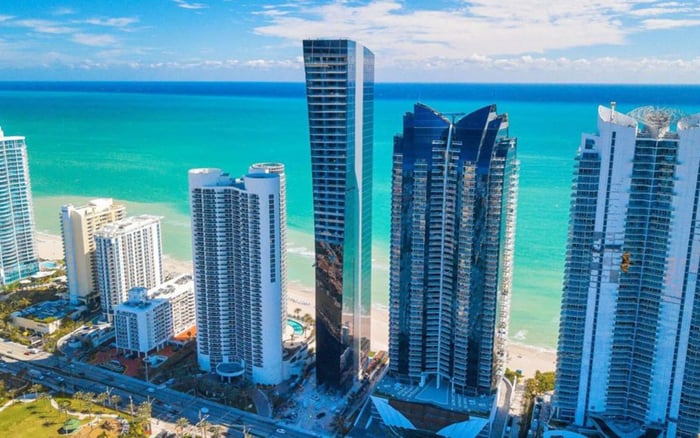
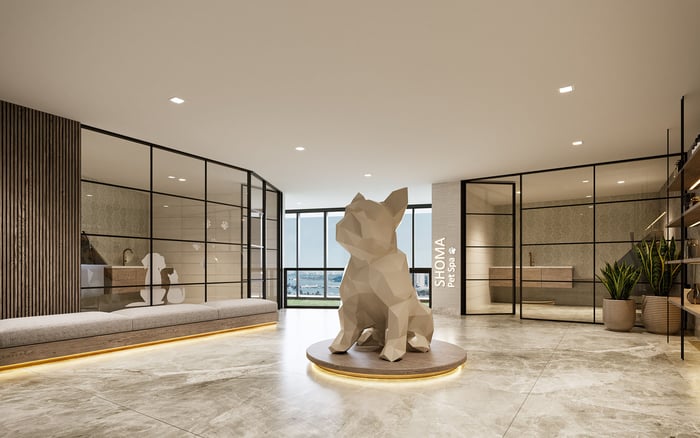
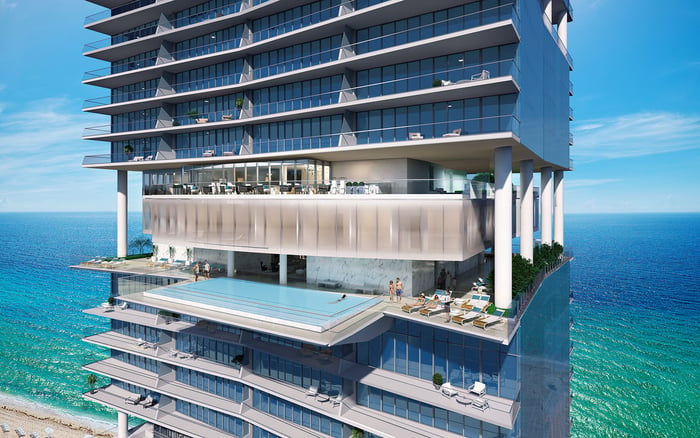
In South Florida’s ultra-premium condo market, “luxury” is increasingly measured by operational readiness: how seamlessly a residence supports household staffing, privacy, storage, and day-to-day service. From staff-friendly floor plan decisions to amenity ecosystems that function like a well-run private club, buyers are prioritizing buildings that make it easy to maintain a five-star home environment, even with seasonal use. This editorial breaks down the practical features that matter most, how to evaluate them during tours, and why select projects have become shorthand for discreet, service-forward living.
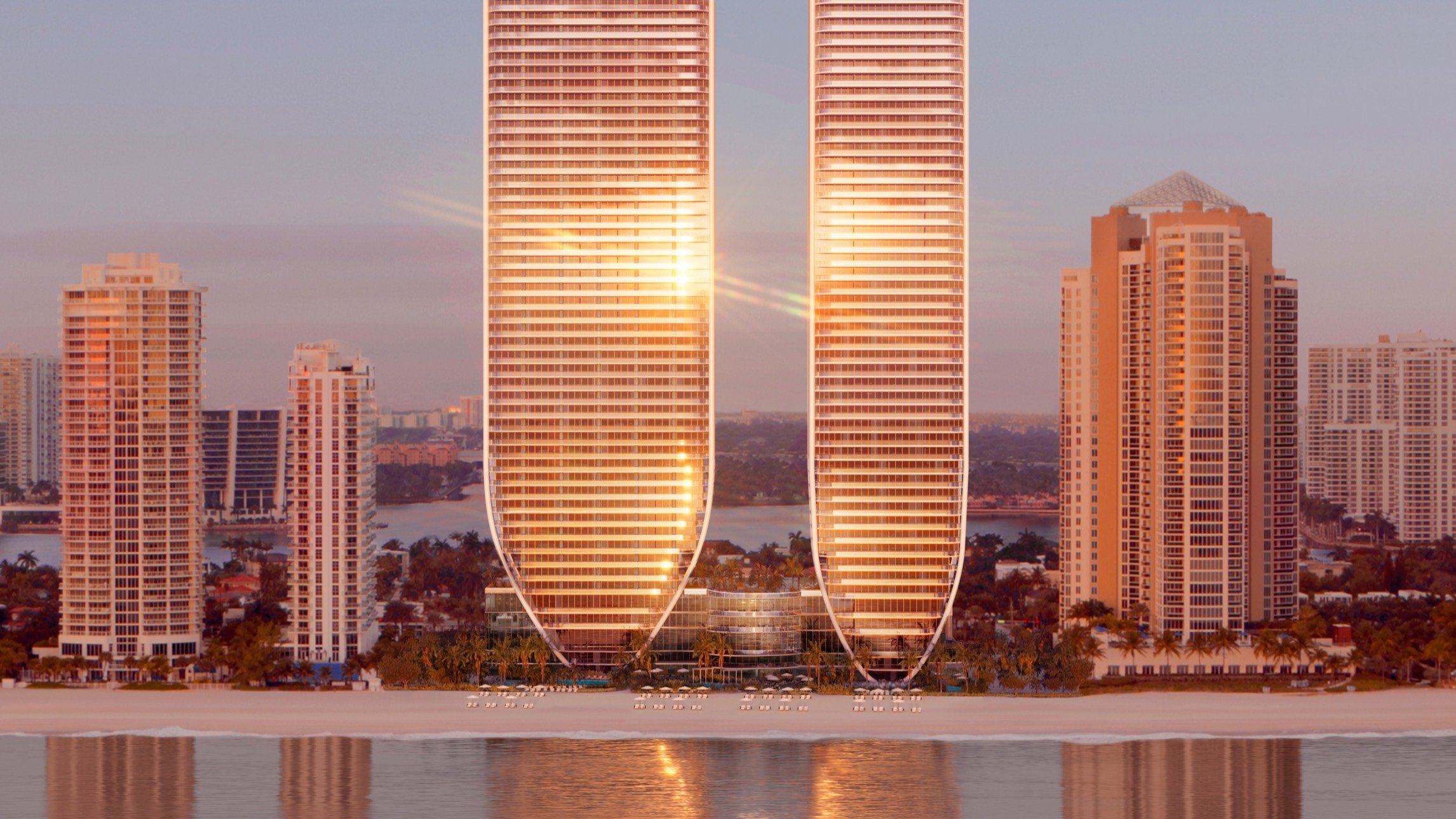
For South Florida’s highest-end condo buyers, the most valuable upgrade is not always a rarer stone or a higher floor. It is operational luxury: the quiet confidence that a home can run flawlessly, whether you are in residence for a month or a weekend, and whether you travel with a full household team or prefer minimal in-home presence. This shift is partly cultural and partly practical. Domestic roles have become more professionalized, with clearer standards around discretion, process, and consistent results. At the same time, many owners want the flexibility of multi-home living without the friction that typically comes with it. The result is a buyer who tours a residence the way an operator would: Where does the day begin for staff? Where are supplies stored? Can linens be handled without turning the primary suite into a back-of-house corridor? Can guests arrive without disrupting the home’s rhythm? In a market where luxury demand is expected to remain resilient into 2026, these questions are not niche. They are increasingly central to value.
A well-run private residence is a system. Housekeeping, culinary support, childcare, wardrobe management, and maintenance all have workflows, and those workflows either align with a condo layout, or work against it. In practice, staff-readiness in a condo tends to show up through four buyer-visible outcomes:
Privacy that works in real life. Not secrecy, but separation: the ability for services to happen without the feeling of “traffic” through social spaces.
Consistency. A residence that can be kept at a five-star standard with less effort because storage is logical, laundry is not an afterthought, and service zones do not collide with entertaining zones.
Discretion for arrivals and departures. Think predictable access, controlled interactions, and an environment where the building’s day-to-day rhythms support yours.
Continuity when you are away. The ability for a household to stay “warm” during seasonal use: maintained, stocked, exercised, and ready.
In areas where condo living competes directly with trophy single-family estates, operational ease is often what closes the gap.
Marketing language is generous. Floor plans are decisive. If you want a residence that can support staff without announcing it, start by looking for the planning choices that tend to signal real operational intent. The clearest example is when a plan includes a den or staff quarters with a full bathroom and closet, creating a workable, dignified space for live-in help or a rotating schedule. In Sunny Isles Beach, Turnberry Ocean Club Sunny Isles is publicly described as offering layouts with den or staff quarters configured with a full bath and closet. That detail matters because it changes how the home functions: a staff member can be present without compromising primary-suite privacy, and the residence can sustain early starts and late finishes without turning service into a spectacle. Beyond dedicated quarters, evaluate the plan for these functional signals:
A secondary bathroom near work zones. Even if you do not plan for live-in help, a conveniently placed bath supports housekeeping, childcare, and day guests without routing through private areas.
Storage that is not performative. True operational storage is not one decorative closet. It is a network: coats, cleaning supplies, bulk pantry capacity, and linen storage that does not cannibalize bedroom closets.
A kitchen that anticipates real use. Not every buyer cooks, but every buyer hosts. A kitchen that can handle catering, staging, and clean-up with minimal visual disruption is a sign of mature planning.
A circulation pattern that separates “life” from “work.” Even in an open-plan home, there should be natural edges where service can happen without crossing the center of entertaining.
If a condo cannot pass the floor-plan test, no amount of amenity gloss will fix daily friction.
In South Florida’s ultra-premium segment, amenities are no longer just leisure. They are infrastructure. When a building is managed at a high level, the amenity program functions like an extension of the home’s operations: scheduling, communications, service delivery, and predictability. This is where select towers distinguish themselves. Turnberry Ocean Club is marketed as having 70,000+ square feet of amenities, a scale that signals orchestration and the kind of day-to-day coordination that makes high-service living feel effortless. It is also publicly described as offering two furnished guest suites available for residents, a feature that can quietly resolve a recurring friction point: overflow guests, visiting family, or the practical need for additional sleeping capacity without turning your residence into a revolving door. On the design side of the equation, buyers increasingly choose buildings that feel hotel-polished because that environment supports shared standards and consistent behavior. In Downtown Miami, Casa Bella by B&B Italia Downtown Miami is positioned as a design-forward luxury high-rise, and that branding matters beyond aesthetics. A curated environment tends to attract residents who value order, service consistency, and clear expectations around how common spaces are used. For owners who split time between cities, the strongest amenity ecosystems reduce the number of tasks that must be solved privately. The building becomes the buffer between you and logistics.
Experienced buyers know that the most important answers rarely live on the brochure. The goal is not to interrogate staff policies. It is to understand whether the building is set up to support a high-service lifestyle while protecting discretion. Consider asking questions that sound lifestyle-oriented but reveal operational reality:
“How do residents typically handle extended guests?” This can surface whether there are resident guest suites, how they are reserved, and how accustomed the building is to coordinating.
“How does the building communicate with residents day to day?” Strong systems suggest mature operations and fewer surprises.
“What does a typical move-in or large delivery look like here?” You are listening for calm, established process.
“Are there any rules around contractors or household vendors?” A building that regularly supports premium living usually has clear protocols.
Then, walk the residence as if you were planning the week: Where do packages land? Where do cleaning supplies go? Where can a nanny put a stroller without it living in the foyer?
Different submarkets pull for different versions of operational luxury. Sunny Isles Beach often attracts global, seasonal, and multi-home owners. That profile tends to reward buildings that can keep a residence ready, protected, and consistent between visits. Alongside Turnberry, the broader Sunny Isles set includes ultra-luxury towers where buyers prioritize privacy, services, and oceanfront access. For those who want a more intimate, boutique-scale operational rhythm in the same corridor, Muse Residences Sunny Isles Beach is a notable reference point in the neighborhood conversation. Brickell pulls a different operational profile: high-intensity schedules, late meetings, and a desire for lock-and-leave simplicity. In that context, buyers tend to value buildings that reduce decision fatigue and keep the home feeling immaculate with minimal effort. 2200 Brickell fits naturally into this discussion because the Brickell buyer often wants refined residential living that still functions with urban precision. Miami Beach buyers frequently anchor around lifestyle and privacy, but the same operational rules apply: the best homes entertain beautifully and reset quickly. The more a building supports a five-star standard, the more effortless the home feels between hosting moments. Across these areas, the premium is increasingly paid for residences that can sustain a high standard without drama.
Luxury buyers are leaning into flexibility and mobility: the ability to relocate seasonally, live across multiple cities, and still maintain a consistent home experience. That mindset amplifies the value of staff-ready planning. When you are not in residence full-time, small operational failures grow teeth. Missed deliveries, unclear protocols, or insufficient storage become repeated irritations. Conversely, when a condo is designed and managed for continuity, ownership becomes lighter. The residence is not a project; it is a base. This is also why operational luxury can protect resale appeal. A buyer shopping at the top of the market may love a view, but they commit to a building when they believe it can support their actual life.
Before you commit, use a simple operator’s checklist:
Does the plan offer a true secondary zone (den, staff quarters, or flexible room) that can absorb household functions?
Is there a full secondary bathroom positioned to support guests and service without crossing private space?
Is storage continuous (pantry, linen, utility) rather than decorative?
Do building amenities reduce friction for entertaining and extended stays?
Does the building feel calmly managed through protocols, communications, and consistency?
If three of these are weak, you may still love the residence. You just need to price the friction you are buying.
What does “staff-ready” mean in a luxury condo? It means the layout and building operations support household help with privacy, storage, and smooth daily workflows.
Is a dedicated staff quarters necessary? Not always, but a flexible den with a nearby full bath can dramatically improve how the home functions.
Which floor-plan detail most affects day-to-day discretion? A separate secondary zone and bathroom placement often matter more than total square footage.
How do guest suites in a building change the ownership experience? They allow extended guests to stay close while preserving your residence as a private sanctuary.
Do amenities really impact staffing needs? Yes. A well-run amenity ecosystem can offload coordination and reduce in-home logistical burden.
How can I assess building operations during a tour? Ask about communications, delivery protocols, and how extended guests are handled, then observe how calm the process feels.
Why is operational luxury more important for seasonal owners? Because continuity between visits requires systems, predictable protocols, and a home that can be maintained without friction.
Can a design-forward tower still be practical? Yes. A polished, hotel-like environment can reinforce service standards and orderly common-space behavior.
Does South Florida’s luxury condo market favor these features into 2026? Demand for premium condos has been expected to remain strong, which supports continued focus on service-forward living.
What is the simplest way to compare two luxury buildings? Compare floor-plan functionality first, then evaluate building operations and amenity infrastructure as the tie-breaker.
For tailored guidance, speak with MILLION Luxury.
If branded residences are on your mind — as a home or as an allocation — we would be glad to share what we are seeing, privately.
Begin a quiet conversation