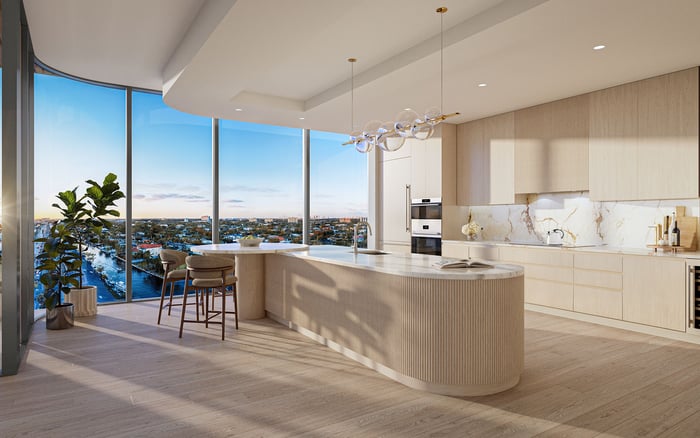
In a market where eight-figure deals can move with remarkable speed and discretion, the most important work often happens before the first showing. From legal access and waterfront constraints to systems complexity and HOA balance sheets, this buyer-oriented checklist helps you tour $10M+ Miami homes with the same rigor your advisors will bring to closing.
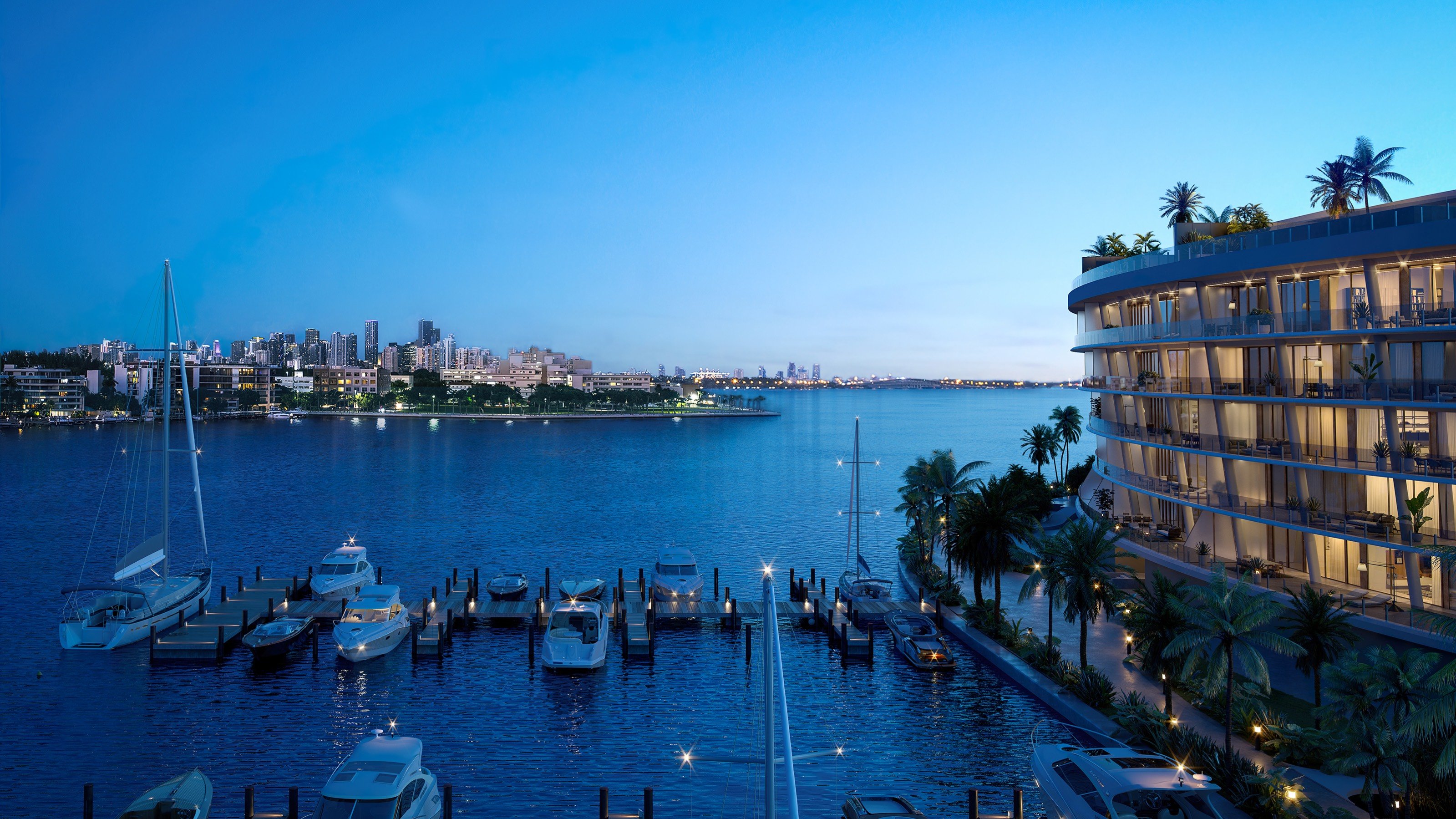
Miami’s ultra-luxury tier has normalized velocity. Miami-Dade County recorded 361 residential sales above $10 million in 2025, effectively one per day. At this altitude, buyers are often ultra-high-net-worth households, commonly defined as having $30 million or more in investable assets, and the negotiation dynamic shifts: certainty and clean execution can outweigh a marginal difference in price. Two additional realities shape the modern tour. First, the top of the market is notably cash-driven, which compresses timelines and increases the premium placed on readiness. Second, the buyer pool is global: international residential purchases in Florida rose about 50% in dollar volume to roughly $10.4B (Aug 2024 through Jul 2025), and the Miami - Fort Lauderdale - West Palm Beach region captured about 45% of statewide international activity. The result is a touring environment where privacy, documentation, and decision-making at a distance are standard. This checklist is designed to help you tour eight-figure Miami homes like an owner, not a spectator, asking the right questions early and lining up the right specialists before emotion takes over.
1. Access, boundaries, and easements, confirm you can actually use what you’re touring
Before you fall for a motor court or a sculpted dock line, confirm the practical realities of access and use. Pre-tour review should include title constraints, easements, and other legal encumbrances that can affect how you enter the property, what you can modify, and what a future buyer will accept without friction. In neighborhoods where lots are irregular or waterfront edges are engineered, these details can be the difference between “iconic” and “compromised.”
2. Off-market strategy and privacy controls, understand the rules of engagement
At $10M+, many sellers prefer limited exposure. Off-market or “exclusive listing” strategies are commonly used to control who tours and to reduce public footprint. As a buyer, clarify whether photography is permitted, whether your advisors can attend, and what vetting is required. Discretion also affects your leverage: a highly private sale can be efficient, but it can also mean fewer public breadcrumbs. Plan to document what you see in a way that supports later review.
3. Systems complexity, assume a standard inspection is not enough
A mansion tour is not a substitute for a technical review. With larger footprints and higher-capacity systems, luxury homes often require inspectors with specific high-end experience plus specialist trades. High-end inspections typically extend beyond basics into roof and building envelope, foundation and structural elements, complex electrical, high-capacity HVAC, and specialty features like pools, elevators, and advanced audio-visual systems. On a tour, you are scouting for what your inspection team will need: equipment rooms, access panels, mechanical clearances, and signs that prior work was executed thoughtfully.
4. Building envelope and rooflines, the quiet determinants of long-term cost
In South Florida, the envelope is a financial instrument. Roof complexity, glazing strategy, drainage design, and exterior material selection can materially affect maintenance cadence and storm readiness. During a tour, look for evidence of disciplined detailing: clean transitions, protected edges, and serviceable access. A home can be visually perfect and still be operationally unforgiving. Treat the envelope as the line between a beautiful residence and a demanding project.
5. Resilience and flood exposure, price the risk, not just the view
Miami-Dade’s sea level is projected to be about 10 to 17 inches higher by 2040 compared with 2000. Flood risk here is not a single variable; it is influenced by tidal flooding, storm surge, and groundwater. For a waterfront home, these forces can affect not only insurance and long-term cost, but also usability: garages, mechanical rooms, landscaping, and dock infrastructure all live in the reality of water. On tour, ask where critical equipment is located, how drainage is managed, and whether resilience measures are integrated rather than added as afterthoughts.
6. Waterfront constraints and yachting practicality, evaluate the marina logic
For buyers where a yacht is part of the lifestyle, “waterfront” is not a binary. Value is strongly influenced by physical constraints: water depth and draft, bridge and air-draft limits, turning basins, and whether you have direct ocean access. These are not abstract details; they determine whether your vessel can come home. Even if you do not own a yacht today, future buyers at this price point may, and they will underwrite the water with precision.
7. Condo or HOA financial strength, if there’s an association, audit it early
Not every $10M+ purchase is a standalone mansion. Penthouses, branded residences, and certain gated communities introduce shared governance. Financial stability and governance matter because weak finances can translate into special assessments and higher ownership risk. Reserve funds are intended to pay for major common-area repairs and replacements; when reserves are underfunded, the likelihood of special assessments rises. If your tour involves an association, treat the building’s balance sheet as core due diligence, not an administrative detail. In Brickell, for example, buyers who prefer a service-forward, lock-and-leave posture often compare newer inventory such as 2200 Brickell with other high-design options nearby, then work backwards into governance and reserves.
8. Offer structure and contingencies, decide what you can remove, and what you should not
Common purchase contract contingencies include inspection, financing, appraisal, and sale-of-home clauses. Each contingency shifts leverage. In competitive ultra-luxury situations, shortening or removing contingencies can make an offer meaningfully more attractive, but only if you have done the preparation to support that confidence. The sophistication move is not bravado; it is readiness. Know which contingencies are essential for your risk tolerance and which are negotiable when certainty wins the deal.
9. Closing-cost and tax friction, model the true cost of capital
Closing costs for Miami buyers vary with deal structure, and mortgage-related taxes and fees generally make financed purchases costlier than cash transactions. In a cash-driven top market, understanding this friction helps you compare strategies: liquidity preserved versus cost reduced, timeline compressed versus conditions expanded. Run your numbers before you tour. If the home is the right one, you won’t want to pause to build a model from scratch.
10. Documentation for decision-makers, capture the property like an asset, not a memory
Ultra-luxury decisions often involve family offices, attorneys, and advisors who may not attend the initial tour. Using professional-grade visuals, including photo, video, or virtual-tour style documentation, can help remote stakeholders review condition, flow, and site nuances efficiently. Treat documentation as diligence. It protects leverage, accelerates consensus, and reduces the risk of misremembering what was compelling, and what was concerning.
A $10M+ “Miami mansion” can mean very different things: oceanfront quiet, waterfront boating, a vertical pied-à-terre, or a resort-standard branded experience. Your checklist stays the same, but your emphasis changes. In Miami Beach, privacy and exposure management often define the touring experience, especially for residences with direct ocean presence. If you are weighing a low-density oceanfront posture, 57 Ocean Miami Beach is the kind of reference point that reminds buyers to audit what they’re truly buying: sound profile, wind exposure, ingress, and the daily reality of salt and sun. In Sunny Isles, the conversation often shifts to vertical waterfront living and building governance, including reserve posture and the operational quality of amenities. For buyers comparing trophy towers, Bentley Residences Sunny Isles can anchor a tour strategy focused on service levels, mechanical sophistication, and how the association plans for long-term maintenance. In Surfside, the appeal is often a quieter, design-forward shoreline with a strong emphasis on privacy and a tighter residential feel. A project like The Surf Club Four Seasons Surfside underscores the importance of governance and reserves, as well as the value of operational excellence when your home functions as a managed environment.
The best tours are structured: first-pass aesthetic alignment, second-pass technical feasibility, then a term-sheet mindset. Because valuation at the top becomes harder as homes become more unique, the sales comparison approach still matters, but “comps” often require heavier adjustments and more judgment. That is why deal certainty becomes a currency. If you can demonstrate readiness, whether via proof of funds in a cash purchase or clean timelines with advisors already engaged, you can often negotiate from a position of calm authority. When the seller’s priority is a discreet, low-friction close, the buyer who performs like a closing machine can earn concessions in places price alone cannot.
Before you schedule a second visit, assemble a one-page packet for your advisors: your intended use (primary, second, seasonal), any boating requirements, privacy constraints, risk tolerance for flood exposure, and which contingencies you are willing to accept. Add your tour documentation so counsel and inspectors can spot red flags early. The aim is not to slow down. It is to move quickly, with control.
Should I assume an ultra-luxury home inspection is different from a normal one? Yes. At this scale, buyers typically add specialists for major systems, envelope, and specialty features.
How common are $10M+ sales in Miami right now? Miami-Dade recorded 361 residential sales above $10 million in 2025, roughly one per day.
Is cash really the norm for top-end Miami purchases? At the very top end, the market is notably cash-driven, which often shortens timelines.
What should I check first on a waterfront tour? Start with flood and resilience exposure, then verify boating constraints like depth and bridges.
Why do easements matter if the home looks perfect? Easements and title constraints can limit access, use, and future modifications, even on trophy homes.
If a listing is off-market, is that a red flag? Not inherently. Off-market strategies are often used to protect privacy and control showings.
For condos, what is the biggest hidden risk at this price point? Weak HOA finances and underfunded reserves can lead to special assessments and higher ownership risk.
Do contingencies make my offer less competitive? They can. Shortening or removing contingencies may strengthen an offer when you have done the prep.
Are closing costs meaningfully different for cash versus financed deals? Often yes. Mortgage-related taxes and fees generally make financed transactions costlier.
How should I document a tour if advisors are remote? Capture professional-grade photos and video so decision-makers can assess condition and layout quickly.
For tailored guidance, speak with MILLION Luxury.
If branded residences are on your mind — as a home or as an allocation — we would be glad to share what we are seeing, privately.
Begin a quiet conversation