In South Florida luxury real estate, the most defensible value is rarely about spectacle. It is about scarcity, integrity, and upgrades that strengthen livability without narrowing the future buyer pool. Historic character can command a meaningful premium, while smart, storm-minded improvements and timeless finishes often outperform flashy, highly personalized spending. This guide outlines where ROI tends to concentrate and how to make high-design decisions that still read as broadly valuable at resale.
In a region celebrated for new glass towers and waterfront modernism, legacy architecture retains a distinct pull. Homes inside designated historic districts often trade at a measurable premium versus comparable properties outside protected areas, reflecting scarcity and the signaling value of preserved architectural integrity. In practice, that premium rarely hinges on a single flourish. It shows up as whole-home coherence: proportion, authentic materials, and a streetscape shaped by time rather than trend. For buyers, the appeal is not merely nostalgia. It is confidence that a neighborhood’s visual DNA will remain intact, reinforcing long-term desirability. For sellers, the takeaway is equally practical: preservation is not the opposite of modernization. The strongest results typically pair original character with discreet, high-performing systems that let the home live like new.
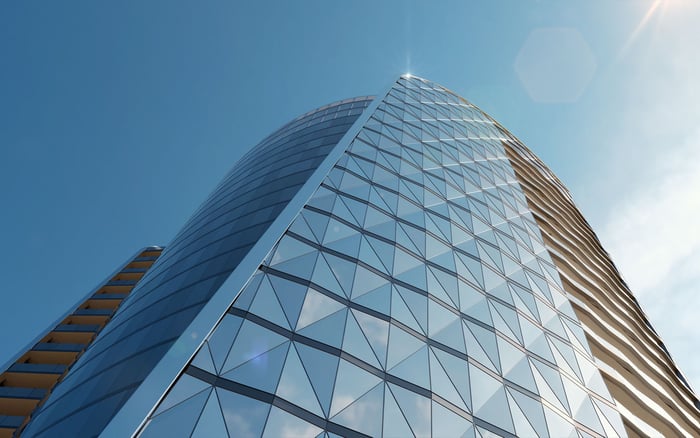
Luxury in Florida includes performance. Wind, water, and humidity are not abstract concerns, so buyers scrutinize a home’s envelope: openings, roof, and the connections that keep the structure tight under stress. Improvements that strengthen the building envelope read as foundational value because they protect everything else you are investing in. Impact windows are a frequent example of an upgrade that feels both lifestyle-forward and marketable. Beyond security and energy performance, they present as a visible commitment to resilience. Typical project pricing is often discussed in a broad band of roughly $7,000 to $20,000 depending on home size and the number of openings. The exact payoff varies, but the buyer psychology is consistent: a property that is “ready” creates less friction during due diligence. In the condo market, many buyers evaluate resilience through the building itself. In Brickell, the conversation often centers on overall construction quality, comfort systems, and the caliber of shared amenities rather than a single component swap. That is part of the appeal of new luxury inventory such as 2200 Brickell, where the value proposition is delivered as a comprehensive lifestyle offering.
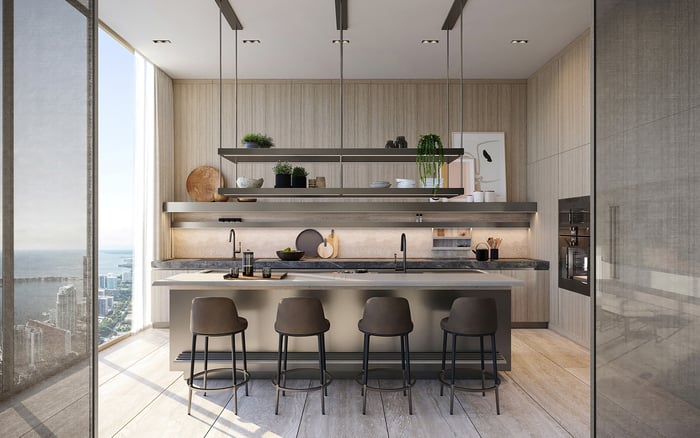
The most sophisticated renovation plans in luxury real estate often start with a counterintuitive premise: spending more does not automatically produce more value. In many markets, smaller targeted remodels can outperform major renovations on an ROI basis, particularly in kitchens where a minor refresh can yield dramatically stronger payback than a full-scale midrange overhaul. That does not mean buyers do not care about kitchens and baths. They do, intensely. The distinction is between improvements that make the home feel current and functional, and those that become an expensive personal manifesto. The most defensible “value upgrades” usually share three traits:
They improve day-to-day livability.
They are difficult for a buyer to execute quickly after closing.
They remain stylistically flexible across a wide range of tastes.
If you are renovating a luxury residence with resale in mind, think in layers: refresh surfaces and function first, then elevate the experience through lighting, storage, and appliance integration. The goal is a finish level that feels inevitable, not eccentric.
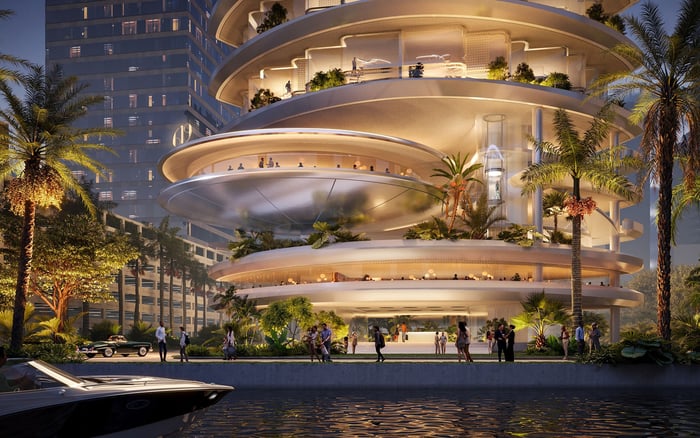
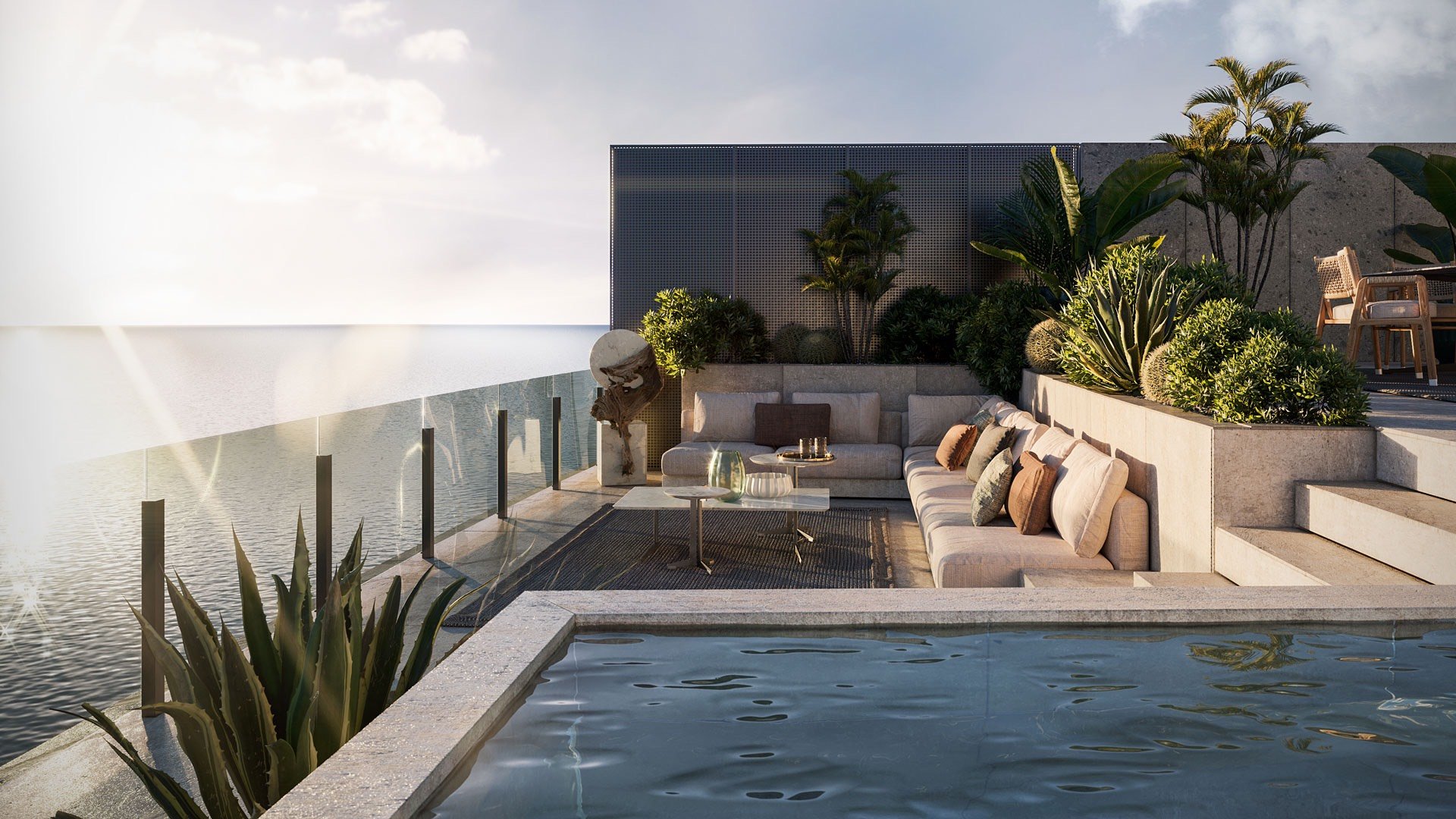
Outdoor space is not an accessory here. It is a primary room category. Patios and outdoor living enhancements are commonly positioned among high-payback improvements because they expand usable square footage for entertaining without the complexity of adding enclosed interior area. Outdoor kitchens, in particular, continue to perform as a lifestyle signal. They imply hosting, ease, and a home designed around guests. For luxury buyers, the details matter. A strong outdoor package is not just a grill on a slab; it is shade strategy, durable surfaces, thoughtful lighting, and a clear circulation plan between kitchen, bar, dining, pool, and lounge zones. This indoor-outdoor sensibility also attracts buyers to coastal condominium living, where terraces and amenity decks effectively extend the home. In Miami Beach, projects like Five Park Miami Beach capture that preference for a lifestyle that moves effortlessly from interior to skyline views, wellness, and social spaces.
Luxury buyers expect intelligence, but they rarely want to inherit a patchwork of devices. The market tends to reward smart-home integration when it is cohesive, secure, and intuitive: a system that improves convenience and safety rather than creating a maintenance project. Treat smart integration as infrastructure. Prioritize robust networking, consistent controls, and a design that anticipates serviceability. Done well, it strengthens a buyer’s sense of order: lighting scenes that flatter finishes at night, security that is frictionless, and climate control that maintains comfort without constant tinkering. In a high-rise context, smart living often pairs naturally with full-service buildings, especially in areas like Downtown where new development is designed around technology-enabled convenience. A buyer considering Waldorf Astoria Residences Downtown Miami may weigh smart features as part of a broader promise: seamless arrival, security, and an elevated, hotel-informed standard of living.
In South Florida, comfort is a performance metric. High-end HVAC value is not only about cooling capacity. It is about zoning, filtration, and humidity management that keeps a home feeling crisp while protecting finishes, art, and millwork. From a resale perspective, buyers respond to systems that feel quiet, balanced, and modern. If you are planning upgrades, avoid choices that require a niche technician or proprietary parts with uncertain future support. The most marketable solution is often the one a discerning buyer recognizes as premium, but also expects to maintain without drama.
Luxury buyers love distinction, but there is a point where personalization becomes illiquid. Highly customized details can shrink the future buyer pool because the next owner may price in the cost of removal, reconfiguration, or aesthetic reversal. This is where timeless design becomes more than taste. Enduring value tends to align with classic principles: proportion, material authenticity, and longevity rather than short-lived visual trends. If you want the home to feel bespoke without becoming brittle at resale, build a neutral architectural canvas and place “signature” moments in elements that are easier to swap: decorative lighting, movable furniture, art, and layered textiles. For buyers who want bold brand expression without renovation risk, a branded new-build can be a cleaner way to live inside a strong aesthetic. In Brickell, 888 Brickell by Dolce & Gabbana represents that concept: a curated design narrative delivered at a building scale, rather than through irreversible, one-off alterations.
Even at the highest price points, perception sets the ceiling. Professional staging and thoughtful presentation can increase perceived value and may shorten time on market by helping buyers understand scale, flow, and function. For sellers, staging is not about making a home look generic. It is about making it legible. It should clarify how entertaining works, where morning light lands, and how storage is intended to be used. A staged home also signals care, which can reduce buyer skepticism during negotiation.
When deciding between renovation paths, the best framework is simple: distinguish between improvements that solve constraints and those that merely decorate them. Structural constraints and fundamental layout limitations can cap the upside of purely cosmetic upgrades. If circulation is awkward or the “bones” are compromised, a beautifully chosen slab of stone will not change a buyer’s underlying hesitation. Use this filter before committing to major spend:
Does this upgrade improve daily function for most buyers?
Does it reduce perceived risk in Florida conditions (wind, water, humidity)?
Will it age well, or will it date quickly?
Could the next owner reasonably want to undo it?
The luxury market is positioned to reward scarce, high-quality homes that feel both distinctive and easy to live in. The winning strategy is not maximalism. It is disciplined excellence.
Do historic districts really affect resale value? Homes in designated historic districts often sell for a premium versus similar homes outside protected areas.
Is a major kitchen renovation worth it for ROI? Often, a smaller targeted kitchen remodel can deliver stronger ROI than a major midrange overhaul.
What upgrades matter most in Florida’s climate? Buyers prioritize a strong building envelope, resilient openings, and systems that manage heat and humidity.
Are impact windows considered a luxury upgrade? Yes, they signal storm readiness, security, and energy performance, which many buyers value.
How much do impact windows typically cost in Florida? Pricing is often discussed in a wide range of roughly $7,000 to $20,000 depending on the home.
Do outdoor kitchens add value in South Florida? They often do because they expand functional entertaining space and fit the local lifestyle.
What is the risk of over-customizing a luxury home? Over-customization can limit the buyer pool if future owners budget to remove niche features.
Is smart home tech always a resale positive? It is most valuable when designed as a cohesive system rather than a scattered set of gadgets.
Can staging really change sale outcomes at the high end? Yes, presentation can increase perceived value and help a home sell faster by clarifying how it lives.
How do I choose upgrades that will not date quickly? Prioritize timeless materials, balanced proportions, and flexible finishes that can carry multiple styles.
For tailored guidance on buying, selling, or positioning a luxury residence in South Florida, connect with MILLION Luxury
If branded residences are on your mind — as a home or as an allocation — we would be glad to share what we are seeing, privately.
Begin a quiet conversation