Evaluating the Threat of Saltwater Corrosion on Balcony Furniture in Surfside
Salt air is part of Surfside’s appeal, but it is equally persistent as a corrosive force on balcony furnishings. For oceanfront and near-ocean residences, chloride-laden mist, wind-driven spray, and high humidity can quietly degrade metals, finishes, and hardware, turning “outdoor” pieces into short-lived liabilities. This MILLION Luxury guide breaks down what actually fails first, which materials hold their look, and how owners can align furniture choices with building exposure, maintenance expectations, and resale-level presentation.

The Strategic Use of Land Trusts to Maintain Anonymity in Miami Condominium Acquisitions
For privacy-minded buyers, Miami’s condominium market presents a paradox: trophy assets trade in a city that runs on visibility, yet ownership records remain broadly accessible. A land trust can be a sophisticated, lawful way to reduce public-facing exposure while keeping the transaction, financing, and estate planning aligned. This MILLION Luxury editorial outlines how land trusts typically work in Florida, where they deliver meaningful discretion, and where they do not. It also highlights the decision points that matter to ultra-premium purchasers: lender posture, closing logistics, governance documents, and how to avoid privacy strategies that create more risk than quiet.

Comparing the Intimacy of Low Rise Living at Ocean House Surfside Against Fendi Chateau Residences Surfside
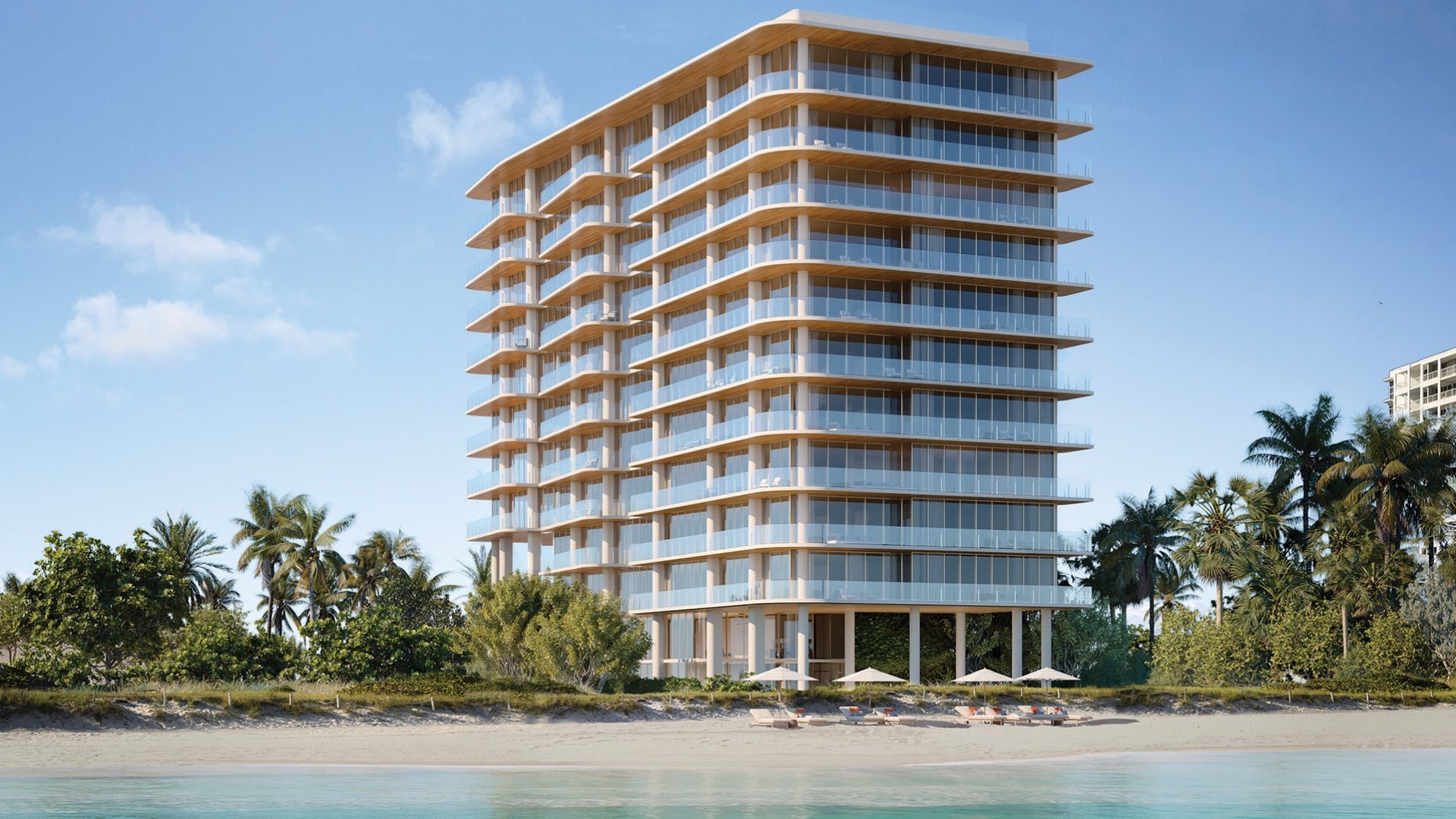
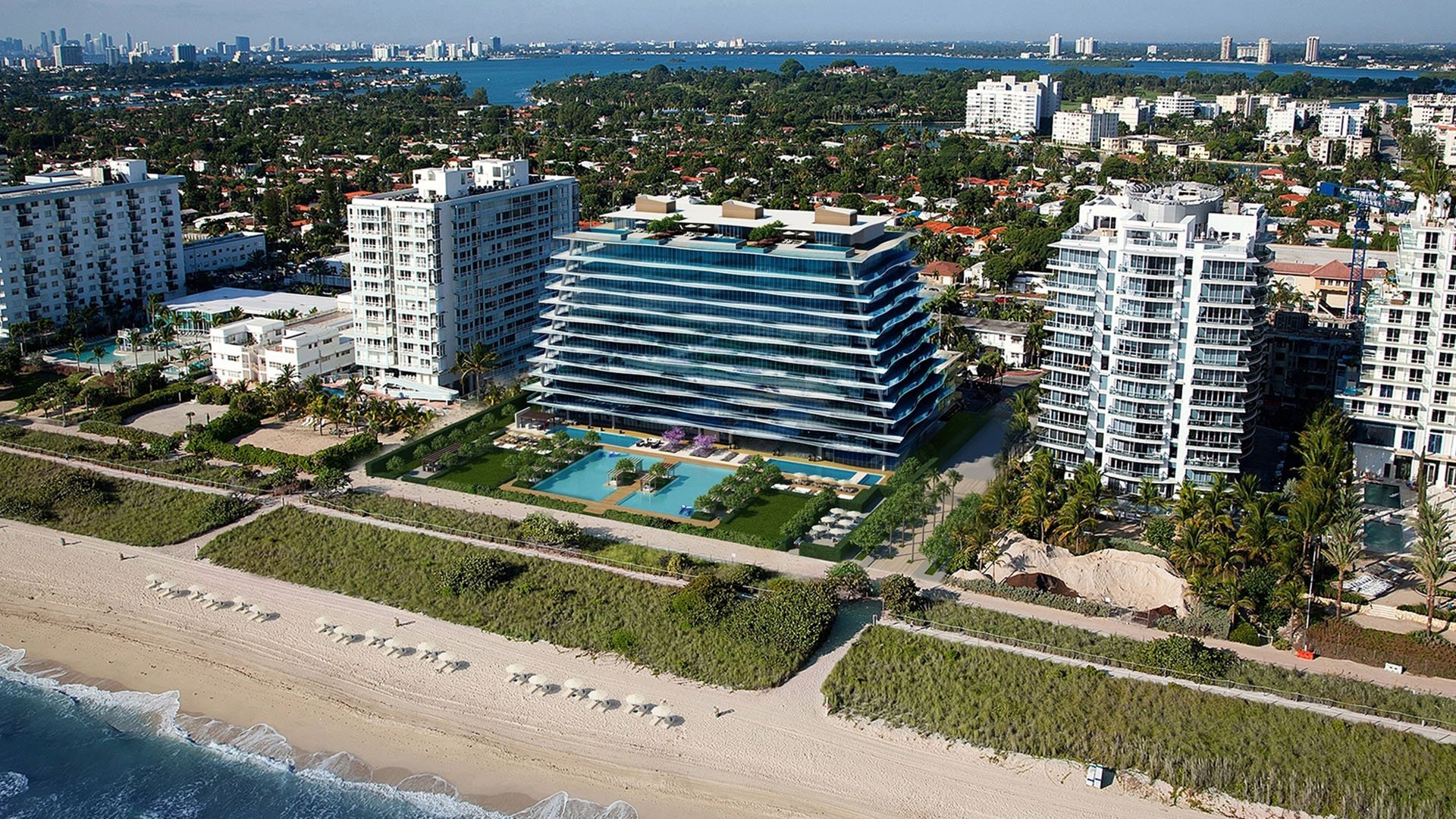
In Surfside, two names define a very specific kind of oceanfront luxury: the low-rise, privacy-forward residential experience. Ocean House Surfside and Fendi Château Residences Surfside both appeal to buyers who want beachfront proximity without the emotional temperature of a mega-tower. Yet their intimacy is expressed differently: one leans toward a quiet, residential cadence; the other pairs boutique scale with branded design identity. With no two households using “privacy” to mean the same thing, this comparison focuses on what you actually feel day to day: arrival, shared spaces, neighbor density, service posture, and how the building’s scale shapes the rhythm of living. The result is less about which is “better” and more about which version of intimacy matches your lifestyle, household size, and expectations of discretion.

The Logistics of Arranging Private Chef Catering for Holidays at The Surf Club Four Seasons
A buyer-oriented, discreet field guide to planning private chef catering for holiday hosting at The Surf Club Four Seasons in Surfside, with practical timing, access, service flow, and contingency considerations.

The Strategy of Using Delaware LLCs for Purchasing Anonymity at The Residences at Six Fisher Island
For ultra-high-net-worth buyers, anonymity is rarely about secrecy for its own sake. It is about managing attention, personal security, and leverage in negotiations while keeping future planning flexible. In South Florida, one of the most common vehicles used to hold title discreetly is a limited liability company formed outside Florida, and Delaware is often part of that conversation. At a rare, access-controlled address like The Residences at Six Fisher Island, the desire for privacy can be heightened: arrival is curated, neighbors are discerning, and ownership itself can draw interest. This editorial outlines why Delaware LLCs are frequently considered, what they can and cannot do, and how to coordinate the entity with financing, closing, and long-term stewardship.

Assessing the Footprint of Secondary Scullery Kitchens at The Surf Club Four Seasons Surfside
In Surfside, the secondary scullery kitchen has evolved from a discreet luxury to a practical piece of residential infrastructure, especially in service-driven, oceanfront living. This editorial examines what that “second kitchen” really does for day-to-day function and resale positioning at The Surf Club Four Seasons Surfside, and how to evaluate its footprint without overbuilding or underutilizing square footage.