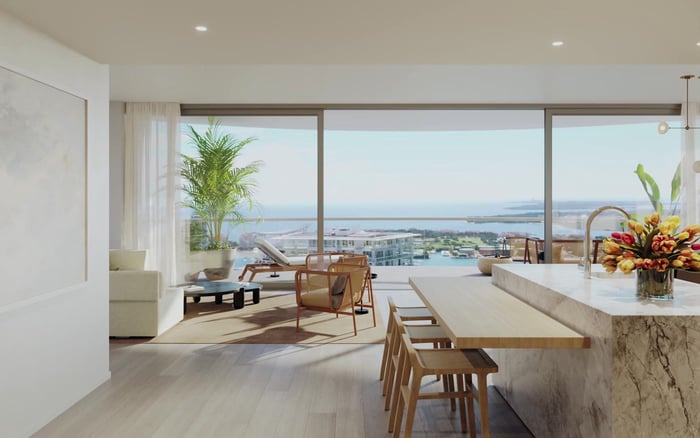
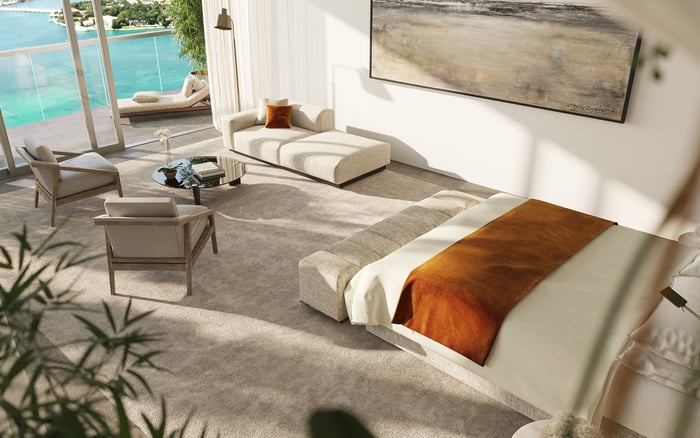
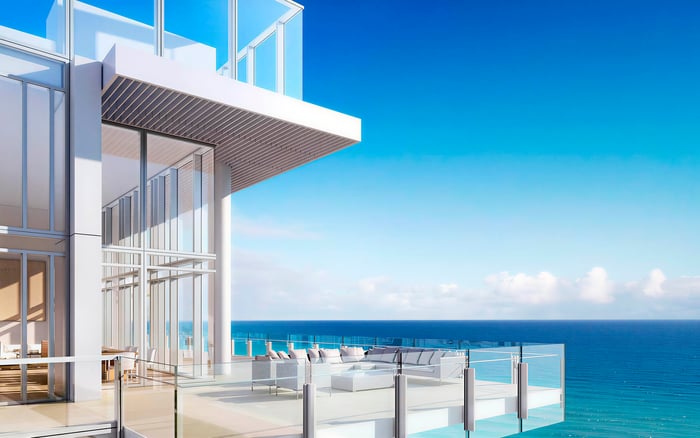
In South Florida, wellness has shifted from a lifestyle add-on to a defining layer of value in the ultra-luxury condo market. Buyers now weigh spa design, programming, privacy, and service delivery with the same rigor they apply to views and floor plans. Surfside has become a particularly persuasive case study thanks to hotel-level wellness infrastructure and a growing pipeline of residences marketed around restoration, performance, and discreet hospitality. This guide ranks five wellness-forward condo options, then outlines what to inspect before you commit: the difference between a true spa and a token “treatment room,” how programming is curated, and why low density changes the way amenities actually feel day to day.
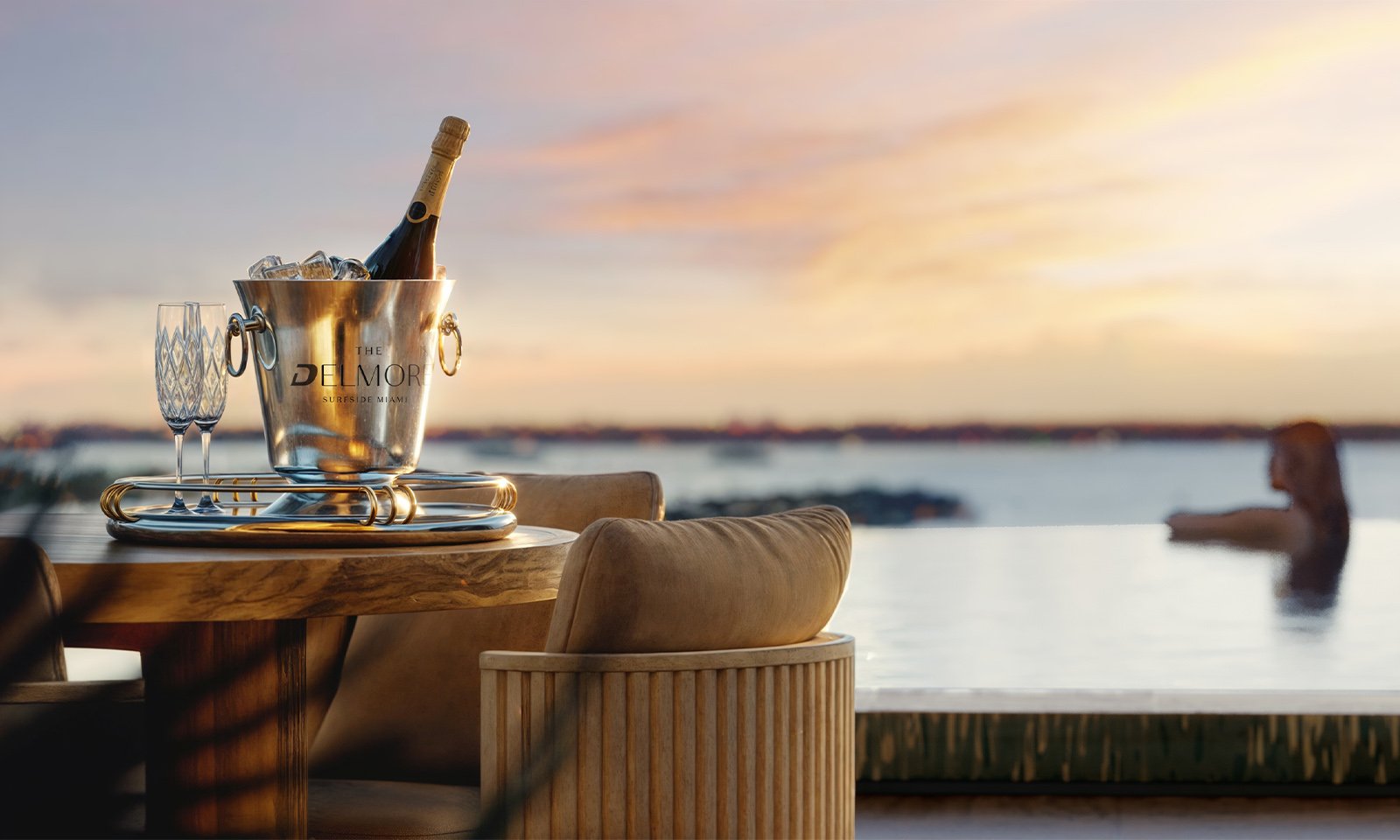
In South Florida’s highest tier of real estate, wellness is no longer a marketing flourish. It’s a measurable driver of day-to-day quality-and often a clear proxy for how seriously a building approaches service, privacy, and long-term stewardship. The most compelling properties treat wellness as an operating system, shaping fitness, recovery, air and light, programming, and the simple ease of moving through a day without friction.
For buyers weighing Surfside against adjacent luxury corridors, the question isn’t whether a building has a gym. It’s whether the wellness experience feels inevitable. Is there room for real recovery, not just exertion? Are rituals built into the property’s rhythm-from a morning class to a calm pool environment that doesn’t read like a public club? And, critically, is the wellness promise backed by a service model that can reliably deliver it?
In Surfside, the hospitality-led blueprint is especially persuasive. When a property operates under a luxury-hotel model, the difference typically shows up in the details: the cadence of programming, the consistency of facilities, and the confidence that the experience remains curated year after year.
1. The Surf Club Four Seasons Surfside - resort-caliber wellness ecosystem The Surf Club Four Seasons is one of the region’s clearest examples of wellness as a full-spectrum, hotel-driven lifestyle. Residents and guests have access to an on-site spa and wellness center with a hammam, plus sauna and steam room facilities, along with treatment rooms and structured relaxation experiences.
Beyond the spa, the fitness facilities are built to support a true routine, with instructor-led programming such as yoga and Pilates. Pool life is equally layered, with multiple pool experiences-including a residents-oriented pool offering-and cabana experiences that reinforce the resort’s private, daytime pace. In a market where many “wellness buildings” deliver only rooms and equipment, this reads as an integrated operating platform.
2. The Delmore Surfside - next-generation, wellness-forward ultra-luxury (pre-construction) The Delmore is being marketed as a wellness-forward, ultra-luxury condominium planned for Surfside, with an amenity program centered on spa-like hot and cold experiences and relaxation-driven spaces. Designed by Zaha Hadid Architects, the positioning pairs architectural presence with a hospitality-inflected approach to daily living.
Just as important, The Delmore is marketed as an ultra-low-density building relative to typical luxury towers-a characteristic that can materially change how wellness amenities feel in practice. A smaller resident population can mean quieter recovery areas, fewer scheduling compromises, and a more intimate relationship with staff and space. As with any pre-construction offering, what matters most is what is publicly disclosed now-and how the service promise is ultimately executed.
3. Surfside wellness lifestyle, broadened - a buyer’s lens for neighboring ultra-luxury Some buyers want Surfside’s sense of calm but prefer a different architectural posture or neighborhood pattern. In that case, the practical move is to keep the Surfside wellness standard and apply it elsewhere: ask whether the building offers true recovery circuits, whether programming is staffed and scheduled, and whether pool environments are segmented so they can remain restorative.
For a Surfside foothold with a boutique feel, Ocean House Surfside is often considered by buyers who value discretion and proximity to the area’s refined, low-key rhythm.
4. Miami Beach, refined wellness living - where restoration meets city cadence Miami Beach can deliver a different expression of wellness: less retreat, more rhythm. Here, the real differentiator is how effectively a building buffers you from energy you didn’t opt into. Look for calm vertical circulation, a pool deck that isn’t treated like an event venue, and fitness spaces that feel like a private club rather than a showroom.
A quietly modern choice many wellness-minded buyers explore is Five Park Miami Beach, particularly for those who want a more urban, design-forward lifestyle while still treating health and recovery as non-negotiable.
5. The new wellness frontier beyond the beach - curated, health-driven living in Bay Harbor As the market evolves, wellness is increasingly being designed into the development concept itself-not merely added as amenity square footage. That shift is especially relevant for buyers who want a residential-first environment with a deliberate emphasis on longevity, calm, and everyday rituals.
For those looking beyond Surfside while keeping a wellness-forward thesis, The Well Bay Harbor Islands is frequently part of the conversation due to its positioning around wellness-oriented living and its proximity to the same refined coastal geography.
Wellness is easy to describe-and harder to deliver. The most dependable way to underwrite it is to confirm how facilities, staffing, and privacy work together.
First, separate a true spa from a “spa room.” A credible wellness program typically includes multiple modalities: heat, steam, recovery, and dedicated treatment spaces. At the highest end, a hammam, sauna, and steam room are not decorative-they form the backbone of a repeatable recovery routine.
Second, look for programming, not just equipment. Instructor-led offerings such as yoga and Pilates suggest management is investing in an ongoing wellness calendar. That commitment matters because it keeps amenities active and relevant long after the sales center closes.
Third, evaluate how pool life supports restoration. Multiple pool experiences-especially a residents-oriented pool offering-help preserve the calm many buyers are actually purchasing. Cabanas and service aren’t mere indulgences; they’re practical tools for controlling the environment around your downtime.
Finally, consider whether the property is structured around hospitality-style services. In practice, concierge-style support can influence wellness more than many buyers expect, shaping everything from scheduling and privacy to the frictionless handling of day-to-day needs that otherwise compete with your time.
Surfside’s appeal is partly architectural and partly atmospheric. The area’s scale tends to read more discreetly than larger urban districts, which allows wellness amenities to feel like an extension of the neighborhood rather than a refuge from it. That alignment is why branded, service-led residences can feel especially convincing here.
If you’re comparing similar price points across Miami Beach, Bal-harbour, and Surfside, focus on how often you’ll truly use a building’s wellness assets. The best properties remove barriers: you don’t need to plan, commute, or negotiate access. You simply move from residence to fitness to recovery to pool, and the experience stays composed.
Buyers who want a more artful, gallery-like expression of coastal living while remaining in Surfside also explore Arte Surfside as a complement to the area’s broader luxury inventory.
In ultra-luxury condos, value isn’t only a function of finishes. It’s the durability of the lifestyle promise. Wellness amenities are particularly revealing because they require ongoing investment and disciplined operations.
A building that maintains a spa with multiple heat experiences, supports treatment programming, and sustains instructor-led fitness signals that it’s built to operate at a high standard. That standard often aligns with resident retention, resale demand, and a building’s ability to remain culturally relevant as tastes evolve.
For pre-construction, the smartest approach is to focus on what is publicly disclosed and on the credibility of the service model being marketed. Wellness spaces can be redesigned or reprioritized before delivery. The projects that tend to hold their value are the ones where wellness isn’t a single room, but a coherent sequence of experiences supported by staffing and a clear service ethos.
What makes a condo “wellness-forward” in the ultra-luxury tier? It combines fitness, recovery, and programming with a service model that keeps the experience consistent.
Why does Surfside stand out for wellness-minded buyers? It offers a discreet coastal atmosphere and properties that integrate hotel-level wellness infrastructure.
Is a hammam meaningfully different from a standard steam room? Yes. A hammam is typically designed as a ritualized heat experience, not simply a utilitarian steam space.
Do instructor-led classes matter if I already have a personal trainer? They matter because they indicate ongoing programming and management investment in wellness operations.
How should I evaluate pool amenities from a wellness perspective? Look for multiple pool experiences and a residents-oriented environment that stays calm and restorative.
Are cabanas just a lifestyle perk or part of wellness? They can support wellness by creating privacy, shade, and a controlled, low-friction outdoor routine.
What should I be cautious about with pre-construction wellness claims? Amenities and programming can change before completion, so focus on what is publicly disclosed and contractually described.
Does low density really affect wellness amenities? Often, yes. Fewer residents can mean quieter facilities, easier scheduling, and a more private daily experience.
How do dining options relate to a wellness lifestyle in a residence? On-property dining can reduce friction in daily routines, especially when paired with a full-service operating model.
What is the single best indicator that wellness is real, not marketing? A functioning spa and structured programming, supported by staffing and consistent service delivery.
For a discreet conversation and a curated building-by-building shortlist, connect with MILLION Luxury.
If branded residences are on your mind — as a home or as an allocation — we would be glad to share what we are seeing, privately.
Begin a quiet conversation