Mansions as Event Venues: The Upsurge in Renting Luxury Homes for Ultra-Exclusive Events
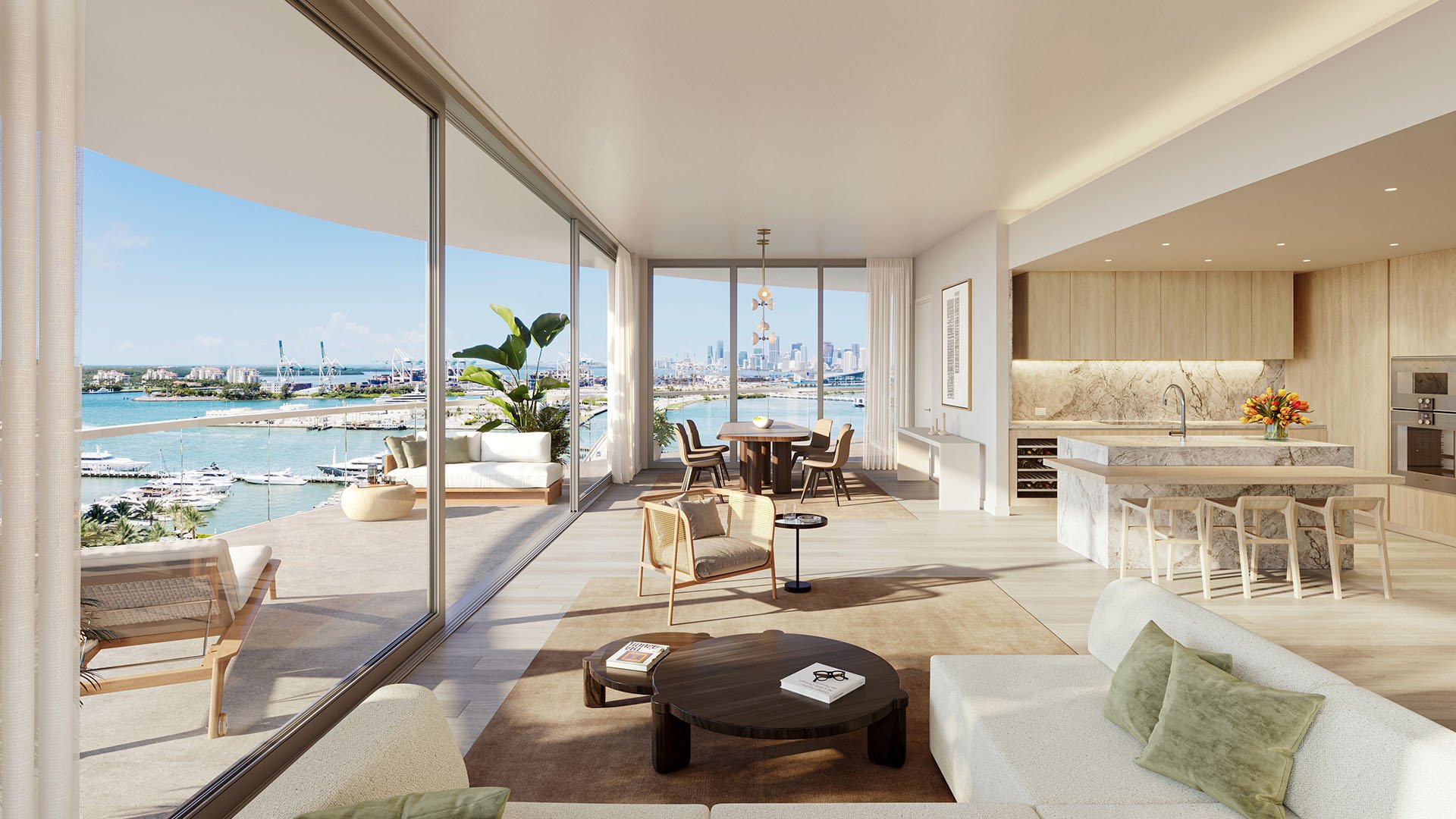
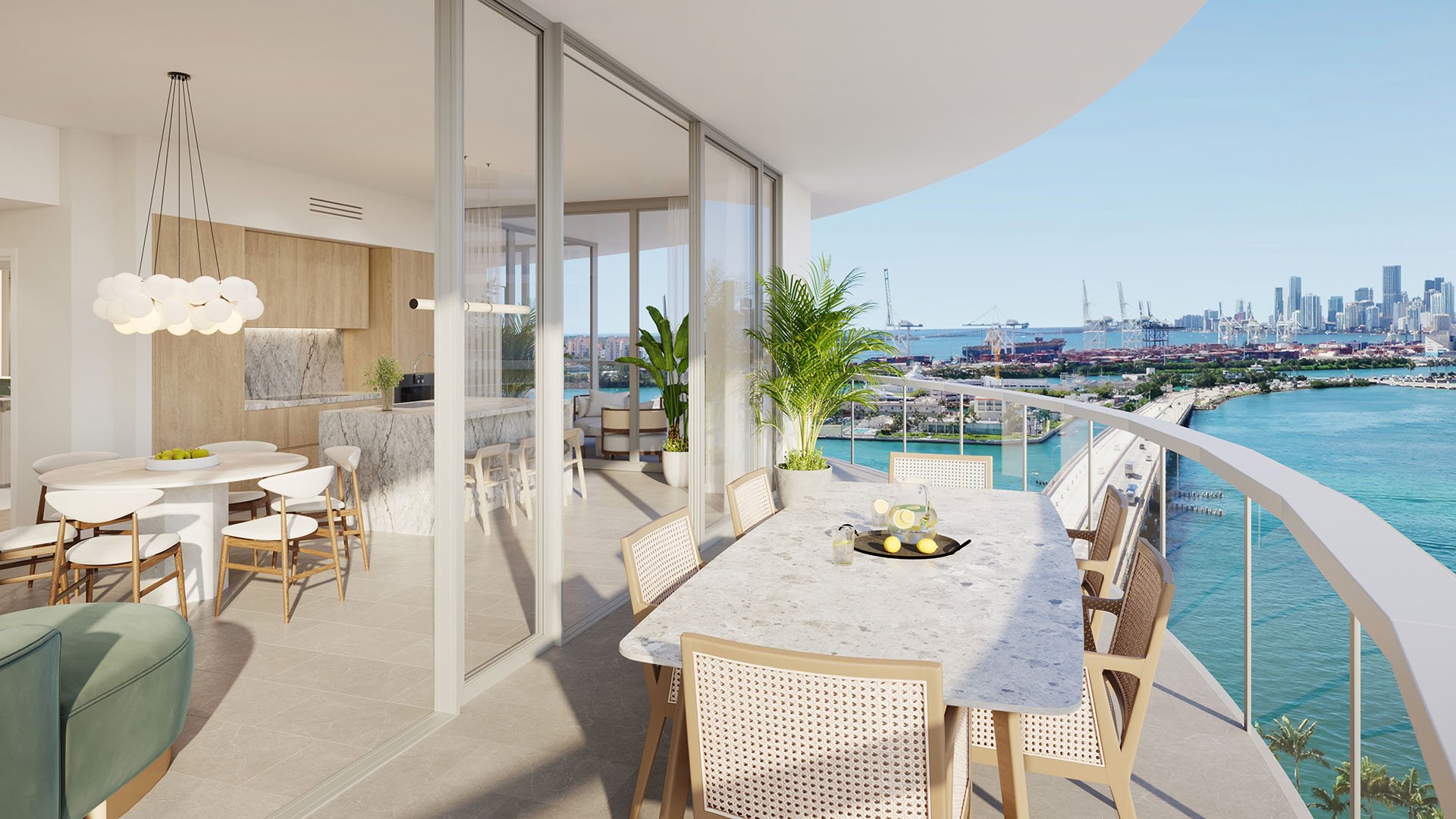
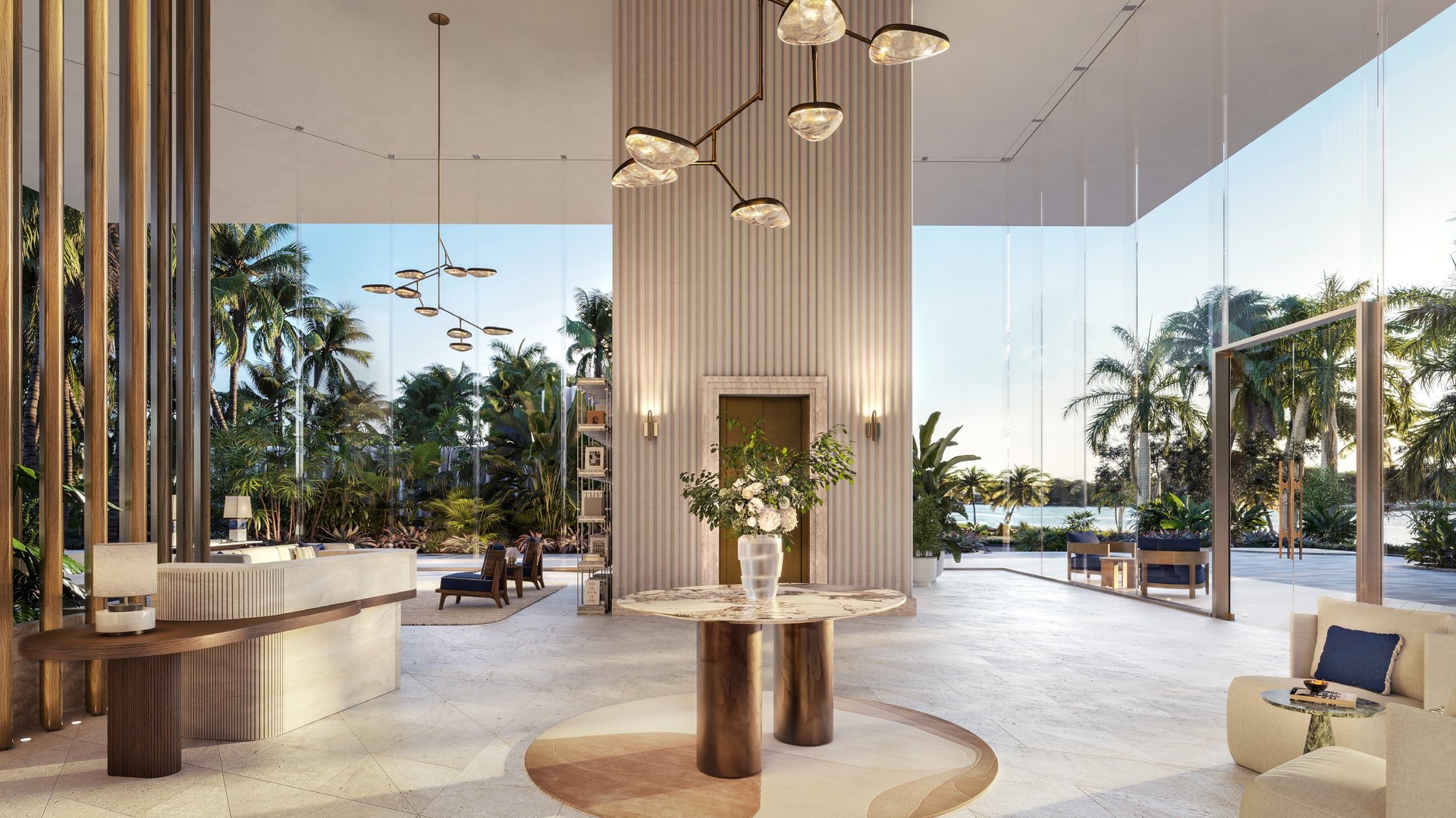
South Florida’s estate-scale wedding weekend has evolved into a private, multi-day live-in format: welcome cocktails, ceremony, after-party, and next-day brunch, all protected by tight access control and concierge-level logistics. For luxury real estate buyers, these gatherings reveal what truly matters in an event-capable residence: acreage or setback for privacy, indoor-outdoor flow, on-site lodging, staging zones for vendors, and security infrastructure that feels invisible to guests. This guide outlines the estate features that make a wedding weekend seamless, the operating realities behind the scenes, and how Miami Beach’s new generation of branded residences is reshaping where elevated celebrations begin and end.

Edgewater vs. Miami Beach: High-Rise Bayfront Serenity or Bustling Beachfront Glamour?
A buyer-oriented comparison of two distinct waterfront lifestyles: Edgewater’s bayfront tower living on the mainland versus Miami Beach’s oceanfront, neighborhood-driven island experience. We look at pricing signals, daily logistics, and the types of residences that match how you actually live.

Coral Gables vs. Pinecrest: Suburban Estate Living in Miami’s Top School Neighborhoods
Two of Miami-Dade’s most coveted enclaves are moving at a slower, more negotiable pace entering 2026. Coral Gables offers architectural character and a cultural core; Pinecrest delivers school-driven demand and an outdoor, estate-scale lifestyle. Here is how MILLION Luxury is framing value, leverage, and long-term fit for high-net-worth buyers this year.

Top 5 Features to Look for in a Family-Friendly Luxury Neighborhood
For South Florida luxury buyers, “family-friendly” is less about a single amenity and more about how a neighborhood performs every day: the school run, security protocols, outdoor routines, space for multi-generational living, and frictionless access to services. This ranked guide distills five features that consistently shape value and livability across Miami-Dade and Broward, with a clear lens on Coconut Grove, Coral Gables, and other prestige enclaves.

Mediterranean Revival vs Tropical Modern: The Two Languages Defining South Florida Luxury Now
South Florida’s most valuable homes often speak one of two architectural languages: Mediterranean Revival, with its heritage-coded arches and stucco romance, or tropical modern, with its climate-first minimalism and indoor-outdoor ease. For today’s ultra-premium buyer, the choice is rarely aesthetic alone. Heat, humidity, flood awareness, and lifestyle planning are pushing design decisions toward performance, while legacy neighborhoods and landmark precedent continue to reward timeless formality. Here is how to read both styles with a buyer’s eye.

Brickell’s Branded Residences, Rewritten: Cipriani and Mercedes-Benz Places as the New Amenity Standard
In Brickell, the most ambitious new towers are no longer competing on square footage alone. They are selling a private, service-driven version of the city: dining without reservations, wellness without crowds, and social space that feels curated rather than communal. Two branded concepts illustrate the shift clearly: Cipriani Residences Miami and Mercedes-Benz Places Miami. Both emphasize amenities as daily infrastructure, but they arrive there through different philosophies: one rooted in hospitality and dining, the other positioned as a multi-domain lifestyle ecosystem with park adjacency and brand-coded recreation. For buyers evaluating a primary residence, a pied-à-terre, or a long-hold asset in South Florida, the more useful question is not “Which tower has more amenities?” but “Which amenity model matches how you actually live?” The difference is subtle, and it is where the market’s next premium is being priced.