For South Florida luxury buyers, motorized shade scenes are not a minor convenience. They shape privacy, glare control, art preservation, terrace living, and the daily rhythm of a smart residence.
In a luxury residence, motorized shades are often described as a finishing detail. In practice, they are closer to infrastructure. They mediate the relationship between glass, sun, privacy, art, temperature, and the day-to-night choreography of living well. For South Florida buyers considering a smart residence, shade scenes should be reviewed before the contract feels inevitable, not after the furniture plan is nearly complete.
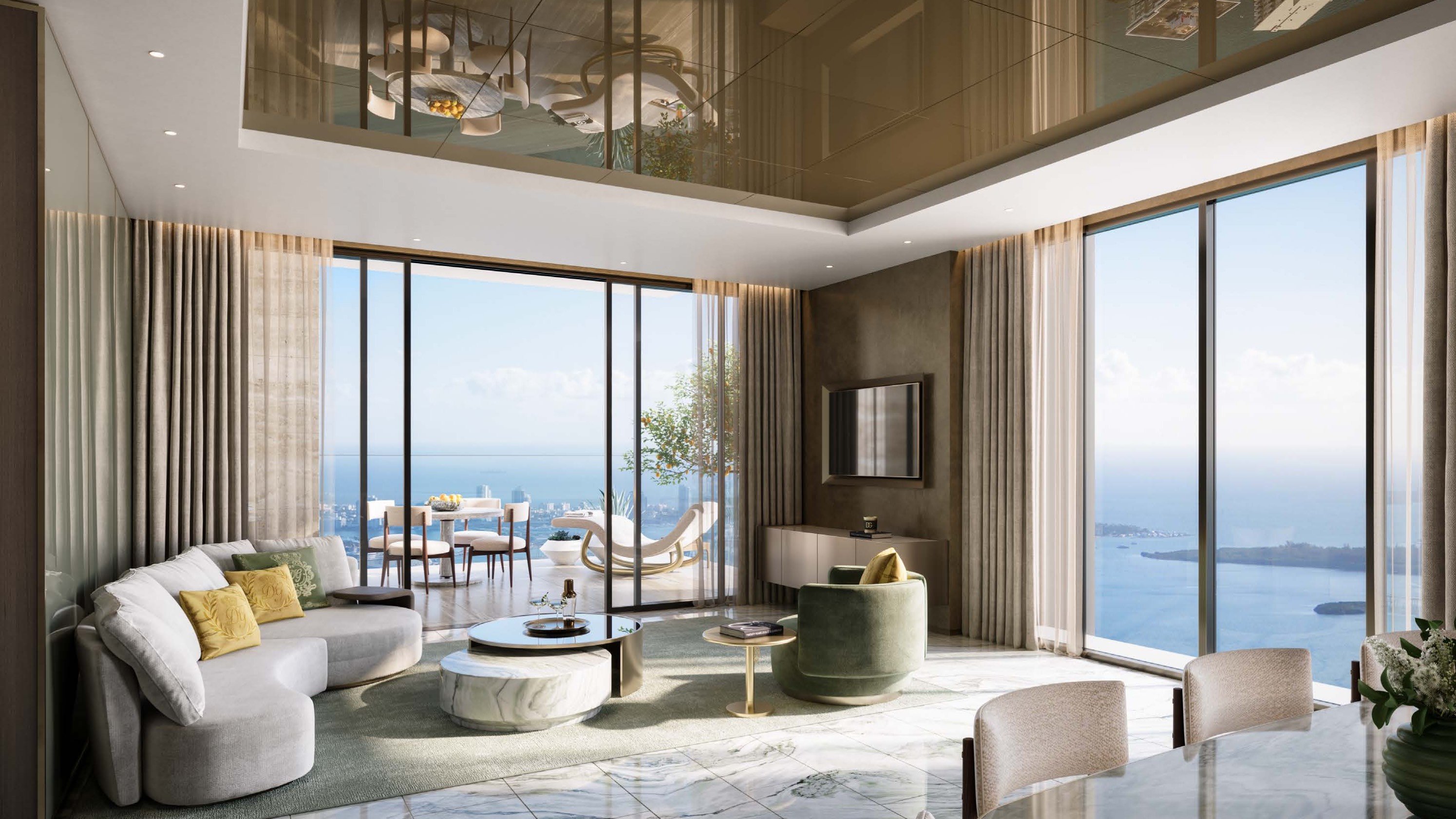
A shade scene is not merely a button that raises or lowers fabric. It is a pre-programmed environmental mood. Morning can lift sheer shades in the breakfast area while keeping bedrooms soft. Afternoon can filter glare in a study without darkening the entire home. Evening can close selected exposures for privacy while preserving skyline or water views from the main salon. The value is not automation alone; it is whether the automation understands the residence.
This is particularly important in homes with expansive glazing, deep terraces, open entertaining plans, and multiple exposures. A residence may look flawless during a noon showing, then behave very differently at sunset, during a bright weekend brunch, or after the city lights appear. The buyer who reviews scenes early gains a clearer understanding of comfort, livability, and the sophistication of the smart-home design.
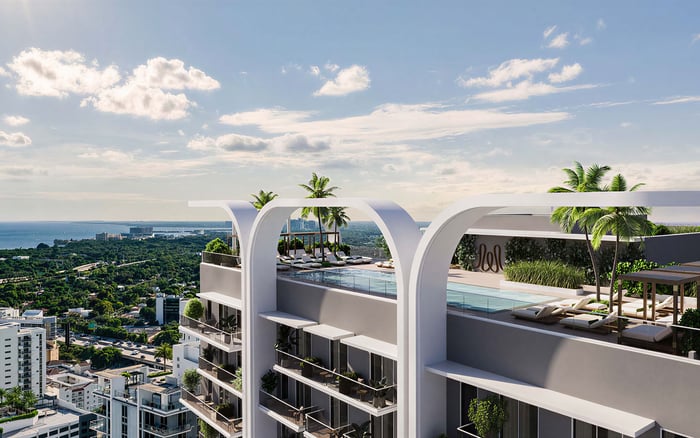
South Florida light is beautiful, but it is not passive. It changes a room minute by minute, especially across water, pale stone, high-gloss millwork, and glass guardrails. In a Brickell tower, the issue may be reflected glare bouncing between buildings. In a Sunny Isles home, direct afternoon sun may shape how the primary suite, living room, and terrace doors are used. For an oceanfront residence, light can arrive with both brilliance and reflection, turning a calm room into a stage if the shade logic has not been properly considered.
The most elegant smart residences do not simply block light. They edit it. Sheer shades may preserve views while muting glare. Blackout shades may support sleep, cinema, or guest privacy. Dual systems may allow a room to move from luminous to secluded without visual clutter. The critical question is whether the programmed scenes match the way the owner will actually live.
A buyer should experience the residence during different parts of the day whenever possible. If that is not practical, the review should still include a precise conversation about exposures, fabric opacity, pocket details, control zones, and scene options. The aim is not to become a systems technician. The aim is to know whether the home will feel effortless after move-in.
Privacy in a luxury smart residence is layered. It is not only about whether a neighbor can see into the living room at night. It is also about how the home handles staff arrivals, dinner guests, children, work calls, terrace use, and the owner’s preference for discretion.
A strong shade plan usually separates public, private, and transitional zones. The foyer may require a different response from the dining room. A bath with dramatic glass may need immediate privacy, while a water-facing lounge may remain open until later in the evening. Bedrooms require special attention, especially when corner glass, terrace access, or neighboring towers create complex sightlines.
In high-floor residences, buyers sometimes assume privacy is automatic. It is not. Height can reduce street-level exposure, but it can also create long sightlines from other towers, hotel rooms, or distant residences. Shade scenes should be evaluated with evening lighting on, not only in daylight. A beautifully illuminated interior can become highly visible unless the scenes are intelligently calibrated.
Designers often plan rooms around views, art, seating groups, and surface materials. Motorized shade scenes influence all of them. If a living room has collectible art, delicate textiles, or custom millwork, the shade system becomes part of the preservation strategy. If a media wall faces bright glass, the afternoon scene may determine whether the space functions without frustration. If the dining area is meant to glow at night, shade opacity and color can affect the entire atmosphere.
The best review happens before final design assumptions are locked. Buyers should ask where shade pockets are located, how tracks are detailed, whether the fabrics align with the architecture, and how shades look when fully deployed. A system that operates smoothly but appears visually heavy may not suit a minimalist interior. A fabric that looks crisp in a sample book may feel too opaque against a cherished view.
For new-construction buyers, this review is especially valuable because there may still be an opportunity to ask sharper questions before closing or customization. Even when selections are already set, understanding the system early helps owners plan lighting, furnishings, and art placement more intelligently.
A true smart residence is not a collection of isolated devices. Shades should speak fluently with lighting, climate, and security settings. The morning scene might raise selected shades, bring soft lighting to circulation areas, and support a cooler bedroom-to-kitchen transition. The away scene might lower vulnerable exposures, reduce solar gain, and create a discreet sense of occupancy. The entertaining scene might keep the main living areas open to the view while closing service or bedroom zones.
This is where buyers should listen for specificity. Generic labels such as “day,” “night,” and “away” may be useful, but only if the system can be tailored. A refined home recognizes nuance. It knows the difference between weekday breakfast and a formal dinner, between a child’s nap and a late film, between terrace cocktails and quiet reading.
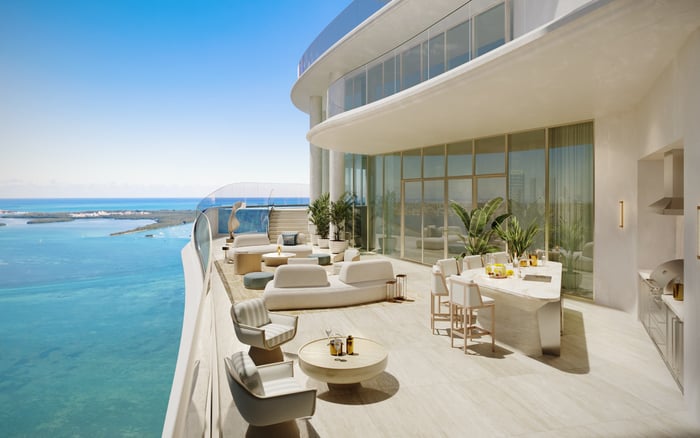
Balcony living adds another layer. When doors open, the relationship between indoor shade positions, exterior light, and reflections can change quickly. A scene that works while the residence is sealed may feel awkward when guests move between indoor seating and the terrace. The review should include how shades behave near sliders, corner glass, and large openings.
Before choosing a smart residence, buyers should request a practical demonstration of shade scenes. The demonstration should include the primary bedroom, main living area, kitchen or breakfast zone, baths with exposure, and any room intended for work or media. It should also show manual override, wall controls, app controls, and any voice or keypad logic already contemplated.
Ask how many independent zones exist and whether they make sense architecturally. A single broad zone across a long glass wall may be less useful than several carefully divided zones. Ask whether shades can stop at intermediate positions, not just fully open or closed. Ask what happens during a power or network interruption. Ask whether the system can be serviced without disrupting finished ceilings or custom millwork.
The goal is not to reject a residence because a scene needs refinement. The goal is to understand whether the smart-home foundation has been designed with the same level of intention as the finishes, amenities, and view corridors.
Reviewing motorized shade scenes before choosing a smart residence gives buyers leverage of a subtle but meaningful kind. It reveals how the home behaves when life is in motion. It also clarifies whether the smart features are genuinely integrated or merely present.
For Miami Beach, Brickell, Sunny Isles, and other glass-forward markets, shade intelligence can separate a beautiful residence from a deeply livable one. The difference may be most apparent in small moments: waking without harsh light, hosting without glare, working without reflection, and ending the evening with privacy that feels seamless rather than defensive.
Luxury is increasingly measured by what does not require effort. The right shade scenes disappear into the day, quietly adjusting the home to its owner. That is why they should be reviewed early, carefully, and with the same seriousness given to floor plan, view, and finish.
What is a motorized shade scene? A motorized shade scene is a preset that moves selected shades to specific positions for a particular moment, such as morning, evening, entertaining, or privacy.
Why should I review shade scenes before choosing a residence? Shade scenes affect comfort, privacy, glare, and atmosphere. Reviewing them early helps you understand how the home will feel in daily use.
Are motorized shades only important for high-rise condos? No. They matter in any glass-forward residence, including waterfront homes, penthouses, and low-rise residences with strong sun exposure.
What rooms should be included in a shade demonstration? Focus on the main living area, primary suite, work areas, media spaces, exposed baths, and any room with large glass or terrace access.
Should shades be integrated with lighting? Yes. The most refined scenes coordinate shades and lighting so the residence changes mood without requiring multiple separate commands.
Do blackout shades matter in a luxury residence? They can be essential in bedrooms, media rooms, and guest suites. The key is whether blackout coverage is discreet and complete.
Can shade scenes protect interiors? They can help manage light exposure for art, fabrics, and finishes. Buyers should still consider materials, placement, and professional care.
What is a common mistake buyers make? Many buyers admire the view but do not test glare, privacy, or evening visibility. Those conditions often reveal how well the system is planned.
Can scenes usually be customized after move-in? Many systems are designed for adjustment, but the level of flexibility depends on zones, controls, wiring, and the installed platform.
What should define a successful shade system? It should feel quiet, intuitive, attractive, and specific to the residence. The best systems support the owner’s routine without calling attention to themselves.
When you're ready to tour or underwrite the options, connect with MILLION.
If branded residences are on your mind — as a home or as an allocation — we would be glad to share what we are seeing, privately.
Begin a quiet conversation