A buyer-focused comparison of Ocean House Surfside and St. Regis® Residences Sunny Isles, framed around ownership discretion, association governance, service economics, and 10- to 20-year residential fit.
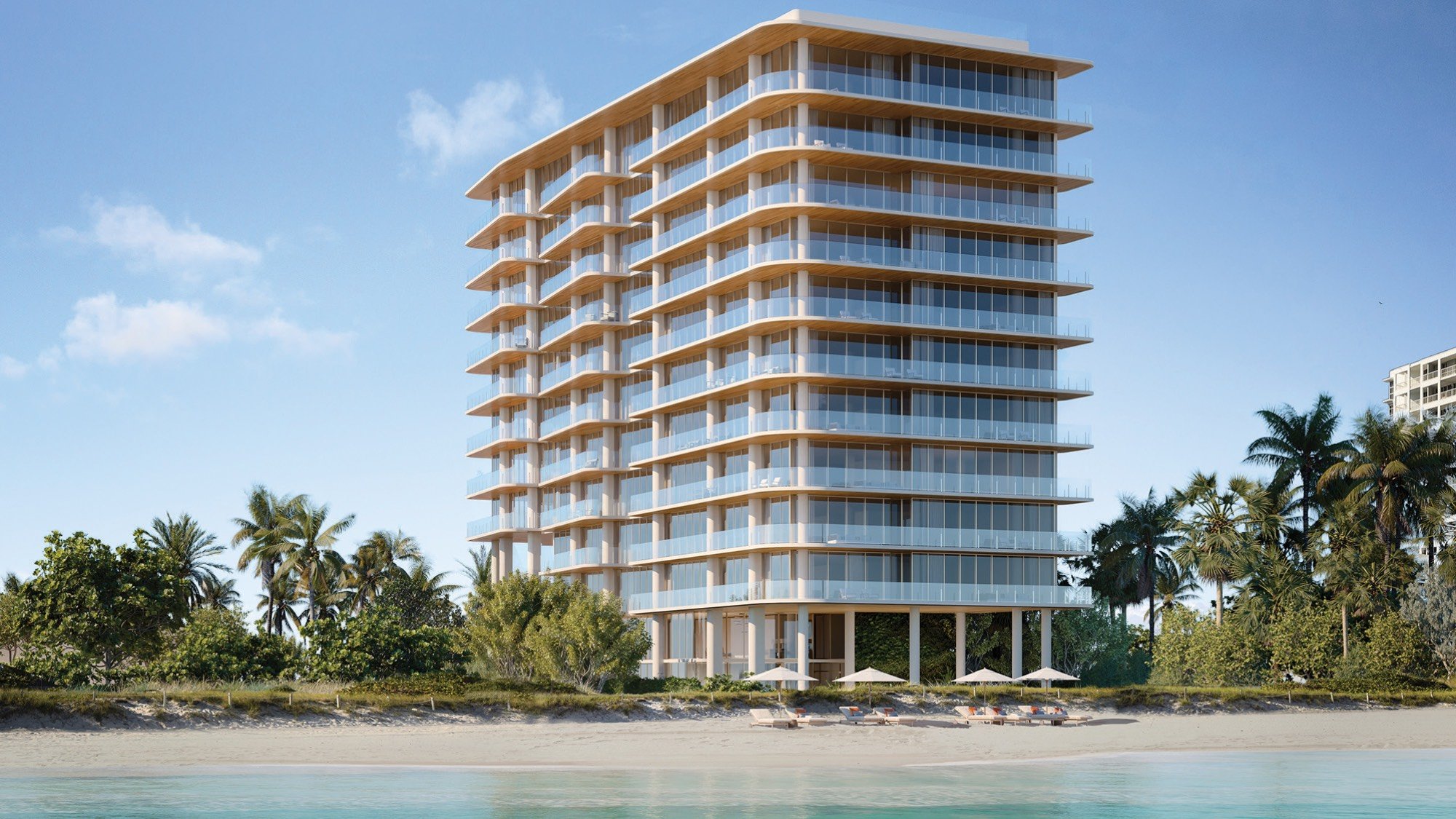
Ocean House Surfside and St. Regis® Residences Sunny Isles sit within the same broad luxury oceanfront conversation, but they should not be underwritten as substitutes. The sharper distinction is structural. Ocean House Surfside belongs in the boutique Surfside condominium category, where the appeal centers on privacy, neighborhood intimacy, and a quieter residential atmosphere. St. Regis® Residences Sunny Isles, by contrast, should be assessed as a branded luxury residential tower in Sunny Isles Beach, where service structure, tower presence, and name recognition help define the proposition.
That difference matters because the purchase is not simply about views, finishes, or arrival sequence. It is about how ownership will function. A buyer drawn to Ocean House Surfside may be prioritizing calm, familiarity, and a more residential rhythm. A buyer considering St. Regis® Residences Sunny Isles may be seeking formalized service delivery, organized amenity programming, and the identity of a branded high-rise. Both can be compelling. Each asks a different underwriting question.
For buyers comparing branded residential models across South Florida, St. Regis® Residences Brickell is a separate Miami reference point, not a substitute for Sunny Isles Beach diligence.
For both properties, ownership flexibility begins with the condominium documents. The key areas include rental rules, guest-use policies, transfer restrictions, alteration approvals, and association governance. These are not secondary details. They determine how an owner can use, lend, lease, modify, and eventually resell the residence.
At Ocean House Surfside, flexibility may feel intuitively greater because the setting is quieter and more residential. That assumption should be tested. Smaller buildings can offer familiarity and discretion, but they can also carry specific rules designed to preserve culture and continuity. Buyers should examine how the association treats guest occupancy, renovation work, contractor access, and any approvals that may affect lifestyle changes over time.
At St. Regis® Residences Sunny Isles, the diligence lens is different. Brand value is partly tied to consistency. Buyers should examine how service protocols, design controls, and management structures affect owner discretion. The same framework that supports service quality may also shape what owners can do inside and around their residences.
In ultra-luxury condominiums, rules are not merely restrictions. They can be part of the value proposition. A well-governed building can protect quiet enjoyment, preserve design integrity, and maintain the sense of order many luxury buyers expect. The tradeoff is that governance can limit spontaneity.
Ocean House Surfside should be reviewed for how a smaller ownership base influences the lived experience. Fewer owners may support a more intimate community, but buyers should diligence whether fewer households also means fewer participants sharing fixed operating, staffing, reserve, insurance, and maintenance costs. The appeal of oceanfront calm should be matched with a realistic view of budget mechanics.
St. Regis® Residences Sunny Isles should be reviewed for the opposite reason. A branded tower may offer formalized services and operational depth, but those services require staffing, systems, and standards. Buyers should assess whether the association structure, service model, and management requirements align with their expected use pattern, whether full-time residence, seasonal occupancy, or long-term hold.
The best underwriting question is not, “Which building has more amenities?” It is, “Which building will still suit the owner 10 to 20 years from now?” Ocean House Surfside is best evaluated by testing day-to-day residential fit. Does the buyer want a quieter lobby, a more familiar building culture, and a slower Surfside rhythm? If so, Ocean House Surfside may align with a lifestyle centered on calm and continuity.
St. Regis® Residences Sunny Isles will likely appeal to buyers who value tower presence, organized services, and a more formal residential experience. The question is whether that formality will remain a benefit throughout the holding period. For some owners, brand standards and service protocols are precisely the point. For others, they may feel more structured than necessary once the initial appeal fades.
Long-term underwriting for both should include HOA economics, reserve exposure, service-cost inflation, physical coastal risk, livability over 10 to 20 years, and exit-market depth. These considerations are especially important in South Florida, where insurance, maintenance, staffing, and coastal resilience are not abstract issues. They shape carrying costs and buyer confidence.
Investment analysis here should be personal as well as financial. Ocean House Surfside may attract buyers who want the discretion of Surfside without the grand choreography of a branded resort-style tower. That can support a strong lifestyle thesis for owners who prize privacy and a lower-key residential setting.
St. Regis® Residences Sunny Isles may draw a different buyer pool, including those who want a luxury name and an elevated service environment. The brand can add clarity to the story, but it should not replace diligence. The owner should understand how the brand is administered, what discretion is retained, and how operating obligations may evolve.
The core comparison is therefore boutique oceanfront living in Surfside versus branded high-rise oceanfront living in Sunny Isles Beach. Neither is universally superior. The right answer depends on the owner’s tolerance for structure, appetite for service, desired privacy, and confidence in long-term association economics.
Before signing, buyers should request and review the governing documents, current or projected budgets, reserve approach, insurance assumptions, alteration procedures, rental provisions, guest policies, and any management or service obligations that affect owner use. They should also ask how decisions are made, how disputes are handled, and what level of owner control exists over future building operations.
The most sophisticated purchase process treats association rules as seriously as floor plan, view, and finish. In this segment of the market, a residence is not only private space. It is participation in a managed residential ecosystem.
Is Ocean House Surfside more private than St. Regis® Residences Sunny Isles? It should be evaluated as a boutique Surfside oceanfront condominium, with likely appeal tied to privacy, intimacy, and a quieter atmosphere.
Is St. Regis® Residences Sunny Isles mainly a brand-driven purchase? Its core value proposition is tied to branded-residence living, service structure, and luxury name recognition.
Which property offers more ownership flexibility? That cannot be assumed from style alone. Buyers should review rental rules, guest-use policies, transfer restrictions, alteration approvals, and governance.
Why do association rules matter so much? They shape daily use, renovation freedom, leasing options, guest access, and the owner’s practical control over the residence.
Could a smaller building have higher shared-cost sensitivity? Yes. Buyers should diligence whether fewer owners are sharing fixed operating, staffing, reserve, and maintenance costs.
What should buyers examine at St. Regis® Residences Sunny Isles? They should study how brand standards, service protocols, design controls, and management structures affect owner discretion.
Which is better for a full-time resident? Ocean House Surfside may suit buyers seeking calm and familiarity, while St. Regis® Residences Sunny Isles may suit those who prefer formal service.
What long-term risks should both buyers consider? HOA economics, reserve exposure, service-cost inflation, physical coastal risk, livability, and exit-market depth all deserve attention.
Is amenity count the best way to compare them? No. The stronger comparison focuses on lifestyle fit, association structure, ownership discretion, and carrying-cost resilience.
What is the best way to shortlist comparable options for touring? Start with location fit, delivery status, and daily lifestyle priorities, then compare stacks and elevations to validate views and privacy.
For a confidential assessment and a building-by-building shortlist, connect with MILLION.
If branded residences are on your mind — as a home or as an allocation — we would be glad to share what we are seeing, privately.
Begin a quiet conversation