A practical, luxury-minded guide for family buyers weighing Brickell and Downtown Miami before private tours, with emphasis on daily rhythm, layouts, amenities, schools, pets, and long-term fit.

For many luxury buyers, the Brickell versus Downtown Miami question begins with a view. For family buyers, it should begin with a weekday morning. Before the private elevator, water outlook, or designer lobby, the more revealing test is simple: how does the home perform between 6:45 a.m. and 8:30 a.m., and again between school pickup and dinner?
Brickell and Downtown both offer an urban Miami life, but they can feel notably different once a family moves from occasional visits to daily use. Brickell is often perceived as the more residential financial district, with a polished condominium rhythm and a strong emphasis on convenience. Downtown can feel more civic and cultural, with a broader mix of buildings, streetscapes, and urban energy. Neither is automatically better. The right answer depends on your family’s habits, school planning, tolerance for movement, and appetite for a more vertical lifestyle.
A successful tour should not be treated as a beauty contest. It should be a controlled rehearsal of daily life.
Brickell tends to appeal to families that want urban living to feel organized. The appeal is less about novelty than repeatability. If one parent works nearby, if daily errands are concentrated within a compact radius, or if a family values the efficiency of a full-service building, Brickell can make a strong case.
When touring, pay close attention to how the building handles arrival and departure. A stunning residence can lose appeal if the morning elevator pattern, valet sequence, loading area, or school-run exit feels strained. Families should ask how many elevators serve the residential stack, whether there is a separate service flow, and how guest arrivals are managed during busy periods.
Inside the residence, Brickell buyers should evaluate whether the plan supports real family life. A deep terrace may be beautiful, but bedroom separation, acoustic privacy, storage, and a proper laundry area often matter more over time. If the home has a den, ask whether it functions as a true homework room, nursery, staff room, or media space, rather than merely a marketing label.
The best Brickell choice is often the one that makes an ordinary day feel calm.
Downtown Miami can be compelling for families that want the city to feel layered rather than uniform. It may suit buyers who appreciate a more varied urban experience, a sense of movement, and access to different cultural, professional, and social settings within a compact core.
The touring lens should be slightly different here. Instead of asking only whether the building is luxurious, ask whether the immediate approach feels compatible with your family at different hours. Visit in the morning, late afternoon, and evening if possible. Notice the tone of the lobby, the sidewalk experience, the garage entry, and the transition from car to residence.
Downtown may also attract families seeking value in space, height, or view orientation, depending on the building and line. Yet the same rule applies: the plan must work when life is not staged. A family residence should have places to gather and places to retreat. It should allow a child to sleep while adults entertain quietly. It should have storage that anticipates sports gear, strollers, luggage, seasonal clothing, and the inevitable accumulation that comes with a lived-in home.
Downtown can reward buyers who are comfortable with energy and who tour with precision.
For family buyers, school planning should be part of the first conversation, not a later adjustment. Whether the priority is a private-school path, a specific commute pattern, or flexibility for future years, the residence must be tested against the calendar your family actually keeps.
Do not tour only on a quiet weekend. If school drop-off is part of your life, simulate it. Time the drive or walk from the building entrance, not from a map point. Consider where a driver waits, where a caregiver meets the children, and whether the building staff can support the daily choreography with discretion.
Families with young children should also think beyond the current year. A toddler’s needs are different from a middle schooler’s. A residence that feels perfect for a couple with an infant may feel compressed once homework, friends, activities, and separate sleep schedules enter the picture. The strongest purchase is the one that can absorb change without requiring an early move.
Amenities can be seductive, but family buyers should separate display amenities from daily-use amenities. A pool matters if it is practical, governed by common-sense rules, and easy to access with children. A children’s room matters if it is maintained, well located, and appropriate for the ages in your household. A fitness center matters if parents can realistically use it without turning every workout into a logistical event.
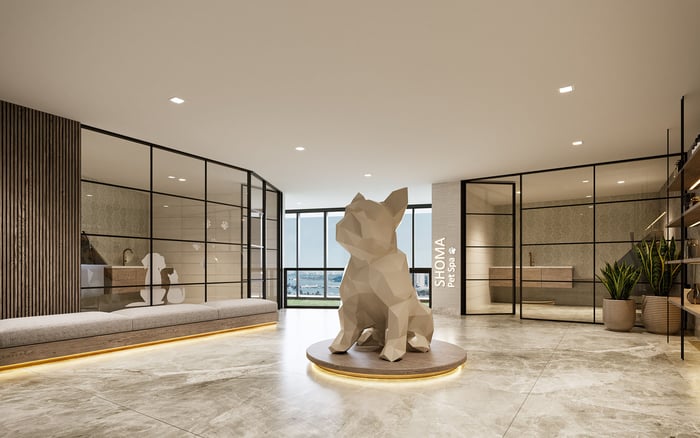
The same applies to pets. A pet-friendly building is not defined only by permission. Families should ask about elevator etiquette, relief areas, size policies, cleaning standards, and how the building handles multiple pets in peak hours. In a luxury tower, the unseen operating culture can matter as much as the visible amenity deck.
Also review package handling, bicycle storage, stroller storage, guest parking, housekeeping access, and rules for tutors, caregivers, chefs, and extended family. These details may feel secondary during a glamorous showing, but they shape daily comfort.
A practical touring brief might read: Brickell for routine, Downtown for urban texture, private-school alignment, new-construction scrutiny, pool access, and pets policy. That list is not glamorous, but it is how sophisticated families avoid costly compromises.
New-construction residences can offer modern layouts, fresh systems, contemporary amenities, and a sense of arrival that appeals to buyers who want a turnkey urban life. For families, the key is to look beyond finishes and study proportions. Are secondary bedrooms genuinely livable? Is there a family dining area? Can the den close off? Is the kitchen designed for daily meals or only for entertaining?
Established buildings can offer their own advantages, including proven operations and a clearer sense of resident culture. When touring an existing tower, observe how staff interacts with residents, how common areas are maintained, and whether families appear to use the building comfortably.
In both cases, ask about rules. Renovation limitations, move-in procedures, rental policies, pet restrictions, amenity hours, and guest protocols all affect the experience of owning as a family. The most refined building is not always the best family building. The best family building is one whose rules match the way you live.
Arrive with a written brief and rank your priorities before entering the first lobby. Separate must-haves from preferences. Must-haves might include three true bedrooms, secure parking, staff access, school commute logic, and outdoor space. Preferences might include a certain view, a particular floor height, or a specific amenity aesthetic.
During the tour, spend more time in the least glamorous places: the garage, elevator bank, service corridor, laundry area, closets, and secondary bedrooms. Stand in the kitchen and imagine a school morning. Stand in the primary suite and listen. Step onto the terrace and consider safety, wind, privacy, and usability.
After each showing, write down what would frustrate you on an ordinary Tuesday. Luxury buyers are often trained to remember what impressed them. Family buyers should remember what might repeat every day.
Is Brickell better than Downtown Miami for families? It depends on your routine. Brickell may suit buyers seeking convenience, while Downtown may suit those wanting a more varied urban setting.
Should family buyers tour during the week? Yes. A weekday visit reveals traffic flow, elevator use, lobby rhythm, and school-run practicality more clearly than a quiet weekend.
What matters most in a family condo layout? Bedroom separation, storage, laundry placement, acoustic privacy, and a flexible den often matter more than decorative finishes.
Are amenities important for family buyers? Yes, but only if they are usable. Families should evaluate access, rules, hours, maintenance, and whether children can use the spaces comfortably.
How should buyers compare school commutes? Test the commute from the actual building entrance at the time your family would travel, not from a map estimate.
Is new construction always better for families? Not always. New construction may offer modern comforts, but established buildings can provide proven operations and resident culture.
What should pet owners ask before buying? Ask about pet size rules, elevator etiquette, relief areas, cleaning standards, and how the building manages peak-hour pet traffic.
Does floor height matter for families? It can. Higher floors may offer views, while lower floors can sometimes feel more convenient for frequent daily movement.
What is the biggest touring mistake families make? Many buyers focus on views and finishes before testing the residence against school, storage, staff, parking, and daily routines.
What is the best way to shortlist comparable options for touring? Start with location fit, delivery status, and daily lifestyle priorities, then compare stacks and elevations to validate views and privacy.
To compare the best-fit options with clarity, connect with MILLION.
If branded residences are on your mind — as a home or as an allocation — we would be glad to share what we are seeing, privately.
Begin a quiet conversation