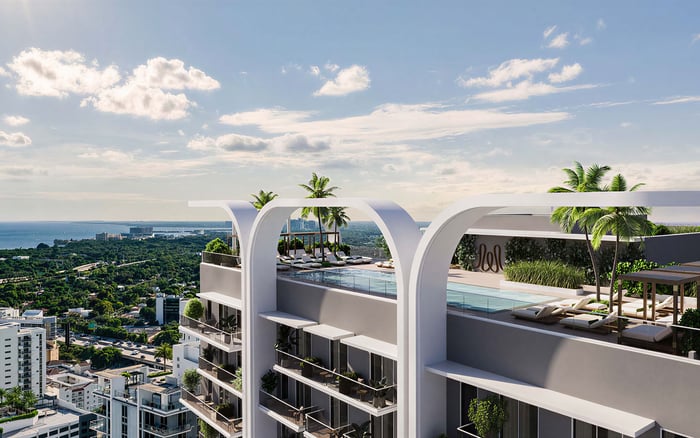
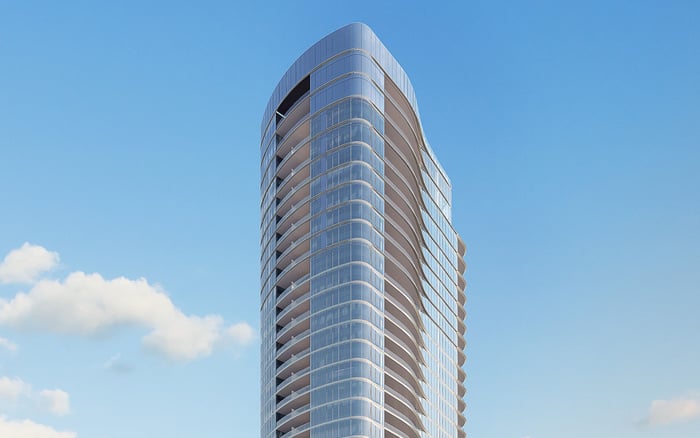
A buyer-oriented look at why sunrise exposure in South Florida luxury condos should be evaluated for comfort, preservation, privacy, and long-term livability, not only beauty.
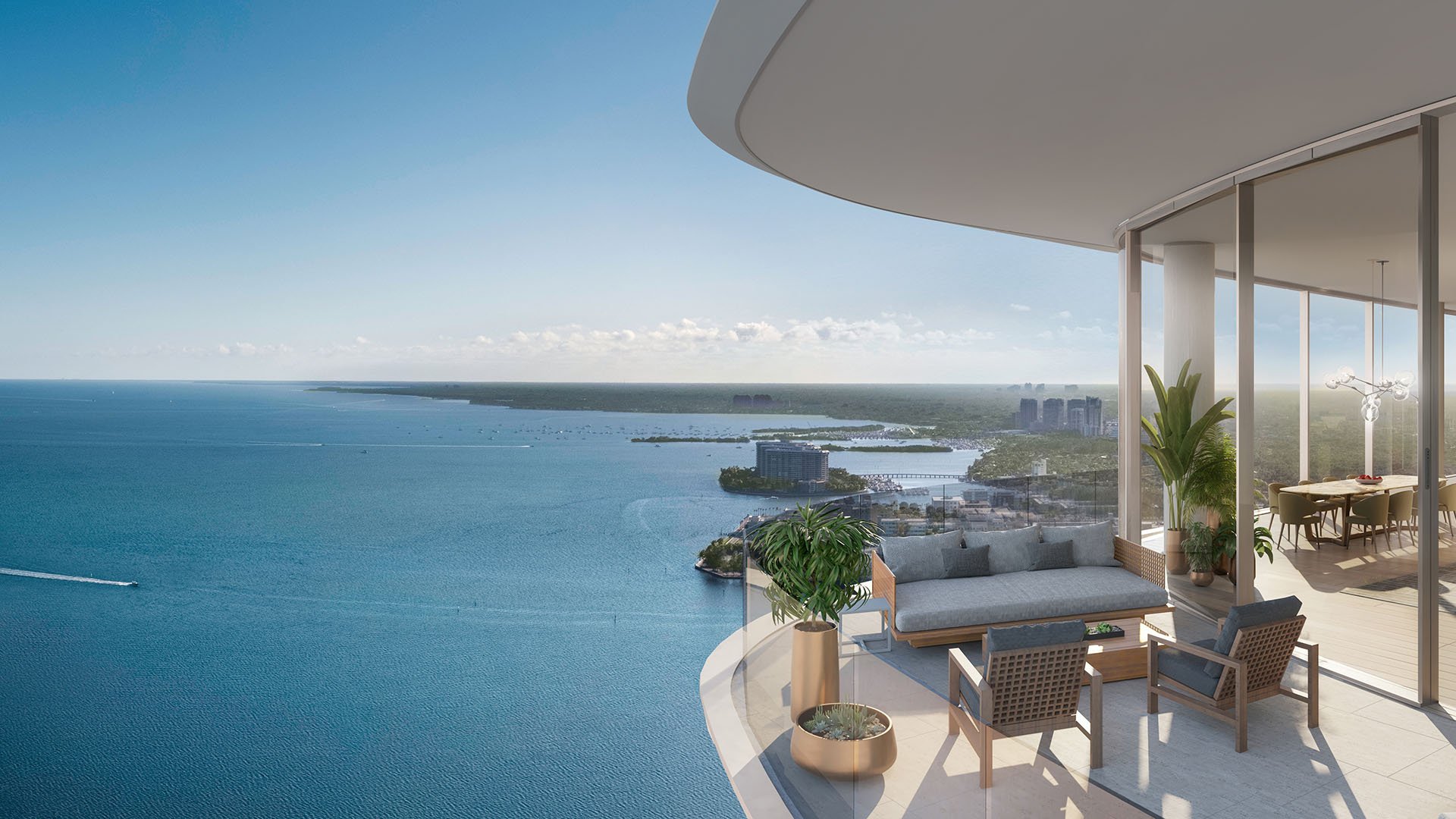
Sunrise light is one of South Florida’s great residential luxuries. It arrives before the city is fully awake, washing glass, stone, water, and sky in a softer register than afternoon sun. For many buyers, that first hour is the emotional moment that sells a residence. The room feels alive. The view feels private. The day begins with ceremony.
Yet in a luxury condominium, sunrise exposure is not only an aesthetic feature. It is also a quiet risk question. The same orientation that delivers radiant mornings may shape how a bedroom sleeps, how a living room performs, how artwork is protected, how terraces are used, and how much control an owner has over glare, heat, and privacy. The point is not to avoid eastern light. It is to evaluate it with the same seriousness one brings to ceiling height, elevator privacy, valet flow, and building service.
In buyer vocabulary, this often intersects with Brickell, Miami Beach, Sunny Isles, oceanfront, high-floor, and balcony priorities. Those ideas sound simple, but the lived experience behind them can be highly nuanced.
Morning light has a distinct psychological value. It suggests freshness, wellness, order, and rhythm. In waterfront towers, it can make Biscayne Bay, the Atlantic, or an inland waterway feel almost cinematic. In urban settings, it gives glass towers a reflective elegance before traffic, meetings, and dinner reservations take over the day.
For second-home owners, sunrise may carry even more weight. Many do not arrive in South Florida to replicate the tempo of their primary city. They come for an altered sense of time. A sunrise-facing residence can make coffee, a swim, a quiet call, or a terrace breakfast feel like the central amenity.
But beauty is not the same as compatibility. A residence that photographs beautifully at 7:30 a.m. may not be the right fit for an owner who sleeps late, collects sensitive works, prefers dark bedrooms, or uses a great room primarily for early video calls. The risk is subtle because it is not usually visible in a floor plan. It reveals itself through routine.
The first variable is glare. In residences with broad window walls, a clear sunrise can become intense when it reflects off water, neighboring glass, pale flooring, or polished stone. The effect may be spectacular for a few minutes and inconvenient for an hour. This matters in kitchens, breakfast areas, primary bedrooms, home offices, and media spaces.
The second variable is thermal comfort. Even when a building is engineered to a high standard, direct morning sun can alter how a room feels at the exact time an owner expects ease. Window treatments, glass specification, HVAC zoning, ceiling fans, and furniture placement all become part of the experience.
The third is sleep. A sunrise-facing primary suite can be ideal for an early riser and imperfect for someone who returns from a late dinner or international flight. Blackout treatments are not an afterthought in this context. They are part of the architectural performance of the residence.
The fourth is preservation. Collectors and design-driven owners should think carefully about fabrics, rugs, woods, leathers, photographs, and works on paper. The answer is not necessarily to reject morning light. It is to plan the interior as a responsive environment, with filtration, placement, and rotation treated as serious design decisions.
In Brickell, sunrise light can be especially layered because water, skyline, and glass often meet in close conversation. A buyer considering The Residences at 1428 Brickell should think beyond whether the view feels dramatic. The more useful question is how the residence behaves from waking through the first appointments of the day.
A bay-facing morning can be extraordinary, but the practical review should include shade control, office placement, breakfast seating, screen visibility, and whether the principal bedroom can truly become dark on demand. Buyers often focus on sunset entertaining, yet the owner’s private life may be shaped more by the first two hours after dawn.
The same lens applies to Una Residences Brickell, where water-oriented living invites a different evaluation than a purely urban address. Morning exposure should be experienced from standing height, seated height, and the bed itself. Light that feels gracious from the foyer may be more assertive at a desk or pillow.
Along Miami Beach and the oceanfront corridor, eastern exposure is often treated as the classic prize. The Atlantic horizon supplies clarity and drama. The earliest light can make a residence feel suspended between sea and sky. In homes such as 57 Ocean Miami Beach, the sunrise conversation naturally centers on wellness, calm, and connection to the beach.
Still, the oceanfront buyer should ask a precise question: will I use this light, or will I manage it? A morning swimmer may adore it. A collector may need tighter control. A family with young children may welcome the rhythm during school weeks and resist it during holidays. A host may love the daytime glow and still require a more controlled evening atmosphere.
In Sunny Isles, towers such as St. Regis® Residences Sunny Isles reinforce the same principle. The more spectacular the glass and horizon, the more important it becomes to understand the interplay between exposure, privacy, and interior planning.
Sunrise is not only about the sun. It is about what the light touches. In dense waterfront and urban settings, morning illumination can increase visibility into and out of a residence. Reflections off adjacent buildings may change the mood of a room. A tower that feels private at noon may feel more exposed at dawn, when interior lights remain on and the exterior world is still dim.
This is where a buyer benefits from visiting at the actual hour of intended use. An afternoon showing cannot answer a morning question. If the residence will be used for early workouts, calls with Europe, breakfast with children, or quiet reading, those scenarios deserve direct testing.
At boutique-scaled buildings, including properties such as The Delmore Surfside, the question may be less about height and more about proportion, setback, and the relationship between indoor rooms and outdoor edges. Privacy is not a single feature. It is a daily condition.
The best sunrise residences do not fight the morning. They edit it. Layered window treatments allow an owner to move from blackout to filtered glow to open horizon. Pale interiors may amplify brightness, while richer textures can absorb it. Matte surfaces behave differently from polished surfaces. Seating should be arranged not only for the view, but also for comfort at the hour the room is most used.
Terraces require the same discipline. A balcony may be magical at dawn and exposed by breakfast. Furniture, planting, overhangs, and orientation matter. The buyer should not assume that outdoor square footage equals outdoor usability at every hour.
For high-floor residences, wind, glare, and openness can intensify the sensation of light. For lower exposures, neighboring structures, landscaping, and reflections can produce a more complex pattern. Neither is inherently superior. The right answer is personal, architectural, and seasonal.
Ask to experience the residence in the morning if the exposure is central to the purchase decision. Stand in the primary suite with the shades open and closed. Sit where the breakfast table, desk, and main sofa would go. Look for reflection, heat, shadow lines, and sightlines from neighboring buildings. Review where art would hang and where screens would be placed.
Then ask the lifestyle question: does this residence support the day I actually live, not the day I imagine for a photograph? In luxury real estate, the quiet risks are rarely dramatic. They are the small frictions that repeat. Sunrise light can be one of the most rewarding features in a South Florida condo, but only when it is chosen with intention.
Is sunrise exposure always a premium in South Florida? No. It can be highly desirable, but its value depends on lifestyle, room use, privacy, and the ability to control glare and brightness.
Should I tour an east-facing condo in the morning? Yes. If sunrise is part of the appeal, a morning visit is the most direct way to understand comfort, glare, and room behavior.
Can window treatments solve most sunrise issues? They can help significantly, especially when layered, but they should be planned as part of the residence rather than added casually.
Does sunrise light affect art and interiors? It can influence placement and preservation choices. Collectors should plan filtration, hanging locations, and material selections carefully.
Is an oceanfront sunrise different from a bayfront sunrise? Yes. Water, horizon, neighboring buildings, and reflections can create very different light conditions from one setting to another.
Are high-floor residences more exposed to morning light? They can feel more open and luminous, but the exact experience depends on orientation, glass, neighboring towers, and interior layout.
What rooms matter most when evaluating sunrise? Primary bedrooms, home offices, kitchens, breakfast areas, media rooms, and terraces deserve the closest attention.
Can sunrise exposure help resale appeal? It may appeal to many buyers, but the strongest resale story is a residence where the light feels beautiful and well controlled.
Is a sunrise-facing balcony always usable? Not always. Comfort depends on shade, exposure, furniture placement, wind, privacy, and how the owner uses outdoor space.
What is the simplest question to ask before buying? Ask whether the morning light supports your actual routine. If it does, sunrise can become one of the residence’s defining pleasures.
For a discreet conversation and a curated building-by-building shortlist, connect with MILLION.
If branded residences are on your mind — as a home or as an allocation — we would be glad to share what we are seeing, privately.
Begin a quiet conversation