A cash purchase can move quickly, but double-height ceilings deserve a slower technical review. Buyers should verify the actual clear height, comfort systems, glazing, lighting access, association rules, and long-term livability before treating volume as pure luxury.
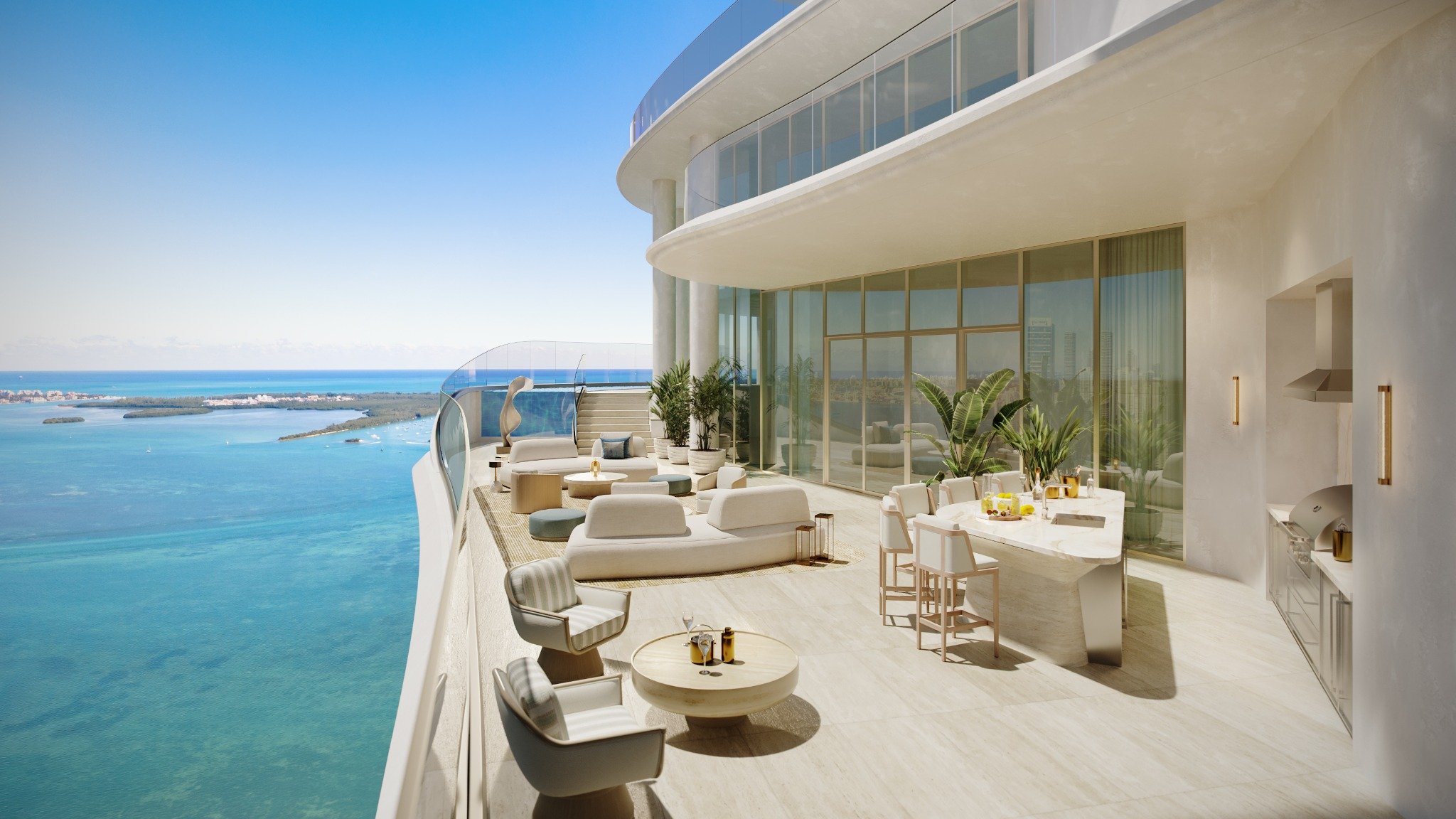
Double-height ceilings can change the entire emotional register of a residence. They invite larger art, taller glass, suspended lighting, and a sense of arrival that a standard room rarely delivers. For cash buyers, however, the absence of financing contingencies should not mean the absence of scrutiny. Volume is seductive, but it is also technical.
Across Brickell, Miami Beach, and other high-value enclaves, double-height living spaces often appear in penthouses, townhouse-style residences, and select duplex layouts. The visual promise is clear: a room that feels more like a private gallery than a conventional living area. What matters before closing is whether that promise is supported by drawings, systems, access, and everyday comfort.
A cash buyer can be exceptionally competitive, especially when timing matters. Still, the fastest buyer in the room should not be the least protected. Double-height ceilings deserve focused verification because they affect light, heat, sound, maintenance, furniture planning, window-treatment strategy, and resale presentation.
The first question is simple: what is the usable clear height? Marketing language can describe a space as double-height without telling a buyer what will actually be experienced after finished flooring, ceiling treatments, lighting, sprinklers, diffusers, speakers, motorized shades, or decorative installations are considered.
Ask for the relevant plans and finish details, then compare them with the physical residence. A few inches may not matter in a conventional room, but in a grand salon or penthouse living room, proportion is everything. If the room is intended to hold significant art, a sculptural chandelier, or tall millwork, exact dimensions should be confirmed before closing rather than assumed afterward.
Also verify whether the double-height zone is consistent across the full room or interrupted by soffits, beams, mechanical chases, or partial drops. A space can photograph with drama while still containing technical elements that limit furniture layouts, lighting positions, or wall use.
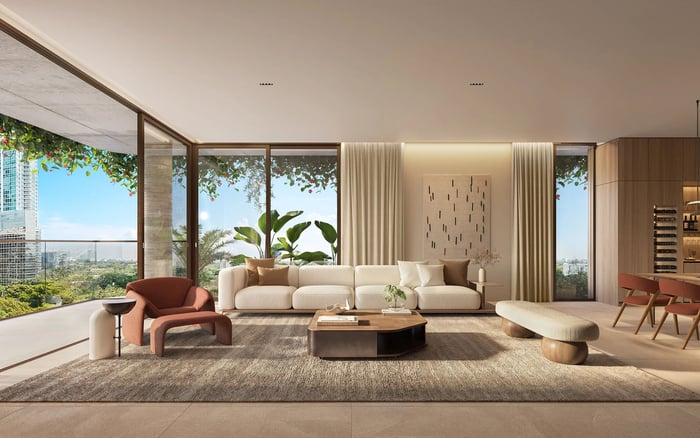
In South Florida, height and glass are inseparable from comfort. A double-height room with expansive glazing can feel luminous in the morning and theatrical at sunset, but it also requires disciplined review of shade, glare, and temperature control. Cash buyers should understand how the space performs throughout the day, not only during a showing.
Window treatments are especially important. Tall glass may require motorized systems, concealed pockets, specialized fabrics, or custom maintenance access. If those systems are already installed, confirm their operation and condition. If they are not installed, understand what the association allows, what electrical preparation exists, and whether the design can be executed cleanly without compromising the architecture.
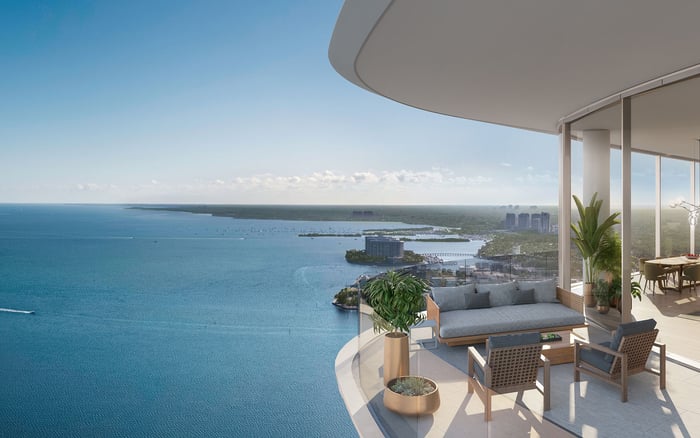
High floors can magnify both the beauty and the exposure of a room. The view may be extraordinary, but sunlight, reflection, and privacy should be tested from the actual living positions, not only from the center of the room. A balcony or terrace adjoining the space can add another layer of appeal, yet it can also influence glare, sight lines, and how the interior reads from neighboring buildings.
A tall room does not behave like a standard room. Air stratifies, sound travels, and mechanical systems may need to work differently to keep the space comfortable. Before proceeding, buyers should understand where supply and return air are located, whether the system has been balanced, and whether the room feels consistent from the seating area to the upper volume.
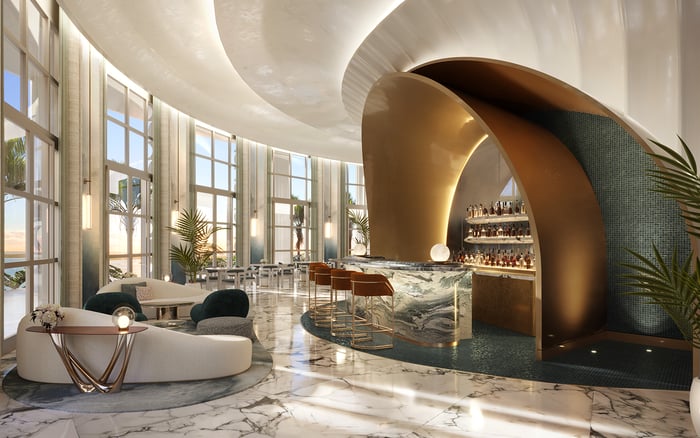
Acoustics are often overlooked because empty rooms can feel serene. Once furniture, stone, glass, art, and entertaining are introduced, sound may become livelier than expected. Buyers who host frequently should consider how conversation, music, and media will behave in the room. Rugs, textiles, wall finishes, drapery, and upholstery can soften the experience, but the underlying room geometry still matters.
This is not about reducing drama. It is about ensuring that grandeur remains comfortable. A space that looks spectacular but echoes, overheats, or feels unevenly conditioned can become less enjoyable than its photographs suggest.
Lighting is one of the most consequential elements in a double-height space. Recessed fixtures, coves, pendants, chandeliers, art lighting, and architectural washes may all sit far beyond everyday reach. Buyers should verify what is installed, how it is controlled, and how it will be serviced.
If a chandelier anchors the room, confirm its condition, mounting, access requirements, and whether it remains with the residence. If lighting is integrated into architectural details, ask how bulbs, drivers, lenses, and controls are accessed. A beautiful lighting plan that requires disruptive scaffolding for routine service may become an ongoing inconvenience.
Maintenance planning should also include glass cleaning, shade repair, speaker access, smoke-detector servicing, and any ceiling-mounted technology. These are not reasons to avoid a double-height room. They are reasons to price and plan for ownership accurately.
Luxury buyers often think first about design, but double-height spaces also intersect with life-safety and building rules. Confirm that sprinklers, alarms, smoke detection, railings, stairs, mezzanine edges, and any elevated openings are properly documented and functioning. If modifications have been made by a prior owner, verify that they were completed with the appropriate approvals.
Association rules can matter as much as the physical room. Some buildings may have guidelines for window treatments, exterior appearance, lighting visible from outside, construction hours, contractor access, and alterations affecting common elements. Whether evaluating new construction or resale, a buyer should understand these limits before planning a redesign.
Insurance and inspection professionals may also look closely at tall glass, stairs, railings, and custom installations. A cash buyer who bypasses lender requirements should still retain the discipline of independent review. The objective is not to slow the transaction unnecessarily. It is to know exactly what is being acquired.
The most revealing due diligence is practical. Stand in the room at different times if access permits. Sit where the primary sofa would go. Look toward the television wall, the art wall, the view, and the entry sequence. Imagine dinner guests arriving, children moving through the space, pets reacting to sound, and staff or vendors servicing shades and lights.
Consider furniture scale early. A double-height room can make standard furnishings feel undersized, which may lead to custom pieces, larger rugs, taller art, and more substantial lighting. That can be a pleasure for a collector or design-driven owner, but it should be part of the acquisition budget rather than an afterthought.
Finally, think about resale. Double-height volume is memorable, but the best examples feel balanced, not theatrical for its own sake. The room should have architectural clarity, comfort, and practical support. When those elements align, the ceiling height becomes more than a feature. It becomes the signature of the residence.
Should a cash buyer still inspect a double-height ceiling? Yes. Paying cash removes financing complexity, but it does not replace technical review of structure, systems, access, and comfort.
What is the first measurement to verify? Confirm the actual finished clear height, including any soffits, beams, lighting, sprinklers, or ceiling treatments that affect usable volume.
Are tall windows always an advantage? They can be extraordinary, but buyers should evaluate glare, privacy, heat, shade systems, and cleaning access before assuming they are effortless.
Why does HVAC matter more in a tall room? Air can behave differently in larger volumes, so comfort depends on proper supply, return, balancing, and system performance.
Can acoustics be corrected after closing? Often they can be improved with furnishings and finishes, but the room geometry should still be understood before purchase.
Should chandelier access be reviewed? Absolutely. Buyers should know how the fixture is mounted, controlled, cleaned, repaired, and whether specialized access is required.
Do association rules affect double-height spaces? They may. Window treatments, lighting, alterations, contractor access, and visible exterior elements can all be subject to building rules.
Is double-height volume better for resale? It can strengthen memorability and presentation, but only when the space is comfortable, proportioned, and practical to maintain.
What should art collectors verify? They should confirm wall dimensions, light exposure, hanging surfaces, climate comfort, and how large works will be installed safely.
Is a double-height ceiling worth the extra diligence? For many luxury buyers, yes. The goal is to preserve the drama while confirming that ownership will feel as refined as the architecture.
If you'd like a private walkthrough and a curated shortlist, connect with MILLION.
If branded residences are on your mind — as a home or as an allocation — we would be glad to share what we are seeing, privately.
Begin a quiet conversation