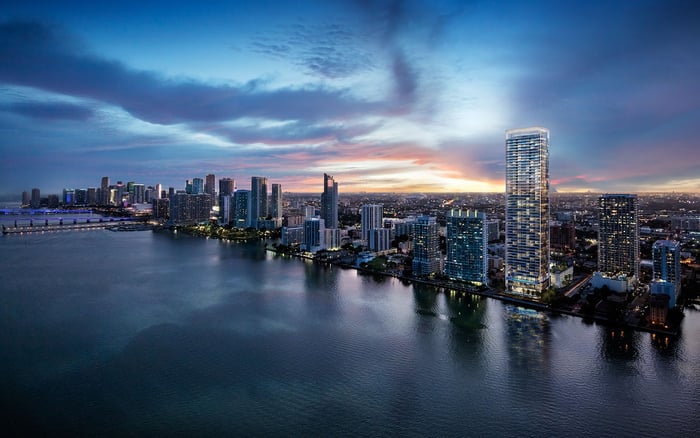
A practical underwriting guide for affluent South Florida buyers and owners evaluating façade cleaning, access, materials, reserves, and service expectations in 2026.
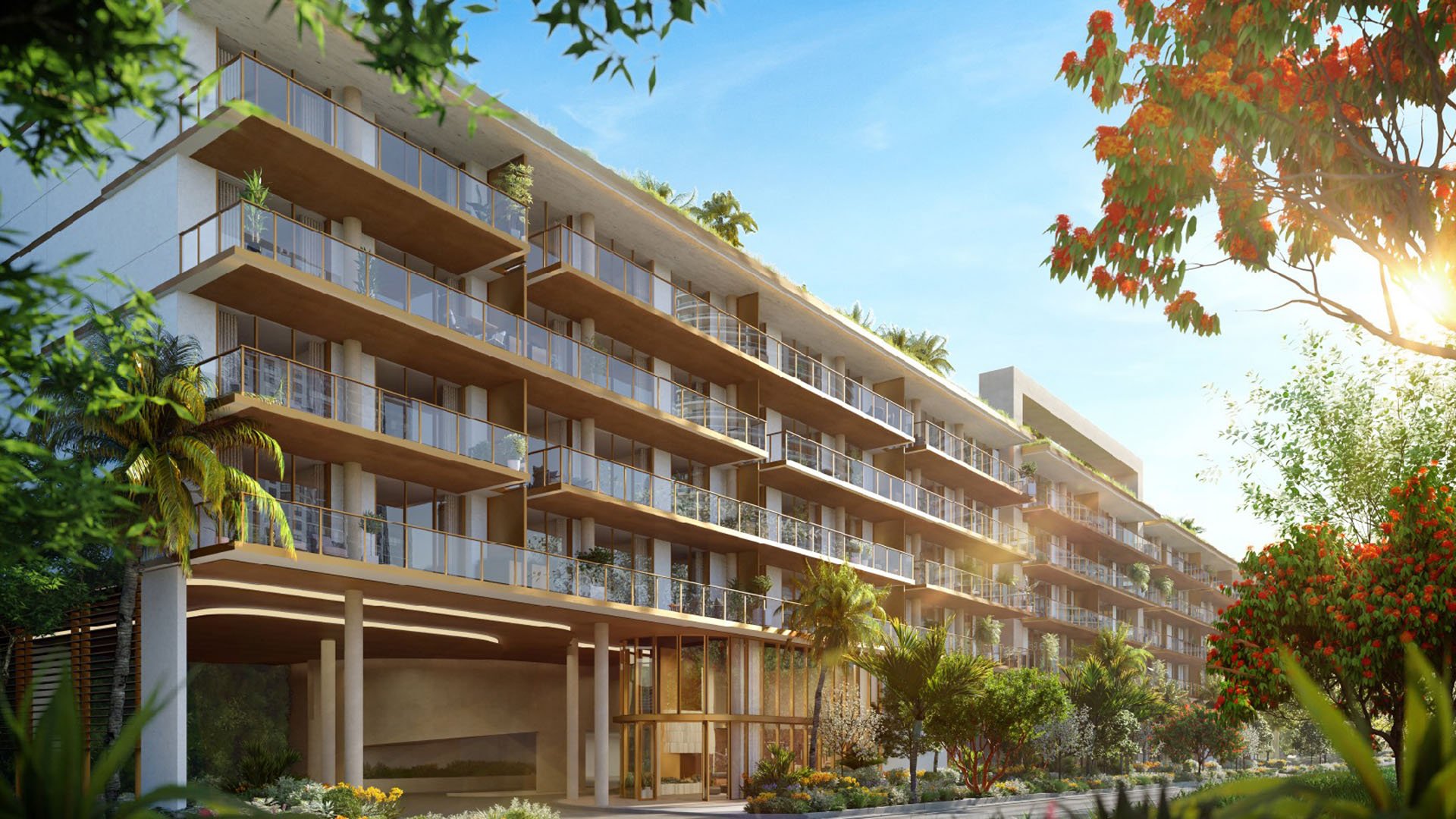
In South Florida, a residence is judged long before the elevator doors open. The approach, the porte cochère, the glass line, the balcony edges, the stone base, and the silhouette from the water all contribute to value. Façade cleaning is not a cosmetic afterthought. It is a recurring ownership discipline that protects presentation, supports maintenance planning, and helps preserve the architectural character of a building or estate.
For a luxury buyer, the question is not simply, “What does cleaning cost?” The sharper question is, “How predictable, appropriate, and well governed is the façade-care program?” A residence in Brickell may require a different access logic than a waterfront home in Surfside. A tower in Edgewater may depend on carefully sequenced vertical work, while a low-rise residence in Aventura may require more frequent attention to entry elevations, glazing, terraces, and amenity-facing surfaces.
The 2026 underwriting lens should be practical: identify the exterior materials, understand the access plan, test the reserve logic, review vendor standards, and estimate the disruption profile. A polished building that cannot be maintained gracefully can become expensive in ways that do not always appear in the purchase brochure.
A façade-cleaning budget should begin with a clear reading of the envelope. Glass, painted concrete, metal panels, railings, natural stone, stucco, screens, louvers, and balcony assemblies do not age or clean in the same way. Treating them as a single line item is convenient, but it can obscure risk.
For condominiums, ask for the most recent exterior maintenance scope and determine whether cleaning is handled as a stand-alone service or folded into broader building maintenance. For single-family residences, request a current exterior-care plan that separates glazing, roof-adjacent surfaces, pool-facing elevations, driveway-side walls, exterior lighting, railings, and outdoor kitchen or terrace areas.
Disciplined underwriting distinguishes between routine washing, spot treatment, specialty material care, lift or swing-stage access, post-storm response, and periodic deep cleaning. Those categories should not be blended into one vague allowance. Owners who see the categories clearly can compare buildings and estates more intelligently.
Exposure drives scope. Oceanfront residences often need a more attentive approach to exterior glass, balcony rails, metal details, and hardscape interfaces. Urban residences may face a different mix of dust, runoff, construction activity, and high-traffic presentation demands. Garden residences can carry staining from landscaping, irrigation, shade, and canopy debris. Marina-adjacent homes and towers add another layer of moisture and exterior-detail sensitivity.
This matters because the façade budget should reflect the lived condition of the property, not a generic assumption. A Downtown pied-à-terre with a high-glass profile can require a different service rhythm than a Coconut Grove residence surrounded by mature landscape. The underwriting memo should connect exposure to frequency, access, and material care.
Buyers often focus on the view. The more sophisticated buyer also studies what the view does to the building. Salt air, sun exposure, wind, shade, irrigation patterns, and surrounding construction can all shape the exterior-care burden. The more visible the residence is from the water, street, or arrival court, the more exterior presentation becomes part of perceived luxury.
Façade cleaning is often underestimated because access is underestimated. A simple elevation with clear reach zones is one thing. A sculptural façade with deep terraces, angled glass, recessed balcony lines, vertical fins, or landscaped setbacks is another. The more complicated the access, the more important it is to review the cleaning method before closing.
For a condominium, ask how vendors reach upper elevations, balcony glass, corner units, amenity decks, and hard-to-reach architectural details. For a single-family residence, ask whether cleaning requires ladders, lifts, roof access, water-fed poles, temporary protection, or hand detailing. A residence that looks effortless may require highly choreographed work to maintain that appearance.
Access also affects disruption. Owners should understand whether residents must clear terraces, protect outdoor furniture, close shutters, move vehicles, secure pets, or coordinate with building management. The most elegant façade program is not only safe and suitable. It is communicated early, performed discreetly, and completed with minimal disturbance.
In a condominium setting, façade cleaning sits inside a broader operating culture. A low number is not automatically efficient, and a high number is not automatically excessive. The buyer should read the budget in relation to the building’s height, façade complexity, amenity footprint, staffing model, reserve posture, and owner expectations.
Review whether exterior cleaning is scheduled, reactive, or discretionary. Scheduled care tends to be easier to underwrite because the association can anticipate recurring service and owner disruption. Reactive care may look economical until deferred presentation issues become visible.
Also review the approval process. Who selects vendors? How are scopes documented? Is there a standard for glass, railings, stone, painted surfaces, and garage or podium elevations? Are owner terraces included, excluded, or handled through separate rules? In high-value residences, ambiguity can create tension. A buyer wants clarity before becoming part of the association.
For investors, the façade program is not merely an expense. It influences first impressions, leasing appeal, resale photography, and the confidence of future buyers. Investment underwriting should treat exterior presentation as part of the asset’s merchandising power.
For a private home, façade cleaning should be part of an annual property-care calendar. The owner or estate manager should separate recurring light cleaning from specialized work. Exterior glass, walls, gates, garage doors, balcony or terrace areas, pool-facing elevations, and roofline-adjacent details may each require different timing.
The pre-purchase walkthrough should include a close look at streaking, staining, sealant lines, metal oxidation, drainage patterns, irrigation overspray, and hardscape runoff. These observations are not meant to alarm the buyer. They translate appearance into a practical operating plan.
In a large residence, cleaning can overlap with landscaping, window care, waterproofing review, pest control, painting, and outdoor-furniture maintenance. The best underwriting assigns responsibility. If every vendor assumes another vendor is watching the façade, no one is truly accountable for the exterior impression.
Without a property-specific scope, a single façade-cleaning estimate is rarely useful. The more reliable approach is to build a range. Establish a baseline for routine cleaning, then add separate allowances for specialty materials, difficult access, post-weather touch-ups, owner-requested detailing, and periodic deep cleaning.
Stress-test the range against three questions. First, what happens if the residence requires more frequent visible-area cleaning than expected? Second, what happens if access takes longer or requires more specialized equipment? Third, what happens if the association or owner decides that presentation standards must rise before a sale, lease, event, or seasonal arrival?
The purpose is not to overstate the budget. It is to prevent a luxury owner from being surprised by a predictable operating need. In 2026, sophisticated buyers will continue to look beyond purchase price and association dues. They will study the actual cost of preserving the lifestyle they are buying.
Red flags include vague maintenance descriptions, inconsistent exterior appearance, unclear responsibility for terraces, repeated staining in the same locations, no visible service calendar, and resistance to discussing access. Another warning sign is a budget that treats all exterior materials as though they require the same process.
Green flags include documented scopes, recurring schedules, trained vendors, clear resident notices, evidence of material-sensitive care, and a management culture that understands presentation. A well-run property can explain how exterior surfaces are cleaned, who approves work, how residents are notified, and how special conditions are handled.
For buyers comparing Brickell, Downtown, Edgewater, Aventura, Surfside, and Coconut Grove opportunities, façade care can be a subtle differentiator. Two residences may offer similar views and amenities, but the better-operated property often reveals itself in the details: cleaner balcony lines, sharper arrival surfaces, better-maintained glass, and fewer signs of deferred exterior attention.
During due diligence, ask for exterior maintenance history, current vendor scopes, upcoming planned work, and any owner obligations related to balconies, terraces, windows, railings, or private exterior areas. If buying a single-family residence, ask the seller or property manager for a recent maintenance calendar and the names of exterior-service trades already familiar with the home.
If the purchase involves a condominium, review the governing documents for responsibility boundaries. The line between association-maintained exterior elements and owner-maintained limited common elements can affect both cost and convenience. Clarify before closing, not after the first cleaning notice arrives.
For a waterfront or highly designed residence, consider a specialist walkthrough focused on exterior materials and access. The goal is not to renegotiate over every mark or stain. It is to understand how the home should be cared for after closing and whether the operating budget reflects that standard.
Should façade cleaning be reviewed before buying a South Florida residence? Yes. It helps reveal the operating discipline behind exterior presentation and recurring maintenance needs.
Is façade cleaning only a condominium concern? No. Private homes also require structured exterior care, especially where glass, terraces, gates, stone, and pool-facing elevations shape daily presentation.
What is the first document a condo buyer should request? Ask for the current exterior maintenance scope, recent service history, and any rules governing balconies, terraces, windows, or railings.
Why does access matter so much? Access influences cost, timing, safety, owner disruption, and whether difficult architectural areas can be cleaned properly.
Should a buyer prefer the lowest façade-cleaning budget? Not automatically. A low budget may reflect efficiency, but it may also signal a narrow scope or deferred exterior care.
How should owners think about oceanfront exposure? Oceanfront properties deserve careful review of glass, metals, railings, terrace edges, and visible arrival areas as part of ongoing care.
Can façade cleaning affect resale value? It can affect first impressions, photography, buyer confidence, and the perceived quality of building management or estate care.
What is a common underwriting mistake? Treating all exterior surfaces as one simple cleaning line item instead of separating materials, access, frequency, and specialty care.
How can owners reduce surprises? Build a range, separate routine from specialty work, and confirm who is responsible for each exterior surface before closing.
What should a 2026 buyer prioritize? Prioritize clarity, repeatable service standards, appropriate materials care, and a budget that supports the residence’s intended presentation.
To compare the best-fit options with clarity, connect with MILLION.
If branded residences are on your mind — as a home or as an allocation — we would be glad to share what we are seeing, privately.
Begin a quiet conversation