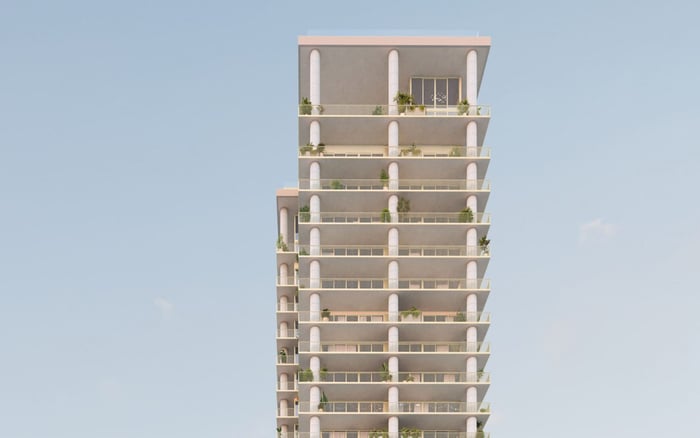
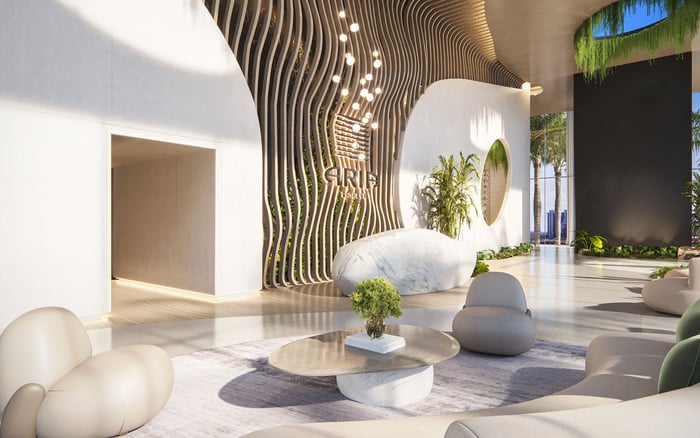
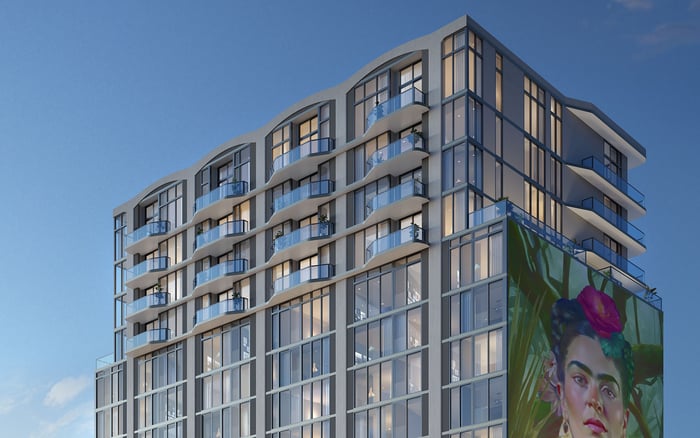
A buyer-focused look at how family-amenity culture can influence the way affluent households evaluate Frida Kahlo Wynwood Residences and the broader Wynwood lifestyle.
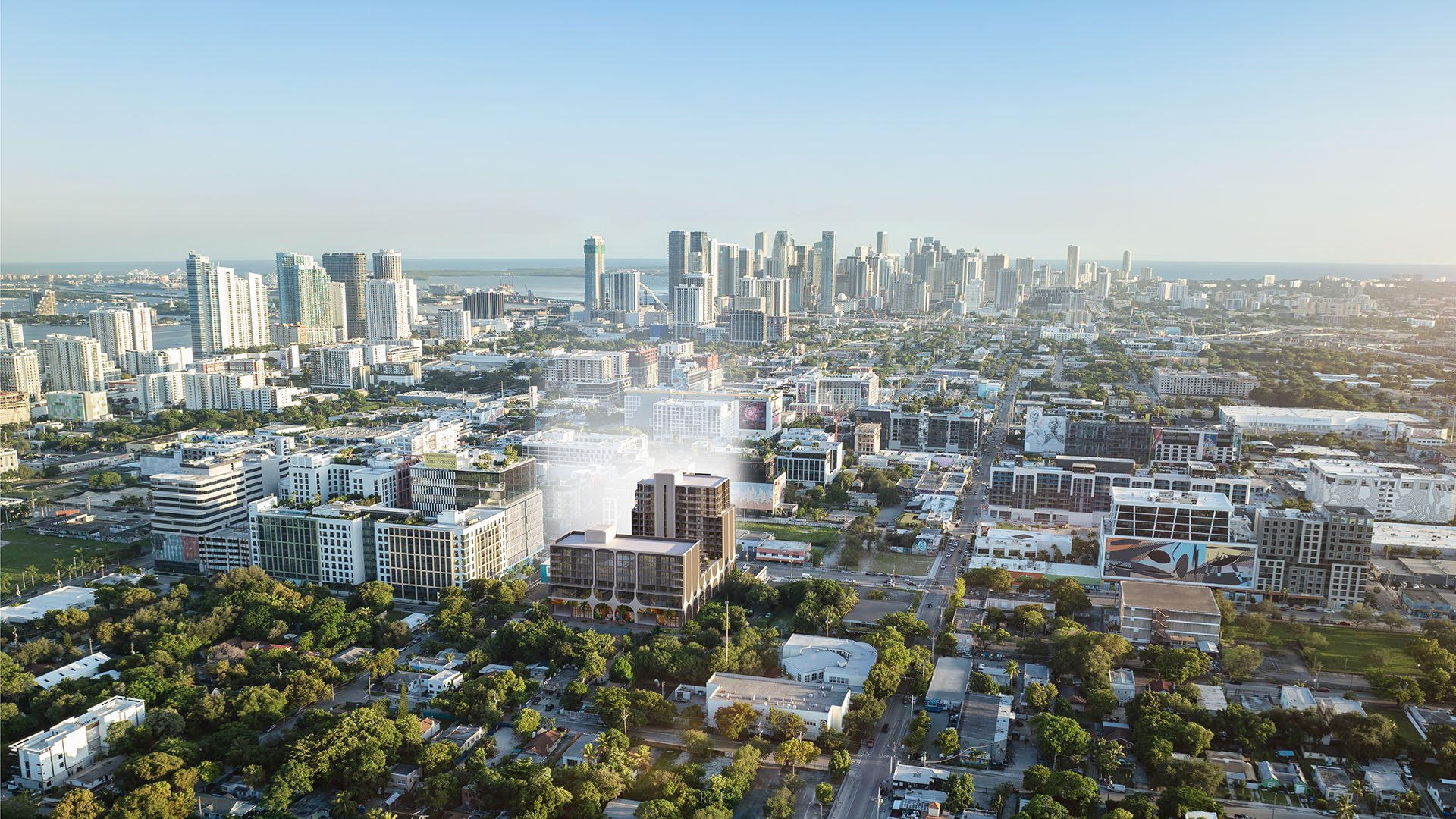
Frida Kahlo Wynwood Residences enters a Miami conversation no longer defined only by skyline views, branded lobbies, or proximity to restaurants. For many affluent buyers, the more revealing question is how a residence supports the private choreography of family life. In Wynwood, where art, hospitality, design, and urban energy shape the neighborhood’s appeal, that question becomes especially important.
Family-amenity culture is not the same as simply adding a playroom. At the upper end of the market, it is a more nuanced proposition: a building should help a household move smoothly through mornings, weekends, workdays, school breaks, visiting relatives, wellness routines, and quiet evenings. It should give children room to belong without making adults feel they have compromised on sophistication. It should make urban living feel generous rather than improvised.
That is why the buyer decision around Frida Kahlo Wynwood Residences can differ from a conventional condo comparison. The strongest family-oriented residences are not judged by square footage alone. They are judged by whether the building understands how people actually live.
In South Florida, luxury buyers are often comparing more than properties. They are comparing routines. A waterfront tower may offer serenity, a private island may offer seclusion, and a dense urban neighborhood may offer immediacy. Wynwood adds another layer: cultural texture. The neighborhood’s identity invites buyers who want a more expressive version of Miami, but families still need structure.
This is where family-amenity culture changes the emotional calculus. A buyer may arrive focused on architecture, finishes, or investment potential. The decision often becomes more personal when they picture the recurring details: a child’s birthday gathering, a grandparent visiting for a month, a teenager wanting independence, a parent needing a calm place to work, or a couple wanting an evening that does not require logistical effort.
In that sense, family amenities can reduce friction. The best amenities do not merely impress during a tour. They continue to solve small problems after closing. For buyers who can choose among multiple Miami neighborhoods, those daily advantages can become decisive.
Wynwood has long been associated with art, dining, and an unmistakable street-level identity. For a family buyer, the question is whether that energy can translate into residential ease. Frida Kahlo Wynwood Residences is compelling as a topic because it invites a broader discussion: can a culturally charged urban district also become a more complete home base for households?
The answer depends less on slogans and more on programming. A family-friendly building in Wynwood should not dilute the neighborhood’s creative spirit. It should organize it. Thoughtful common areas, calm arrival sequences, flexible gathering spaces, wellness-oriented settings, and areas that work across age groups can make an urban residence feel more intuitive.
Buyers considering Wynwood are usually not trying to replicate the feel of a suburban gated estate. They are choosing proximity, design, and cultural access. The opportunity for a new project in this setting is to make those choices feel compatible with family life. When that happens, the address stops being a weekend destination and starts becoming a primary-life contender.
The most persuasive family amenities are not always the largest. They are the ones that acknowledge overlapping needs. A family may want spaces where children can be visible but not disruptive, where adults can entertain without abandoning privacy, and where wellness does not require leaving the building. A pool, for example, can be more than a leisure feature when it becomes part of a weekly routine for children, visiting friends, and multigenerational downtime.
Flexibility is central. A well-conceived amenity suite can support after-school hours, remote work, weekend hosting, fitness, quiet reading, and casual socializing. It can also create soft community, where residents recognize one another without the building feeling over-programmed. For family buyers, that social familiarity can be meaningful. It makes vertical living feel less anonymous.
This is also where boutique positioning can matter. Smaller-scale residential environments can sometimes feel more personal, easier to navigate, and more compatible with households that want service without the feeling of a resort crowd. The key is balance. Families want convenience, but they also want calm. They want shared amenities, but not constant noise. They want design, but not fragility.
Family-amenity culture can affect value in ways that are not always visible in a simple price-per-square-foot comparison. The practical buyer looks at utility: how often will the family use the amenities, and how much outside spending or travel time might they replace? The emotional buyer looks at continuity: can this residence work through multiple life stages?
That continuity is powerful. A couple with a young child may be thinking about safety, convenience, and early routines. A family with older children may be thinking about independence, social space, and access to neighborhood life. Empty nesters may still care deeply about family amenities because grandchildren and extended stays are part of the ownership picture. A residence that serves all of these scenarios can feel more durable.
For new-construction buyers, the question is not only what is being delivered, but whether the building’s amenity philosophy feels future-proof. Miami households are more fluid than ever. Work patterns shift, school needs evolve, relatives visit, and second-home usage can become primary usage. The more a residence absorbs that complexity, the more confident a buyer can feel.
A refined buyer should look beyond the presence of amenities and study how they are placed, operated, and experienced. Are family-oriented spaces separated enough from adult social areas? Are wellness areas genuinely convenient? Does the arrival feel calm with children, bags, strollers, pets, or guests? Can residents move from private residence to shared space without friction?
Noise management matters. So does circulation. So does the quality of outdoor space, if available. A family-focused building should feel graceful under pressure, not only pristine in renderings. If a residence is being considered at the pre-construction stage, buyers should ask how amenity programming will support different times of day and different resident profiles.
They should also consider the surrounding lifestyle. In Wynwood, the appeal is not isolation. It is the ability to participate in Miami’s cultural life while maintaining a private residential retreat. The building that gets this right offers contrast: expressive outside, composed inside.
The most interesting shift in Miami luxury real estate is that affluent buyers are becoming more exacting about lived experience. They still care about architecture, brand, finishes, privacy, and potential appreciation. But they are also asking whether a property will make the family feel more connected, more efficient, and more at ease.
That is the larger significance of Frida Kahlo Wynwood Residences as a buyer conversation. Family-amenity culture can transform a residence from an object of desire into an operating system for daily life. In a neighborhood as visually and culturally strong as Wynwood, that distinction matters. The winning proposition is not simply to live near the energy. It is to have a home that filters that energy into something personal, elegant, and sustainable.
For the right buyer, the decision may not be driven by one spectacular feature. It may be driven by the realization that the building understands the household. In luxury real estate, that kind of recognition is often what turns interest into conviction.
Why does family-amenity culture matter for Frida Kahlo Wynwood Residences? It matters because affluent buyers increasingly evaluate how a building supports daily family life, not only how it looks during a tour.
Is Wynwood only suited to singles or couples without children? No. Wynwood can appeal to families that value culture, design, walkability, and an urban lifestyle, provided the residence offers practical support.
What amenities are most important for family buyers? Flexible gathering spaces, wellness areas, calm circulation, child-aware programming, and usable outdoor or leisure areas often matter most.
Does a pool influence a family buying decision? Yes. A pool can become part of regular family life, especially when it is designed as a usable residential amenity rather than a showpiece.
How should buyers evaluate a pre-construction residence? Buyers should study floor plans, amenity placement, operating assumptions, and how the building will handle daily family routines.
Can boutique buildings work well for families? Yes. Boutique settings may offer a more intimate residential experience when amenities and services are thoughtfully managed.
Is family-amenity culture relevant for investment buyers? It can be. Residences that support broader household needs may appeal to a wider pool of future users and long-term owners.
What makes new-construction appealing to family buyers? New-construction can offer modern layouts, contemporary amenity planning, and systems designed around current lifestyle expectations.
Why is Wynwood different from traditional family neighborhoods? Wynwood offers a more urban and creative environment, so the residence itself must provide a strong sense of comfort and balance.
What should buyers prioritize before making a decision? They should prioritize livability, privacy, daily convenience, and whether the building can adapt as household needs evolve.
When you're ready to tour or underwrite the options, connect with MILLION.
If branded residences are on your mind — as a home or as an allocation — we would be glad to share what we are seeing, privately.
Begin a quiet conversation