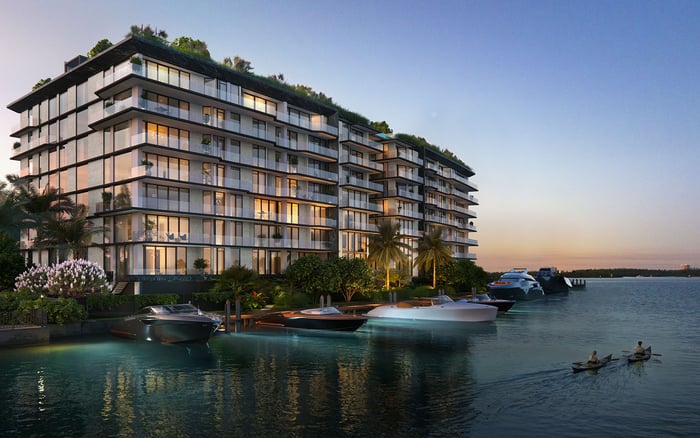
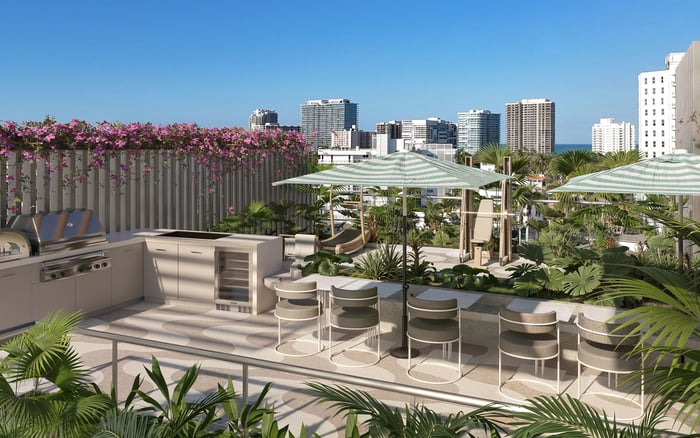
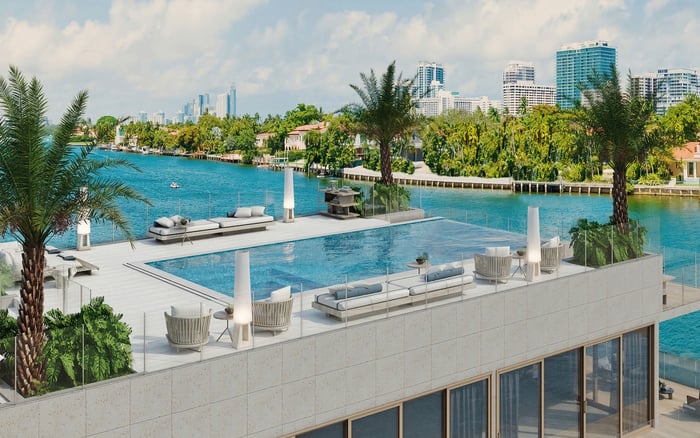
A discreet buyer’s guide to comparing Tula Residences North Bay Village and Alma Bay Harbor Islands through the lens of privacy, neighborhood rhythm, boutique scale, and the practical expectations of owners leaving larger towers.
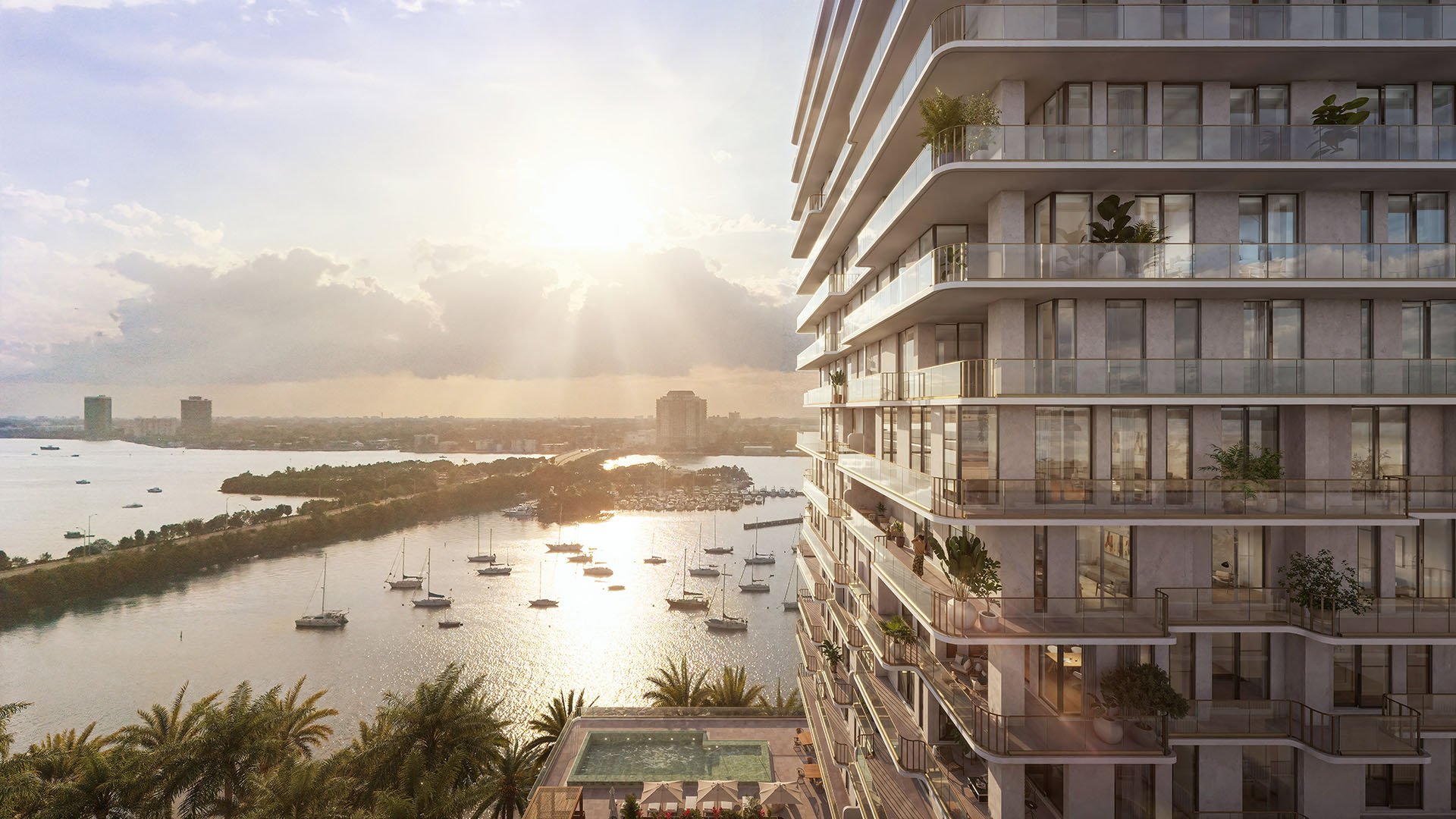
For buyers leaving a large tower, the search for boutique scale usually begins with a desire for quiet. The appeal is not simply fewer residences or a smaller lobby. It is the sense that arrival is easier, the elevator experience is more predictable, and the building moves with a more residential cadence. In South Florida, that shift often draws buyers toward island neighborhoods where water, privacy, and proximity matter as much as the residence itself.
The comparison between Tula Residences North Bay Village and Alma Bay Harbor Islands should be read through that lens. This is not a question of which name feels newer or which address sounds more rarefied. It is a question of whether the buyer wants the energy and evolving waterfront identity associated with North Bay Village, or the more established, intimate residential character associated with Bay Harbor Islands.
For owners who have lived in a large tower, boutique living can feel liberating. It may also feel more personal, because building culture becomes more visible at a smaller scale. The front desk, amenity use, guest flow, pet rules, valet sequence, and board temperament all matter more. A buyer should therefore compare not only the architecture, but the full daily choreography of each address.
Alma Bay Harbor Islands enters this comparison as a Bay Harbor Islands residence relevant to buyers weighing boutique-scale alternatives. That positioning matters. Bay Harbor Islands has long appealed to buyers who want a residential setting with access to the broader Miami Beach and Bal Harbour orbit, but without the intensity of a large oceanfront tower.
The Alma buyer is likely to care about discretion. Rather than seeking a grand vertical statement, this buyer may prefer a calmer threshold, a neighborhood walk, and the sense that the building belongs to a smaller island fabric. For those moving out of a major tower, that can be a meaningful change. The residence becomes less about spectacle and more about control: control over arrival, control over pace, and control over how public or private daily life feels.
Alma also fits the buyer who wants Bay Harbor Islands as a lifestyle choice, not merely as a value alternative to better-known coastal addresses. The neighborhood can appeal to those who want proximity to beaches, dining, shopping, schools, and houses of worship, while still keeping home life somewhat removed from the highest-traffic corridors. For many downsizing or rightsizing owners, that balance is the real luxury.
Buyer search language such as Bay Harbor, water view, terrace, and new construction tells only part of the story. The more important question is whether the residence supports a lower-friction daily life. Alma’s relevance in this discussion comes from its alignment with buyers considering a boutique Bay Harbor Islands setting.
Tula Residences North Bay Village should be approached through the broader North Bay Village context. The area sits between major Miami lifestyle nodes and has become increasingly interesting to buyers who want water-oriented living without defaulting to the most familiar high-rise corridors. For a buyer leaving a large tower, that setting may feel like a strategic middle ground: connected, urban, and waterfront in spirit, yet distinct from the density of larger condo clusters.
Because project-specific details should be evaluated directly by each buyer, the better initial question is not what Tula claims to be, but what North Bay Village offers as a daily base. Does the buyer want a more transitional, future-facing waterfront neighborhood? Is the goal to remain close to Miami Beach, the mainland, and the causeways while stepping away from the scale of a conventional tower lifestyle? If so, North Bay Village can be a compelling frame.
North Bay Village as a buyer search term often captures a desire for access and water. The lifestyle is neither purely resort-driven nor purely suburban. It is a connective island setting, which may suit owners who like being between places rather than enclosed within one established enclave. For some, that is precisely the attraction. For others, it may feel less settled than Bay Harbor Islands.
Alma Bay Harbor Islands is the more intuitive fit for the buyer who wants boutique scale to feel established, residential, and quietly polished. This buyer is often focused on neighborhood comfort, familiar routines, and an island setting that feels complete. The move away from a large tower is emotional as much as practical: fewer shared spaces, fewer transient encounters, and a more grounded sense of home.
Tula Residences North Bay Village may better fit the buyer who wants the boutique move to feel more exploratory. This buyer may be drawn to waterfront change, neighborhood momentum, and the ability to position early in an area with a distinct future-facing identity. The choice may be less about retreat and more about recalibration: staying close to Miami’s movement while selecting a more intimate residential format.
A former large-tower owner should be honest about what they will miss. Larger towers can offer deep amenity staffing, broader service infrastructure, and a certain anonymity. Boutique scale can replace that with intimacy, speed, and fewer layers, but it may also require a more precise match between owner expectations and building operations. The best choice is the one whose routines feel natural after the novelty fades.
The smartest buyers compare the unglamorous details first. Elevator count, parking sequence, guest management, storage, service access, package handling, pet circulation, and maintenance philosophy can shape daily satisfaction more than a dramatic rendering. A smaller building should feel seamless, not merely smaller.
Floor plan discipline is equally important. Buyers leaving large towers often discover that boutique residences can live larger when plans are efficient, terraces are usable, and primary spaces have clear relationships to light and view. A terrace is not automatically valuable unless it works with the way the owner entertains, reads, dines, or starts the morning.
Water orientation also deserves careful consideration. A water view can be serene, expansive, intimate, or partially urban, depending on exposure and surroundings. The most successful boutique purchase is not the one with the broadest promise, but the one where the view, floor height, privacy, and interior plan support the same lifestyle story.
Finally, evaluate the culture of the building. Boutique living magnifies governance, rules, and neighbor profile. A building that feels civilized on paper should also feel natural in person. The right residence will reduce friction, not simply reduce scale.
For the buyer leaving a large tower, Alma Bay Harbor Islands appears to carry the clearer boutique-residential logic because it is grounded in a Bay Harbor Islands setting already associated with a quieter island rhythm. Tula Residences North Bay Village, by contrast, should be considered by buyers who are comfortable making the neighborhood context a larger part of the decision.
Neither direction should be chosen as a reaction against tower life alone. The better question is what kind of intimacy the buyer wants. Alma suggests neighborhood composure. Tula suggests waterfront connectivity and evolution. Both can be considered through a boutique-scale lens, but they speak to different temperaments.
If the buyer wants calm, familiarity, and an established residential island atmosphere, Alma is likely the more natural starting point. If the buyer wants a more fluid relationship to Miami’s changing waterfront geography, Tula may deserve a closer look. In the ultra-premium market, the best residence is rarely the loudest option. It is the one that makes daily life feel edited, private, and precisely chosen.
Is this comparison mainly about architecture? No. For buyers leaving a large tower, the more important comparison is daily rhythm, privacy, access, and neighborhood fit.
Is Alma Bay Harbor Islands relevant for boutique-scale buyers? Yes. Alma is identified as a Bay Harbor Islands residence relevant to buyers comparing boutique-scale options.
Who is the likely Alma buyer? The Alma buyer is likely to value a quieter island atmosphere, residential discretion, and proximity without high-rise intensity.
Who should consider Tula Residences North Bay Village? Tula may appeal to buyers who want a North Bay Village lifestyle frame, with water-oriented access and a more evolving neighborhood feel.
Is North Bay Village more urban than Bay Harbor Islands? It can feel more connected to movement between Miami Beach and the mainland, while Bay Harbor Islands often reads as more residential.
What should tower owners examine first? They should examine arrival, elevators, parking, guest flow, service standards, storage, and how the building handles daily operations.
Does boutique scale always mean more privacy? Not automatically. Privacy depends on design, staffing, circulation, floor plans, and the culture of the building.
How important is a terrace in this decision? A terrace matters when it is usable, private, and connected to the way the owner actually lives, not merely because it adds outdoor space.
Which option is better for a quieter lifestyle? Alma Bay Harbor Islands is the more natural starting point for buyers prioritizing an established, quieter island residential feel.
Which option is better for a future-facing buyer? Tula Residences North Bay Village may suit a buyer who wants boutique scale within an evolving waterfront context.
For a discreet conversation and a curated building-by-building shortlist, connect with MILLION.
If branded residences are on your mind — as a home or as an allocation — we would be glad to share what we are seeing, privately.
Begin a quiet conversation