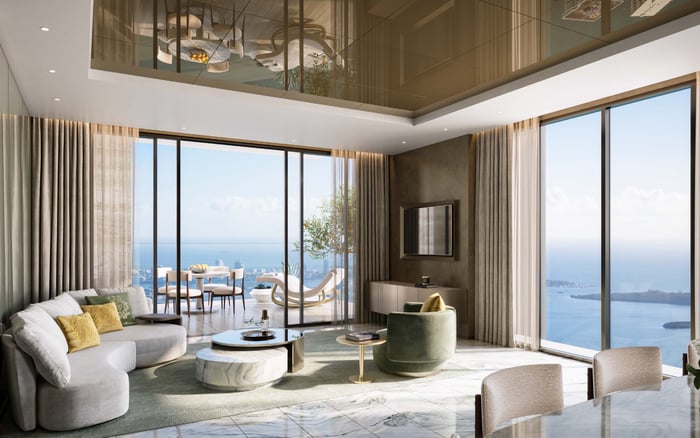
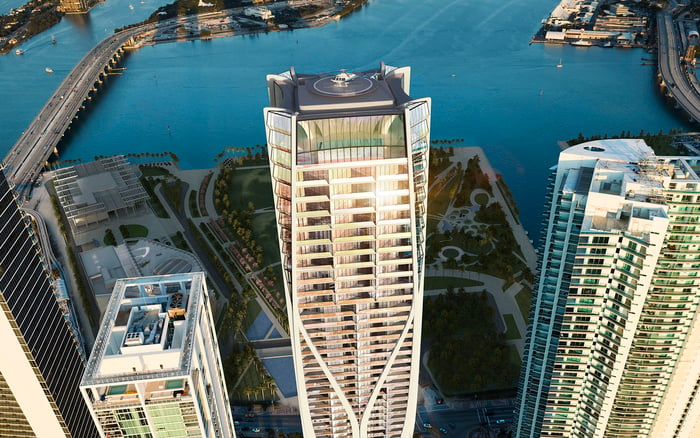
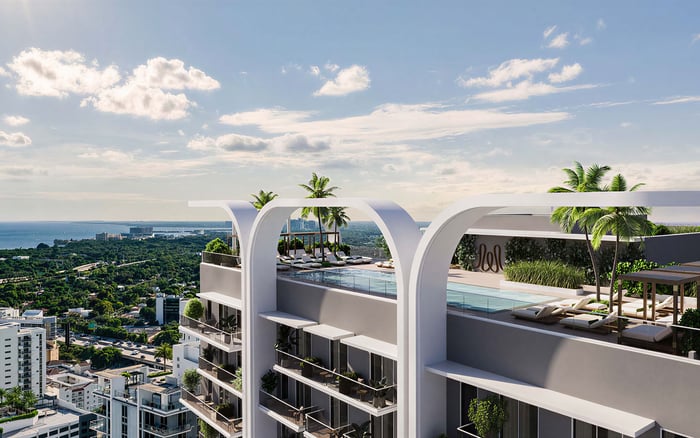
A buyer-oriented look at why Sunny Isles Beach continues to read like a vertical resort: fast, private elevator experiences; tower design that protects views; and oceanfront living calibrated for discretion. From arrival sequences to residence planning, we break down what matters when you are purchasing high in the sky and steps from the Atlantic.
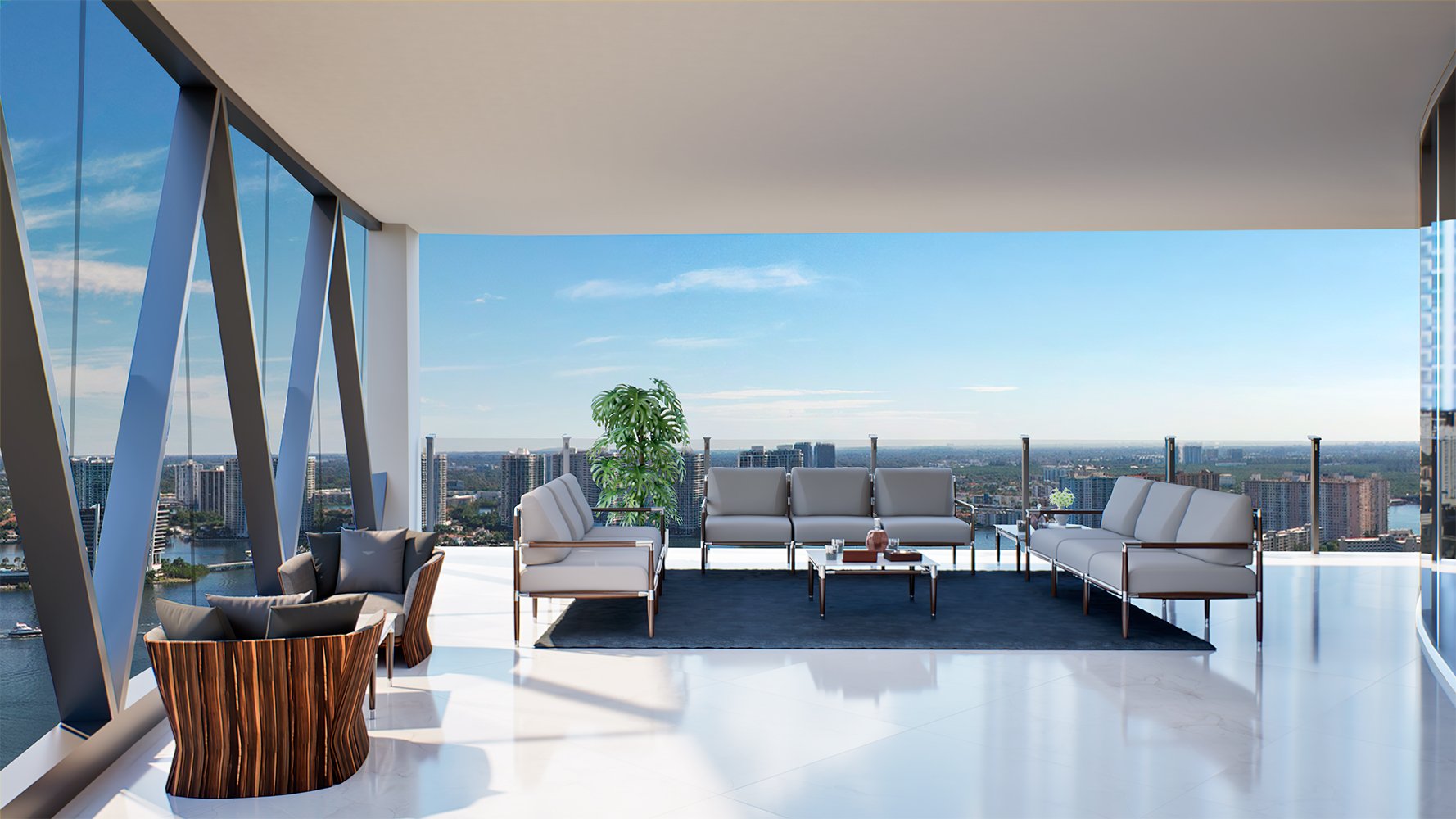
Sunny Isles is not simply “oceanfront.” It is oceanfront engineered for vertical living-where true luxury is often measured in seconds and sightlines. From the moment you arrive, the experience is defined by transitions: curb to porte cochère, lobby to elevator, elevator to vestibule, vestibule to living room. In a market where buyers routinely compare multiple waterfront submarkets in a single weekend, Sunny Isles stands apart for how efficiently it moves you from public to private.
That efficiency is not just speed. It is choreography. A well-designed tower streamlines arrivals, reduces bottlenecks at peak hours, and maintains a sense of calm even when the building is fully active. In the best buildings, the ascent feels almost silent and inevitable-so the ocean is the first thing you register when the doors open.
For buyers focused on newer inventory, attention naturally shifts to towers where the vertical journey is treated as a signature feature. The skyline’s next generation increasingly reads as a lifestyle argument: higher floors for light and horizon, oceanfront setbacks for protected views, and service cores configured to keep staff circulation discreet.
In ultra-premium towers, elevators are no longer just utilities. They function as privacy systems. When designed correctly, they limit chance encounters, reduce corridor exposure, and support a quieter day-to-day. “High-speed” matters-but so does the architecture and planning that make the ride feel controlled.
What separates a merely fast elevator from a genuinely luxury elevator experience:
Your routine should not be shaped by constant intermediate stops. Moving decisively from lobby to residence is part of the value.
Many of the most desirable homes feel calmer because the entry sequence includes a vestibule or buffer between elevator arrival and the living space.
The most refined high-rise living is defined by what you don’t hear: no rattling, no mechanical resonance, no hallway amplification.
When resident and service circulation are properly planned, the building’s rhythm becomes more private-especially during move-ins, deliveries, and weekend turnover.
Treat the elevator ride as part of your inspection. Spend time in the lobby during a busier window, take a second ride, and note whether you feel rushed, exposed, or interrupted. In this tier, luxury is often the absence of small disruptions that chip away at calm.
Sunny Isles is known for dramatic oceanfront towers, but real grandeur has a technical backbone. The most livable oceanfront residences are the ones where architecture resolves three competing priorities: maximize views, moderate wind, and preserve interior proportion.
You can usually sense when a layout was conceived as a true ocean home rather than a generic high-rise plan aimed at the water. The best residences present the Atlantic as a continuous backdrop from primary living areas-while still providing enough wall space and depth for furniture that supports real living.
Outdoor space is an equally clear tell. A balcony can photograph beautifully and still underperform if wind patterns make it uncomfortable. In Sunny Isles, where height and shoreline proximity intensify breezes, the difference between a terrace you use daily and one you visit once often comes down to specifics: rail design, depth, and how the building’s massing interacts with coastal airflow.
When comparing oceanfront options, it helps to notice how different towers interpret “resort living” at altitude. Homes in Jade Signature Sunny Isles Beach often resonate with buyers who value contemporary lines and an elevated sense of arrival, while other buildings lean into a more classic expression of beachfront glamour.
Without a Fact Table to anchor building-specific specifications, the most responsible approach is to focus on what you can verify through tours, document review, and professional inspections. In Sunny Isles, the difference between a good purchase and a great one is rarely the countertop material. It’s the operational reality of living high above the ocean.
Key considerations to bring into your diligence:
Watch how residents and guests are separated, how access is managed, and whether arrivals feel discreet.
Ask how peak flow is handled and how service circulation is managed.
Prioritize practical storage, realistic wall space, and plans that support entertaining without sacrificing daily comfort.
Step outside. Stand still. If conversation feels strained due to wind or noise, you won’t use the terrace as intended.
Luxury is often operational: package handling, valet pacing, staffing consistency, and how issues are resolved.
For buyers seeking an oceanfront address with an especially private residential feel, Regalia Sunny Isles Beach is often discussed for its exclusivity and low-density positioning-attributes that can translate into a quieter, more controlled daily environment.
Sunny Isles towers increasingly treat amenities as lifestyle infrastructure, not add-ons. The most coveted buildings don’t simply provide a pool and a fitness room; they curate spaces that allow residents to stay “in their world” without leaving the property: wellness areas, social rooms, outdoor lounges, and often a beach experience that feels managed rather than crowded.
When amenities are executed at a high level, they materially change how a residence lives. Buyers who entertain may value formal lounges that can be reserved-or used comfortably without feeling like a shared cafeteria. Buyers focused on longevity may prioritize wellness design, not just equipment.
During tours, assess amenity spaces the way you would a private club: acoustics, finishes under wear, staff presence, and whether the rooms can absorb guests without losing composure.
Newer entrants also emphasize branded lifestyle cues and design-forward common areas. For a distinctly automotive-leaning brand expression in the Sunny Isles corridor, Bentley Residences Sunny Isles is a reference point many buyers consider when they want design identity to be part of the ownership story.
The Sunny Isles experience is shaped by a narrow strip where oceanfront calm meets constant motion. For many buyers, that contrast is the point: you can be steps from the sand while staying connected to the broader North Miami Beach and Aventura orbit for dining, retail, and marinas.
A practical way to evaluate location within Sunny Isles is to match your lifestyle to your tolerance for movement. If you prefer quieter mornings and a more residential cadence, prioritize towers and stacks that minimize roadway exposure and maximize direct water orientation. If you want to be in the center of the energy, choose a location that makes the “walk downstairs and go” lifestyle effortless.
This is also why elevator performance carries extra weight here: when your home functions like a vertical resort, you shouldn’t feel as if you’re commuting inside your own building.
Sunny Isles belongs in a broader South Florida conversation about oceanfront living-spanning Miami Beach, Surfside, Bal-harbour, Hallandale, and Fort-lauderdale. The distinction isn’t only price or prestige. It’s the ratio of height to shoreline, and the type of buyer the area tends to attract.
Some buyers cross-shop Miami Beach for cultural gravity and walkability, then return to Sunny Isles for newer tower inventory and a modern resort sensibility. Others begin in Sunny Isles for the views and vertical privacy, then explore adjacent markets for a slightly different rhythm.
If you’re building a portfolio or weighing multiple oceanfront lifestyles, it can be equally useful to look a few minutes north. 2000 Ocean Hallandale Beach is often part of that wider oceanfront conversation, particularly for buyers who want a refined, residential-forward approach while remaining close to the same coastline.
In a skyline defined by spectacle, the smartest purchases are typically the most livable. Prioritize plans that feel calm at noon and at night, make entertaining effortless, and support outdoor space you’ll actually use. Evaluate elevators as a privacy system, amenities as daily infrastructure, and service as a form of design.
Sunny Isles rewards buyers who view the building as a complete organism. When systems, circulation, and proportions align, the result isn’t just oceanfront grandeur-it’s a home that stays composed, even at height.
What should I look for in a high-speed elevator experience? Prioritize directness, low noise, and a private arrival sequence-not just speed.
Do higher floors always mean better value in Sunny-isles? Higher floors often deliver broader views, but usability, layout, and wind comfort matter just as much.
How can I judge whether a balcony will be comfortable year-round? Spend time outside during the tour and consider exposure to wind and roadway noise.
Are amenities a major driver of lifestyle in oceanfront towers? Yes. At this level, they function like a private club and can reduce the need to leave the property.
What makes an oceanfront layout feel truly luxurious? A plan that frames water views while preserving furniture-friendly proportions and privacy.
How important is service circulation in a luxury high-rise? Extremely-separating resident and service flow protects discretion and day-to-day calm.
Is it better to prioritize brand-new construction or established buildings? Decide based on livability and operations; newer isn’t automatically better for every buyer.
What is the biggest mistake buyers make when touring oceanfront condos? Getting seduced by finishes while overlooking elevator flow, noise, and the building’s daily rhythm.
How should I think about privacy when selecting a tower? Look for low-density floors, controlled access, and entry sequences that limit corridor exposure.
Can Sunny-isles work as a second-home destination? Yes-especially when the building’s systems and amenities support lock-and-leave ease.
When you're ready to tour or underwrite the options, connect with MILLION Luxury.
If branded residences are on your mind — as a home or as an allocation — we would be glad to share what we are seeing, privately.
Begin a quiet conversation