A discreet buyer’s guide to reading condominium and homeowners association documents for smart-home cybersecurity risk, governance quality, vendor oversight, and long-term digital resilience.

For South Florida’s luxury buyer, the smart-home conversation has moved well beyond lighting scenes, motorized shades, climate presets, and app-controlled entry. The more consequential question is quieter: who governs the systems that make a residence feel effortless, and how well are those systems protected?
Association documents can offer an unusually clear view into that answer. They may not read like a technology audit, and they rarely use the language of cybersecurity with the polish of a sales gallery. Yet for a buyer evaluating a condominium, private enclave, or amenity-rich residence, the governing documents, rules, budgets, meeting materials, and vendor arrangements can reveal whether digital convenience is being treated as a luxury finish or as critical infrastructure.
That distinction matters. A residence with elegant automation can still carry avoidable risk if building access, guest credentials, package rooms, elevators, cameras, Wi-Fi-enabled amenities, or resident portals are managed casually. In the most desirable buildings, digital systems increasingly sit at the intersection of privacy, security, lifestyle, and resale confidence.
The first signal is governance. A sophisticated association does not need to disclose technical secrets to show that it takes digital systems seriously. Look for evidence that access-control policies are documented, resident responsibilities are clear, vendor permissions are defined, and changes to shared technology receive appropriate review.
Rules and regulations can be especially revealing. If they address key fobs, mobile credentials, guest access, building apps, amenity reservations, surveillance expectations, package systems, or moving protocols, they may indicate a more mature approach to digital operations. If the rules are silent on these matters, that silence is not automatically a flaw, but it should prompt sharper questions.
Budgets and reserves can also tell a story. Smart-home infrastructure ages, software support changes, and digital systems require ongoing administration. A building that budgets only for visible amenities while ignoring technology upkeep may be postponing issues that eventually affect convenience and confidence.
Minutes and board materials, when available for review, may show whether cybersecurity, access upgrades, resident complaints, vendor transitions, or system outages have been handled reactively or thoughtfully. The tone is often as important as the content. Calm, consistent oversight suggests a different culture than repeated emergency fixes.
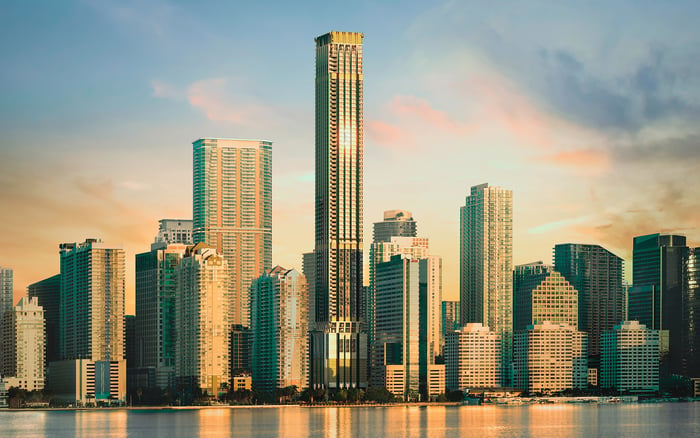
For buyers comparing Brickell, Miami Beach, Sunny Isles, Surfside, Coconut Grove, and new-construction residences, this document review is not a secondary detail. It is part of understanding how the building lives after closing.
In a high-service residence, access is choreography. Residents expect arrivals to be seamless, guests to be welcomed gracefully, service providers to be managed discreetly, and private areas to remain private. That choreography depends on systems, policies, and people.
Association documents may help a buyer understand who can issue credentials, how lost or transferred credentials are handled, whether short-term guest permissions are limited, and what happens when an owner leases or sells. The most important issue is not whether a building uses a fob, card, app, keypad, biometric reader, or concierge-managed protocol. The issue is whether the association has a disciplined process for granting, modifying, and terminating access.
Luxury buyers should be especially attentive to any arrangement that allows broad, persistent access without clear accountability. House staff, designers, contractors, dog walkers, yacht crew, wellness providers, private chefs, and family offices can all be part of a South Florida household’s operating rhythm. The documents should help reveal whether the building is prepared for that complexity.
Private elevators, parking systems, marina interfaces, storage rooms, and owner-only amenities deserve the same scrutiny. A beautiful lobby is reassuring, but cybersecurity diligence begins with the invisible pathways that determine who moves through the property and when.
Association documents usually focus on common elements, but they can still affect the technology inside the home. Architectural guidelines, alteration rules, contractor requirements, insurance standards, and low-voltage provisions may shape what an owner can install, modify, or connect.
A buyer planning a bespoke smart-home environment should ask how in-unit systems interact with shared building systems. Door entry, intercoms, elevators, climate interfaces, leak detection, window treatments, audiovisual systems, and private networking can be elegant when integrated well. They can also become complicated when each vendor touches a different layer of the residence without a clear chain of responsibility.
The goal is not to avoid technology. The goal is to own it deliberately. A well-designed residence should allow comfort, discretion, and control without forcing the owner into unnecessary exposure. That means understanding whether the association restricts certain installations, requires approved contractors, mandates insurance, or retains rights to inspect work connected to shared systems.
Buyers should also consider future maintenance. If a system depends on a specific app, cloud service, proprietary panel, or vendor ecosystem, the association’s documents and related materials may reveal whether updates, replacements, or support obligations are anticipated. In luxury real estate, the best technology should feel timeless, but it must still be maintained like any other performance system.
Cybersecurity is not only a technical matter. It is also a vendor matter. The building may rely on outside companies for access control, camera systems, resident portals, amenity scheduling, package rooms, internet service, parking management, or maintenance platforms. Each relationship can affect privacy and operational resilience.
When reviewing association materials, buyers and counsel should look for signs of thoughtful vendor oversight. Who owns the data generated by building systems? Who can view it? How long is it retained? What happens if a vendor changes, fails to perform, or is replaced? Are service standards described clearly? Are resident-facing systems governed by rules that respect privacy as well as convenience?
The human layer is equally important. Staff training, board awareness, manager discipline, and resident behavior all influence whether digital protocols hold up in daily life. Even the best platform can be weakened by casual credential sharing, informal exceptions, or unclear procedures for vendors and guests.
Discretion is central to South Florida luxury. A cybersecurity-minded building does not need to be severe or intrusive. Ideally, it should make secure behavior feel natural, almost invisible. The documents should suggest that the association understands privacy not as a slogan, but as an operating standard.
A polished buyer review should combine legal, technical, and lifestyle perspectives. Counsel can interpret obligations and authority. A smart-home specialist can evaluate integration risks. A family office, security advisor, or property manager can assess whether the building’s protocols match the owner’s daily life.
Start with the practical questions. How is building access issued and revoked? Are guest credentials temporary or open-ended? Are vendors approved, logged, or supervised? What digital systems are controlled by the association rather than the owner? What responsibilities shift to the owner after closing? What happens during renovations? Are there budget line items or planned projects related to technology?
Then move to tone. Documents that are orderly, updated, and specific usually inspire more confidence than documents that feel generic or outdated. The issue is not perfection. It is seriousness. In a market where design, wellness, privacy, and service are deeply intertwined, cybersecurity belongs in the same conversation as views, finishes, parking, and amenity access.
For the discerning buyer, the strongest outcome is not a building that promises everything. It is a building that knows what it controls, documents those responsibilities, and treats digital trust as part of the residential experience.
Why should a luxury buyer review association documents for cybersecurity? They can reveal how access, vendors, privacy, and shared technology are governed after closing.
Do association documents usually provide a full cyber audit? No. They are better viewed as signals that help a buyer identify strengths, gaps, and follow-up questions.
Which documents matter most for smart-home risk? Rules, budgets, meeting materials, alteration guidelines, and vendor-related documents are often useful starting points.
Is access control more important than in-unit automation? Both matter, but shared access systems often affect every resident, guest, vendor, and staff interaction.
What should buyers ask about guest credentials? Ask whether access is temporary, trackable, revocable, and governed by clear resident responsibilities.
Can smart-home upgrades create association issues? Yes. Some installations may interact with common systems or require approval, insurance, or approved contractors.
Should a buyer hire a technology specialist before closing? For complex residences, an independent smart-home review can clarify integration, privacy, and maintenance concerns.
How do vendor contracts affect privacy? Vendors may operate systems that touch access, cameras, portals, package rooms, or amenities, so oversight matters.
What is a positive sign in association materials? Clear procedures, updated rules, defined responsibilities, and evidence of ongoing technology maintenance are reassuring.
What is the best way to shortlist comparable options for touring? Start with location fit, delivery status, and daily lifestyle priorities, then compare stacks and elevations to validate views and privacy.
For a confidential assessment and a building-by-building shortlist, connect with MILLION.
If branded residences are on your mind — as a home or as an allocation — we would be glad to share what we are seeing, privately.
Begin a quiet conversation