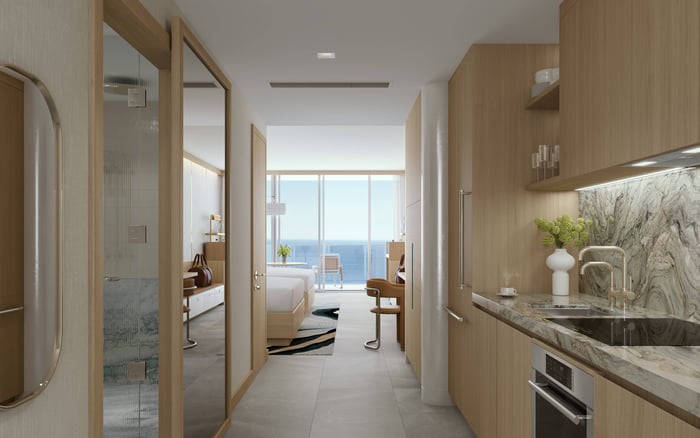
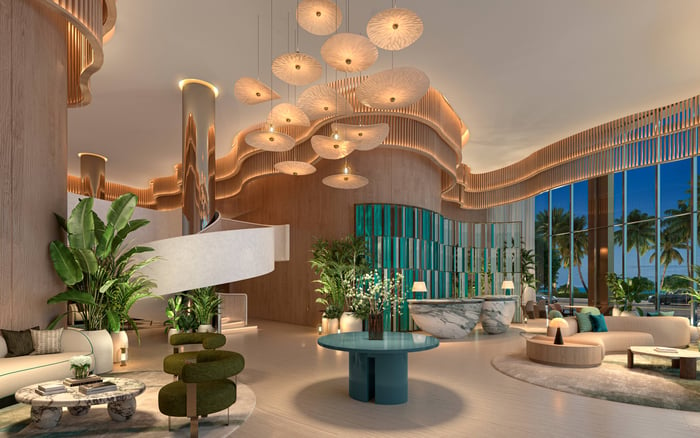
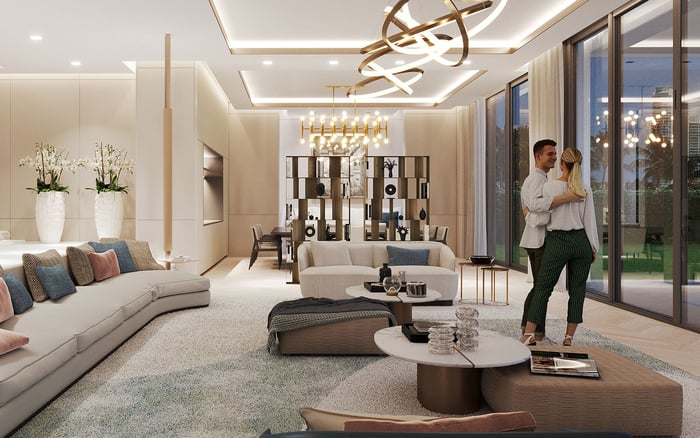
A buyer-focused comparison of Jade Ocean Sunny Isles Beach and W Pompano Beach Hotel & Residences, framed around ownership structure, governance, hospitality lifestyle, and resale clarity.
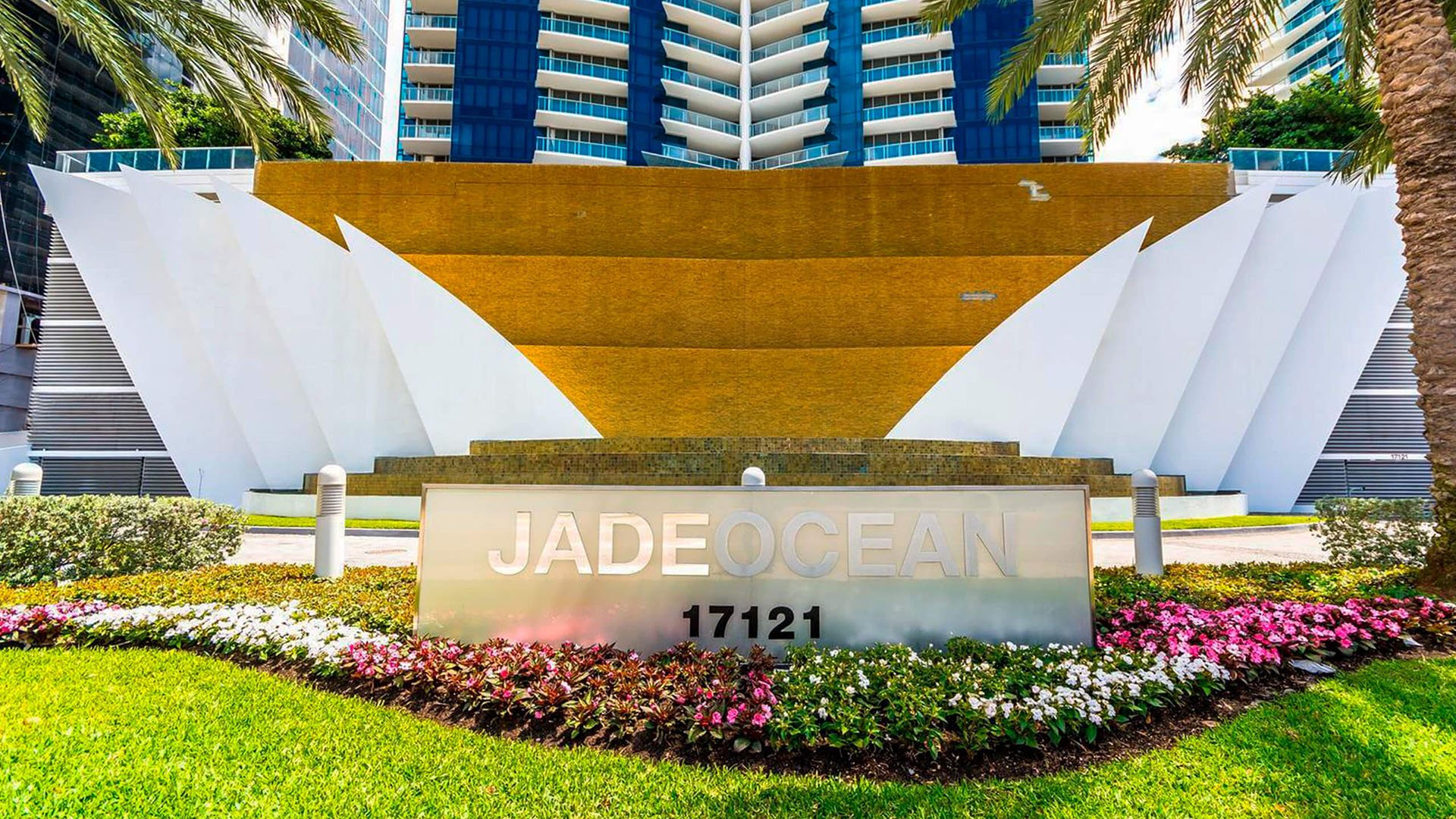
Comparing Jade Ocean Sunny Isles Beach with W Pompano Beach Hotel & Residences is not simply a matter of choosing the more glamorous tower. The sharper question is structural: does the buyer want an established pure condominium in a proven coastal market, or a branded hotel-and-residences environment shaped by hospitality energy, services, and a newer Pompano Beach thesis?
That distinction matters because luxury real estate is not only experienced as architecture. It is governed, maintained, financed, resold, and lived in under rules that define the ownership experience. A residence can be beautiful and still be the wrong fit if the governance model, rental logic, service program, or buyer pool does not align with the owner’s priorities.
Jade Ocean enters this comparison as the mature, conventional luxury-condo choice. W Pompano Beach Hotel & Residences enters as the hospitality-forward alternative. One leans toward resale clarity and owner control. The other leans toward branded lifestyle and a more service-driven ownership rationale.
Jade Ocean is a luxury oceanfront condominium option in Sunny Isles Beach, positioned for buyers who want an established South Florida coastal address. Its appeal in this comparison comes from its pure-condominium format. It is not best understood as a hotel-residence hybrid, and that clarity is central to its buyer logic.
For some ultra-premium buyers, Jade Ocean’s appeal is not novelty. It is the discipline of a completed, market-tested condominium asset. A mature tower allows a buyer to assess the building as an existing residential community rather than interpret a hospitality concept before it has fully settled into daily operation. The value proposition is less about launch momentum and more about confidence in how the asset functions as a condominium.
That can be especially important for buyers focused on long-term capital preservation. A pure-condo structure is typically easier to understand than a hotel-residence framework because ownership, governance, and building culture are more conventional. Buyers seeking simpler governance should scrutinize Jade Ocean first, not because it is necessarily more exciting, but because it presents fewer structural questions to decode.
In that sense, the Jade Ocean buyer is often thinking about control. Who makes decisions? How does the residential environment function? How legible is the resale story to the next buyer? Those questions are not decorative. They sit at the center of a disciplined acquisition.
W Pompano Beach Hotel & Residences is positioned differently. It is a branded hotel-and-residences project in Pompano Beach, making it structurally distinct from a pure condominium tower. Its appeal depends more on brand lifestyle, hotel-style amenities, and momentum around Pompano Beach’s redevelopment narrative.
For the right buyer, that is precisely the draw. W Pompano speaks to owners who want service energy, branded residential identity, and a setting that feels connected to hospitality rather than insulated from it. The ownership rationale may also feel more yield-oriented for buyers comfortable evaluating a property through a hospitality lens, though individual rules and operating details should be examined carefully before any purchase decision.
The broader question is whether the buyer views hospitality infrastructure as an advantage or a complication. A hotel-residence model can deliver a more animated experience, but it also asks the owner to understand how hotel and residential components interact. That includes governance, operations, access, service standards, and the way future buyers may assess the asset.
This is where the condo-hotel conversation becomes practical rather than fashionable. A branded environment may feel more dynamic, but it is not interchangeable with a conventional condominium. Buyers who want hotel-style services, branded energy, and exposure to a newer Pompano Beach narrative should scrutinize W Pompano first.
In South Florida’s luxury market, governance is often less visible than finishes, views, and amenities, but it can be more consequential over time. The best residence is not simply the one with the strongest first impression. It is the one whose operating model supports the owner’s lifestyle and exit strategy.
Jade Ocean’s advantage is clearer owner control within an established condominium format. That does not mean every question disappears. Luxury buyers should always review association documents, budgets, maintenance standards, reserves, rules, and any restrictions that affect use. But the framework itself is more familiar.
W Pompano’s governance questions are different because hotel and residential components coexist. That can be attractive when a buyer values hospitality services, but it also requires a sharper understanding of how operations are organized. The brand experience must be evaluated alongside the ownership documents, not in place of them.
This is where emotional preference should slow down and diligence should take over. A buyer may prefer the energy of a branded project or the calm of a conventional oceanfront condominium. Neither instinct is wrong. The mistake is treating both structures as though they work the same way.
Resale is where the distinction becomes especially important. Jade Ocean’s resale logic benefits from being a completed, market-tested condominium asset. Future buyers can evaluate the building as an existing luxury condominium with a more conventional ownership structure. For conservative capital, that legibility matters.
W Pompano’s resale case may be strongest for buyers who believe in branded hospitality, hotel-style service, and Pompano Beach’s evolving luxury profile. Its future buyer pool may respond to the cachet of a hospitality brand and the lifestyle experience attached to it. That is a different liquidity thesis from the Jade Ocean case.
The conservative resale-focused buyer is more naturally aligned with Jade Ocean. The lifestyle-and-hospitality buyer is more naturally aligned with W Pompano. This does not mean one asset is universally superior. It means each property asks the buyer to accept a different relationship between prestige, structure, and market perception.
Buyer shorthand often reduces the choice to Sunny Isles versus Pompano Beach, but the deeper divide is ownership logic. Jade Ocean represents architectural prestige within a conventional luxury-condo structure. W Pompano represents branded hospitality and the possibility of lifestyle upside in a changing coastal market.
Choose Jade Ocean if the priority is maturity, cleaner governance, established condominium rhythm, and a resale story that is easier for future buyers to understand. It is the more natural fit for owners who want an oceanfront home with a conventional luxury-condo framework and a capital-preservation mindset.
Choose W Pompano if the priority is branded lifestyle, hotel-style services, hospitality energy, and participation in Pompano Beach’s redevelopment momentum. It is the more natural fit for buyers who are comfortable with a hotel-and-residences model and who see value in a service-led ownership experience.
The final decision should begin with use case. A primary-residence buyer seeking quiet control may read the two options very differently from a second-home buyer who prizes services and occasional-use convenience. An investor-minded buyer may focus on operating rules, rental permissions, and future buyer demand. A family office may focus on durability, governance, and liquidity.
In the end, Jade Ocean is the more disciplined condominium answer. W Pompano is the more hospitality-oriented lifestyle answer. The better fit depends on whether prestige is defined by established ownership clarity or by the energy of a branded residential experience.
Is Jade Ocean Sunny Isles Beach a pure condominium? Yes. Jade Ocean is best framed as a pure-condominium ownership product rather than a hotel-residence hybrid.
Is W Pompano Beach Hotel & Residences more hospitality-oriented? Yes. W Pompano combines hotel and residential components, making it the more hospitality-led option in this comparison.
Which option is better for governance simplicity? Jade Ocean is the cleaner starting point for buyers who want a more conventional condominium structure and clearer owner control.
Which option is better for hotel-style services? W Pompano is better aligned with buyers seeking branded residential energy, hotel-style amenities, and a service-driven lifestyle.
Which property is more resale-focused? Jade Ocean has the stronger fit for buyers prioritizing long-term capital preservation and market-tested resale clarity.
Does W Pompano have a different ownership logic than Jade Ocean? Yes. Its hotel-and-residences structure creates a different operating and lifestyle framework than a pure condominium.
Should conservative buyers start with Jade Ocean? Generally, yes. Buyers focused on governance discipline and conventional condo resale logic should scrutinize Jade Ocean first.
Should lifestyle buyers start with W Pompano? Generally, yes. Buyers who value hospitality branding and hotel-style services should examine W Pompano first.
Is this mainly a Sunny Isles versus Pompano Beach decision? Not entirely. Location matters, but ownership structure, governance, and resale logic are equally important in this comparison.
Which is the better property overall? There is no universal winner. Jade Ocean favors discipline and resale clarity, while W Pompano favors branded hospitality and lifestyle positioning.
If you'd like a private walkthrough and a curated shortlist, connect with MILLION.
If branded residences are on your mind — as a home or as an allocation — we would be glad to share what we are seeing, privately.
Begin a quiet conversation