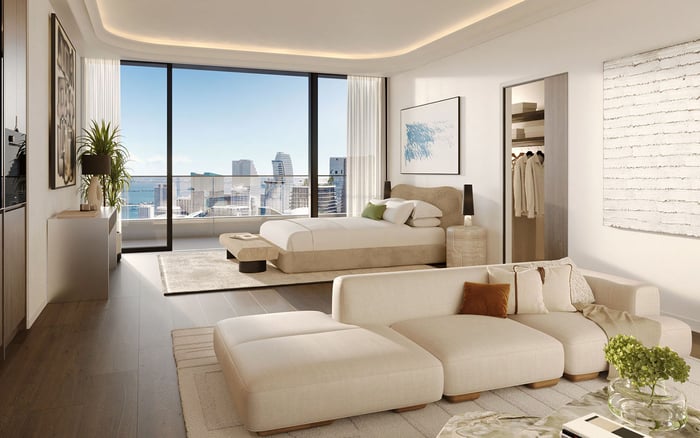
A discreet, buyer-oriented look at five South Florida neighborhoods where luxury purchasers can frame a smarter search for buildings with adaptable systems, durable infrastructure and technology that is less likely to feel dated quickly.
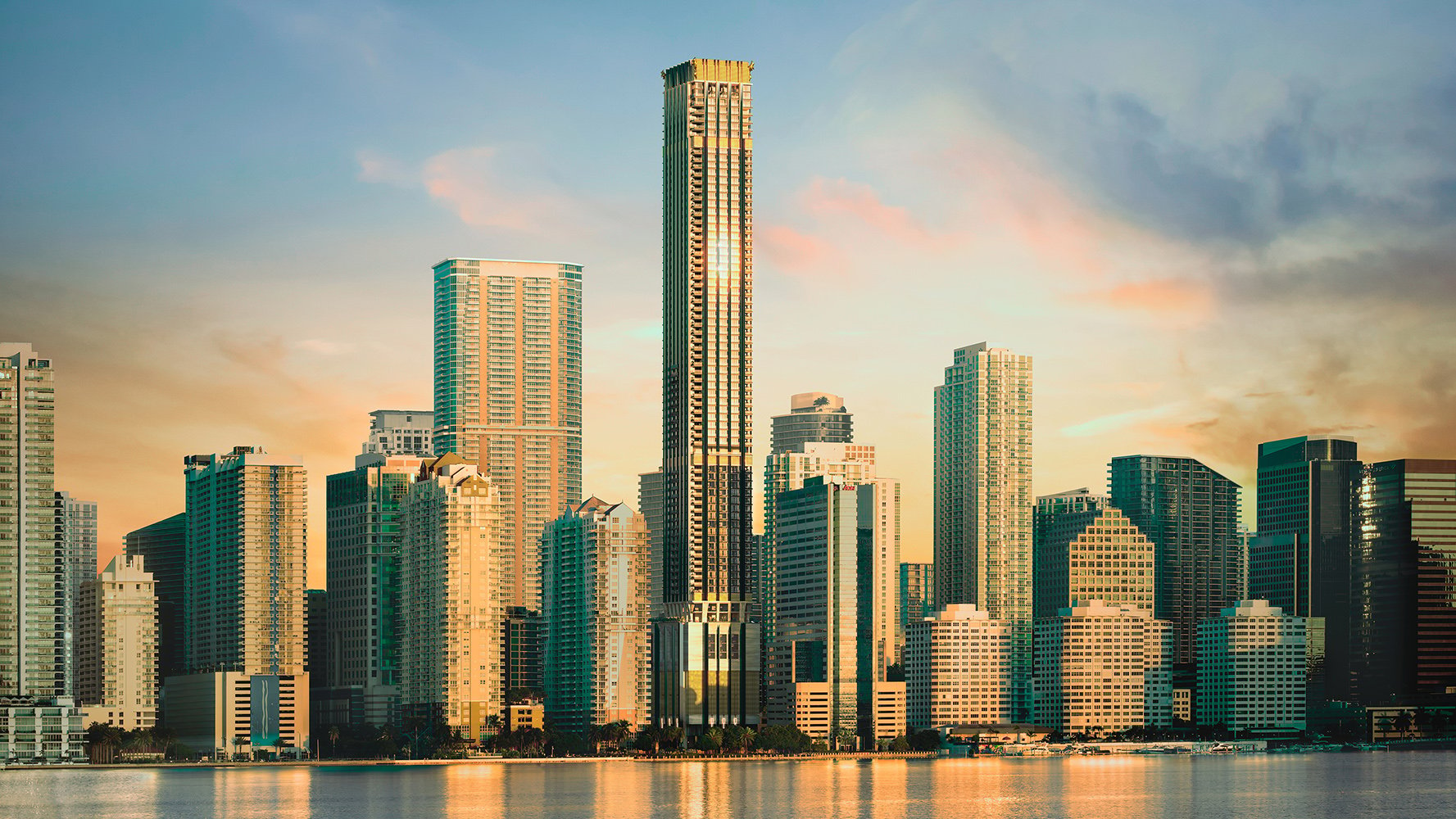
For a buyer seeking a South Florida residence that will not feel dated quickly, technology should be understood less as a collection of gadgets and more as a building philosophy. Screens can be replaced. Apps can be updated. The more important question is whether the building has the infrastructure, service pathways and operational discipline to accommodate what comes next.
In ultra-prime real estate, the most durable technology is often invisible. It lives in mechanical rooms, riser capacity, access control, elevator logic, package handling, air management, energy monitoring, backup planning, water-intrusion awareness and the ability to service systems without disrupting daily life. A residence can look spectacular on day one and still age poorly if the building was not designed for adaptability.
The strongest neighborhoods for this buyer are not simply those with the newest towers. They are the places where purchasers are most likely to scrutinize specifications, compare design intent and ask serious questions before signing. In that sense, the best market is one where architectural ambition, buyer sophistication and long-term maintenance expectations meet.
1. Brickell - high-rise systems discipline
Brickell is the natural starting point for buyers who view building technology as part of an urban lifestyle. The neighborhood’s luxury inventory is largely evaluated through the lens of vertical living, making elevator performance, security protocols, access management, parking logistics and residential connectivity central to the ownership experience.
For a technology-minded purchaser, Brickell is not about chasing the flashiest interface. It is about understanding how a building handles density with grace. Ask how residents, guests, deliveries, vehicles and service teams move through the property. A sophisticated building should make these flows feel controlled, discreet and intuitive.
2. Miami Beach - coastal resilience and lifestyle integration
Miami Beach attracts buyers who want design, privacy and proximity to the water, but a technology-forward purchase here requires particular attention to building resilience. Coastal exposure places a premium on materials, climate control, waterproofing awareness and systems that can be maintained carefully over time.
The essential question is whether the technology supports the lifestyle without becoming fragile. Smart access, wellness programming, lighting control and climate comfort matter, but they should be paired with a serious review of mechanical protection, service planning and building-envelope discipline.
3. Sunny Isles - tower living with a long-view lens
Sunny Isles is often considered by buyers who want height, views and a full-service residential setting. In this context, future-ready technology should be assessed through the scale of the building itself. A large luxury tower must remain efficient, secure and comfortable across many daily interactions.
Buyers should look beyond amenity language and focus on operational intelligence. How are elevators assigned? How is visitor access controlled? How are common areas monitored and maintained? How easily can in-residence technology be updated as standards change? A building that answers these questions clearly is more likely to age with composure.
4. Surfside - boutique privacy with technical restraint
Surfside appeals to buyers who value a more measured coastal atmosphere. For this profile, the most desirable technology is often quiet, refined and unobtrusive. The goal is not to turn a residence into a showroom of devices, but to make comfort, security and service feel almost invisible.
In boutique settings, due diligence shifts toward depth rather than spectacle. A smaller building may offer a more intimate ownership experience, but purchasers should still review system redundancy, access protocols, maintenance staffing and the ability to upgrade controls over time. Restraint can be luxurious only when the underlying infrastructure is serious.
5. Coconut Grove - low-density sophistication and adaptable living
Coconut Grove is compelling for buyers who want a softer residential rhythm while still expecting contemporary performance. Technology here should support livability, privacy and flexible daily use. The best purchase is one that allows a residence to evolve as family needs, work habits and wellness preferences change.
For this buyer, adaptable infrastructure is key. Review wiring pathways, lighting zones, climate control, acoustic planning, garage or arrival systems and how easily the residence can accommodate future upgrades. A home that can change without major disruption is often the one that remains desirable longest.
A spectacular view can make a buyer move quickly. Building technology should make that buyer pause. Before committing, request a clear explanation of the building’s core systems and how they are managed. The questions should be practical: what happens during a service interruption, how vendors are vetted, what can be controlled inside the residence and what depends on building-wide infrastructure?
New construction can offer advantages, but newness alone does not protect against obsolescence. A newly completed building may still rely on systems that are difficult to modify later. Conversely, a carefully planned residence with accessible pathways and thoughtful controls can remain current even as software and devices change.
The most important issue is serviceability. If a system requires excessive disruption to repair or replace, it may become a liability. Luxury buyers should pay close attention to where equipment is located, who can access it and whether upgrades can be made without compromising finishes.
A future-ready building tends to have a calm confidence. Its technology is not oversold. The sales conversation can move comfortably from design to operations. There is clarity around access, climate, security, elevators, parking, packages, maintenance and privacy. The building team can explain what is proprietary, what is replaceable and what is likely to evolve.
Buyers should also evaluate whether the residence supports multiple modes of living. A second home may become a primary home. A seasonal retreat may need to accommodate remote work. A family residence may require more privacy, better wellness controls or additional security. The more adaptable the infrastructure, the less likely the home is to feel locked into one moment in time.
Technology is building-specific, but neighborhood culture shapes buyer expectations. In Brickell, purchasers often expect efficient vertical movement and seamless access. In Miami Beach and Surfside, discretion, climate resilience and coastal comfort move higher on the list. In Sunny Isles, the scale of tower living makes systems management essential. In Coconut Grove, technology should disappear into a quieter residential experience.
This is why the right neighborhood is not simply a lifestyle choice. It is a filter for the kind of building you will evaluate. A buyer who understands that distinction can compare properties more intelligently and avoid paying a premium for features that may become dated faster than the architecture itself.
What makes building technology age quickly? Technology ages quickly when it is difficult to update, proprietary without support or installed without adequate service access.
Is the newest building always the safest technology choice? No. New construction can be compelling, but buyers should still evaluate infrastructure, serviceability and upgrade flexibility.
Should buyers prioritize smart-home features? Smart-home features matter, but wiring, controls, network reliability and future compatibility are more important than any single device.
Why is Brickell relevant for technology-focused buyers? Brickell places daily emphasis on vertical living, access control, elevator efficiency and building operations.
What should Miami Beach buyers review carefully? Miami Beach buyers should pay close attention to coastal resilience, climate systems, materials and maintenance planning.
Is Sunny Isles best for buyers who want full-service towers? Sunny Isles can suit that profile, provided the buyer reviews how the building manages scale, security and resident flow.
Why consider Surfside for discreet technology? Surfside can appeal to buyers who want technology to feel quiet, private and integrated rather than conspicuous.
How does Coconut Grove differ from the tower markets? Coconut Grove often attracts buyers seeking adaptable living, privacy and a softer residential pace.
What is the most overlooked technology question? Buyers often overlook how easily systems can be repaired, replaced or upgraded without disturbing finished spaces.
Should a buyer bring a specialist before contract? Yes. A qualified advisor can help review building systems, residence controls and long-term maintenance implications.
For a tailored shortlist and next-step guidance, connect with MILLION.
If branded residences are on your mind — as a home or as an allocation — we would be glad to share what we are seeing, privately.
Begin a quiet conversation