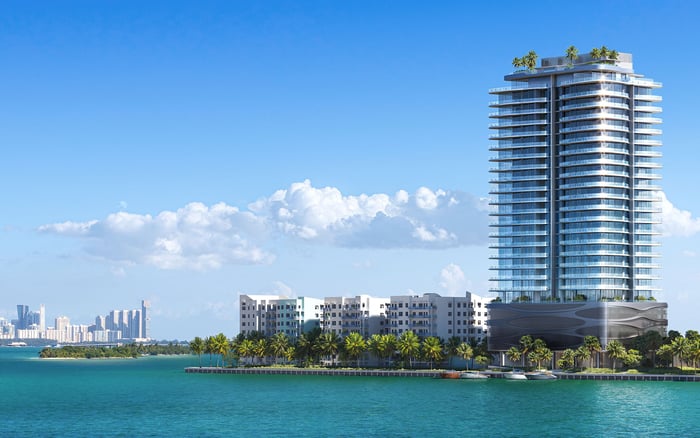
A discreet due-diligence guide for buyers evaluating financing contingency language, deposit exposure, lender approvals, appraisals, and attorney review before signing at Shoma Bay North Bay Village.
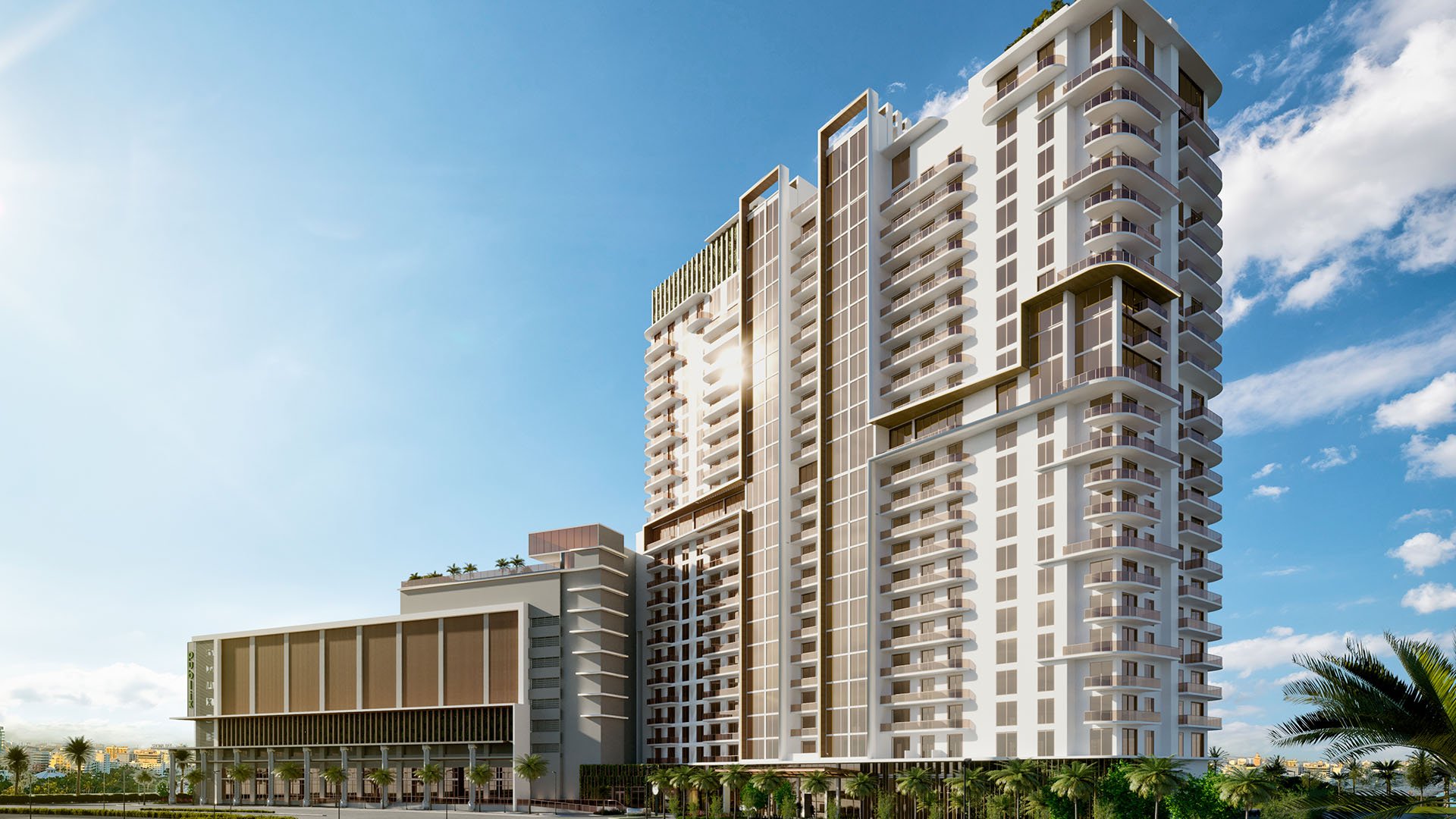
For a refined waterfront purchase, financing is often treated as a private matter between buyer, lender, and advisor. In a pre-construction condominium acquisition, however, the financing contingency can be one of the most consequential terms in the agreement. At Shoma Bay North Bay Village, the essential question is not simply whether you expect to qualify for a loan. It is whether the purchase contract protects you if the loan does not materialize on the terms, timeline, or project-approval basis you anticipated.
That distinction matters for buyers evaluating Shoma Bay North Bay Village within a broader North Bay Village search, where bayfront positioning and pre-construction appeal can make the sales narrative feel seamless. Contract language is rarely seamless. It should be read with the same care you would bring to architecture, views, amenities, and long-term investment planning.
Before discussing rates, down payments, or lender preferences, ask the direct question: does the developer contract include a financing contingency, limit that contingency, or require the buyer to close regardless of loan approval?
Those are very different positions. A clause that merely allows a buyer to apply for financing is not the same as a clause that allows cancellation if financing is denied. A clause with a short approval window may offer less practical protection than it appears to provide. A clause that excludes certain loan types may not match the way high-net-worth buyers actually finance real estate.
For buyers comparing Shoma Bay with nearby offerings such as Continuum Club & Residences North Bay Village and Tula Residences North Bay Village, the exercise is not to assume the contracts are similar. It is to confirm the precise language in each document before signing.
The deposit schedule deserves the same scrutiny as the purchase price. Ask whether deposits become non-refundable if financing fails after a short loan-approval window or after statutory cancellation periods expire. The practical risk is timing. A buyer may feel protected during an early review period, only to discover later that a lender issue no longer provides a clear right to recover deposits.
Ask for the exact deadline by which loan approval must be obtained. Then test that deadline against the project’s expected closing timeline. If the approval deadline arrives long before the building is ready for closing, the buyer should understand whether later financing issues remain protected or become the buyer’s responsibility.
This is where a polished purchase can become legally complex. A luxury buyer may have ample liquidity and still prefer leverage for tax, portfolio, or wealth-management reasons. The contract should be evaluated against the buyer’s actual financing plan, not a generic assumption that financing will be routine.
One of the most important questions is deceptively simple: what counts as loan approval under the contract? Does the contingency require only a loan application, a conditional approval, or a final clear-to-close from the lender?
A conditional approval may still depend on appraisal, condominium documentation, insurance, reserves, underwriting updates, or other lender conditions. A final clear-to-close is a much more advanced stage. If the contract treats early conditional approval as sufficient, the buyer may have less protection if a later condition cannot be satisfied.
Ask what written evidence is required to invoke the contingency. A lender denial letter may be necessary. An appraisal report may be relevant if valuation is the issue. Written lender conditions may matter if the loan is not denied outright but cannot proceed unless the building, budget, insurance, or documents satisfy underwriting standards.
A lender can decline or delay a loan for reasons tied to the buyer, but also for reasons tied to the condominium project. Ask whether the financing contingency protects against lender denial caused by the building, not only by the buyer’s personal credit profile.
This distinction is critical in new-construction condominium purchases. Association budgets, reserves, insurance, condominium governance documents, and project-level underwriting can affect whether a lender is comfortable financing a unit. Buyers should ask whether major lenders have already reviewed or approved the Shoma Bay condominium project for unit financing, while recognizing that final loan decisions still depend on lender requirements and the buyer’s file.
For buyers also studying nearby Bay Harbor Islands projects such as La Baia North Bay Harbor Islands and The Well Bay Harbor Islands, the same discipline applies. Waterfront and boutique market appeal do not replace lender due diligence.
If the developer has preferred lenders or pre-arranged financing programs, ask whether using them changes contingency rights. Preferred lending can be convenient, but convenience should not be confused with protection. A buyer should understand whether approval from a preferred lender satisfies the contract, whether denial by a preferred lender is treated differently, and whether the buyer remains obligated to seek financing elsewhere.
Also ask whether the buyer must keep applying with alternate lenders after one lender denies the loan. A contingency that requires additional applications may extend uncertainty and add administrative burden. A contingency that recognizes a properly documented denial from one qualified lender may operate differently. The contract language controls.
In a rising or shifting rate environment, financing risk is not limited to yes-or-no approval. Ask whether the contract protects the buyer if the appraisal comes in below the purchase price. If the lender bases the loan on a lower valuation, the buyer may need to contribute additional equity unless the contract provides a cancellation right or another remedy.
Then ask whether interest-rate increases, changed loan terms, or higher required down payments allow cancellation or simply shift risk to the buyer. A buyer may qualify for a loan, but not on terms that match the original financial strategy. If the contingency only addresses denial, not materially changed terms, the buyer may still be expected to close.
Private-bank clients should go further. Ask whether portfolio loans, securities-backed credit lines, cross-collateralized financing, or other bespoke structures qualify under the financing contingency. A contract drafted around conventional mortgage concepts may not automatically accommodate a sophisticated capital structure.
Foreign-national buyers should ask whether different loan-to-value limits, documentation requirements, or contingency restrictions apply. International income, asset verification, currency considerations, and documentation timing can affect approval. The question is not whether financing is possible. It is whether the contract’s cancellation protection, if any, fits the realities of that financing path.
Private-bank financing can be equally nuanced. A lender may underwrite against a broader relationship, pledged assets, portfolio concentration, or liquidity covenants rather than a standard mortgage profile. Buyers should ensure the contract does not inadvertently exclude the very financing they intend to use.
Finally, ask whether the contract gives the developer a right to cure financing issues, extend closing, or keep deposits despite failed financing. A developer may have contractual remedies or procedural rights that affect how a financing problem is handled. The buyer should know those rights before funds are at risk.
The most prudent step is to have a Florida real estate attorney review whether the buyer’s financing plan matches the actual contract language before signing. The goal is not to make financing feel difficult. It is to make the risk visible, negotiable where possible, and aligned with the buyer’s broader acquisition strategy.
Does Shoma Bay necessarily offer a financing contingency? Do not assume it does. Ask whether the contract includes one, limits it, or requires closing regardless of loan approval.
When should I ask about deposit refunds? Ask before signing, especially if deposits may become non-refundable after a short approval window or statutory cancellation period.
What loan approval deadline matters most? The exact contractual deadline matters most. Compare it with the project’s expected closing timeline.
Is a conditional approval enough protection? Not always. Ask whether the contract requires an application, conditional approval, or final clear-to-close.
Can building-related lender issues be covered? They may or may not be. Ask whether denial tied to project documents, insurance, reserves, or governance is protected.
Should I use a preferred lender if offered? It may be convenient, but ask whether using one changes your contingency rights or obligations.
What if the appraisal is below the purchase price? Ask whether that creates a cancellation right or simply requires you to bring more equity to closing.
Do rate increases allow cancellation? Only if the contract says so. Many financing issues can shift risk to the buyer unless expressly covered.
Do private-bank loans qualify under standard contingencies? Not automatically. Confirm whether portfolio, securities-backed, or cross-collateralized financing is included.
Who should review the financing language? A Florida real estate attorney should compare the contract with your actual financing plan before you sign.
For a confidential assessment and a building-by-building shortlist, connect with MILLION.
If branded residences are on your mind — as a home or as an allocation — we would be glad to share what we are seeing, privately.
Begin a quiet conversation