
A buyer-focused look at Kempinski Residences Miami Design District and the broader shift toward service-led ownership in Miami’s luxury condominium market.
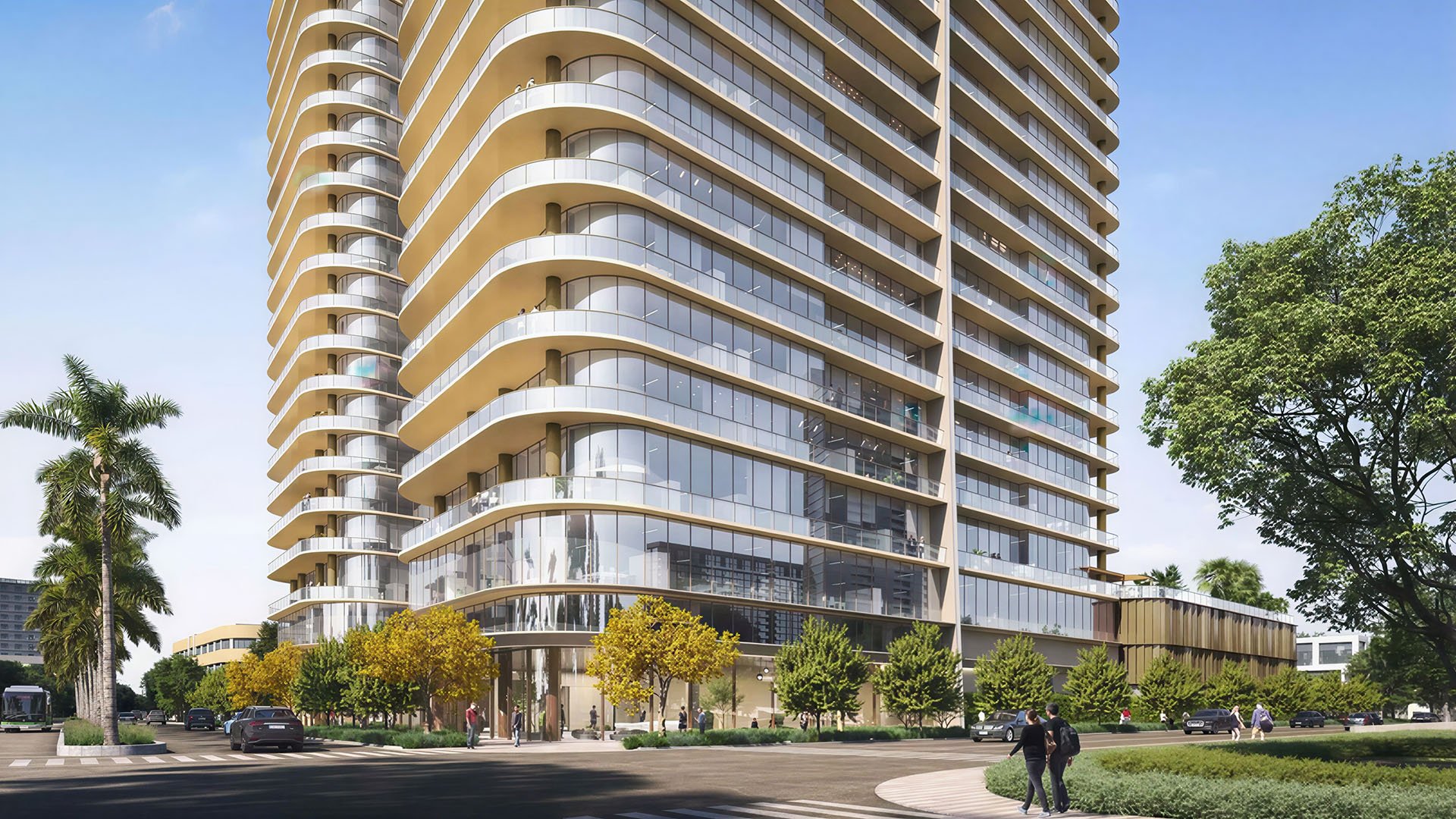
In Miami’s upper tier, the conversation has moved beyond square footage, views, and finishes. Those elements still matter, but they are no longer sufficient. The most discerning buyers now judge a residence by how intelligently it supports daily life: arrival, privacy, maintenance, wellness, hosting, security, and the small acts of coordination that make ownership feel effortless.
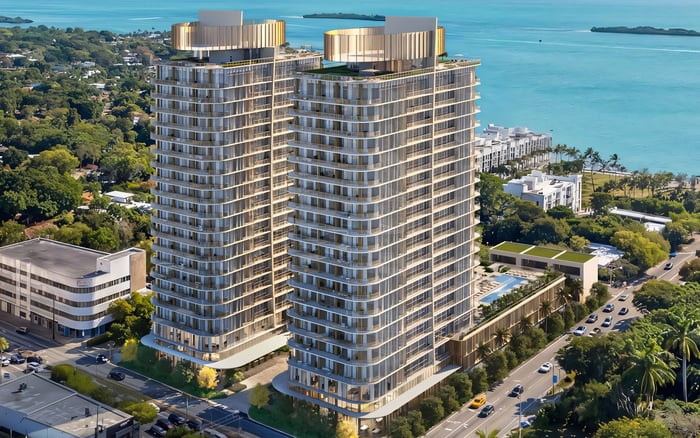
That is the context in which Kempinski Residences Miami Design District enters the discussion. Its relevance is not merely that it belongs to the expanding universe of branded residences. It is that buyers are asking a sharper question: what does the service promise actually do for me, my family, my guests, and my time?
Service-led ownership is not theatrical luxury. At its best, it is quiet, anticipatory, and repeatable. The owner should not have to explain preferences again and again. The building should understand rhythm, discretion, and continuity. In a market where affluent residents may divide time among Miami, New York, Palm Beach, Europe, or Latin America, that continuity can become as valuable as the residence itself.
Miami Design District has a particular relationship to luxury. It is not defined by beachfront ritual, resort density, or the office-tower energy of a financial core. Its identity is more curated: fashion, art, collectible design, architecture, dining, and a sense of walkable urban polish. For the right buyer, that creates a lifestyle proposition that is cultural before it is recreational.
This matters because service-led ownership depends on context. A residence in the Design District is not selling escape in the same way an oceanfront tower might. It is selling proximity to taste, access, and a day-to-night environment where errands, appointments, dinners, and social moments can be compressed into a more elegant routine.
That makes the service question more nuanced. In this setting, buyers may care less about spectacle and more about choreography. How does one arrive? How are guests received? How does the residence handle packages, reservations, housekeeping coordination, private entertaining, or time away from the property? How does the building help preserve privacy in a neighborhood built around visibility?
The phrase can sound broad, so buyers should translate it into practical categories. First is front-of-house excellence: the experience of being greeted, recognized, and assisted without friction. Second is residence care: the confidence to lock and leave. Third is hospitality coordination: the support structure around guests, dining, wellness, transportation, and special requests. Fourth is governance: the rules, staffing, and operating model that keep standards durable over time.
The last point is often the most important. A beautiful building can open with promise, but service-led ownership depends on systems. Buyers should understand how service levels are funded, how staffing decisions are made, how standards are protected, and how the brand presence relates to the condominium association. The question is not simply whether a name feels prestigious. It is whether the operating structure can sustain the promise.
For investment-minded buyers, this is equally relevant. In the ultra-premium segment, future appeal may rest on how well the property ages operationally. A building that feels polished in year one must still feel coherent years later. Service, in that sense, is not an amenity. It is part of the asset’s long-term identity.
Miami is now rich with branded and hospitality-influenced residential offerings, each with a distinct emotional register. A buyer comparing Kempinski in the Design District might also look at the theatrical urban glamour of 888 Brickell by Dolce & Gabbana, the waterfront prestige associated with The Residences at Mandarin Oriental, Miami, or the coastal familiarity of The Ritz-Carlton Residences® Miami Beach.
Those comparisons should not be reduced to which name is most recognizable. The stronger exercise is to compare the lifestyle each address implies. Brickell may appeal to buyers who want business access and skyline energy. Miami Beach may suit those who prioritize sand, resort cadence, and established coastal prestige. The Design District buyer is often seeking something more edited: urban, design-forward, discreet, and close to the city’s creative current.
That is why the boutique character of a service-led residence can be meaningful. Smaller-feeling service, even in a substantial building, often resonates with buyers who want recognition without performance. The ideal is not to be noticed by everyone. It is to be known by the right people within the building.
Service-led ownership is also overlapping with wellness. This does not always mean the largest spa or the longest amenity menu. It can mean the building reduces cognitive load. The owner’s schedule flows more smoothly. Guests are handled gracefully. Deliveries do not become a distraction. Maintenance is coordinated. A return to Miami after a week away feels seamless.
That is why some buyers compare branded residences with wellness-oriented communities such as The Well Coconut Grove, even when the locations and design philosophies differ. The common thread is not identical amenities. It is the desire for a residence that actively improves how life is organized.
In the Design District, that overlap becomes especially interesting. The neighborhood already speaks to personal refinement: what one wears, collects, eats, and sees. A service-led residence extends that logic inward, turning the private home into part of a larger ecosystem of taste and convenience.
A buyer considering Kempinski Residences Miami Design District should ask practical questions before becoming captivated by the brand narrative. What services are included, and what services are à la carte? How are requests managed? What is the anticipated staffing philosophy? How does the building treat privacy? What rules apply to guests, rentals, pets, vendors, and residence access? How will common areas be maintained over time?
The best buyers also examine fit. A service-intensive building is not automatically right for everyone. Some owners want maximum independence and minimal interaction. Others value a highly managed environment and will gladly pay for consistency. The ideal choice is the one that matches the owner’s real habits rather than an abstract idea of luxury.
For Design District buyers, the decision may come down to alignment. If the appeal is cultural proximity, refined daily access, and a residence that feels managed rather than merely maintained, Kempinski belongs in the conversation. If the priority is a purely beachfront routine, a marina lifestyle, or a suburban estate rhythm, other Miami and South Florida options may be more natural.
What is service-led ownership? It is an ownership model where hospitality, coordination, privacy, and residence care are central to the value of the home.
Why does it matter in Miami Design District? The Design District is associated with culture, design, dining, and luxury retail, so daily convenience and discretion are especially important.
Is Kempinski Residences Miami Design District a branded residences offering? It belongs in the broader branded residences conversation because buyers evaluate it through the lens of brand, service, and lifestyle fit.
What should buyers compare first? Compare the actual service model, ownership costs, governance, privacy standards, and how the building supports daily routines.
Is service more important than amenities? For many luxury buyers, service is what makes amenities usable, consistent, and worth returning to over time.
Who is the natural Design District buyer? A natural buyer values urban access, design culture, discretion, and a more curated Miami lifestyle.
Does a branded residence automatically protect value? Not automatically. Long-term appeal depends on execution, maintenance, governance, location, and buyer demand.
How should investment buyers think about service? Service can support long-term desirability when it is consistent, well funded, and aligned with the building’s identity.
Is boutique luxury different from resort luxury? Yes. Boutique luxury often emphasizes recognition, privacy, and precision rather than scale or spectacle.
Should buyers tour comparable Miami projects? Yes. Seeing different neighborhoods and service cultures helps clarify whether Design District ownership is the right fit.
For a tailored shortlist and next-step guidance, connect with MILLION.
If branded residences are on your mind — as a home or as an allocation — we would be glad to share what we are seeing, privately.
Begin a quiet conversation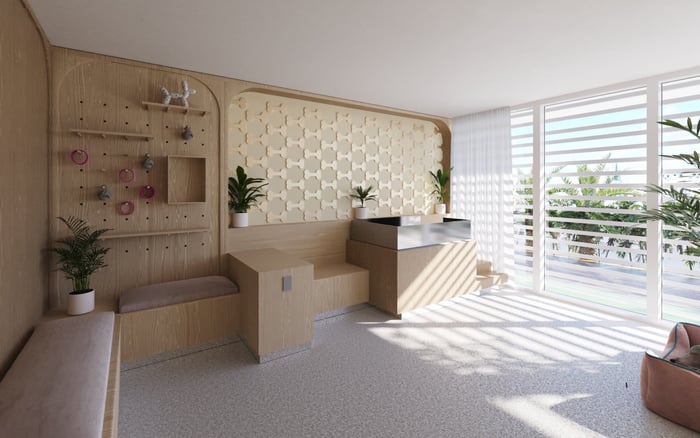
.jpg&width=700&height=438&fit=cover)