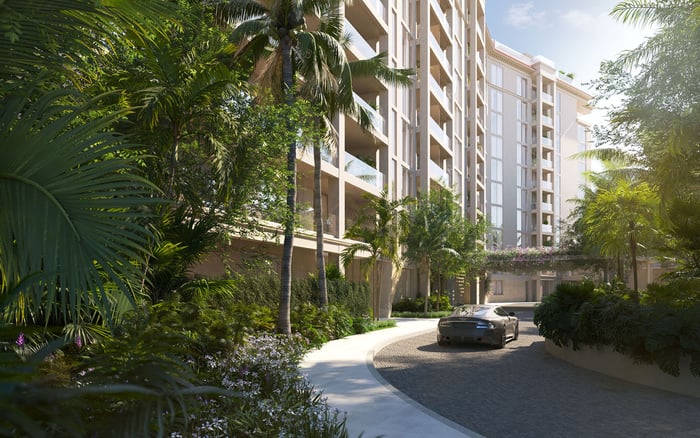
A practical Fisher Island buyer’s guide to developer warranty obligations, statutory condominium protections, coastal construction exposure, association turnover, and pre-closing diligence.
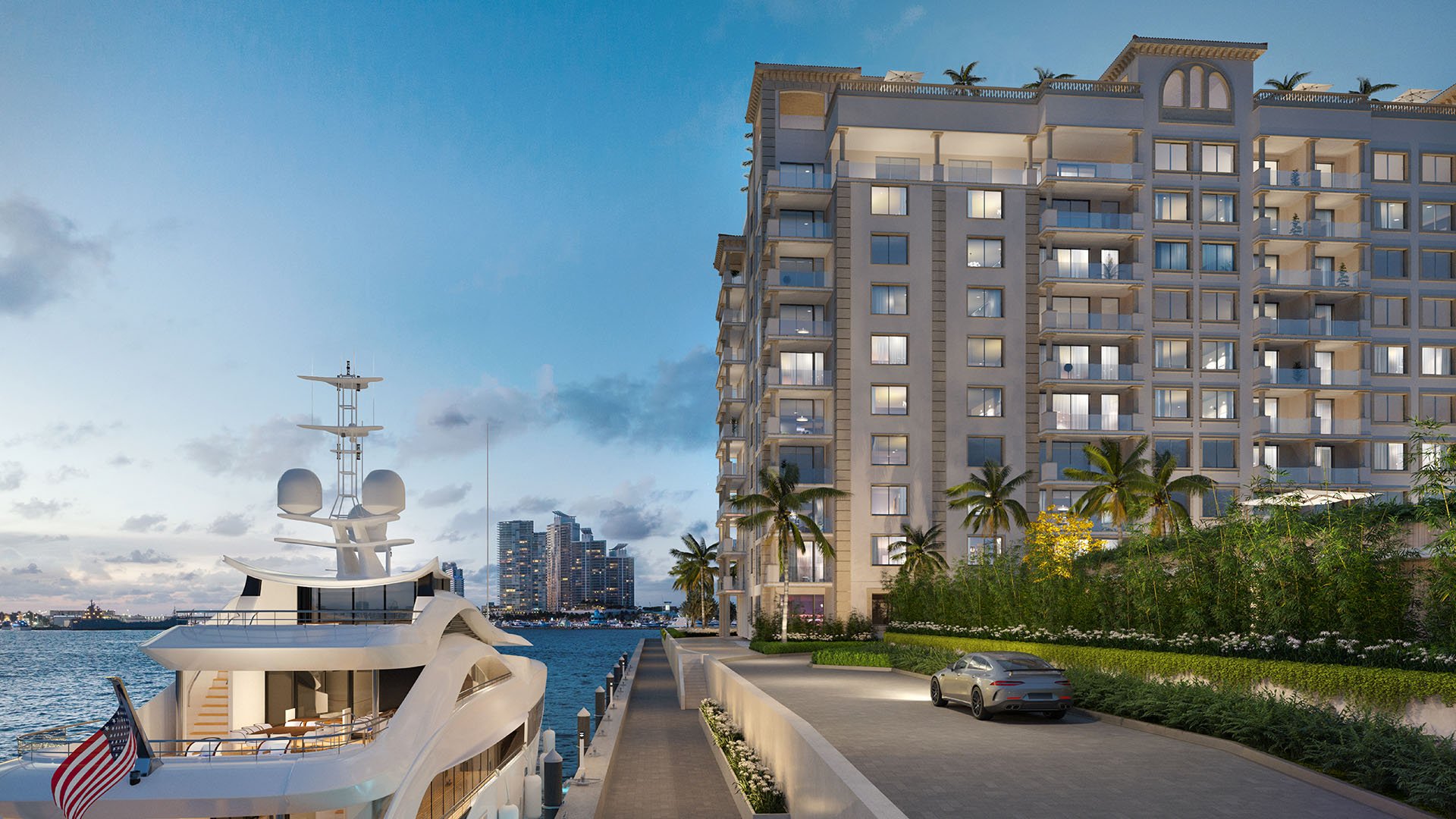
In Fisher Island luxury real estate, marble, millwork, terraces, and views often dominate the first conversation. The more consequential question is less theatrical: what, exactly, is the developer obligated to stand behind after closing?
For many Fisher Island residences, the answer begins with Florida condominium law. If the property is a condominium unit, statutory warranties may apply to the developer and to other parties involved in the work, including contractors, subcontractors, and suppliers. That distinction matters because the warranty conversation is not confined to the sales office or the brand presentation. It extends to the structure, systems, materials, common elements, and the association’s ability to act.
For buyers comparing established island residences with new-construction offerings such as The Residences at Six Fisher Island, the goal is not to create friction. It is to turn elegance into documentation. A luxury purchase should arrive with an equally refined paper trail.
The first warranty question is not “how long?” It is “from what date?” Condominium warranty periods can be tied to completion of the building or improvement, and association-control timing may affect how common-element claims are handled. A buyer should ask for the exact warranty commencement date for the unit, the building, each major improvement, and any phased component of the project.
That timing matters when completion, possession, closings, and association turnover do not occur on the same day. A residence may feel new to the buyer even though part of the warranty period has already been running. Ask the developer to identify which dates control and to place those dates in the closing file.
The practical request is straightforward: obtain a written schedule showing every warranty category, start date, expiration date, responsible party, notice address, and claim procedure.
A Fisher Island buyer should understand which warranty rights belong to the individual owner and which belong to the condominium association. Interior finishes, appliances, private HVAC components, smart-home controls, and unit plumbing may be treated differently from roofs, structural components, exterior glazing, corridors, elevators, pools, amenity areas, mechanical systems, electrical systems, fireproofing, fire-protection systems, and other shared improvements.
The issue is not merely who pays. It is who has standing to bring the claim, who controls access, who approves the repair method, and who receives the warranty documents. If the issue involves the building envelope, roof assembly, balcony system, exterior waterproofing, or shared mechanical infrastructure, the association may be the necessary actor.
That is why association turnover deserves early attention. Ask when unit-owner control occurred or is expected to occur. Ask whether the developer still controls the board. Ask whether any common-element warranty claims have already been submitted, settled, deferred, or released.
The same discipline applies to trophy resale settings, including island benchmarks such as Palazzo del Sol. Even where the residence itself presents beautifully, the condominium documents and association history can tell a more complete story. Buyers evaluating Palazzo del Sol Fisher Island should treat association records as part of the luxury due diligence package.
A developer warranty is only useful if the buyer knows how to use it. Before signing or closing, ask for the warranty manual, claim-submission procedure, notice address, emergency-repair protocol, response deadlines, and the department or individual responsible for administration.
Review the purchase agreement alongside those materials. It may address notice requirements, inspection rights, repair offers, mediation, arbitration, attorney-fee provisions, and the pre-suit process for construction-defect disputes. Florida’s Chapter 558 framework generally creates a notice-and-opportunity-to-repair process before a construction-defect lawsuit, but contracts can contain additional procedures that shape the buyer’s path.
Also ask what the developer considers a construction defect. The concept can extend beyond visible workmanship to design, specifications, surveying, planning, supervision, construction, remodeling, repair, materials, and products. The more precise the definition, the less room there is for ambiguity when a problem appears.
Fisher Island is a waterfront environment, and that fact should sharpen the warranty dialogue. Water intrusion, balcony assemblies, exterior glazing, roof membranes, sealants, waterproofing, pool and spa systems, garage floodproofing, lobby protections, and seawall-adjacent improvements deserve direct questions.
Ask whether windows, doors, roofing, shutters, and building-envelope products have applicable Miami-Dade approvals or Notices of Acceptance. Ask for flood-zone information, elevation certificates, finished-floor elevations, and a clear explanation of whether flood-related water intrusion is excluded from the developer warranty.
For buyers considering The Links Estates at Fisher Island, the single-family estate context may shift the emphasis from condominium common elements to site work, drainage, exterior assemblies, and owner maintenance. For condominium buyers considering Palazzo della Luna, the focus may include association-controlled building systems and shared envelope components. The vocabulary changes, but the underlying question remains the same: who is responsible if the coastal environment exposes a defect?
Luxury residences are complex assets. Humidity control, HVAC servicing, drain cleaning, sealant replacement, filter changes, balcony care, pool equipment maintenance, and association-level upkeep may all be relevant to preserving warranty rights. Ask whether the developer warranty imposes specific owner or association maintenance obligations.
A buyer should also ask whether separate contractor, subcontractor, supplier, and manufacturer warranties will be assigned or delivered at closing. Appliances, glazing systems, roofing materials, elevators, generators, smart-home systems, waterproofing products, and mechanical equipment may carry separate documentation. Those documents should be organized before a claim is needed, not discovered after a leak, failure, or shutdown.
Finally, ask whether the warranty is backed only by the developer entity or by a parent guaranty, insurance product, bond, escrow, or other credit support. A right is most valuable when the responsible party has both the obligation and the practical capacity to perform.
Warranty periods are not the same as statutes of limitation or repose. Making a warranty claim may not pause, extend, or otherwise affect legal deadlines for construction-related claims. Counsel should review the current Florida deadlines before closing, particularly for late-discovered defects.
Document review should include the condominium declaration, bylaws, rules, prospectus or offering circular, estimated operating budget, and exhibits. Those materials can disclose easements, leases, management arrangements, maintenance obligations, recreational facilities, and access rights that affect repair responsibility.
Buyers should also ask about prior litigation, liens, recorded claims, building-code violations, open permits, permit disputes, and code-compliance issues. Then bring in professionals experienced with luxury coastal property. Building envelope, mechanical systems, elevators, pools, smart-home infrastructure, and high-end finishes should be inspected by specialists who understand the standards expected on Fisher Island.
Do developer warranties automatically cover every defect in a Fisher Island condominium? No. Coverage depends on the property structure, governing documents, statutory rights, contract terms, responsible parties, and the nature of the defect.
What is the most important warranty date to ask for? Ask for the exact start date for each warranty category, including the unit, common elements, building systems, and phased improvements.
Who usually brings claims for common-element defects? Common-element claims may need to be handled by the condominium association, which is why association turnover and control are important.
Should I rely on the developer warranty instead of an inspection? No. Warranty rights should complement pre-closing inspections by professionals experienced with luxury coastal condominiums and estates.
Are manufacturer warranties separate from developer warranties? They can be. Ask whether contractor, supplier, subcontractor, and manufacturer warranties will be assigned or delivered at closing.
Why does Chapter 558 matter to buyers? It can create a pre-suit notice-and-opportunity-to-repair process for construction-defect disputes before litigation begins.
Can a purchase agreement change the claim process? It may add or refine notice addresses, inspection rights, repair procedures, mediation, arbitration, and attorney-fee provisions.
What coastal issues deserve special warranty questions? Ask about water intrusion, balcony systems, exterior glazing, waterproofing, roofing, floodproofing, pools, spas, and drainage.
Does filing a warranty claim extend legal deadlines? Not necessarily. Warranty periods and legal limitation or repose deadlines should be reviewed separately with counsel.
What documents should be requested before signing? Request the declaration, bylaws, rules, offering materials, budget, exhibits, warranty manual, maintenance requirements, and claim procedures.
If you'd like a private walkthrough and a curated shortlist, connect with MILLION.
If branded residences are on your mind — as a home or as an allocation — we would be glad to share what we are seeing, privately.
Begin a quiet conversation