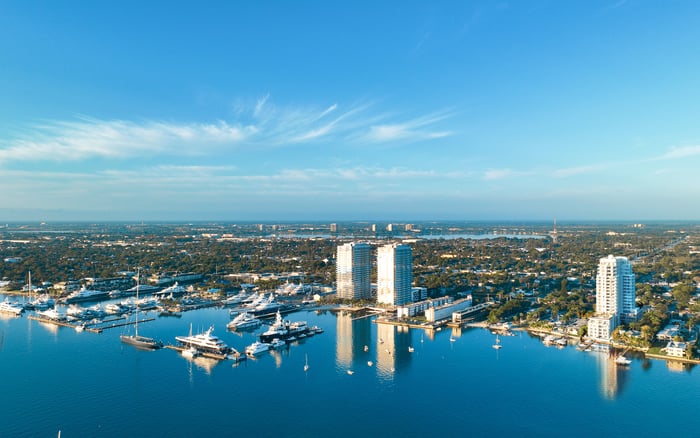
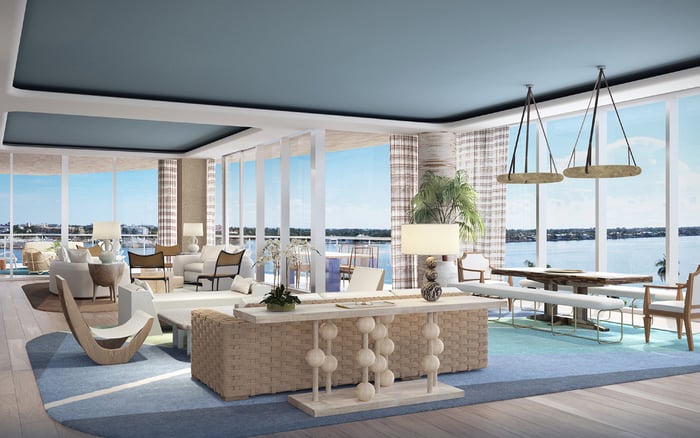
A discreet, buyer-first checklist for evaluating a developer, approvals, contracts, and construction risk in West Palm Beach pre-construction condos, using primary public records and Florida-specific protections.
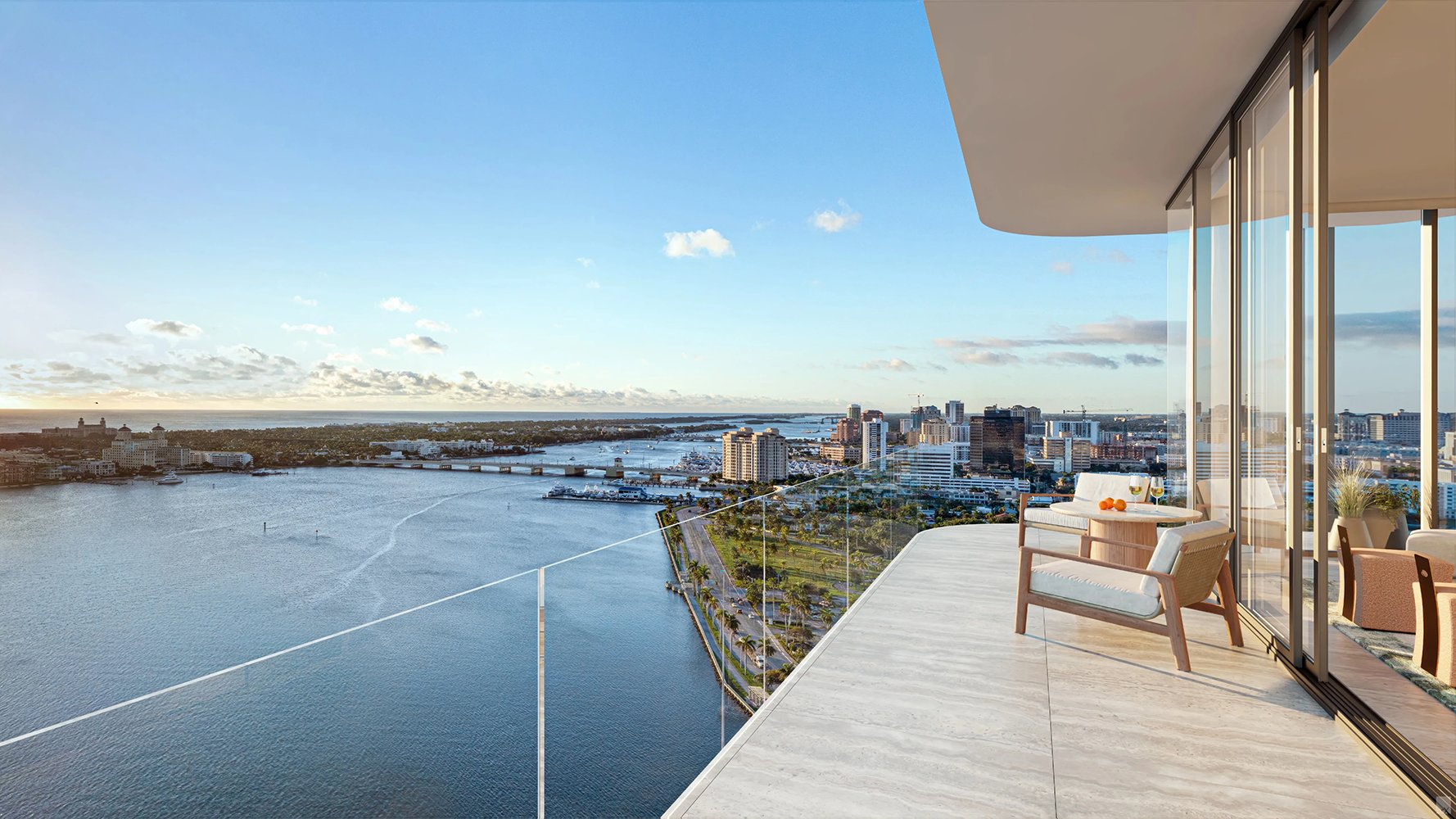
West Palm Beach has matured into a South Florida market where lifestyle, capital preservation, and execution risk are evaluated together. In a pre-construction purchase, you are not just selecting a view and a floor plan. You are underwriting a multi-year sequence: entitlement, permitting, construction, inspections, and turnover.
For West Palm Beach buyers, luxury often arrives wrapped in a polished sales gallery and a recognizable architect. The more consequential questions are usually quieter. Who is actually building the project? What is approved today, and what is still conceptual? How does the contract allocate delays, substitutions, and remedies? Those answers are typically discoverable with disciplined research, and they matter as much as any finish schedule.
As reference points in the current pipeline, buyers will encounter offerings such as Mr. C Residences West Palm Beach and The Ritz-Carlton Residences® West Palm Beach. Brand and design set expectations. Diligence protects them.
Begin with the simplest filter: verify that the builder, the developer entity, and any qualifying agent tied to the work hold the appropriate Florida license and remain in good standing. Florida’s Department of Business and Professional Regulation (DBPR) oversees professional licensing and key building-codes-related programs. In practical terms, DBPR records help you confirm who is authorized to perform regulated work before you spend time debating finishes.
This step is not about assuming misconduct. It is about eliminating ambiguity in a process where corporate entities can change, joint ventures can form, and contractors can be replaced. A clean record does not guarantee perfect execution, but unclear or inconsistent records are a reason to slow down and request documentation.
Keep the Florida Building Code framework in view as well. Florida operates through a statewide code system. In luxury, the question is not merely whether the building will be “code compliant.” It is whether the developer shows procedural discipline: documented inspections, consistent oversight of trades, and a credible path to a certificate of occupancy.
In Palm Beach County, zoning actions for many projects move through the Planning, Zoning and Building department’s Development Review Officer (DRO) process. Buyers can review public DRO results and certifications to confirm a project’s approval status.
This matters because marketing language often compresses timelines. A tower can be presented as imminent while key steps remain in progress. Your goal is to verify what is approved now, what conditions attach to those approvals, and what is still subject to revision.
Think like an owner, not a shopper. A developer who can clearly map approvals, conditions, and the permitting plan is usually a developer who can manage schedule, consultants, and scope. Vague answers about “final approvals” can be an early indicator of redesign risk, timing shifts, or both.
As you look at waterfront and Flagler-adjacent living, you may also see projects like Alba West Palm Beach positioned for buyers seeking new-construction quality with a central address. Regardless of the building, the discipline stays consistent: confirm status in public records first, then evaluate the narrative.
Florida condominium purchases from a developer follow a specific documentation and disclosure regime. Under Florida Statutes §718.503, a buyer is entitled to receive a prospectus or disclosure statement and other condominium documents, and the statute provides cancellation rights if requirements are not met.
For a high-end buyer, treat the condominium document package as the project’s operating system. It defines what you are purchasing and how the building will function: what constitutes a unit versus common elements, what the developer may change, and how costs are allocated.
Pair this with Florida’s broader disclosure principles. Florida law requires disclosure of known facts that materially affect property value and are not readily observable, creating potential liability for nondisclosure. The key is materiality. In luxury, “material” can include factors that influence long-term marketability, not only obvious physical conditions.
Insist on an organized document delivery process. Professional teams provide version control and dated transmittals. When documents arrive piecemeal, it becomes harder to confirm what you received, when you received it, and how statutory timelines apply.
Pre-construction contracts are engineered documents. They allocate risk for delays, substitutions, design development, dispute resolution, and the remedies that matter if delivery slips or core features change.
Clarify the due diligence structure. A standard due diligence period is the window after a contract is accepted when a buyer investigates the property and deal before closing. In developer sales, that window is often shorter or structured differently than resale. Confirm what investigative rights you actually have after signing and what events trigger deadlines.
Scrutinize inspection rights as well. An inspection contingency can allow a buyer to renegotiate or terminate based on inspection findings. In new-construction condominium deals, contracts may narrow how inspections are conducted and what qualifies as a “defect.” The exact language determines your leverage.
Because these agreements allocate major risks, a Florida real estate and construction attorney should review the developer-drafted purchase agreement before you sign at this price point. The goal is not confrontation. It is clarity on what happens if schedules extend, finishes are substituted, or association budgets arrive higher than expected.
Luxury presentation can imply a disciplined construction process. Sometimes that is true. Sometimes the presentation is simply strong marketing.
Florida mechanics’ liens can be filed by contractors, subcontractors, and suppliers for unpaid work, which is why lien awareness belongs in your risk framework. Even when buyers are not directly responsible for trade payments, lien activity can signal cash-flow stress, change-order disputes, or management breakdowns that may affect delivery.
Credible developers run trade-partner compliance systems that verify subcontractor licensing and insurance and track documentation. They also create a record of construction monitoring through structured site visit reports that capture progress, issues, and corrective actions.
You do not need to be on the job site. You do need a process that produces a reliable paper trail. Ask how corrective work is tracked and who signs off. In South Florida, where timelines carry real cost, disciplined documentation often separates a controlled punch list from a prolonged one.
In the Flagler corridor conversation, buyers evaluating Forté on Flagler West Palm Beach are ultimately asking the same operational question: does the project team behave like a luxury manufacturer, or like a loose collection of vendors?
New construction commonly faces delays tied to labor and material availability, weather, and permitting issues. The luxury buyer’s exposure is not only inconvenience. It is financial and lifestyle friction: extended carrying costs on an existing residence, rate-lock exposure if financing, and opportunity cost within an investment portfolio.
A sophisticated diligence conversation includes schedule buffers and contingency planning. Ask how the developer models delays and what the contract permits in terms of extensions. Then test it against execution: are long-lead items identified, and does the team have a track record of ordering early?
Your lender can add discipline. A buyer’s lender will typically require an appraisal as part of the financing process, creating an independent check on value that can affect negotiation or contingencies. Even cash buyers benefit from understanding how the market is likely to underwrite the asset at delivery.
A recognizable brand can be a meaningful cue for design intent and resident experience. It is not a substitute for financial stability.
Florida has seen high-profile developer bankruptcies that halted construction and triggered unpaid-contractor lien claims. Even prominent names can face pressure from litigation exposure and large liabilities. For buyers, the takeaway is direct: evaluate the capital posture and legal profile with the same seriousness you evaluate the view.
At a minimum, look for patterns: repeated litigation with contractors, recurring complaint themes, or abrupt changes in project leadership. BBB accreditation directories can be a quick screen for complaint and resolution patterns, though they are not a substitute for legal and financial diligence.
One additional signal is communication quality. Teams that answer hard questions calmly and produce documents quickly usually have internal controls.
The strongest luxury purchase process looks less like shopping and more like curating.
Start with fit: how you plan to live, your tolerance for construction timelines, and whether you prefer resale flexibility or the customization path of a developer purchase. Then apply the same diligence sequence to every building on your shortlist.
If you are considering an alternative along the same lifestyle axis, Shorecrest Flagler Drive West Palm Beach may appear in your search alongside other new towers. Treat the decision as comparative underwriting: approvals, documentation, contract remedies, and the project team’s operational rigor.
When those fundamentals are sound, new construction can deliver what resale rarely does: a clean start, modern systems, and confidence in how the building came together.
What is the first public check I should do on a developer team?
Confirm relevant licenses and good standing through Florida’s DBPR public records.
Why does DBPR matter to a condo buyer?
DBPR oversees professional licensing and building-codes-related programs, making it a practical starting point for compliance checks.
How can I confirm whether a West Palm Beach project is actually approved?
Review Palm Beach County Planning, Zoning and Building records, including DRO results and certifications where applicable.
What documents should I expect in a Florida developer condo sale?
A prospectus or disclosure statement and other condominium documents required under Florida Statutes §718.503.
Do I have cancellation rights if required condo documents are missing?
Yes. Florida law provides statutory cancellation rights if delivery requirements are not met.
What is “material disclosure” in Florida real estate?
Known facts that materially affect value and are not readily observable generally must be disclosed.
Should I insist on an inspection contingency in new construction?
Preserve meaningful inspection rights where possible, and have counsel review any contractual limitations.
Why are mechanics’ liens relevant if I am buying from a developer?
Liens can signal unpaid work and project stress, which may affect timing and turnover quality.
What kinds of delays are most common in new construction?
Labor and material shortages, weather impacts, and permitting issues are common drivers.
What professional review is most important before I sign?
A Florida real estate and construction attorney should review the developer-drafted purchase agreement.
For a discreet, data-driven shortlist of South Florida residences, visit MILLION Luxury.
If branded residences are on your mind — as a home or as an allocation — we would be glad to share what we are seeing, privately.
Begin a quiet conversation