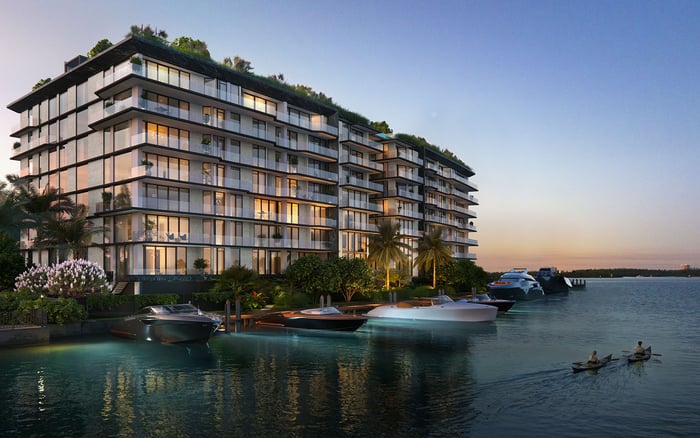
In Bay Harbor Islands, outdoor space is not an accessory. It is a second living room, a climate-ready entertaining platform, and, increasingly, the deciding factor between two otherwise comparable boutique condo options. Buyers weighing Alana against Onda are often less interested in headline amenities than in a more intimate question: how terrace scale actually changes daily use, privacy, and resale desirability. With limited public specifics disclosed in a consolidated way, the most practical approach is to assess terrace “scale” the same way seasoned end users do: by usability, proportion, orientation, and how the building’s design supports outdoor life. Below, MILLION Luxury frames a buyer-oriented comparison between **[Alana Bay Harbor Islands](https://www.millionluxury.com/bay-harbor-islands/alana)** and **[Onda Bay Harbor](https://www.millionluxury.com/bay-harbor-islands/onda-bay-harbor)** through the lens of outdoor terraces, without leaning on speculative measurements.
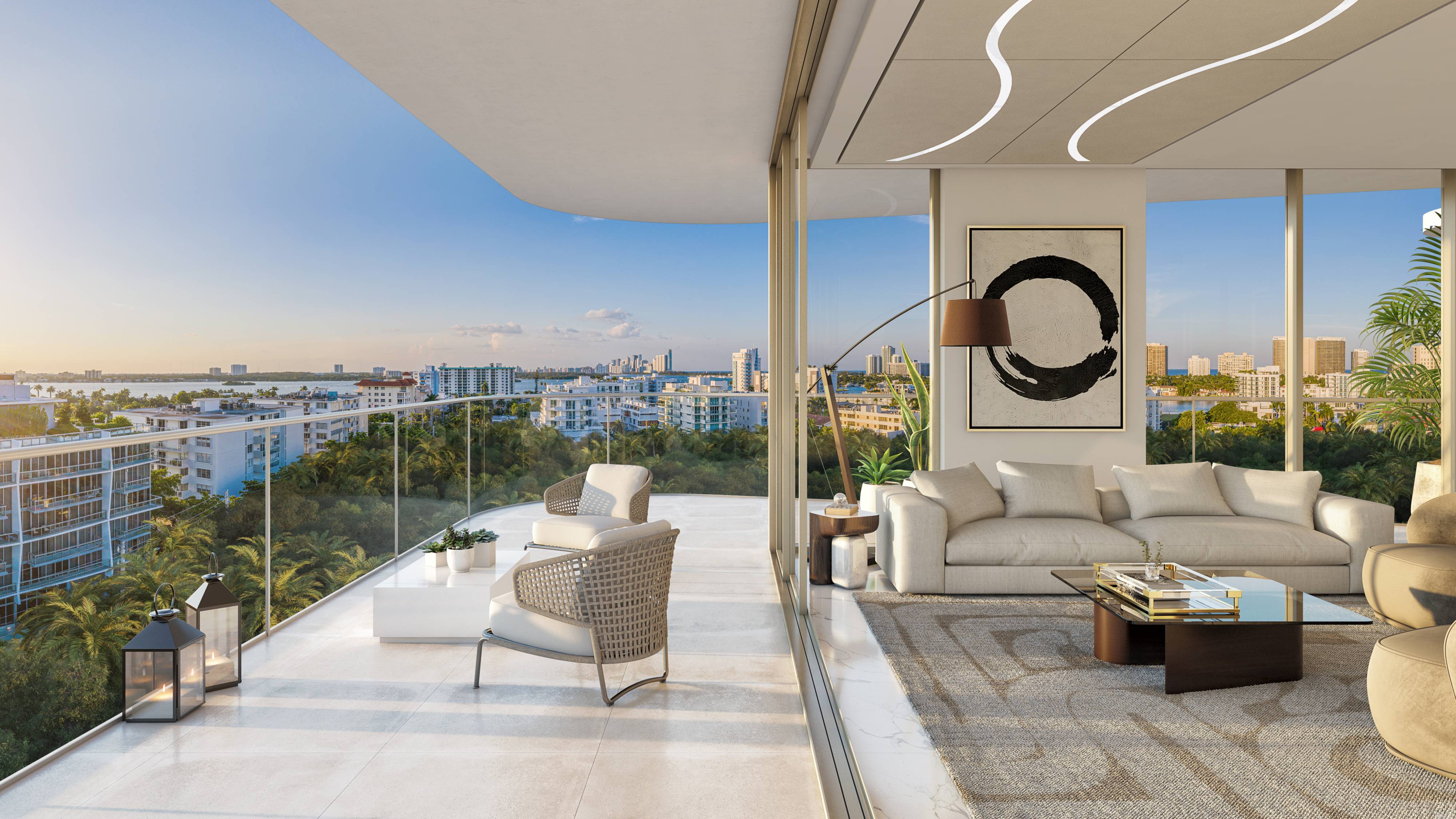
In Bay Harbor Islands, the terrace is rarely a token balcony. It’s where an afternoon turns into dinner, where a morning call happens in salt air instead of behind glass, and where a buyer decides whether a residence lives like a true retreat-or simply a well-finished interior.
When comparing Alana Bay Harbor Islands against Onda Bay Harbor, “scale” can sound like a simple square-footage contest. In practice, terrace scale is experiential. A smaller terrace with the right depth, clear furniture zones, and privacy cues can outperform a larger but awkward outdoor slab-one that bakes at noon or feels exposed at night.
That matters even more in boutique Bay Harbor projects, where residents expect a quieter building, fewer neighbors, and a more residential rhythm. The terrace becomes the home’s social valve: open when you’re entertaining, selective when you want discretion.
Because terrace details aren’t always presented in a consistent, apples-to-apples way, buyers are best served by evaluating scale through four criteria that translate directly to livability.
First is usable depth. Many buyers focus on length, but depth is what supports a real dining table, a conversational seating group, or a pair of chaise lounges-without compressing circulation. Depth also determines whether doors can stay open without furniture interrupting traffic lines.
Second is proportion to interior. A terrace that feels “right” typically mirrors the scale of the great room and primary suite. When outdoor space is proportionate, the home reads as a single indoor-outdoor composition rather than a room with an appendage.
Third is orientation and microclimate. South Florida rewards shade planning and punishes thoughtless exposure. The most successful terraces balance sun, breeze, and protection so outdoor living works across seasons-not only on perfect-weather weekends.
Fourth is privacy architecture. Rail height, planter integration, setbacks, and neighbor sightlines determine whether you use the terrace spontaneously or only when you’re prepared to be seen.
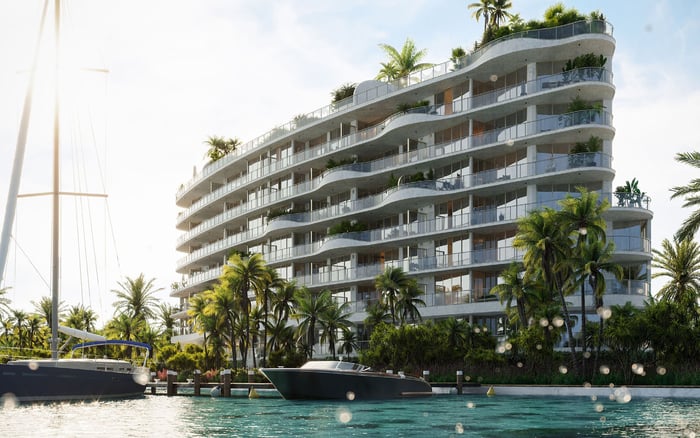
Without relying on hard measurements, you can still infer terrace performance by reading how each building expresses outdoor space. In boutique luxury, the façade is often the most honest document. Deep slab edges, articulated corners, and layered screening typically signal terraces designed for real furnishing-not merely code-minimum outdoor access.
In Bay Harbor, another tell is whether outdoor space is treated as an extension of the interior architecture, with consistent lines, generous openings, and a clear relationship between living areas and the terrace threshold. That threshold matters: it’s the moment when the residence either becomes a seamless indoor-outdoor environment or stays a compartmentalized condo.
For buyers also weighing the broader neighborhood’s newer offerings, it can be helpful to benchmark what “outdoor-forward” design looks like in the same micro-market. The wellness-oriented positioning of The Well Bay Harbor Islands, for example, speaks to a Bay Harbor buyer who values air, light, and daily-use outdoor space as lifestyle-not occasional luxury.
A large terrace on paper can fail in real life if it’s too narrow to furnish, too windy to enjoy, or too visible to feel relaxed. The end-user test is simple: can you place a dining table for six and a lounge zone, keep a comfortable walkway, and avoid putting key furniture directly in the sun path?
If the answer is no, the terrace may be “big,” but not truly scaled.
Buyers should also consider shape. Rectangular terraces with clean corners generally furnish better than irregular layouts. Corner conditions can be especially valuable in Bay Harbor because they create the feel of a private outdoor room, not a linear platform.
Finally, pay attention to the interior wall that faces the terrace. A long, uninterrupted opening tends to make the terrace read as part of the living room. A series of smaller openings can make outdoor space feel secondary, even when the terrace itself is generous.
Outdoor terraces in Bay Harbor Islands are as much about discretion as they are about views. The best terraces let you live outside without feeling like you’re performing for neighboring buildings or passing boats.
When comparing Alana and Onda, look closely at how the building massing stacks outdoor areas. Are terraces aligned directly above one another, or does the architecture introduce offsets that reduce vertical sightlines? Do corners and side elevations provide relief from direct neighbor views? These choices shape how often you’ll actually use the outdoor space.
For buyers who want a calmer, more residential feel, it can also be useful to review other boutique Bay Harbor options to calibrate preferences. Origin Bay Harbor Islands offers another reference point for how newer projects treat outdoor living within the island’s limited footprint, and what “private terrace living” can mean in a small-building context.
A. Wind and comfort Waterfront terraces can be sensational, but they can also be windy. The more elevated and exposed the terrace edge, the more wind mitigation matters for dining and soft seating. Glass railings preserve views, yet they can heighten the feeling of exposure. A terrace that feels protected tends to be usable more days per year-which is the real measure of scale.
B. Salt air and longevity Salt and humidity are constants. Materials, hardware, and exterior detailing influence how terrace elements age. A terrace designed to be furnished like an outdoor living room should also be designed to be maintained like one, with durable finishes and practical drainage.
C. Furniture planning and storage Terrace scale also includes where things go when weather shifts. Look for cues that the terrace can support a covered furniture plan or has enough depth to create sheltered zones. The more “programmed” the terrace can be, the more it behaves like true square footage.
In ultra-premium South Florida, terraces can influence value in two distinct ways. First is lifestyle value: the everyday benefit of usable outdoor living. Second is leverage in resale: the ability to differentiate in a market where interior finishes can be updated, but outdoor proportions are fixed.
Bay Harbor Islands attracts buyers who often want a quieter alternative to larger condo corridors, while staying close to top dining, beaches, and the broader Miami rhythm. In that context, a well-scaled terrace can become a signature feature-something buyers remember after touring multiple residences.
If you’re triangulating between Bay Harbor and nearby boutique coastal submarkets, it helps to notice how terrace culture shifts by location. In Surfside, for instance, ocean exposure, wind patterns, and a beachfront lifestyle can change how terraces are used; projects like Ocean House Surfside underscore how outdoor space can become a primary amenity in itself. That comparison clarifies what you want Bay Harbor terraces to deliver: more intimate water views and privacy, rather than pure oceanfront spectacle.
When you tour Alana and Onda, treat the terrace like a room-and walk it the way you would a living area.
Start at the threshold. Does the transition encourage doors-open living, or does it feel like you step outside only occasionally? Then stand at the railing and look back at the interior. Do you see a coherent entertaining flow, or a separation that makes outdoor dining feel like a separate event?
Next, map furniture zones. Picture a dining table, lounge seating, and a grill zone if permitted. If you can’t see a clear layout without compromising circulation, the terrace may not be as “large” as it first appears.
Finally, test privacy. Look diagonally to adjacent terraces and across the waterline. Consider whether lighting at night will make the terrace feel exposed. Privacy isn’t only about sightlines; it’s also about how comfortable you feel lingering outside after dark.
The smartest Alana-versus-Onda decision usually comes down to how you live, not what you admire in renderings.
If your outdoor life is daily and functional, prioritize terraces that read as a true extension of the great room, with enough depth for year-round furnishing and a microclimate that supports long meals and quiet mornings. If your outdoor life is more occasional but view-driven, you may prefer a terrace that prioritizes openness and panorama-even if it requires more intentional furnishing choices.
For many Bay Harbor buyers, the ideal is a terrace that does both: cinematic at golden hour, comfortable at noon, and discreet whenever you want the island to feel like your own.
What does “terrace scale” really mean in a Bay Harbor Islands condo? It refers to usable outdoor living quality-especially depth, layout, and privacy-not just stated square footage.
Is a larger terrace always better than a smaller one? Not necessarily; a well-proportioned, protected terrace can live better than a larger but more exposed layout.
How can I judge whether a terrace will feel private? Check direct and diagonal sightlines to neighboring terraces, and note how façade design reduces exposure.
What terrace dimension matters most for furnishing? Depth tends to matter most because it determines whether dining and lounge zones fit comfortably.
Do waterfront terraces have different maintenance considerations? Yes; salt air and wind increase wear, so durable materials and thoughtful detailing become more important.
How should I think about wind when comparing terraces? Evaluate how protected the seating areas feel, and whether the railing and building form create a calmer zone.
Can terrace design affect resale value? Yes; outdoor proportions are difficult to change later, so a truly usable terrace can be a lasting differentiator.
Should I prioritize terrace size or the indoor-outdoor connection? For many buyers, the connection is equally important because it influences how often the terrace is used.
What should I look for during a tour to assess terrace livability? Walk the space like a room, map furniture zones, and confirm that circulation, shade, and privacy feel intuitive.
What is the best way to shortlist comparable options for touring? Start with location fit, delivery status, and daily lifestyle priorities, then compare stacks and elevations to validate views and privacy.
For a discreet conversation and a curated building-by-building shortlist, connect with MILLION Luxury.
If branded residences are on your mind — as a home or as an allocation — we would be glad to share what we are seeing, privately.
Begin a quiet conversation