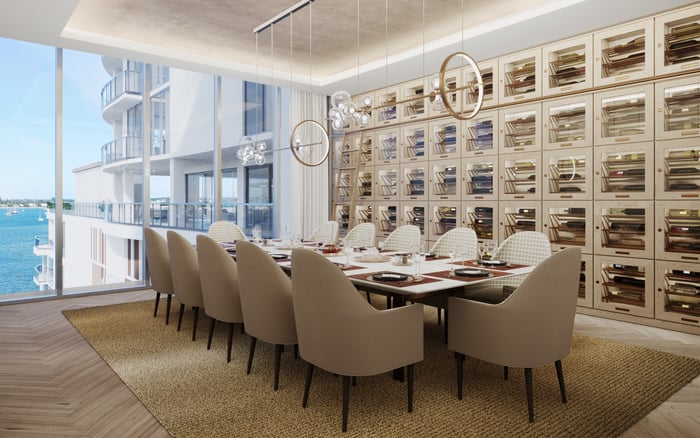
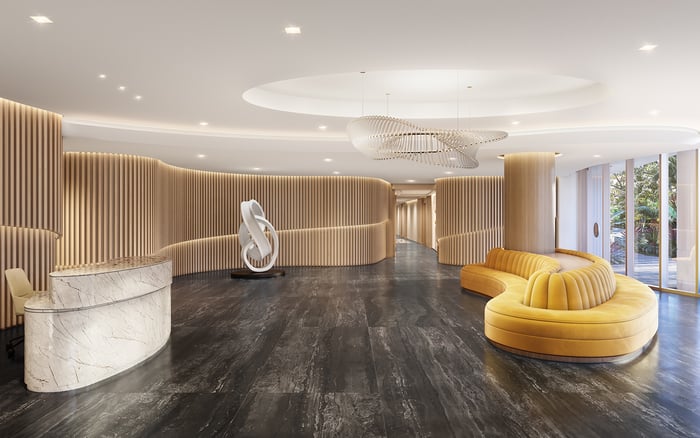
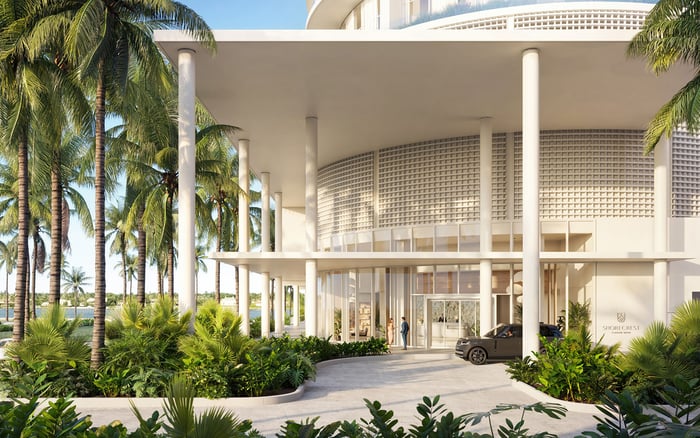
A buyer-oriented comparison of Shorecrest and Mr. C Residences in West Palm Beach, with a focus on the lived experience of design, materiality, and how much you can personalize before move-in and over time.
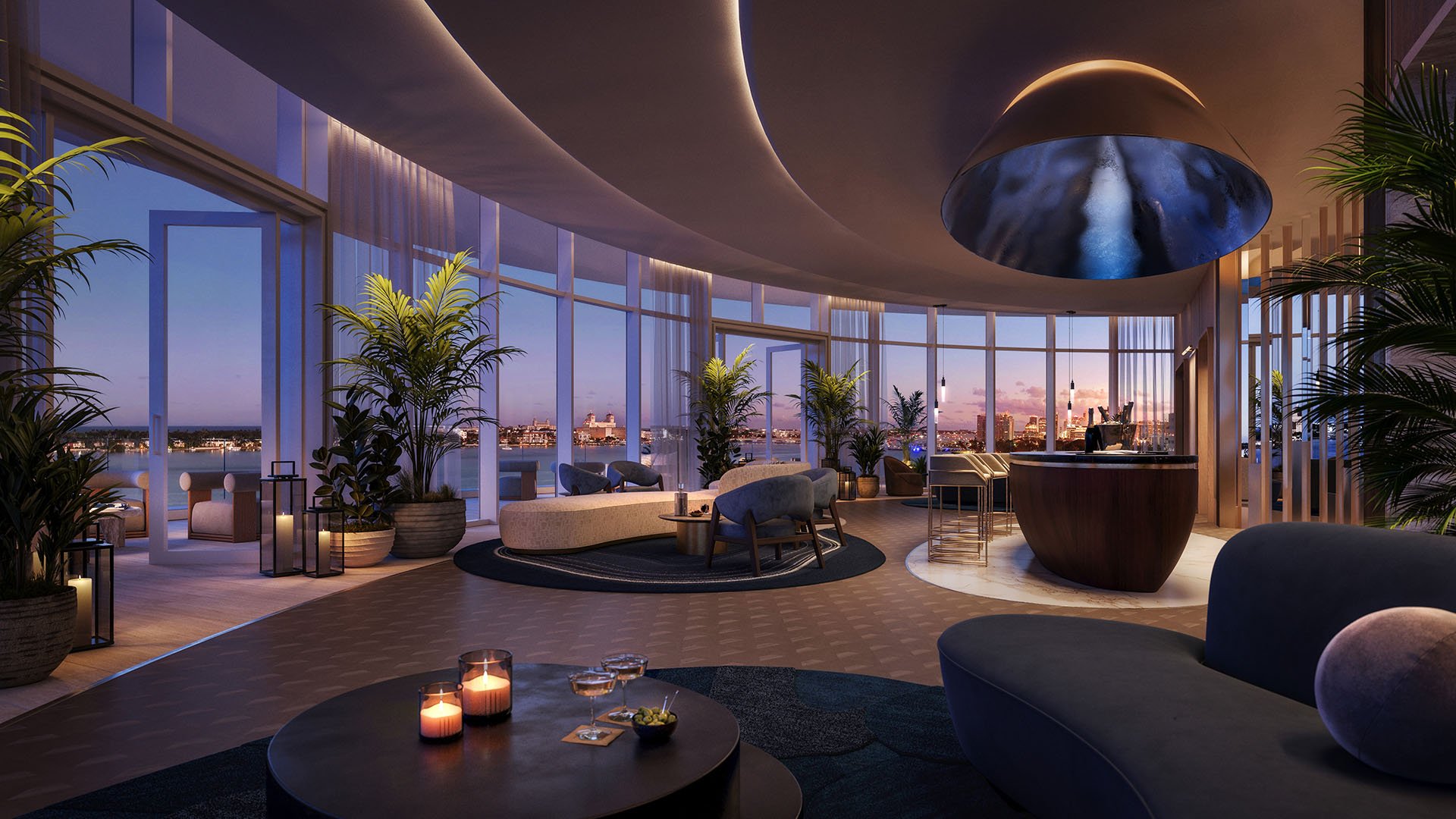
In West Palm Beach, two residences can sit in the same price band and still live entirely differently once you move in. That difference is rarely about square footage alone. It comes down to composition, how finishes wear over time, and how easily you can express your point of view without working against the architecture.
This comparison looks at Shorecrest Flagler Drive West Palm Beach and Mr. C Residences West Palm Beach through three buyer priorities: the design language you wake up to, the quality and restraint of the finish palette, and the real-world pathways for customization.
Luxury buyers often sort buildings into two emotional categories.
One is “residential-first”: quieter circulation, a sense of arrival that feels private, and interiors that stay composed even with minimal furnishings. This aesthetic leans on proportion, natural light, and surfaces that don’t compete for attention.
The other is “hospitality-forward”: activated common areas, a more theatrical lobby experience, and an overall cadence that feels curated in the way a great hotel is curated. When done well, it elevates daily living-especially for owners who entertain often or treat service as part of the design experience.
In practice, Shorecrest tends to read as the former and Mr. C as the latter. Neither is inherently “better.” The real question is whether you want your home to feel like a retreat from the city-or an extension of it.
Most finish packages photograph well. The separation shows up in the touchpoints you use a hundred times a week.
In a high-end kitchen, the luxury signal isn’t limited to brand names. It’s the alignment of cabinet reveals, the precision of corner details, and the way drawers close when the room is silent. The best kitchens read like furniture: balanced, resolved, and confident enough to stay simple.
For buyers deciding between Shorecrest and Mr. C, focus on three things during any tour or design review:
Counter and backsplash transitions: Are seams and edges visually calm?
Lighting plan: Does it flatter stone and wood tones at night-not only in daylight?
Appliance integration: Does the design protect a clean plane, or does it spotlight equipment?
A hospitality-leaning tower may emphasize a “chef-ready” vibe and social energy. A residential-leaning tower may prioritize visual quiet and concealed function. Choose the one that matches how you actually live.
Bathrooms are where finish quality turns physical. Handles, hinges, and shower enclosures either feel engineered-or merely decorative.
Buyers should pay attention to:
Stone consistency: variation can read artisanal or chaotic, depending on selection.
Drain and grate detailing: small, but it signals how thoroughly the design was resolved.
Mirror and medicine cabinet integration: flush details tend to age better.
Flooring sets the background tone for the entire residence. In a well-edited home, base details don’t announce themselves. Clean transitions, restrained baseboards, and consistent thresholds make a residence feel more like a bespoke build-out and less like a product.
Ask yourself: will this palette support your art, your furniture, and your lighting-or will you feel like you’re negotiating with it every day?
Customization isn’t only about taste. It’s also about timing, building standards, and risk management.
If you have the option to select finishes before delivery, that is typically the most efficient moment to personalize without redoing brand-new work. Think of this as editing the baseline. Aim for timeless choices that leave room to evolve the home later.
Smart pre-delivery moves include:
Selecting a neutral, high-quality flooring tone that supports both warm and cool furnishings.
Choosing stone with visual consistency for a calmer, more enduring look.
Planning lighting layers early so ceilings aren’t compromised later.
Once you own the residence, you can tailor it in ways developers rarely anticipate. The most elegant customizations are often the least obvious:
A cohesive lighting specification (architectural downlights plus decorative fixtures).
Closet and wardrobe interiors designed around your actual wardrobe-not a template.
Acoustic upgrades that make the home feel thicker, quieter, and more private.
All luxury buildings come with constraints: work hours, elevator reservations, insurance requirements, sound and vibration limits, and standards for plumbing and electrical changes. The difference between a smooth customization and a stressful one is a scope that respects those constraints.
A practical approach is to treat the first year as a staged plan: live in the space, learn how you move through it, then execute upgrades that reinforce those patterns rather than compete with them.
Design isn’t only what you see. It’s what the building makes effortless.
If you entertain, you’ll care about how guests arrive, where they pause, how elevators feel at peak times, and whether amenities function as an extension of your residence. If you value privacy, you’ll care about separation between public and private zones, corridor ambiance, and how sound carries.
Service can function like a “material” in hospitality-leaning residences: it changes how you experience the building, just as stone or wood does. If that resonates with you, Mr. C’s brand DNA may feel intuitive. If your definition of luxury is discretion and quiet control, Shorecrest’s tone may be the better fit.
West Palm Beach is increasingly defined by design-led new construction and a luxury buyer who expects more than views. In that ecosystem, it helps to pressure-test your shortlist against other local benchmarks, even if the goal is simply to sharpen your preferences.
For example, Forté on Flagler West Palm Beach has long been a reference point for buyers who prioritize established waterfront living, while Alba West Palm Beach appeals to those who want a newer, design-conscious expression closer to the city’s evolving rhythm. If you’re evaluating Shorecrest and Mr. C, these nearby comparables help you calibrate what “quiet luxury” or “amenity-driven” truly means in practice.
When two projects share the same shortlist, the best decision is rarely won by a single feature. It’s won by alignment.
Use this framework:
Do you want residential calm or hotel energy?
Hardware feel, cabinetry alignment, and lighting quality will matter long after a lobby’s first impression.
Furniture and art are reversible. Stone selection, flooring, and major built-ins are not.
Pre-delivery edits first, then post-closing enhancements after you understand the space.
The most enduring residences are the ones that can shift from full-time living to seasonal use without friction.
In the end, Shorecrest and Mr. C represent two refined expressions of luxury in West Palm Beach. Choose the one that supports your daily patterns-not the one that simply photographs best.
Which feels more “residential” in tone, Shorecrest or Mr. C? Many buyers experience Shorecrest as more residential in mood, while Mr. C reads more hospitality-forward.
What finishes should I evaluate first when comparing two luxury towers? Start with kitchens and baths, then flooring transitions and hardware, because those touchpoints tend to reveal true quality.
Is customization easier before closing or after closing? Pre-delivery selections are typically the highest leverage; post-closing work offers the most control but involves more logistics.
What customization upgrades deliver the most daily impact? Lighting layers, closet interiors, and acoustic improvements often change the lived experience more than decorative swaps.
Should I avoid bold materials if I plan to resell later? Timeless base materials usually preserve flexibility; you can express personality through art, textiles, and lighting.
How do building rules affect renovation plans? Work hours, insurance requirements, and limits on plumbing or structural changes can shape scope, timeline, and cost.
What should I ask for during a design review or tour? Ask to see material samples in natural and evening light, and review how seams, edges, and transitions are detailed.
How important is amenity design compared to in-residence finishes? If you use the amenities weekly, they become part of your home’s “footprint” and should align with your lifestyle priorities.
Can I change flooring or stone later if I dislike the developer palette? It’s possible, but it’s disruptive and often expensive-so it’s best to choose a versatile baseline early.
What is the simplest way to decide between Shorecrest and Mr. C? Choose Shorecrest if you want quieter, residence-first calm; choose Mr. C if you want a hotel-like, service-led feel.
When you're ready to tour or underwrite the options, connect with MILLION Luxury.
If branded residences are on your mind — as a home or as an allocation — we would be glad to share what we are seeing, privately.
Begin a quiet conversation