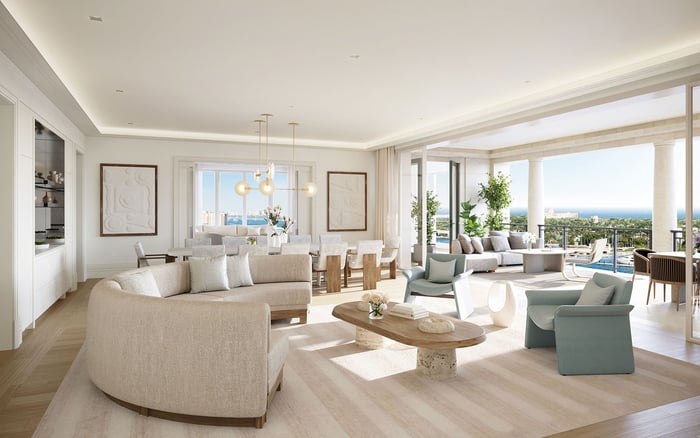
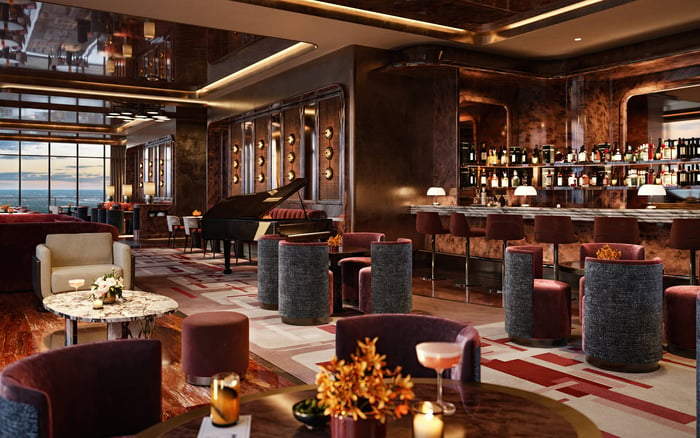
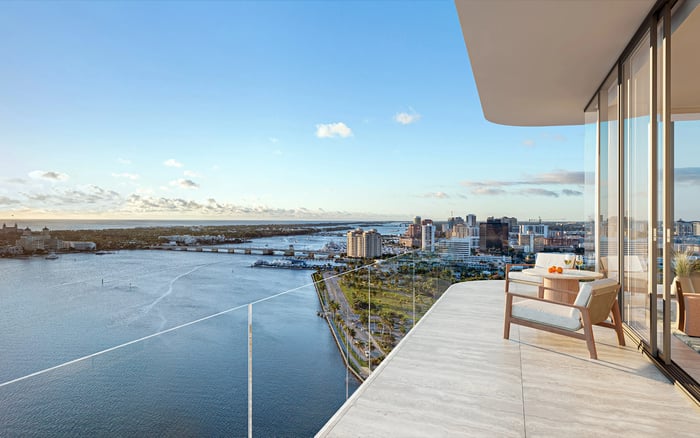
For luxury buyers in Downtown West Palm Beach, Brightline proximity has become a practical filter, not a marketing slogan. Connectivity is less about straight-line distance and more about how easily a resident can move from front door to platform with minimal friction, predictable timing, and a pleasant streetscape. This editorial outlines how to evaluate that connection across today’s core neighborhoods, with an emphasis on walk quality, first-mile options, and the lifestyle tradeoffs that matter at the top of the market.
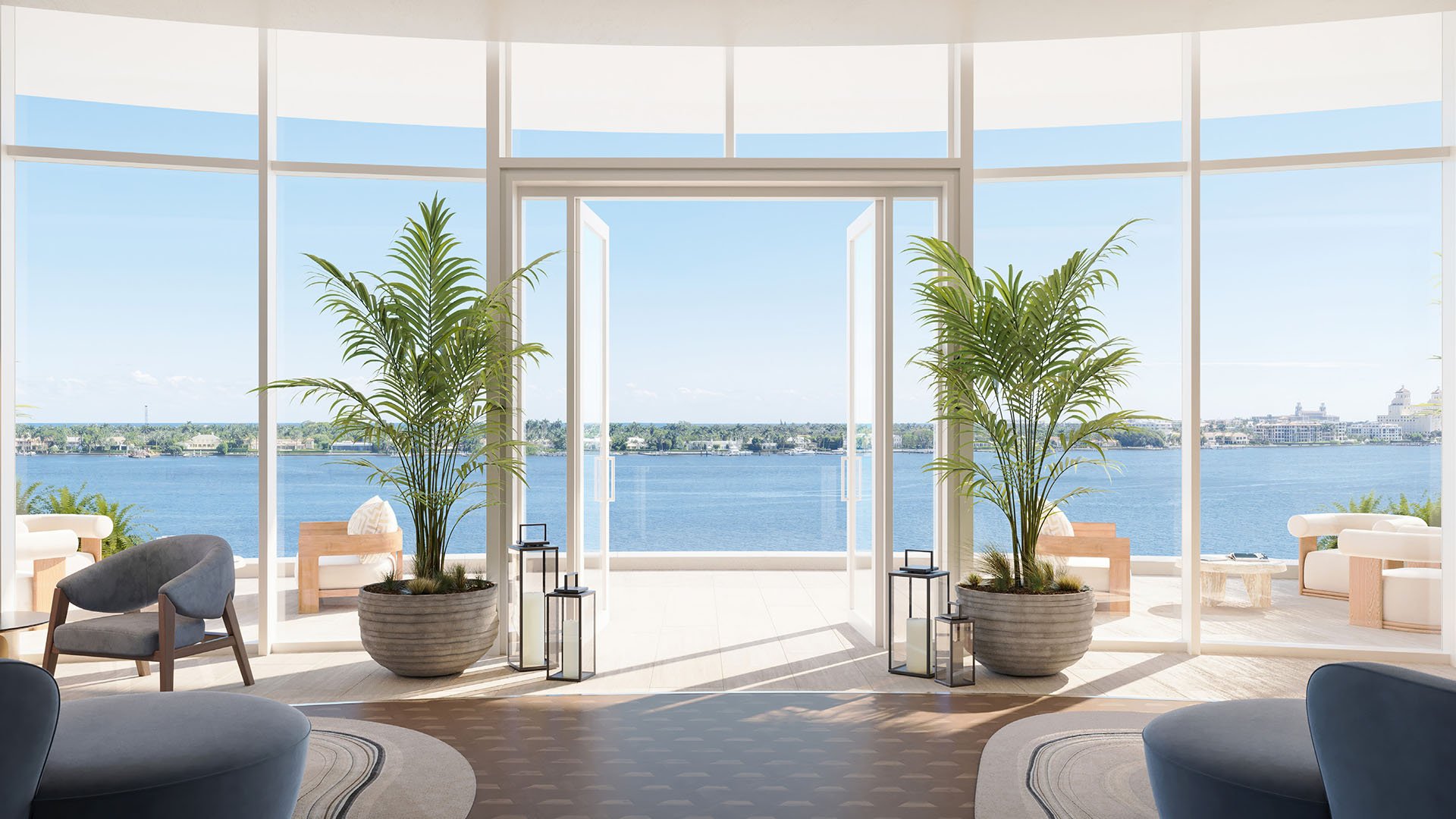
In Downtown West Palm Beach, access to Brightline has shifted from a nice-to-have to a meaningful lifestyle lever. For buyers who split time between Palm Beach, Miami, and business hubs across South Florida, the train compresses the distance between “home base” and the region’s most active corridors. The real question is not whether a development is “near” the station, but whether the trip from residence to platform feels effortless on a weekday morning-and just as comfortable after dinner.
At the ultra-premium level, time and predictability are the product. A development can be a few blocks away and still underdeliver if the walking route is exposed, crosses busy intersections, or relies on timing quirks that introduce friction. Conversely, a slightly longer distance can feel seamless when the streetscape is calm, the sidewalks are generous, and the curbside experience is thoughtfully managed.
A useful way to evaluate connectivity is to think in “door-to-platform” terms. That includes:
The building’s lobby-to-curb sequence: elevator speed, lobby staffing, and how quickly a car can be called.
The curbside reality: whether pickups occur on a narrow lane, a private drive, or a congested block.
The first-mile route: walkability, crossings, lighting, shade, and perceived safety.
The station arrival: how intuitive the entry is and whether the approach feels like a destination or a service corridor.
Buyers often fixate on straight-line map distance and miss the lived experience. If the route is not one you would choose in heels, in the rain, or while carrying a small bag, the station is functionally “far,” even if it’s technically close.
Downtown West Palm Beach runs on micro-routes. Two buildings can sit in similar proximity yet deliver very different station access depending on which streets actually connect them.
Look for sidewalks wide enough for two people to walk comfortably side by side. Prioritize routes with clean, frequent crossings, and avoid paths that force prolonged curbside exposure next to fast-moving traffic. In South Florida heat, shade becomes part of the connectivity calculus. A shaded, pleasant walk gets used more often-which is the entire point.
Waterfront addresses can deliver a remarkable residential experience, but the route to the station may require moving inland across more active traffic patterns. That tradeoff isn’t negative; it’s simply a choice. Buyers who want the calm of the Intracoastal and morning runs along Flagler should evaluate the pedestrian path with the same rigor they apply to view corridors.
For example, residences along the Flagler side such as Forté on Flagler West Palm Beach can feel worlds away from the station emotionally, even when trip time is manageable. The goal is to confirm the route is one you’ll genuinely use.
Brightline connectivity isn’t purely pedestrian. Many luxury owners use a hybrid approach: elevator down, short car ride, curb drop, then straight into the station. In that scenario, the station experience effectively begins in your building’s driveway.
Ask how the building performs during peak departures. Is there a dedicated pull-in for rideshare and private drivers, or do cars stack on the street? Does valet create a bottleneck at the same time residents are trying to exit? Even minor chokepoints can turn a quick station run into a stressful one.
This is where newer, service-forward towers can outperform legacy buildings. A well-designed arrival court, clear staging, and staff who can coordinate timing function as real mobility infrastructure. For buyers considering a new Downtown lifestyle, a project like Alba West Palm Beach is worth evaluating not only for finishes and amenities, but for how the building’s circulation supports spontaneous departures.
Downtown West Palm Beach generally splits into two station-access personalities.
Core Downtown addresses tend to prioritize convenience and immediacy. The station-oriented lifestyle here is “out the door and moving,” with quick access to dining, errands, and a more animated streetscape. If you anticipate frequent Brightline usage, core Downtown can reduce the mental load: fewer decisions, fewer transfers, and a routine that becomes automatic.
Flagler waterfront addresses prioritize composure. The lifestyle is more residential and view-driven, with a calmer feel that can read as more exclusive, particularly for second-home owners. The station can still be highly usable, but it’s worth confirming whether you’re comfortable with a slightly more complex route-especially at night or during weather.
If you are comparing new ultra-luxury options, South Flagler House West Palm Beach is a strong example of the waterfront proposition: an elevated residential environment where station access should be evaluated as part of an overall mobility plan, not assumed by proximity alone.
For many high-net-worth buyers, “connectivity” includes a privacy requirement. The best station routine is the one that stays discreet.
Consider whether you can maintain a low-profile departure. Can a driver stage briefly without drawing attention? Is there a sheltered pickup point? Does the route allow you to move efficiently without weaving through crowded sidewalks?
This is also where preferences diverge:
Some owners prefer a short walk that is predictable and doesn’t involve waiting for a car.
Others prefer a two-minute ride that avoids heat, rain, and street interaction.
Neither is inherently better. The right answer is the one that matches your cadence, wardrobe, and schedule. Developments with well-managed arrival sequences tend to support both styles.
Evaluating station connectivity should include the return trip. The most telling test is arriving back in the evening.
Ask yourself: when you step off the train, does your route to the building feel intuitive and secure? Are there clear landmarks, active street frontage, and lighting that make the last segment feel comfortable? A route that works at 9:00 a.m. can feel entirely different late at night.
This is also when curbside operations matter most. If you plan to rely on car service, confirm whether pickups near the station are straightforward and whether your building can accommodate a quick, discreet drop-off without a long valet queue.
Luxury buyers can over-index on a single metric and miss the full picture. Brightline access matters, but it should be weighed against the reasons you chose Downtown West Palm Beach in the first place: walkable dining, the waterfront, cultural programming, and an overall lifestyle that supports both weekdays and weekends.
A practical approach is to score each building in three categories:
Reliability: Can you consistently hit a planned train without drama?
Comfort: Is the route pleasant in heat, rain, and evening conditions?
Discretion: Can you come and go without unnecessary exposure or friction?
When those three align, the station becomes a genuine extension of the residence.
For buyers who want a refined, service-oriented Downtown base, Mr. C Residences West Palm Beach offers a useful lens: judge it not just on interiors, but on the lifestyle choreography of departures and arrivals.
Before you commit, run a simple field test that mirrors how you actually plan to use the station.
Walk the route at the exact time you expect to travel, including an evening return.
Time it from your building’s lobby to the station entry, not from the property line.
Note crossings that feel rushed, loud, or exposed.
Identify a preferred rideshare drop point and confirm it functions during peak times.
If you often carry a bag, confirm the route is comfortable and doesn’t require awkward curb navigation.
Downtown West Palm Beach is evolving quickly, and the best connectivity is the one that fits your routine with minimal thought. When the station becomes effortless, you stop planning around movement and start enjoying the city.
What does “connectivity to Brightline” really mean for a Downtown West Palm Beach condo? It means how easy and predictable it is to get from your front door to the platform, by foot or car, in real conditions.
Is walking distance the most important factor? No. Route quality, crossings, lighting, and comfort often matter more than a short map radius.
Should I prioritize a waterfront building or a more central Downtown address for station access? Central Downtown tends to be simpler for frequent train use, while waterfront living may require a more deliberate route plan.
How can I test station access before buying? Do a timed lobby-to-station walk and a separate evening return, then repeat once using your preferred car-service approach.
Does rideshare convenience count as “good connectivity”? Yes, if curb access is predictable and your building’s valet and pickup flow do not create delays.
What should I look for in a building’s arrival experience? A clear pickup zone, efficient valet circulation, and a lobby-to-curb sequence that doesn’t feel congested.
Is a slightly longer walk ever better than a short drive? Often, yes. A pleasant, shaded route can be more reliable than waiting on a car during peak periods.
How important is nighttime comfort on the route? Extremely. Many owners discover the true usability of station access only after an evening arrival.
Can Brightline access affect resale appeal? In many cases it can, because buyers increasingly value repeatable convenience and regional mobility.
What’s the simplest way to compare two developments on transit access? Score each one on reliability, comfort, and discretion, then choose the best fit for your weekly routine.
If you'd like a private walkthrough and a curated shortlist, connect with MILLION Luxury.
If branded residences are on your mind — as a home or as an allocation — we would be glad to share what we are seeing, privately.
Begin a quiet conversation