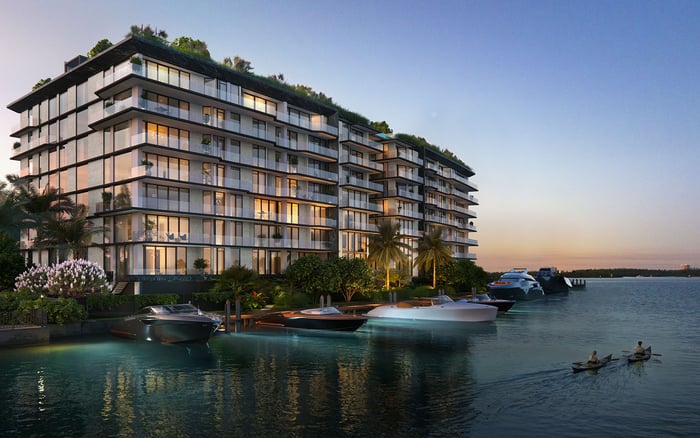
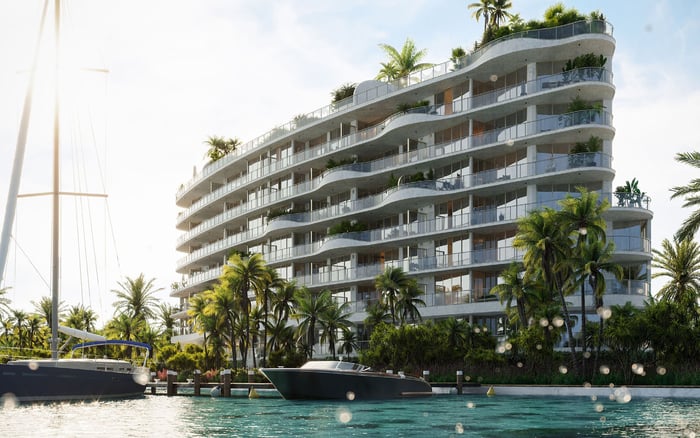
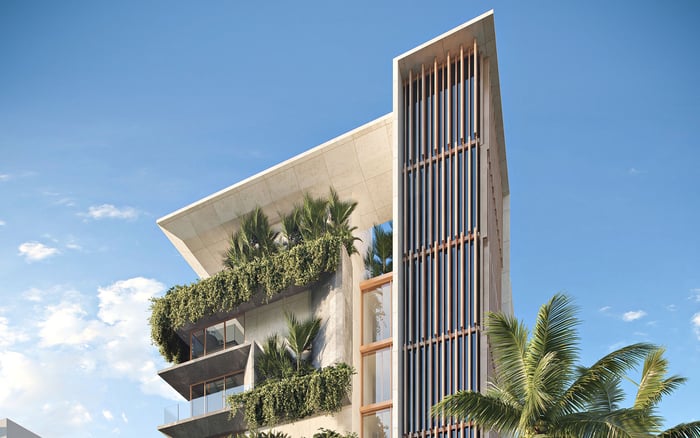
A buyer-oriented comparison of Alma Bay Harbor Islands and Onda Bay Harbor through the lens of art-ready interiors, usable terraces, durable views, controlled delivery logistics, and coastal maintenance exposure.

For buyers whose residences must accommodate serious art, the choice between Alma Bay Harbor Islands and Onda Bay Harbor is not simply a matter of taste. It is a question of proportion, handling, exposure, and operational discipline. A beautiful residence can still be difficult for a collection if the walls are interrupted, the elevator path is constrained, or the terrace introduces maintenance risk that becomes visible over time.
Bay Harbor Islands rewards this kind of granular due diligence. Its low- to mid-rise setting can create quiet water angles and intimate neighborhood outlooks, but it can also produce sightline constraints from neighboring buildings. For a Bay Harbor buyer comparing new-construction options, the intelligent approach is to evaluate each residence as both a home and a collection environment.
In Alma, the core question is whether the floor plan provides long, uninterrupted wall runs. Large-format paintings, photography, textile works, and sculpture-backed walls need more than square footage. They need clean spans free from glazing, columns, shear walls, mechanical conflicts, switches, returns, and awkward door swings.
Onda deserves the same plan-level audit. A residence may appear expansive on a brochure plan, yet the actual wall available for a major work can be narrowed by glass, circulation, or structural elements. Before assuming that a signature piece will place cleanly, buyers should test the exact dimensions of the intended wall, the viewing distance from seating, natural light exposure, and the location of climate-control vents.
This is where art-focused buyers should resist the seduction of total area. A deeper living room with one commanding wall may be more valuable for a collection than a larger room with fragmented surfaces. The best plan is not necessarily the most open. It is the one that allows art, furniture, lighting, and movement to coexist without compromise.
Terrace value in Alma should be judged by practical dimensions, not outdoor square footage alone. Buyers should ask whether dining furniture can fit without blocking circulation, whether lounge seating has enough depth to feel relaxed, and whether door locations interrupt the strongest furniture layout. Railing transparency also matters, because a seated view can differ greatly from a standing view.
At Onda, terrace analysis should be equally physical. Dining depth, lounge depth, wind exposure, privacy from adjacent residences, and circulation around furniture all determine whether the outdoor area becomes part of daily life or remains a decorative line item. A narrow terrace can photograph well and still fail the breakfast test, the evening-cocktail test, or the art owner’s concern for salt, humidity, and wind-driven rain.
This is why terrace planning belongs in the same conversation as interiors. If the terrace doors consume the best interior wall, the buyer gains outdoor drama but may lose art placement. If the terrace is too exposed, maintenance and comfort may dilute its value. The right residence balances indoor wall quality with outdoor livability.
Alma’s view quality should be studied by orientation and sightline durability. In Bay Harbor Islands, the setting can provide open corridors, water angles, and softer neighborhood views, but neighboring structures may also shape what a buyer sees from specific rooms. The relevant question is not whether a residence has a pleasant outlook today. It is whether the principal sightlines feel durable enough for the intended hold period.
Onda should be tested by stack, floor height, and direction. Some outlooks may feel like broad bay exposure, while others may read as partial water angles or more urban and residential views. For buyers who prioritize a water view, it is essential to stand where daily life actually occurs: at the dining table, from the primary bed, in the main seating area, and while seated on the terrace.
A sophisticated view review also separates drama from usability. A sharp water glimpse can be emotionally compelling, but a calmer, wider outlook may age better. Conversely, a closer neighborhood view may feel private and architectural if the surrounding context is composed. The best choice depends on how the buyer lives, not simply on which line of sight sounds more impressive.
For Alma buyers planning major art or furniture moves, building operations deserve as much attention as interior finishes. The questions are practical: how deliveries are scheduled, where trucks can stage, how elevator protection is handled, whether crates can be temporarily staged, and how oversized pieces are routed from curb to residence.
Onda buyers with large collections should verify freight-elevator dimensions, service access, move-in rules, insurance requirements, and special approval procedures for oversized deliveries. This is not administrative clutter. It is the difference between a controlled installation and an avoidable risk event.
Collectors should also consider the sequence after delivery. Is there adequate room to uncrate without blocking common areas? Can handlers move safely through corridors and turns? Are climate conditions stable during installation? Art-ready living depends on architecture and operations together. Wall proportions matter, but so do elevator logistics, rules for protected deliveries, and the building’s willingness to manage complexity with discretion.
Alma’s maintenance review should focus on marine-exposed elements: terrace railings, glazing systems, exterior metals, stone or paver finishes, and waterproofing details. In a boutique building, HOA operations, reserve planning, exterior cleaning protocols, and preventive maintenance become especially important because recurring costs are spread across fewer owners than in a large tower.
Onda should be reviewed through the same coastal-luxury lens. Salt, wind-driven rain, UV load, terrace drainage, glass cleaning, and exterior-finish durability all shape ownership comfort over a 10- to 20-year hold. Buyers should look beyond the finish palette and ask how the building is expected to perform after years of marine exposure.
This is also where boutique ownership can be both appealing and demanding. Smaller buildings can feel more private and controlled, but they require disciplined governance. The question is not only whether the residence is beautiful at delivery. It is whether staffing, maintenance cadence, reserve planning, and exterior-care standards can preserve that beauty without surprise.
The Alma versus Onda decision should be made residence by residence. Buyers who are also watching nearby projects such as Alana Bay Harbor Islands, La Baia North Bay Harbor Islands, or The Well Bay Harbor Islands should apply the same framework rather than chase a single headline feature.
Start with wall geometry. Then test terrace usability in real furniture terms. After that, evaluate view quality by stack, height, and direction. Finally, study building operations and maintenance exposure. The best residence for an art-focused buyer is rarely the one with the loudest presentation. It is the one where the collection, the household, and the building’s operating culture quietly align.
Which building is better for a large art collection? Neither should be chosen by name alone. The better fit is the specific residence with cleaner wall runs, better delivery routing, and stable climate-control planning.
What is the first wall detail buyers should review? Look for long, uninterrupted walls that are not broken by glazing, columns, shear walls, mechanical conflicts, or door swings. Exact artwork dimensions should be tested against the plan.
Does a larger terrace always mean better usability? No. Dining depth, lounge depth, circulation, railing transparency, privacy, and wind exposure matter more than terrace area alone.
How should buyers compare views at Alma and Onda? Test orientation, stack, floor height, and direction from the rooms and seating positions used daily. Separate broad bay exposure from partial water angles or residential outlooks.
Why do delivery logistics matter for art buyers? Large works may require protected elevators, scheduled loading access, crate staging, insurance documentation, and oversized-item approval. These rules can affect both cost and risk.
What maintenance issues deserve special attention? Focus on railings, glazing, exterior metals, terrace finishes, waterproofing, drainage, glass cleaning, and UV or salt exposure. These elements shape long-term ownership quality.
Is a boutique building easier to own? It can feel more private, but operating discipline is critical. Reserve planning, cleaning protocols, and preventive maintenance are especially important when costs are shared by fewer owners.
Should art buyers prioritize interiors or views? They should prioritize the combination. A residence with a powerful view but fragmented walls may be less suitable than one with balanced sightlines and superior art placement.
What should be reviewed before signing a contract? Buyers should review the plan, terrace dimensions, sightlines, delivery rules, service access, insurance requirements, and maintenance structure. A residence-and-operations review is essential.
What is the best way to shortlist comparable options for touring? Start with location fit, delivery status, and daily lifestyle priorities, then compare stacks and elevations to validate views and privacy.
To compare the best-fit options with clarity, connect with MILLION.
If branded residences are on your mind — as a home or as an allocation — we would be glad to share what we are seeing, privately.
Begin a quiet conversation