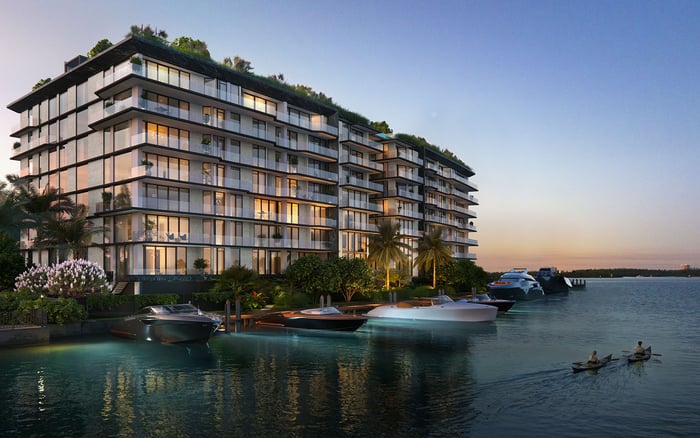
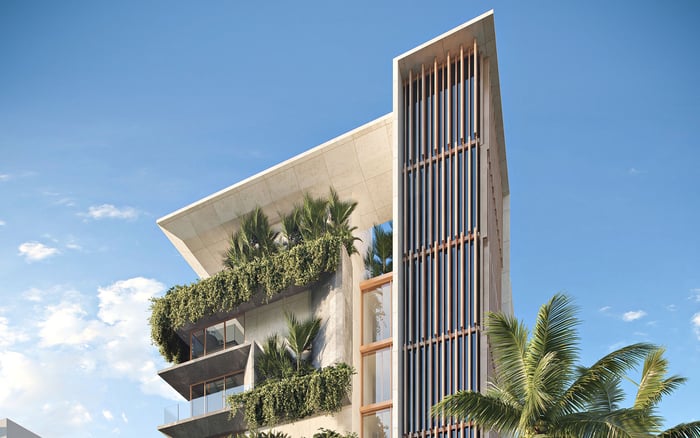
A practical family-buyer guide to evaluating whether Onda Bay Harbor pricing is defensible under appraisal, financing, resale, and long-term ownership scrutiny.
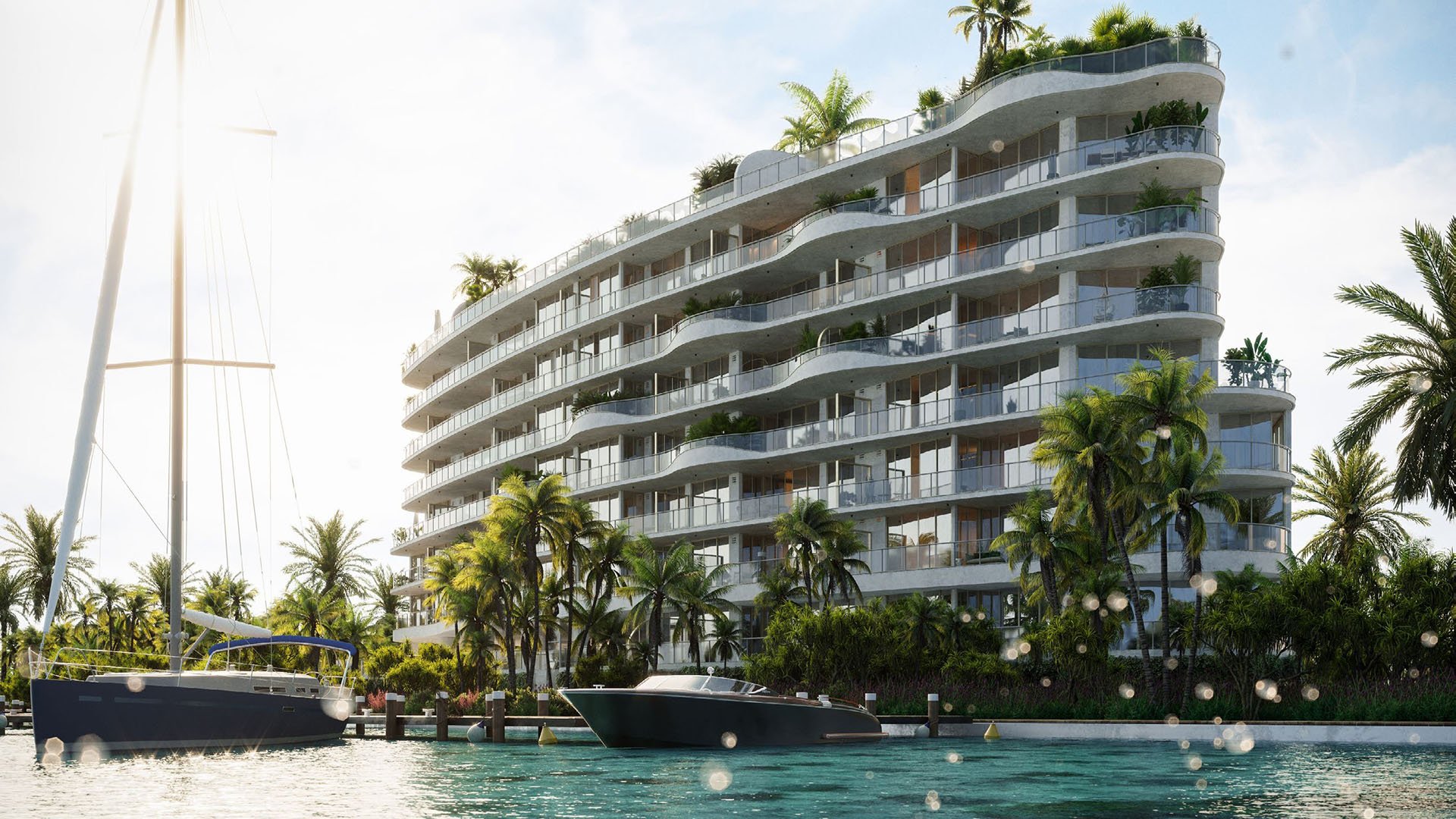
For families considering Onda Bay Harbor, the phrase “appraisal-proof pricing” deserves precision. It is not a promise that a lender will value a residence at the contract price. It is better understood as buyer shorthand for a more serious question: is the price defensible through comparable sales, financing standards, resale logic, and long-term ownership costs?
That distinction matters in Bay Harbor Islands, where buyers often weigh privacy, waterfront setting, neighborhood rhythm, and long-term ownership plans alongside financing. Those lifestyle qualities may justify a premium to the right household. They do not, on their own, remove appraisal risk.
The strongest family buyers separate emotion from evidence. They can value the setting, design language, privacy, and calmer residential feel while still asking for a disciplined explanation of value.
Boutique scale can be a meaningful lifestyle argument. Fewer residences may mean a more personal pace, a quieter arrival experience, and a setting that can suit families who do not want the intensity of a larger tower. For parents managing school routines, visiting relatives, weekend boating plans, or a calmer home base, that intimacy can matter.
The appraisal challenge is that a smaller building may create fewer same-building closed sales for an appraiser to use as direct comparables. In a larger condominium, appraisers may have more recent internal transactions to review. In a boutique waterfront building, the valuation conversation may need to reach into nearby Bay Harbor Islands inventory, other waterfront luxury condos, or broader coastal product.
That does not make the pricing weak. It simply means the support needs to be clear. A buyer should ask whether the price per square foot is supported by closed sales within the building, nearby Bay Harbor Islands properties, or a wider set of waterfront luxury condominium comparisons. The answer should be specific enough to help a financing family understand where the number comes from.
Family buyers should begin with the comps. Ask the sales team to explain which recent closed sales support the asking price. Then ask how those sales compare with the exact residence being considered.
A bayfront residence with strong water exposure may deserve a different valuation discussion than a home with less compelling views. Terrace depth, orientation, privacy, ceiling height, finish package, floor position, and plan efficiency can all shape value. The phrase water view may sound simple, but in luxury real estate it requires nuance: not every water view delivers the same daily experience or resale strength.
Families should also ask whether the comparable sales reflect visible contract prices only, or whether cash purchases, incentives, or non-public concessions may have influenced the real economics. If apparent pricing is shaped by incentives, the appraisal picture may look different from the lifestyle presentation.
For buyers comparing Onda Bay Harbor with older Bay Harbor Islands condo inventory, another question is essential: how much of the premium is attributable to newer design, updated systems, waterfront positioning, and contemporary amenities? A premium may be justified, but it should be explained rather than assumed.
The most important contract question for financed buyers is simple: what happens if the lender’s appraisal comes in below the purchase price?
A low appraisal can create a cash gap. Depending on contract terms, the buyer may need to bring additional capital, renegotiate, proceed despite the gap, or rely on whatever contingency rights have been negotiated. Families should not wait until underwriting to understand this exposure.
Before signing, ask whether there is an appraisal contingency, how it operates, and whether any deadlines are strict. Ask whether the deposit becomes vulnerable if financing does not align with the appraised value. Ask whether prior financed closings for comparable residences received appraisals at or near contract price. If the answer is yes, ask what made those valuations persuasive. If the answer is unclear, proceed with a more conservative cash plan.
This is especially important for families whose liquidity is allocated across tuition, second-home costs, investment portfolios, renovations, or future property upgrades. A residence can be affordable at the purchase price and still create stress if an appraisal gap requires unplanned cash.
A purely appraisal-driven view can miss why families choose Bay Harbor Islands in the first place. Onda Bay Harbor is often evaluated in relation to bayfront living, privacy, design, quieter surroundings, and a more residential mood.
For some households, those qualities are central to quality of life. The ability to return to a calmer waterfront setting may matter more than being in the most crowded amenity ecosystem. A boutique building can also feel more manageable for children, visiting relatives, and owners who value discretion.
Still, lifestyle value should be translated into a pricing rationale. If a buyer is paying more for waterfront exposure, ask how that value is reflected. If the terrace is a major family-use space, ask whether similar outdoor space is represented in the comparable set. If privacy is a core reason for buying, ask whether that feature is likely to hold resale appeal in the same way.
In Bay Harbor decision-making, the strongest purchases tend to satisfy both sides of the mind: the emotional case for how the family will live, and the financial case for how the asset will be defended.
Appraisal is only one part of the ownership equation. Families should also review HOA budgets, reserve planning, projected assessments, insurance-related assumptions, and expected operating costs. These costs influence monthly affordability and, over time, resale appeal.
A high-design waterfront residence can be compelling, but its ongoing costs should be understood with the same rigor as the purchase price. Buyers should ask how the association budget is structured, what reserves are anticipated, and whether any future capital needs are foreseeable. The goal is not to avoid premium ownership costs. It is to know whether they align with the family’s long-term plans.
For a family expecting to hold through multiple school years, ownership costs may be more important than a short-term pricing negotiation. For a family that may resell sooner, monthly carrying costs and assessment history can become part of the next buyer’s decision.
Before treating Onda Bay Harbor pricing as appraisal-proof, families should ask a focused set of questions.
First, what closed sales support the price per square foot? Second, are the strongest comps inside the same building, nearby Bay Harbor Islands buildings, or broader waterfront luxury markets? Third, do the comps reflect the same view quality, terrace utility, finish level, and privacy? Fourth, have financed buyers in comparable residences received appraisals at or near contract price? Fifth, what happens contractually if the appraisal is low?
Then move beyond the appraisal. Ask whether cash purchases or incentives are affecting the visible pricing picture. Ask how much premium is tied to newer design versus older inventory. Ask whether the HOA budget and reserves are consistent with the ownership horizon. Ask whether the residence will still make sense if resale arrives sooner than expected.
The best answer is not “yes, it is appraisal-proof.” The best answer is a pricing file strong enough for a family to understand the risk before committing.
Is appraisal-proof pricing a formal guarantee? No. It should be viewed as a diligence phrase for pricing that may be defensible, not a promise that a lender appraisal will match the contract price.
Why can boutique scale affect an appraisal? A smaller building may have fewer same-building closed sales, which can require appraisers to look at nearby or broader waterfront condominium comparisons.
What should families ask about comparable sales? Ask which recent closed sales support the price, whether they are from the same building or other properties, and how closely they match the specific residence.
Do water views automatically justify a premium? Not automatically. The quality of the exposure, privacy, terrace usability, and finish level should be reflected in the pricing rationale.
What happens if the appraisal is below the purchase price? The outcome depends on the contract and financing terms. Buyers should understand any appraisal contingency and potential cash-gap obligation before signing.
Should cash sales be treated differently from financed sales? Yes. Cash purchases may not require lender appraisal review, so financed buyers should ask whether prior financed closings supported similar pricing.
Can incentives affect apparent pricing? They can. Buyers should ask whether any concessions or incentives are part of the pricing picture because they may change the effective value.
How should families compare Onda with older Bay Harbor inventory? Ask how much of the premium comes from newer design, waterfront setting, privacy, and modern building features.
Why do HOA budgets matter to appraisal-proof thinking? Long-term costs affect affordability and resale appeal. Families should review budgets, reserves, and projected assessments before committing.
What is the core question for a family buyer? The core question is whether the price is defensible as a lifestyle purchase and under lender, resale, and long-term ownership scrutiny.
To compare the best-fit options with clarity, connect with MILLION.
If branded residences are on your mind — as a home or as an allocation — we would be glad to share what we are seeing, privately.
Begin a quiet conversation