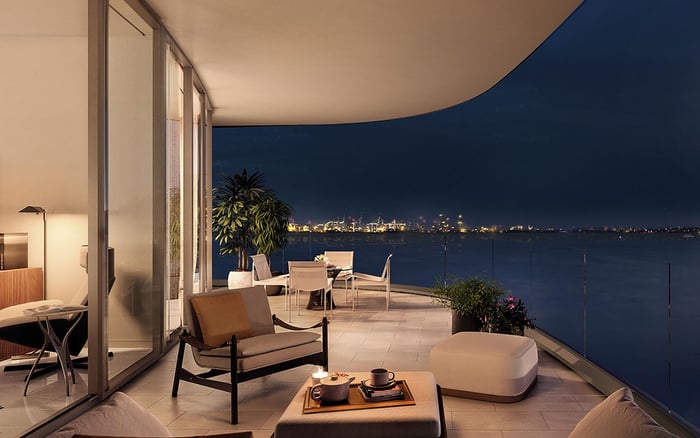
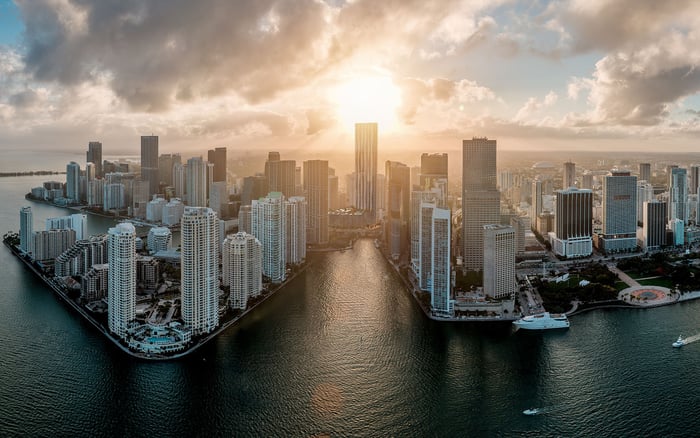
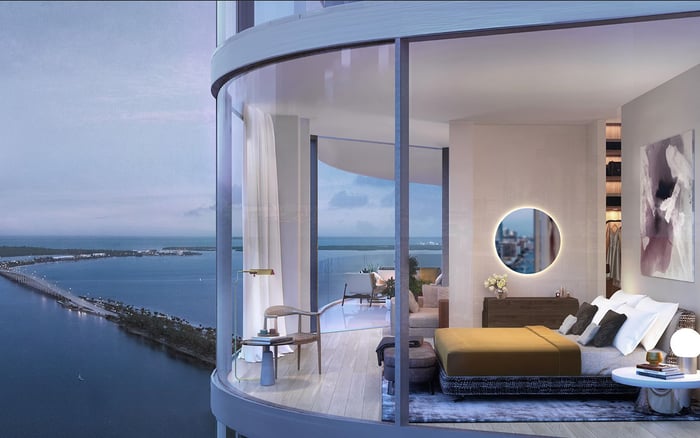
In South Florida, the ultra-luxury spec home has evolved from a developer gamble into a deliberate product: a turnkey, design-forward residence built for buyers who value speed, certainty, and discretion. Powered by wealth migration, an unusually cash-heavy buyer pool, and the scarcity of truly elite single-family inventory, the model keeps expanding from legacy trophy enclaves into new neighborhoods where modern architecture can still feel novel. Yet the bet is not without friction. Permitting uncertainty and long luxury construction timelines can turn a beautifully executed house into an expensive carry, making discipline in design, siting, and pricing essential.
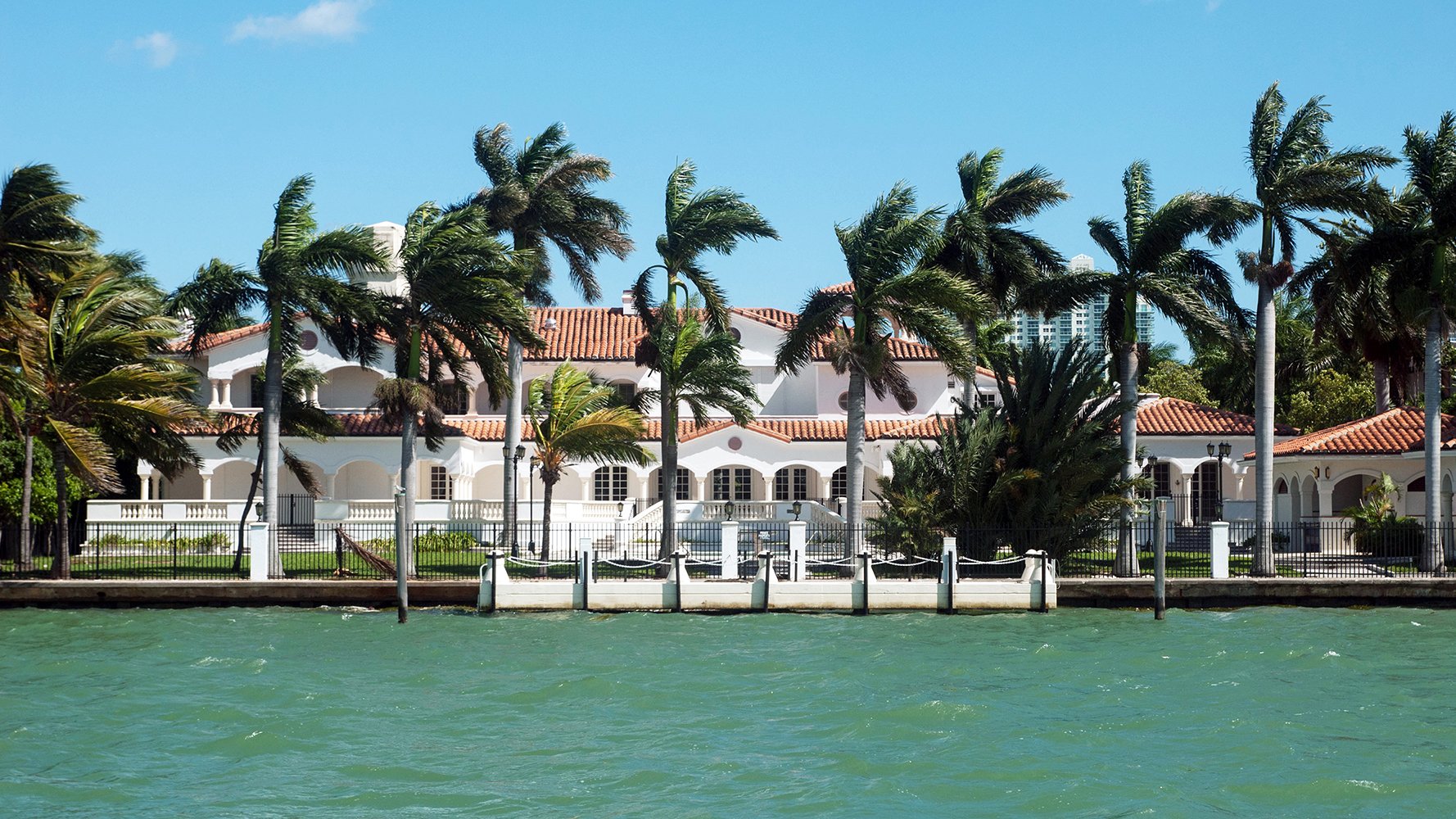
A spec home is built without a committed end-buyer. That single fact reshapes the entire risk profile: the builder carries the financial exposure and construction execution until the property sells. In earlier cycles, “spec” could signal a generic plan and broad-market finishes. Today’s ultra-luxury spec in Miami reads differently. It is closer to a pre-composed commission, architecture, interiors, landscape, and lifestyle programming assembled in advance for a buyer who wants a finished statement, not a prolonged design conversation. What changed is less about taste and more about time. At the top of the market, many buyers are not optimizing for customization; they are optimizing for immediate usability. The appeal is simple: purchase, close, and occupy without enduring a custom-build timeline. In a city where schedules shift and privacy is prized, “turnkey” is not a convenience; it is a strategy.
Ultra-luxury buyers often arrive on a compressed timeline, sometimes tied to relocation, family logistics, or a desire to secure a foothold while broader plans evolve. A finished spec home collapses years of design and construction decisions into a single choice: yes or no. That clarity matters because luxury home construction timelines commonly stretch well over a year, even before accounting for the inevitable complexity of high-end materials, custom millwork, and specialized trades. For buyers who have already lived through long projects elsewhere, the opportunity cost can feel more material than the premium paid for a completed home. Turnkey also supports discretion. A custom build can require repeated site visits, a visible sequence of permits and inspections, and a long parade of vendors. A spec purchase, by comparison, can be remarkably quiet. Even for buyers who intend to personalize later, starting with a finished, cohesive envelope is often the fastest path to livability.
South Florida’s luxury market has been shaped by wealth migration. The state’s lack of a state income tax remains a powerful incentive for high earners, and it continues to be part of the region’s pull for relocation and second-home capital. The downstream effect is a buyer pool that is both larger and more decisive. When households arrive from higher-tax locales, they often bring a strong preference for certainty: a property that is ready now, with a clean narrative and minimal time-to-enjoyment. That preference aligns tightly with the spec model, especially in neighborhoods where land is scarce and the best lifestyle parcels rarely trade.
Spec works best when closings are fast and clean. Miami’s luxury market has long been defined by an unusually cash-heavy dynamic, which reduces financing contingencies and compresses deal timelines. For developers and builders, this liquidity is not abstract, it directly affects carry costs. Carrying a completed spec home is expensive. Taxes, insurance, maintenance, security, and the opportunity cost of tied-up capital do not pause because the design is exceptional. A cash-capable buyer base helps a spec builder convert inventory into realized profit faster, which can then fund the next cycle of land acquisition and construction.
At the very top, velocity matters as much as price. South Florida recorded 361 home sales at $10M+ in 2025, the second-highest total on record. For ultra-luxury spec builders, numbers like this signal that the market can absorb trophy inventory, even when broader conditions feel mixed. That’s why ambitious builds keep coming: finished homes staged like private clubs, designed to photograph flawlessly, and positioned to meet a buyer the moment they are ready. When the $10M-plus lane keeps moving, underwriting becomes less about hope and more about probability.
Even in a region known for constant change, certain enclaves remain fundamentally supply-limited. Golden Beach is frequently cited as one of Florida’s most exclusive barrier-island communities, with a very limited supply of high-end single-family homes. In places like this, scarcity is not a talking point, it is the baseline. That scarcity supports the spec thesis. When buyers cannot reliably find the right lot, and when time is their most expensive luxury, the finished home becomes the scarce asset. It also helps explain why trophy transactions, especially those tied to billionaire demand and assembled oceanfront holdings in Palm Beach, can reset expectations across submarkets. The message to builders is clear: the top of the market still pays for rarity.
One of the most notable evolutions is geographic. Spec activity has expanded beyond traditional trophy zones into neighborhoods such as Biscayne Park, where modern new builds have drawn affluent buyers seeking relative value. This is not bargain hunting; it is a comparison between the cost of a finished, design-forward home in an emerging luxury pocket and the cost, and time, of chasing a rebuild in a more obvious address. The buyer profile is also widening. A notable example: a tech CEO purchased a newly built home for $4.8M with plans to rent it out, illustrating that some spec buyers are investor-operators rather than pure end users. For the spec ecosystem, this matters because it adds another buyer category that can move quickly when the product is right.
Ultra-luxury spec is, at its core, a bet on execution. Two forces test that execution more than any design decision. First, permitting risk. Approvals can be protracted and unpredictable, stretching timelines and increasing carrying costs. When a home is built without an end-buyer, delay is not an inconvenience; it is a direct hit to the project’s economics. Second, time-to-build. Luxury construction often runs well over a year. In a long project, every month adds cost. This is why the most durable spec strategies tend to favor repeatable systems, disciplined scopes, and a clear understanding of what the buyer will pay for immediately versus what can be left for personal customization after closing.
Miami-Dade’s active listings stood at about 17,266 in December 2025, signaling that inventory has risen relative to prior periods. In practice, this can create a more negotiated environment in the broader market while leaving the true top end defined by scarcity and differentiation. For spec sellers, that means “luxury” alone is not enough. A property has to earn its premium through a combination of location, privacy, layout intelligence, and finish quality that reads as cohesive. The best specs do not simply look expensive; they feel resolved.
Not every buyer wants a single-family estate, even at $10M-plus. For some, the true luxury is managed living: a service-rich building, security, and a lock-and-leave profile that matches a multi-city calendar. In Brickell, St. Regis® Residences Brickell captures that impulse: turnkey, brand-aligned living for buyers who want the city’s energy with a controlled arrival and departure. In Miami Beach, Five Park Miami Beach offers a similarly immediate proposition for buyers who prioritize proximity to the beach lifestyle with contemporary new construction. For those drawn to North Bay Village’s next chapter, Continuum Club & Residences North Bay Village reflects the broader theme: the market continues to reward finished product that compresses time and complexity. And for buyers who want a more purely residential feel in a quieter waterfront pocket, 9900 West Bay Harbor Islands fits the same thesis: design, discretion, and a simplified path to occupancy. These buildings are not “spec homes” in the single-family sense, but they compete for the same buyer motivation: immediacy and certainty.
At the top of the market, the difference between a desirable spec and a future discount is rarely a single finish. It is the underlying decisions. Start with siting and privacy. The most enduring homes protect their interior life from the street and neighbors while preserving light. Next, evaluate plan logic. Trophy specs increasingly prioritize everyday usability: kitchens that function as real kitchens, primary suites that operate like private apartments, and circulation that keeps staff movement discreet. Then assess the “non-negotiables” that signal quality: the feel of doors and hardware, acoustic performance, ceiling alignment, window and wall integration, and the calibration of lighting. Finally, understand the exit. Even if you plan to hold long term, the house should read as timeless enough to sell, yet current enough to feel relevant today.
What is a spec home in Miami’s luxury market? It is a home built without a committed buyer, with the builder carrying risk until it sells.
Why are ultra-luxury buyers drawn to spec properties? They offer turnkey occupancy and remove the long timeline and decision load of a custom build.
Is Miami still a strong market for $10M-plus homes? South Florida recorded 361 sales at $10M+ in 2025, signaling continued depth at the top.
Do cash buyers really matter for spec-home success? Yes. Cash-heavy demand can reduce financing friction and support faster, cleaner closings.
Where is spec activity expanding beyond classic trophy areas? It has spread into neighborhoods like Biscayne Park, where modern new builds draw affluent buyers.
Are spec buyers always end users? Not necessarily; some buyers acquire newly built homes with plans to rent them out.
What are the biggest risks for spec developers in South Florida? Permitting delays and long construction timelines can increase carrying costs and market exposure.
Does higher inventory in Miami-Dade weaken the spec thesis? Not automatically; it can increase competition, but truly differentiated product still commands attention.
Why do ultra-exclusive enclaves keep attracting trophy spec builds? Scarcity of land and limited single-family supply support premiums for finished, well-sited homes.
How should a buyer underwrite a premium paid for turnkey? Compare it to the time, complexity, and uncertainty of building, plus the value of immediate use.
For bespoke guidance on South Florida’s most compelling turnkey opportunities, explore MILLION Luxury.
If branded residences are on your mind — as a home or as an allocation — we would be glad to share what we are seeing, privately.
Begin a quiet conversation