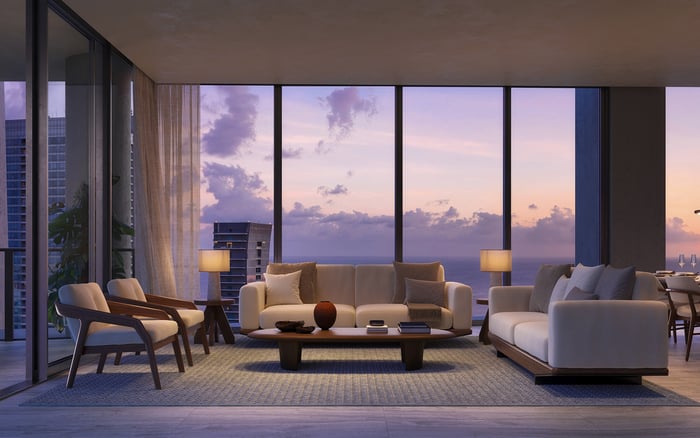
South Florida’s waterfront is not one market, but three distinct lifestyles. Oceanfront prioritizes direct beach access and open Atlantic views, Intracoastal living balances calmer water with navigable routes, and canal-front homes deliver the closest thing to a private marina at your back door. The difference is not just romance, it is exposure, maintenance, and functional usability, from wave action to seawalls to bridge clearances. This guide maps the trade-offs high-net-worth buyers actually live with, so your waterfront choice matches how you spend your days.
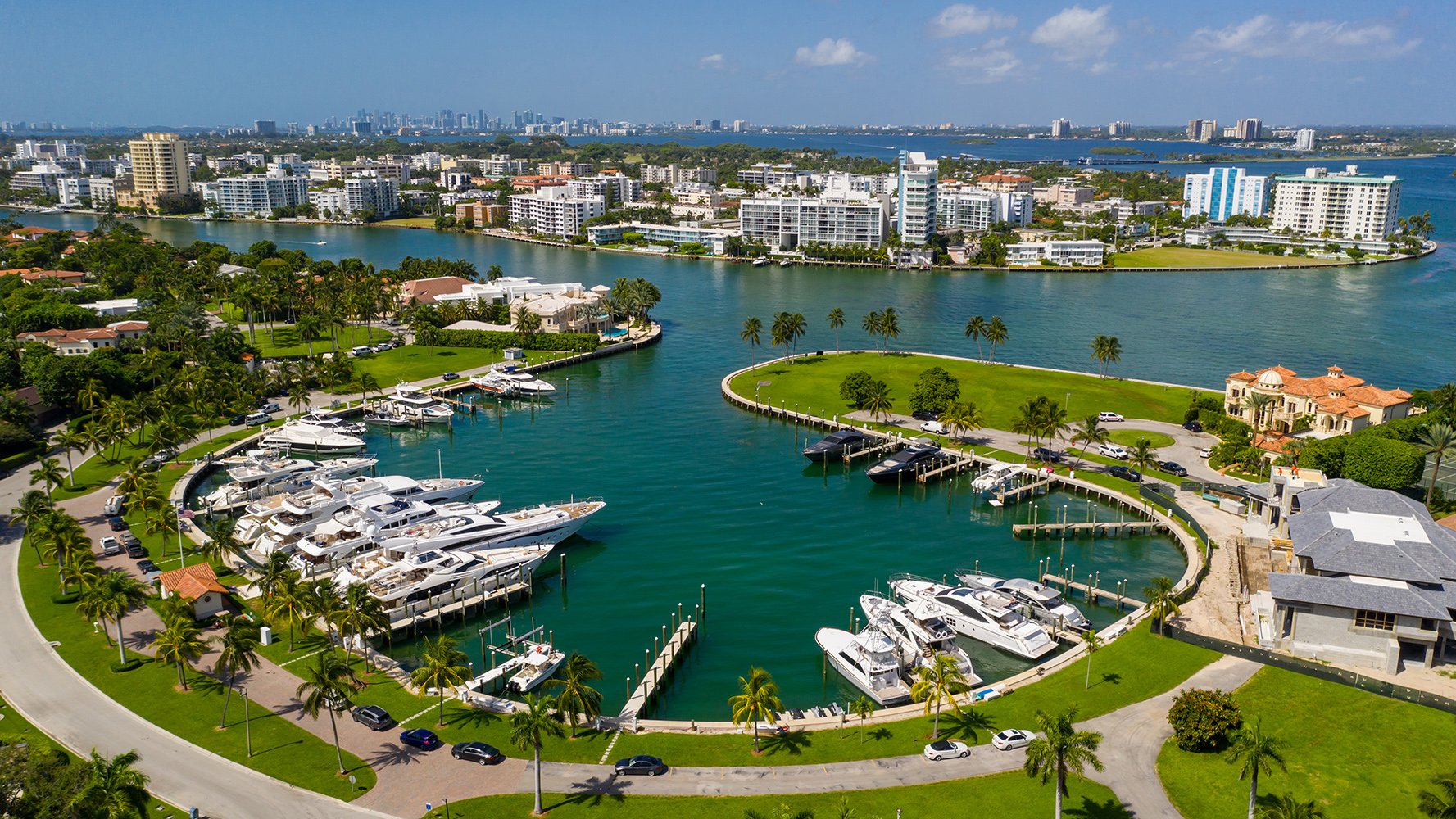
In South Florida, “waterfront” is a headline, not a full description. Oceanfront, Intracoastal, and canal-front properties can sit minutes from one another, yet perform very differently in weather, boating practicality, and long-term upkeep. Oceanfront living is the region at its most elemental: direct Atlantic exposure, unobstructed horizon lines, and immediate beach access. That same exposure typically brings greater sensitivity to hurricanes and salt air, with exterior materials and mechanical systems working harder than they would on more protected water. Intracoastal living trades surf for a calmer, navigable waterway, often buffered by barrier islands. The appeal is a “city plus water” cadence with boats, paddling, and sunset views, while still maintaining workable access to inlets and the ocean. Canal-front living can be the most operationally “private-yacht-friendly” when conditions align. It can deliver true steps-from-your-dock convenience, but only if depth, width, turning radius, and bridge clearances match the vessel you actually intend to run.
Oceanfront is for buyers who want the Atlantic at daybreak and the beach to function like an extension of the home. The luxury is immediacy: no crossing streets to reach sand, no reliance on a club, and no compromise on view corridors. That direct Atlantic frontage comes with a more demanding ownership profile. Open-water sites are typically more exposed to wind-driven rain, salt spray, and storm forces than homes on protected waterways. Expect more frequent attention to exterior finishes, glazing, balcony components, and HVAC longevity, simply because corrosion and humidity are persistent. Flood risk can also be more pronounced for true coastal sites. Many direct-ocean properties fall into FEMA VE flood zones, defined by high-velocity wave action. In practical terms, that can shape insurance risk, underwriting requirements, and overall carrying costs. For those seeking an oceanfront condominium lifestyle in a refined, design-forward setting, Miami Beach remains a natural anchor. 57 Ocean Miami Beach speaks to buyers who prioritize a beach-first daily routine, where the sand is not an amenity, but the setting.
Intracoastal properties occupy a coveted middle ground. You still live on a meaningful body of water, often with wide views and active boat traffic, yet barrier-island geography generally moderates wave action. For many owners, that translates to a calmer experience on terraces and docks, plus a boating route that stays usable more days of the year. The Intracoastal is also prized for connectivity. It is built as a navigable corridor, and many segments offer workable routes to inlets and open ocean without beginning the day in full surf conditions. The lifestyle is social and scenic: a morning paddle, an afternoon cruise, and evening lights reflecting across the water. Within Miami, bayfront and urban waterfront neighborhoods create a distinct version of Intracoastal-adjacent living, skyline, culture, and water in the same frame. Areas like Edgewater have become synonymous with that “waterfront but not beach-town” sensibility. For buyers drawn to this urban-bayfront mode, Aria Reserve Miami reflects the city-and-water proposition that doesn’t require oceanfront exposure to feel genuinely coastal.
Canal-front homes are the most frequently misunderstood category, because the word “waterfront” can conceal real constraints. At its best, canal-front living is seamless: step outside, board, and go. At its worst, it’s a beautiful view paired with a boat that never leaves the slip. The defining issue is usability. Canal depth and width, bridge clearances, tight turns, and even shoaling can turn a “waterfront” listing into a functional mismatch for larger vessels. “Deepwater dockage” isn’t merely having a dock; it depends on verified depth at or near the dock and along the route to open water, which is why surveys and route checks matter. Fort Lauderdale has long been associated with boating-centric neighborhoods where canal geometry and dockage drive value. Las Olas Isles is frequently cited for this reason: in these markets, the waterway becomes part of the floor plan, and the boat becomes part of the lifestyle.
Waterfront buying is emotional, but it turns rational quickly once insurance and risk are priced. Coastal high-risk categories can be materially more expensive than moderate-risk zones, and variability isn’t just county-to-county, it’s property-to-property. Start with flood zone, then get more granular. Flood risk can vary street-by-street within the same waterfront city, which is why localized flood mapping and site-specific due diligence matter. Treat flood zone as a baseline, then confirm elevation, drainage patterns, and how the property performs during heavy rain and king-tide conditions. Hurricane coverage has its own critical nuance: Florida hurricane deductibles are typically a percentage of insured value, not a flat dollar amount, and they apply when a hurricane triggers the deductible. On high-value homes and penthouse-level condominiums, that percentage becomes a meaningful liquidity consideration. Sea-level rise is a longer arc, but it is already shaping how coastal cities plan around flooding and infrastructure in low-lying areas. For owners, the lifestyle takeaway is straightforward: even on blue-sky days, nuisance flooding can affect access, parking, and ground-floor operations depending on micro-location.
Every waterfront buyer should budget beyond the interior. Salt air and humidity typically accelerate wear on metal components, exterior paint, railings, and mechanical systems. The goal isn’t to fear the environment, it’s to manage it with intention: protective coatings, rinse routines, proactive servicing, and a home or building team that understands coastal exposure. For bayfront, Intracoastal, and canal-front single-family homes, the seawall is a defining asset. Seawall repair is often priced per linear foot, making condition and scope major variables. Before committing, buyers typically want clear documentation on age, permits, past repairs, and any visible signs of movement or deterioration. Condominium buyers have a parallel concern: building-wide reserves, façade programs, and the cadence of coastal maintenance. It’s less about surprise and more about knowing the schedule.
If boating is central, choose the waterfront type that supports your actual usage, not an imagined version. Oceanfront homes rarely provide practical private dock options because wave action and surf conditions are not dock-friendly. Many oceanfront owners who boat rely on marinas rather than backyard docking. Intracoastal properties can be ideal for owners who want protected water and navigable routes, while still being able to reach inlets. Canal-front can be the most convenient, but only if the route out is viable. A smart pre-offer checklist is simple:
Waterfront in South Florida also expresses itself through neighborhood character. Miami Beach remains the emblem of beach culture: walkable sand, oceanfront energy, and a lifestyle built around the shoreline. If your calendar revolves around morning swims, beach service, and a resort-caliber rhythm, this is the natural habitat. Brickell and Edgewater present a different thesis. They are widely recognized as bayfront, urban waterfront neighborhoods where water is part of the skyline experience. For buyers who want proximity to dining, arts, and business hubs, with water views as a daily backdrop, Una Residences Brickell represents the kind of address that reads metropolitan while still feeling coastal. Further north, oceanfront can feel quieter and more residential while remaining resolutely luxurious. For a modern oceanfront expression outside the densest urban core, 2000 Ocean Hallandale Beach captures the appeal of direct Atlantic living with a more relaxed cadence.
The right waterfront choice often becomes clear when you answer these without compromise.
If it’s sand-first, oceanfront wins. If it’s dock-first, canal-front and Intracoastal typically outperform.
Oceanfront is the most cinematic. Intracoastal is calmer, and often more usable for day-to-day outdoor living.
Oceanfront exposure generally raises the maintenance tempo. Protected water can reduce it, but waterfront is never “set it and forget it.”
Oceanfront can feel serene in the right pocket, yet many stretches are socially active. Intracoastal and canals can be either, depending on traffic patterns and neighborhood layout.
Treat flood zone, hurricane deductible structure, and seawall condition as essentials, not afterthoughts.
Is oceanfront always riskier than Intracoastal or canal-front? Oceanfront is typically more exposed to wind, salt, and wave action, but risk still varies by elevation and building standards.
What is a FEMA VE flood zone in plain terms? It is a coastal flood zone associated with high-velocity wave action, often found on direct-ocean sites.
Do hurricane deductibles work like a normal deductible? Not usually. In Florida, they are commonly a percentage of the insured value and apply when a hurricane triggers them.
Can I keep a large boat behind a canal-front home? Sometimes, but usability depends on controlling depth, canal geometry, and bridge clearances along the route.
What does “deepwater dockage” actually mean? It refers to verified depth at the dock and along the path to open water, not simply having a dock installed.
Do oceanfront homes typically have private docks? Private dock practicality is limited on open surf, so many owners use marinas instead of backyard dockage.
Why do waterfront homes require more upkeep? Salt air corrosion and humidity tend to shorten the lifecycle of exterior finishes and mechanical systems.
How specific is flood risk within the same city? It can vary street-by-street, which is why localized flood mapping and property-specific checks matter.
How do seawalls affect canal-front and bayfront ownership? Seawalls are a major capital component; condition and repair scope can materially change long-term costs.
Is Intracoastal living still “close to the ocean”? Yes. Many Intracoastal stretches provide navigable routes to inlets and open water while staying protected.
Explore South Florida’s oceanfront, Intracoastal, and canal-front options with MILLION Luxury.
If branded residences are on your mind — as a home or as an allocation — we would be glad to share what we are seeing, privately.
Begin a quiet conversation