A buyer-focused guide to evaluating sun-glare control at The Surf Club Four Seasons Surfside, from glazing data and exposure timing to real-world comfort inside oceanfront residences.
At The Surf Club Four Seasons Surfside, the appeal of the proposition is inseparable from the intensity of the setting. Surfside gives buyers a rare combination of oceanfront calm, architectural polish, and hotel-serviced privacy, while placing interiors directly in the path of strong South Florida sun. That is not a flaw. It is a condition to be understood with discipline.
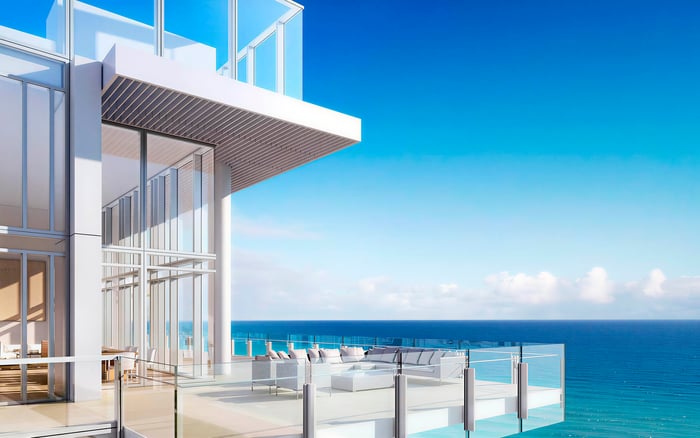
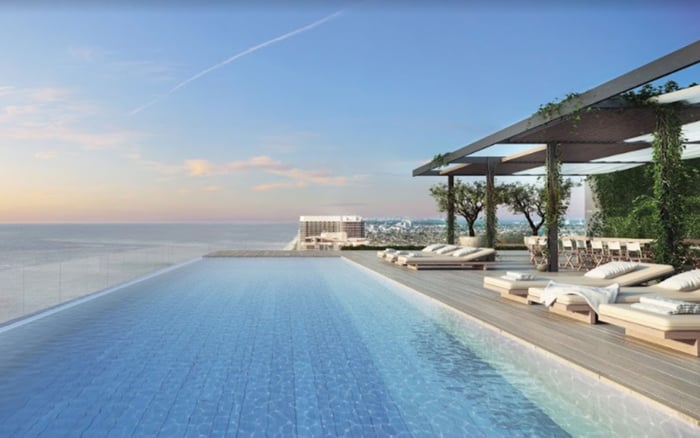
The most seductive rendering is often the one that shows glass, light, and an uninterrupted horizon. Yet a luminous image does not answer the questions that matter after closing: Can a laptop be used comfortably at breakfast? Does the primary bedroom receive harsh early glare? Can art be displayed safely? Does the living room remain pleasant when the sun is low and direct?
This is where the conversation moves from aesthetics to performance. For buyers of an oceanfront residence, light is not merely a view condition. It affects comfort, cooling load, furniture placement, media use, and the daily rhythm of the home. At the upper end of the market, the question is not simply whether a residence is bright. It is whether that brightness is controlled.
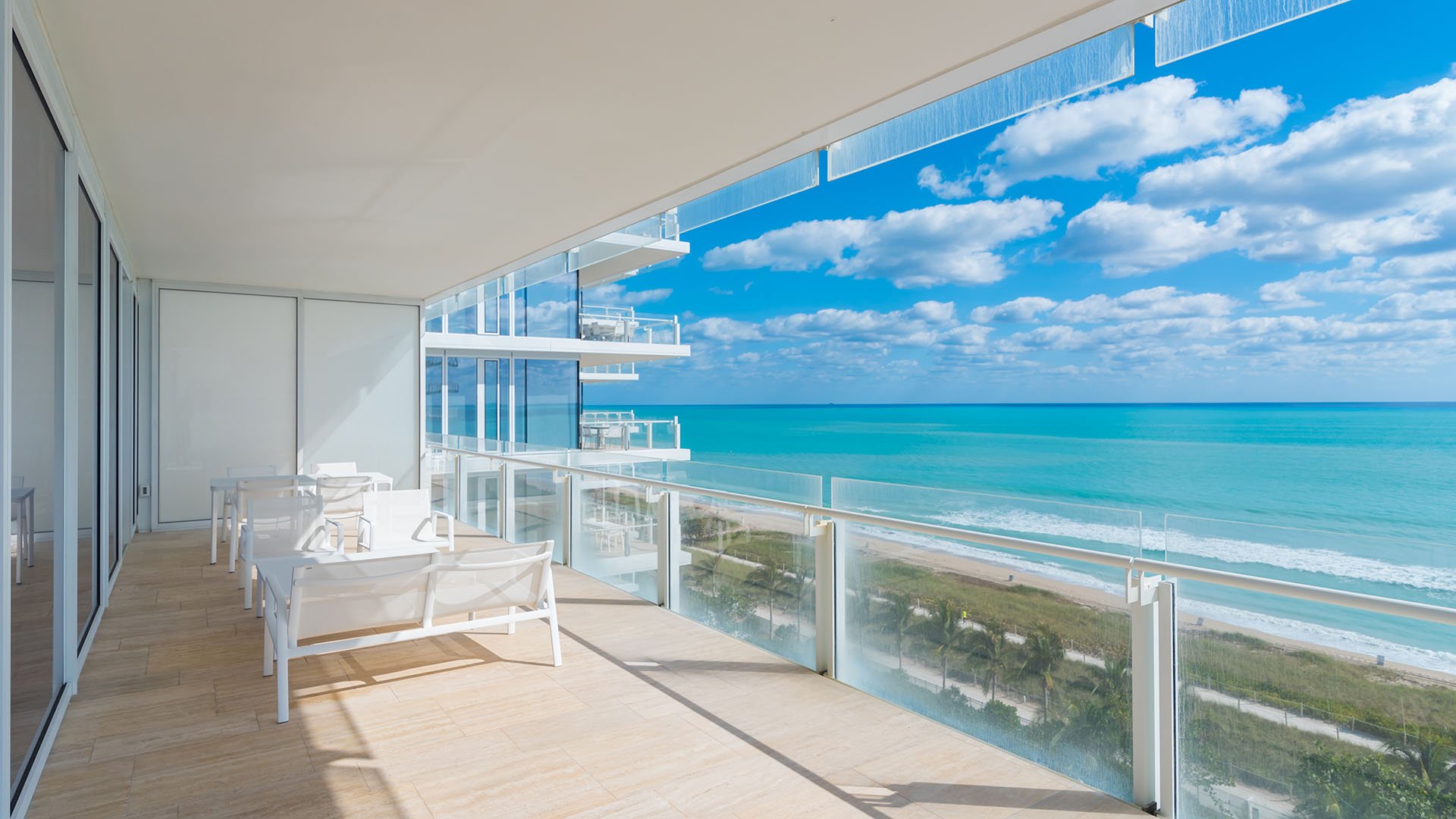
In Surfside, east-facing rooms are naturally prized for ocean views and sunrise. They can also bring concentrated morning glare into bedrooms, breakfast areas, living spaces, and rooms that open directly to a terrace or balcony. The issue is not brightness alone. It is angle, reflection, and duration.
A buyer should stand in the actual residence, not only in a model environment, at a morning hour that reflects real use. If the home will be occupied seasonally, the visit should still account for how daily routines will unfold. Sit where breakfast would happen. Open a laptop. Hold a phone at normal reading distance. Look toward the television wall, artwork wall, and bed position. If the experience requires squinting, relocation, or constant shade adjustment, that is information, not inconvenience.
The ocean itself can amplify the effect. Water, pale flooring, glass guards, and light-toned interiors can produce secondary glare that renderings rarely convey. A room may photograph beautifully while still demanding compromise in daily life.
Buyers often focus on the drama of sunrise, but the more difficult condition can be late-afternoon sun. West-facing exposures and cross-through residences can receive low-angle light that reaches deeper into a plan than overhead midday sun. This is especially important in dining areas, media rooms, offices, and seating zones where occupants face a fixed direction.
The late-day test should be practical. Visit when the sun is descending, not when the residence is perfectly staged. Stand near the primary seating area. Look toward the kitchen island. Evaluate whether direct sun strikes work surfaces, dining tables, or polished stone. Observe whether interior shades solve the problem fully, partially, or only cosmetically.
Higher floors can change the equation. Elevation may improve openness and reduce certain obstructions, but it can also increase exposure. Neighboring buildings, slab edges, tower position, and floor height may alter sun behavior from one residence to another. This is why two homes in the same building can deliver very different daylight experiences.
The buyer-side document request should be specific. Ask for façade and glazing information, including glass type, tint, low-emissivity coating, visible light transmittance, solar heat gain coefficient, and UV performance. These terms are not decorative technicalities. They describe how much visible light enters, how much solar heat is admitted, and how well interiors may be protected from ultraviolet exposure.
Do not assume that all glass performs alike because it looks similar in a rendering. Clear, tinted, coated, laminated, and insulated assemblies can behave differently. A refined façade can still produce glare if visible light is high and shading is insufficient. Conversely, a darker or more controlled glass specification may reduce glare while affecting color perception and interior mood.
The strongest evidence is not a sales phrase. It is a package of façade shop drawings, glass performance data, shading-system specifications, and any available daylight or solar-gain studies. A sophisticated buyer does not need to become an engineer, but the buyer’s advisory team should know what to review and what to question.
Sun control is not only about glass. It is also about geometry. Balcony depth, slab edges, window recesses, exterior fins, terrace overhangs, and interior shade systems can all shape how light enters a room. A deep overhang may soften midday sun but do less against low-angle morning or afternoon light. A motorized shade may improve comfort, but its fabric openness, color, side gaps, and integration with lighting all matter.
At this level, shading should be assessed in built conditions. If the residence has a terrace, test the transition from exterior brightness to interior seating areas. If it has a balcony, observe whether reflected light bounces upward or inward. If a room relies heavily on interior shades, confirm how the space feels when they are deployed. Does the view remain usable? Does the interior become too dim? Does privacy improve without turning the room into a theater?
The goal is not to eliminate sunlight. The goal is to tune it. A great South Florida residence should allow owners to enjoy ocean light without surrendering comfort.
Luxury buyers often evaluate rooms by view corridors and finishes, but glare reveals itself through objects. A phone screen, a laptop, a television, a polished dining table, a stone counter, or a framed artwork can expose issues that the eye may miss during a quick walkthrough.
Art collectors should separate glare control from preservation. A room can feel comfortable yet still allow direct sun onto display walls. UV performance, shade use, and the actual path of sun across the wall should be reviewed before assigning valuable works to a location. The same applies to textiles, rugs, leather, and wood finishes that may be affected by direct exposure over time.
Thermal comfort belongs in the same review. Large glazed façades can be visually exceptional while increasing radiant heat discomfort near the glass. A room may be adequately cooled by air conditioning but still feel warm at the seating line. Buyers should stand near the façade, sit in the intended furniture zone, and consider whether the comfort level feels consistent across the room.
At The Surf Club Four Seasons Surfside, the most useful review is residence-specific. Begin with orientation: east, west, corner, or cross-through. Then verify the rooms most affected by direct sun: primary suite, living room, dining area, kitchen, study, and terrace-adjacent spaces.
Next, schedule visits at more than one time of day. Morning visits are essential for ocean-facing rooms. Late-afternoon visits are essential for west-facing and cross-through homes. If possible, repeat the experience under bright conditions rather than relying only on an overcast appointment.
Then test actual use. Sit where owners will sit. Place a phone where it will be used. Imagine the television operating during a game or film. Identify where art would hang. Ask whether shade controls are manual or automated, how they are zoned, and whether the system integrates with the residence’s lighting strategy.
Finally, compare what is experienced in person with what the rendering suggests. The rendering may be beautiful, but the built condition is the asset being purchased. In Surfside, where architecture, hospitality, and ocean exposure meet, sunlight is part of the property’s value. It should be verified with the same care as views, ceiling heights, finishes, and service.
Why is sun-glare control important at The Surf Club Four Seasons Surfside? The oceanfront setting brings strong South Florida light that can affect comfort, visibility, heat gain, and how rooms are used throughout the day.
Are renderings enough to judge daylight comfort? No. Renderings can show atmosphere and view quality, but they do not prove how glare, heat, or reflected light will behave in a completed residence.
When should buyers visit an east-facing ocean residence? Early morning is the key test, especially for bedrooms, living rooms, breakfast areas, and spaces adjoining a terrace or balcony.
Why does late-afternoon sun matter? Low-angle west sun can penetrate deeply into interiors and may be harder to manage than overhead midday light.
What glazing information should be requested? Buyers should ask for glass type, tint, low-e coating, visible light transmittance, solar heat gain coefficient, and UV performance.
Does a higher floor always mean better glare control? No. Higher floors may improve openness, but exposure, orientation, neighboring structures, and façade details still shape glare behavior.
How should art collectors evaluate sun exposure? They should verify UV protection and observe whether direct sun reaches proposed display walls during key times of day.
What everyday items help reveal glare problems? Phones, laptops, televisions, dining tables, polished counters, seating areas, and artwork walls are useful real-world tests.
Is thermal comfort separate from glare? It is related. A room can look bright and beautiful while still feeling warm near large areas of glass.
What is the best buyer strategy before making a decision? Review the specific residence at multiple times of day, request façade and shading documentation, and compare the built condition with the marketing imagery.
For a confidential assessment and a building-by-building shortlist, connect with MILLION.
If branded residences are on your mind — as a home or as an allocation — we would be glad to share what we are seeing, privately.
Begin a quiet conversation