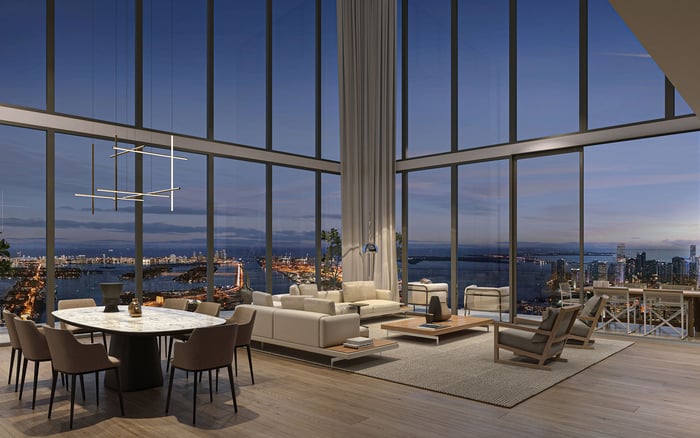
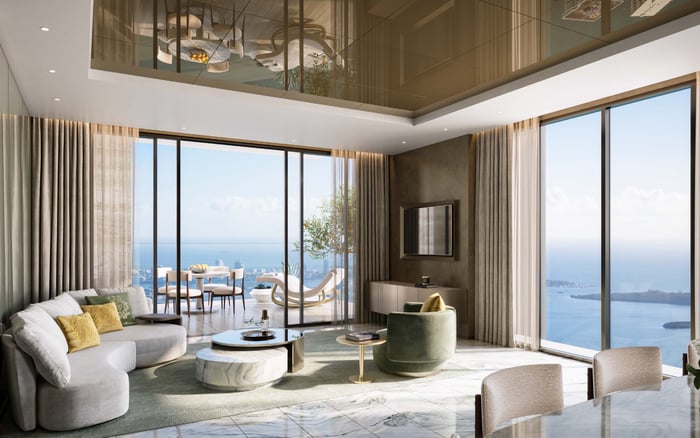
A buyer-focused guide to judging Bal Harbour terrace usability through shade, heat index, wind exposure, materials, elevation, and condo-rule constraints.
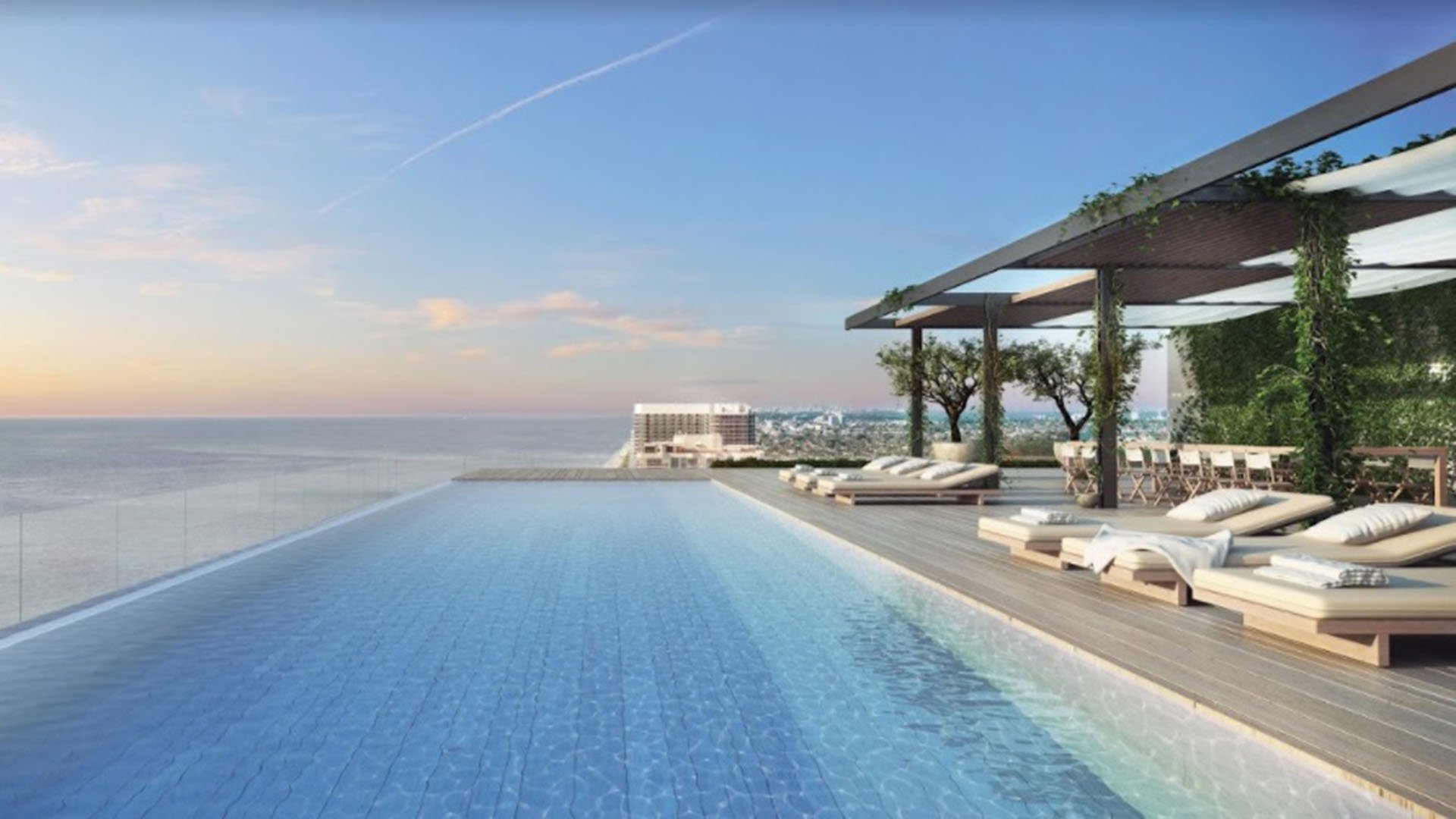
In Bal Harbour, the terrace is not a decorative appendix to the residence. It is often the reason a buyer chooses one line, one floor, or one building over another. Yet the costliest mistake is evaluating that outdoor room by square footage alone. A broad slab with uninterrupted views can be less useful than a smaller, better-protected terrace that stays shaded, calm, and comfortable for longer stretches of the day.
The right question is not simply, “How large is it?” The better question is, “When will I actually use it?” Thermal comfort depends on air temperature, humidity, radiant heat, air movement, wind speed, clothing, and activity level. A terrace meant for morning coffee should be judged differently from one expected to host dinner for ten, support a daybed, or function as an outdoor living room through August.
That distinction is especially important when comparing residences at Rivage Bal Harbour, Oceana Bal Harbour, and nearby Surfside addresses. The view may sell the dream, but the microclimate determines whether the buyer will live outdoors or merely look outdoors.
Bal Harbour buyers should give more weight to the “feels like” temperature than to the listed air temperature. Humidity changes everything. When the air is saturated, the body cools less efficiently through evaporation, so a shaded but still terrace can feel heavy and uncomfortable even when the temperature appears manageable.
Direct sun adds another layer. Radiant heat from the sun, surrounding walls, glass, stone, and decking can make an exposed terrace feel substantially hotter than the air around it. Long summer afternoons deserve particular attention, especially on west-facing spaces where late-day sun can strike seating areas just when owners imagine cocktails or dinner outdoors.
During a showing, do not stand for two minutes and move on. Sit where the dining table would go. Sit where the chaise would go. Stay for 10 to 15 minutes if possible. Touch the walking surface with the back of your hand. If the stone, tile, or decking feels punishing, the terrace may require rugs, lighter finishes, or a different furniture strategy to feel pleasant in warm months.
Oceanfront exposure is prized, but exposure is the operative word. Shade should be treated as infrastructure, not decoration. Slab overhangs, recessed balconies, nearby building shade, architectural fins, exterior shading devices, and balcony depth all influence whether the terrace feels gracious or punishing.
The most useful question is not whether there is shade at the exact time of the showing. It is how shade moves across the terrace from morning to late afternoon. A terrace that feels perfect at 10 a.m. may be fully exposed by 3 p.m. Conversely, a line that seems less dramatic on paper may have a deep overhang that makes the space more usable through the season.
This is where buyers comparing Bal Harbour with The Surf Club Four Seasons Surfside or Fendi Château Residences Surfside should slow down. Adjacent coastal markets can offer similar ocean proximity, but each tower, stack, orientation, and terrace depth creates a different comfort profile. The most livable outdoor room is often the one that tempers the view with shade.
Sea breeze can be a luxury in South Florida, bringing air movement that relieves heat and humidity. But breeze and wind are not the same thing. Coastal circulations can cool a terrace while also making it too windy for dining, umbrellas, candles, delicate plants, or lightweight furniture.
Wind speed generally increases with elevation, which means high-floor and penthouse residences require a more careful test than lower-floor terraces with the same plan. A penthouse deck can be visually magnificent and intermittently impractical if gusts make the furniture layout defensive rather than relaxed.
Corners deserve special attention. Buildings can accelerate and redirect wind around edges, gaps, and openings, creating conditions that do not appear in a simple floor plan. A corner terrace may have an exceptional panorama and more cross-breeze, but also more turbulence. Buyers should ask whether they are feeling a steady breeze or irregular gusting. Gusts are what move cushions, rattle doors, stress planters, and make outdoor dining feel unsettled.
A terrace is not a single-use space unless the buyer makes it one. Before purchasing, define the intended program. Morning espresso requires different comfort than reading for two hours. Sunset cocktails require different wind tolerance than a seated dinner. A family breakfast needs different shade than a sculptural lounge arrangement used mostly in winter.
Bring a small handheld anemometer if terrace usability is a major part of the purchase rationale. It will not replace judgment, but it can reveal whether a breeze feels steady or whether gusts are repeatedly crossing the threshold into annoyance. Note whether sliding doors are easy to open and close in wind. Observe whether existing owners use heavy furniture, low-profile seating, built-in planters, or minimal accessories, as those choices may be clues to the wind behavior of the line.
Visit more than once whenever possible. Morning and late afternoon can feel like two different properties. Humidity, sun angle, sea breeze, and building shade change throughout the day. A terrace that seems serene before lunch may become hot, bright, or gusty later, while another may improve once the sun moves behind the tower.
Surface color and reflectance matter. Dark stone, dark decking, and low-reflectance finishes absorb more solar energy, which can raise surface heat and make barefoot use unpleasant. Lighter, more reflective, or more permeable surfaces can reduce heat buildup compared with conventional dark hardscape, though any material choice must be weighed against durability, maintenance, and building rules.
Furniture should be evaluated as coastal equipment, not ordinary patio decor. Miami-Dade buildings are designed with significant wind conditions in mind, and owners should think accordingly. Heavy dining chairs, low-profile lounges, secured cushions, wind-rated umbrellas where permitted, and carefully chosen planters can make the difference between a photogenic terrace and a functional one.
Before assuming that fans, pergolas, retractable awnings, screens, shutters, trellises, or large planters will solve comfort issues, confirm the condominium documents, architectural review rules, and approval requirements. Exterior attachments in local wind zones can be tightly regulated. A buyer should know what can be added, what cannot, and what would require formal approval before pricing a terrace as if improvements are automatic.
For new or recently built towers, ask whether wind comfort analysis, balcony usability studies, or design documentation exists for private terraces and amenity decks. The goal is not to make the purchase overly technical. It is to understand whether the building team anticipated how air moves around the tower, especially at corners, elevated amenity levels, and exposed outdoor areas.
Ask current owners or building staff how terraces are used during summer afternoons, windy winter days, and humid evenings. Their answers may be more useful than a brochure image. If outdoor dining is a priority, confirm where a table can sit without full sun, strong gusts, or excessive radiant heat from flooring and glass.
The best terrace in Bal Harbour is not always the largest. It is the one whose proportions, orientation, shade, wind behavior, and rules align with the owner’s daily rituals. In the ultra-premium market, usable outdoor space is not measured only in feet. It is measured in hours of genuine comfort.
Is a larger terrace always better in Bal Harbour? No. A smaller shaded terrace with calmer wind may be more usable year-round than a large exposed deck.
Why does humidity matter on a shaded terrace? High humidity reduces the body’s ability to cool through evaporation, so still air can feel uncomfortable even without direct sun.
Should buyers visit a terrace more than once? Yes. Morning, midday, and late afternoon can produce very different shade, heat, humidity, and breeze conditions.
Are penthouse terraces more vulnerable to wind? Often, yes. Wind speed generally increases with elevation, so upper terraces should be tested carefully for gusts and turbulence.
What makes corner terraces different? Building edges can accelerate and redirect wind, which may create stronger gusts than on more protected interior stacks.
Can fans or awnings solve a hot terrace? Sometimes, but buyers should confirm condominium rules, exterior approval requirements, and wind-related code considerations first.
Do terrace materials affect comfort? Yes. Dark, low-reflectance surfaces can absorb more solar energy, while lighter surfaces may reduce heat buildup.
What should buyers bring to a showing? A handheld anemometer, sunglasses, and patience are useful. Sit for several minutes where you would actually dine or lounge.
Is sea breeze always positive? Not always. It can cool the terrace, but stronger breeze or gusting can make dining and lightweight furnishings impractical.
What is the most important terrace question before purchase? Ask when and how you will use the space, then test the terrace under those specific conditions before assigning value.
For a confidential assessment and a building-by-building shortlist, connect with MILLION.
If branded residences are on your mind — as a home or as an allocation — we would be glad to share what we are seeing, privately.
Begin a quiet conversation