A discreet buyer’s guide to evaluating wellness-led living on Grove Isle, from air, acoustics, privacy, resilience, arrival, and long-term operations before the view takes over.
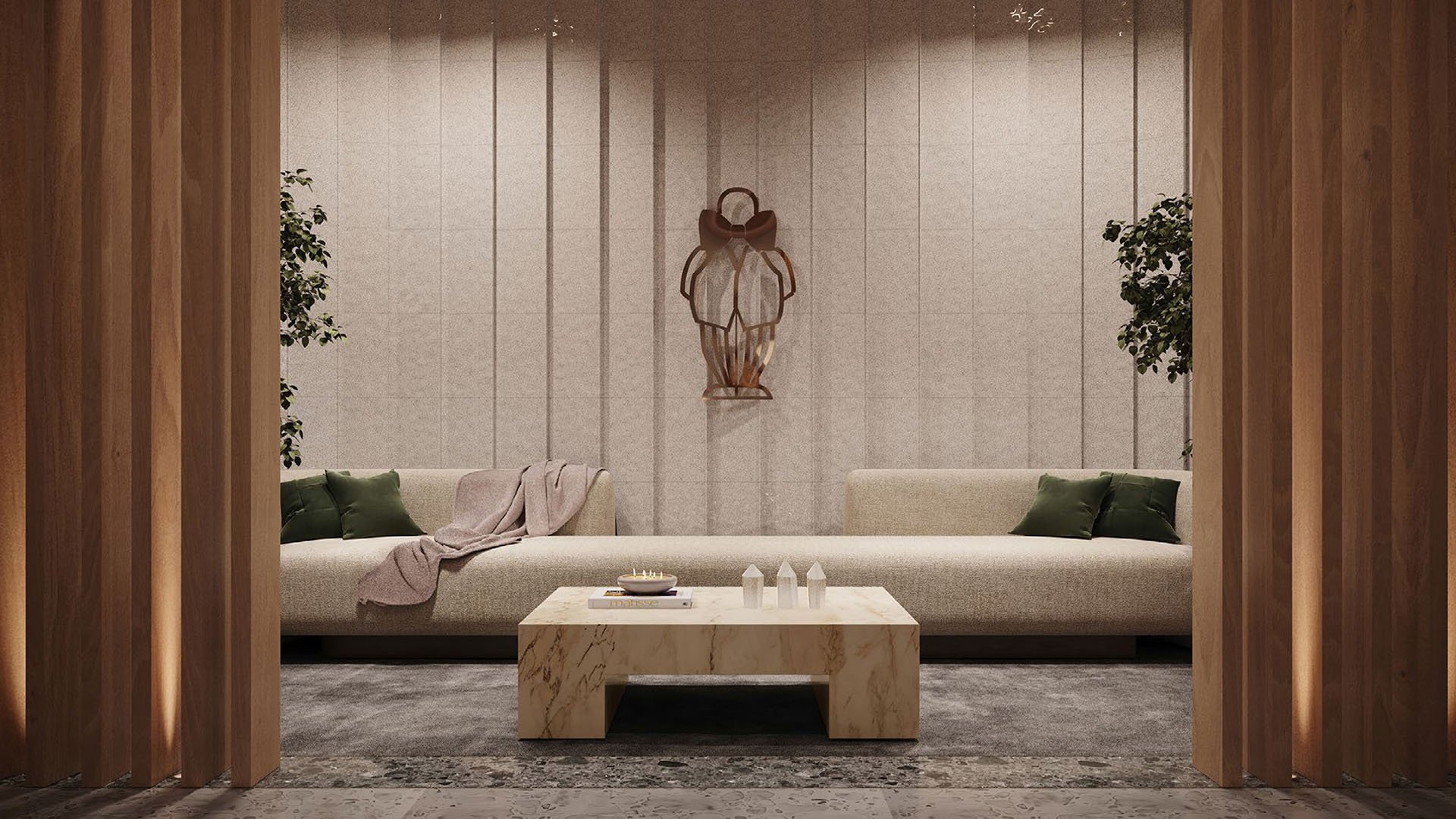
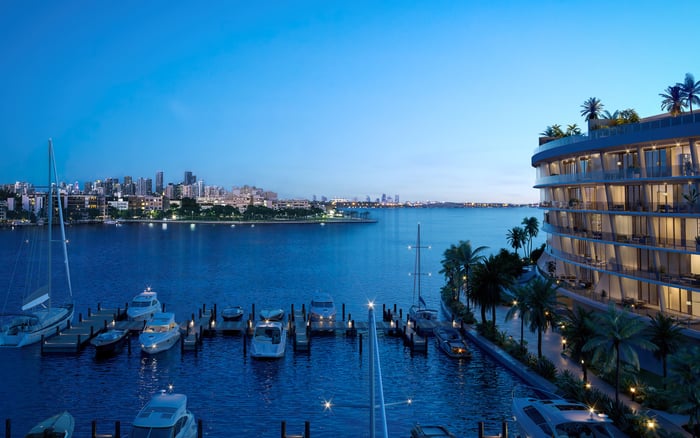
A Grove Isle view can persuade before a buyer has asked a single serious question. Water, sky, and the layered green edge of Coconut Grove create an immediate emotional pull. Yet in a wellness-led residence, the view is only one dimension of the living experience. The more important test is whether the home supports the body at 7 a.m., at midnight, during a stormy week, and after the panorama has softened into routine.
The disciplined approach is simple: admire the view, then step back from it. A wellness-led residence should be judged by what it does when no one is staging a tour. How does it sound? How does it breathe? How does it handle heat, privacy, service, access, deliveries, pets, guests, and maintenance? The best waterfront homes are not merely scenic. They are composed.
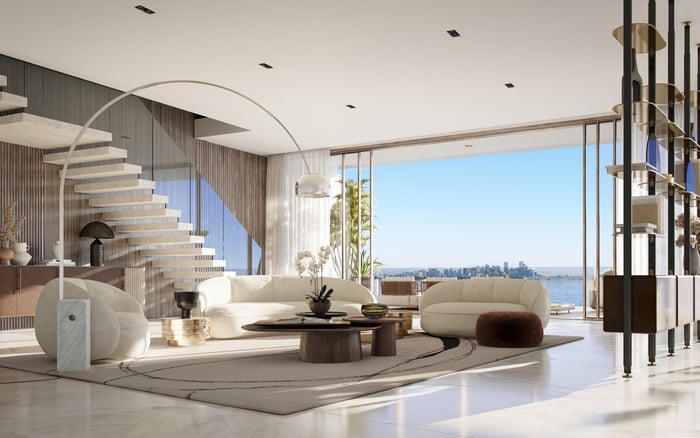
That distinction matters on Grove Isle because the setting is naturally seductive. A buyer considering Vita at Grove Isle, for example, should evaluate the residence not as a postcard, but as a daily system: architecture, building operations, amenity culture, and governance working together to protect calm.
The most convincing wellness narrative begins with air quality, even if it is rarely the most glamorous part of a presentation. Ask how fresh air is introduced, filtered, circulated, and controlled within residences and common areas. Ask whether the system is easy for residents to understand, whether filters and equipment can be serviced without drama, and whether humidity control is treated as a core comfort issue rather than an afterthought.
In South Florida, indoor comfort is inseparable from humidity, heat, and salt air. A residence may feel spectacular during a 20-minute showing, but ownership is measured in seasons. The question is not simply whether the air feels cool. It is whether the home can remain balanced, quiet, and comfortable without constant adjustment.
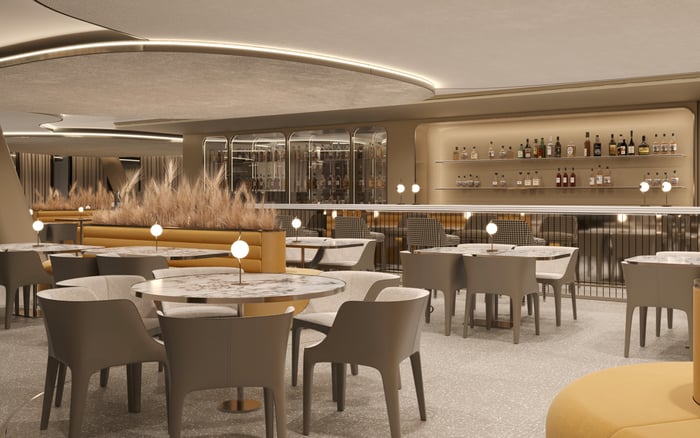
A thoughtful buyer should also separate private wellness from shared wellness. A serene primary suite is valuable, but so are corridors, elevators, spa areas, fitness rooms, lounges, and parking arrivals that feel fresh and cared for. If common spaces feel heavy, noisy, or perfumed into submission, the building may be relying on atmosphere rather than performance.
Sound is one of the fastest ways to separate true wellness from decorative wellness. On the water, buyers often listen only for the absence of traffic. That is not enough. The more revealing questions involve mechanical noise, elevator proximity, amenity spillover, pool activity, service routes, marina or roadway sounds, and sound transfer between residences.
During a private tour, pause in the quietest room and say nothing for a full minute. Listen for air movement, vibration, hallway activity, doors closing, and the tone of nearby common areas. Then repeat the exercise on the terrace. A great view with compromised acoustics can become a beautiful inconvenience.
This is where comparisons across Coconut Grove can be useful. The wellness vocabulary around The Well Coconut Grove invites buyers to think beyond amenities and ask how calm is actually engineered. The same lens applies on Grove Isle: quiet should not depend on luck, floor choice alone, or the hope that neighbors behave perfectly.
A wellness-led residence does not begin at the front door. It begins with the arrival. How one enters the island, approaches the building, greets security, parks, receives guests, and moves from car to elevator shapes the nervous system before the residence is reached.
Buyers should ask whether the arrival feels ceremonial or congested, private or exposed, intuitive or overmanaged. The best buildings reduce friction without making residents feel processed. Valet, self-parking, package handling, guest access, ride-share pickup, and service circulation are not minor operational details. They determine whether the building feels restful on an ordinary Tuesday.
For Grove Isle, access also deserves particular scrutiny because island living carries a different psychology from a standard urban address. The privacy is part of the appeal, but it should not create unnecessary friction. A residence that sells seclusion must also deliver ease.
Luxury buyers often use privacy and exclusivity interchangeably, but they are not identical. Exclusivity may describe scarcity, price, or address. Privacy is more intimate: sightlines, elevator experience, amenity density, terrace exposure, staff discretion, and the ability to live without feeling observed.
Before falling for the view, stand where daily life actually happens. Sit at the breakfast table. Walk from the bedroom to the terrace. Imagine evening lighting. Consider whether neighboring terraces, amenity decks, boat activity, or common areas create visual pressure. A residence can be high-value and still feel too visible.
In Coconut Grove, privacy has long been part of the neighborhood’s appeal, but each building interprets it differently. Four Seasons Residences Coconut Grove gives buyers another point of comparison for how service, discretion, and residential calm can be framed within a Grove lifestyle. The lesson is not to choose by brand recognition. It is to ask whether the privacy model matches the way you actually live.
The most common mistake in evaluating wellness-led residences is counting amenities instead of testing rituals. A spa, gym, pool, treatment room, garden, or lounge matters only if it will be used comfortably and consistently. If the path to the amenity is awkward, the hours are inconvenient, the space feels crowded, or the rules are unclear, the feature becomes brochure value rather than lifestyle value.
Ask yourself what wellness means in your household. Is it strength training before sunrise, a quiet swim, recovery after travel, fresh air without exposure, shaded outdoor reading, pet routines, meditation, or simply not hearing the building? Then tour against those rituals.
This is especially important in branded or wellness-forward developments across South Florida. A buyer may look at Arbor Coconut Grove or other Grove residences to understand different interpretations of nature, wellness, and neighborhood intimacy. What matters is not which concept sounds most elevated. It is which one will still feel natural after 90 days of ownership.
Wellness should not be limited to spa language. In South Florida, resilience is part of well-being. Buyers should ask how the building is prepared for heavy weather, power interruptions, water management, access disruptions, and post-storm operations. The goal is not anxiety. It is clarity.
A serious residence should be able to explain its operational posture in plain language. What happens when conditions are difficult? How are residents informed? How are critical systems maintained? How does staff communicate? How are elevators, access points, garages, landscaping, and common areas handled after an event?
These questions may not be as seductive as sunset, but they are deeply relevant to long-term comfort. The true test of a wellness-led residence is not only how it performs on a perfect blue day. It is how gracefully it protects residents when the setting becomes less cooperative.
The final layer is governance. A building can open with polished amenities and a persuasive wellness identity, but the experience depends on rules, budgets, staffing, maintenance culture, and resident expectations. Before closing, buyers should understand how decisions are made and how the building intends to preserve its original standard.
This includes questions about amenity reservations, guest policies, leasing rules, pets, service staff, repairs, capital planning, and the tone of community life. Wellness is fragile when governance is vague. It is durable when the building has clear standards and the financial discipline to maintain them.
For a buyer considering Grove Isle, the best posture is neither skeptical nor dazzled. It is precise. Let the view open the conversation, but let air, sound, privacy, access, resilience, and governance decide whether the residence deserves the premium.
What should I evaluate first in a wellness-led Grove Isle residence? Start with air, acoustics, privacy, and circulation before focusing on the view or amenity list.
Is a water view enough to justify a premium? No. A view may support value, but daily comfort depends on systems, operations, and privacy.
How can I test acoustics during a showing? Spend quiet time in bedrooms, living areas, corridors, and terraces while listening for mechanical noise and activity.
Why does arrival matter in a wellness residence? Arrival shapes daily stress, from parking and security to guest access, deliveries, and elevator flow.
Are wellness amenities always meaningful? Only if they support real routines and are easy, private, well-managed, and pleasant to use.
How should I think about privacy on Grove Isle? Study sightlines from terraces, amenity areas, neighboring residences, and common circulation paths.
What role does resilience play in wellness? Resilience supports peace of mind by clarifying how the building handles difficult weather and operations.
Should I compare Grove Isle with broader Coconut Grove options? Yes. Comparisons can clarify whether island privacy, neighborhood access, or amenity culture matters most.
What documents should buyers review before committing? Review building rules, budgets, maintenance expectations, amenity policies, and governance structure with counsel.
What is the simplest rule for judging wellness-led luxury? If the residence feels calm only during a staged tour, keep asking questions until the daily experience is clear.
For a confidential assessment and a building-by-building shortlist, connect with MILLION.
If branded residences are on your mind — as a home or as an allocation — we would be glad to share what we are seeing, privately.
Begin a quiet conversation