A discreet buyer’s guide to evaluating view-corridor risk in South Florida luxury residences, especially for wellness-focused owners who value light, privacy, water outlooks, and long-term livability.
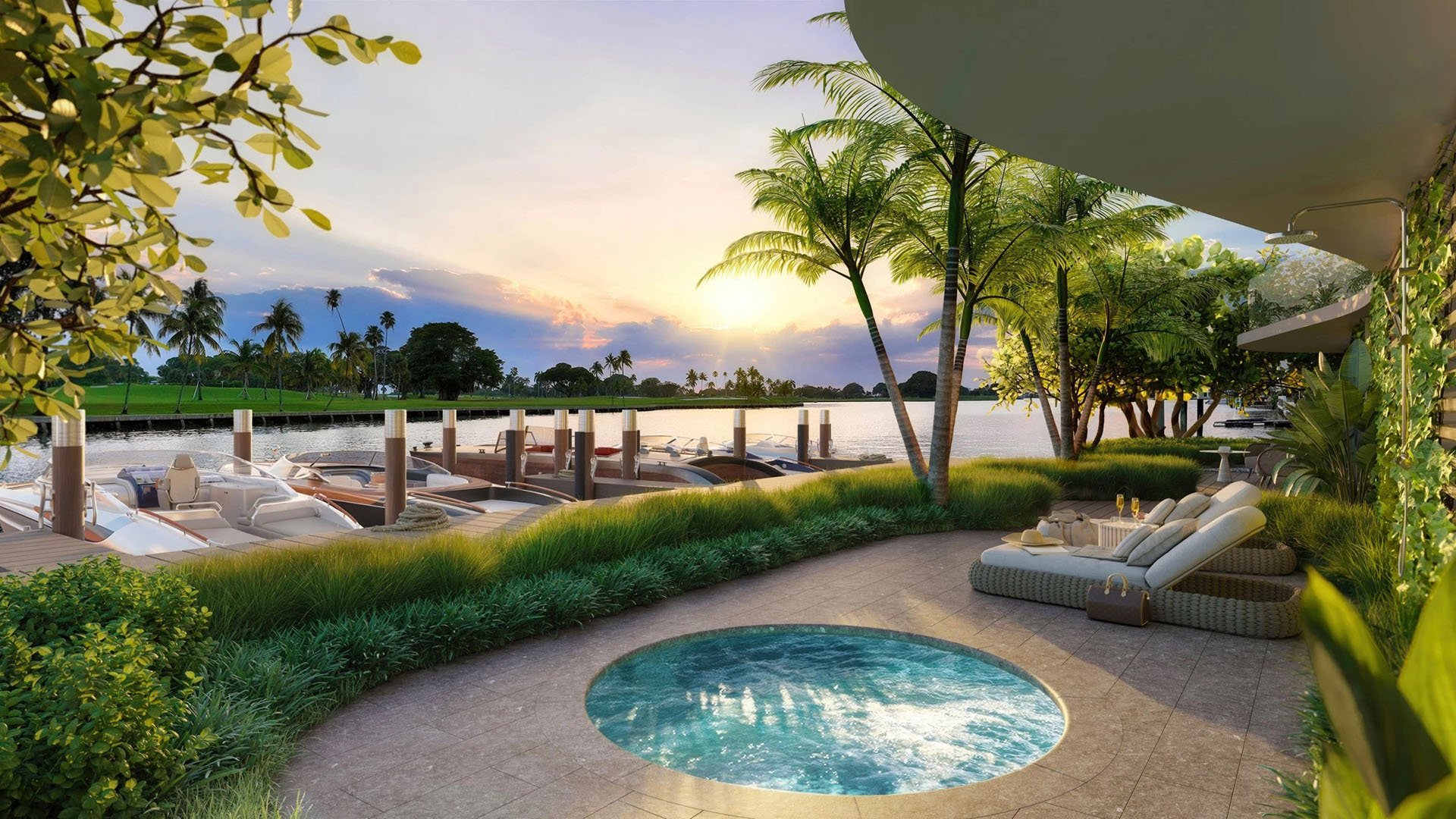
In South Florida, the most desirable residences often begin with a sensation before they become a transaction: morning light across a primary suite, a long waterline from the terrace, privacy above the city, or a horizon that makes the home feel restorative. For wellness-focused owners, these qualities are not aesthetic extras. They shape sleep patterns, mood, entertaining rituals, and the quiet rhythm of daily life.
That is why view-corridor risk deserves attention before signing. A residence can be beautifully designed and still rely heavily on an outlook that is not fully within the owner’s control. The question is not only whether a view is magnificent today. It is how much of the residence’s wellness experience depends on that view remaining substantially intact over time.
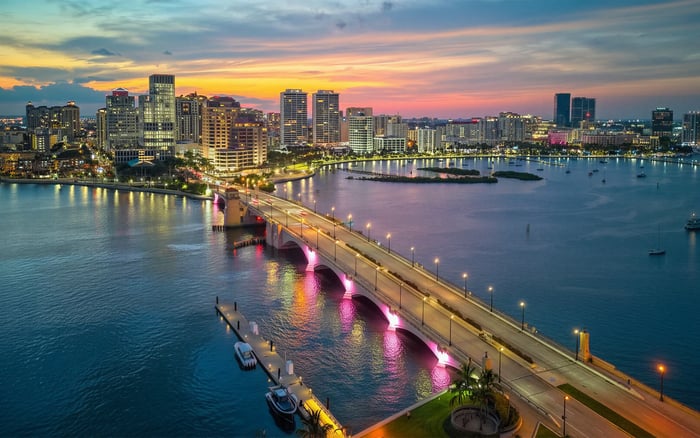
In districts such as Brickell, Miami Beach, Bay Harbor Islands, Edgewater, Sunny Isles, Fort Lauderdale, and West Palm Beach, luxury buyers often choose among water, skyline, garden, marina, and neighborhood perspectives. The best decision is not always the highest floor or the most dramatic exposure. It is the home whose light, privacy, and daily calm are resilient.
A view corridor is the visual path from a residence toward something of value: Biscayne Bay, the Atlantic, a canal, a park, a marina, a skyline, or even a protected pocket of sky. View-corridor risk is the possibility that a future building, renovation, landscaping change, or adjacent improvement may alter that path.
For a wellness buyer, the concern extends beyond resale language. A blocked sunrise can change the energy of a breakfast room. A new neighboring balcony can affect perceived privacy. A taller structure nearby can reduce the openness that made a terrace feel like an outdoor room. Even a partial shift in outlook can change how a home lives.
This is especially relevant for Waterfront and Waterview residences, where buyers may be paying for an emotional connection to light and water. It also matters in New-construction settings, where surrounding parcels may not yet be settled into their final built form.
Marketing imagery is designed to show a residence at its most seductive. A wellness-focused buyer should admire it, then test it. Stand at the glass and ask what you are really buying: open sky, water proximity, privacy, orientation, a framed view, or simply the feeling of distance from urban compression.
At The Residences at 1428 Brickell, for example, a buyer evaluating an urban high-rise lifestyle would naturally consider light, outlook, and neighboring development patterns as part of the broader wellness equation. In a dense vertical setting, the most valuable question is not only what can be seen today, but how the home performs if the surrounding skyline continues to evolve.
The same principle applies along coastal and island neighborhoods. A residence at The Perigon Miami Beach may appeal to buyers drawn to the atmosphere of Miami Beach, but even in coveted coastal locations, due diligence should include a careful reading of immediate surroundings, sightlines from key rooms, and the difference between direct, angled, and borrowed views.
Before signing, buyers should ask their advisors to review the surrounding context with the same seriousness they apply to finishes, amenities, and closing terms. That review should include neighboring parcels, current built conditions, likely view obstructions, terrace orientation, and the relationship between the residence and nearby structures.
A useful exercise is to separate the home into wellness zones. Where will you wake up? Where will you work? Where will you exercise? Where will you dine outdoors? A view that matters from the living room may not matter from the guest suite. A sliver of water from a terrace may feel generous at sunset but less meaningful from the primary bath.
Buyers should also revisit the residence at different times of day when possible. Morning glare, afternoon heat, evening reflections, and nighttime privacy each tell a different story. South Florida’s light is part of the luxury, but it must be understood room by room.
Higher floors can reduce some obstruction concerns, but they do not eliminate them. A high residence may gain more sky, yet still face future changes across a corridor or along an adjacent frontage. Lower floors may feel more connected to landscape, pool decks, gardens, or the water’s edge, but can be more sensitive to neighboring activity.
Orientation is equally important. East-facing residences may prioritize sunrise and ocean atmosphere. West-facing homes may capture sunset drama. South and north exposures can offer different qualities of light, heat, and visual softness. The most refined buyers do not simply ask which direction is best. They ask which direction supports their routines.
Privacy deserves equal status with view. A dramatic outlook can lose its serenity if neighboring residences, hotel rooms, or amenity decks sit directly in the sightline. Wellness is not merely seeing outward. It is feeling unobserved while living inward.
Wellness amenities are often positioned as destination spaces: spa suites, fitness studios, meditation rooms, pools, lounges, gardens, and outdoor dining areas. Yet the private residence remains the owner’s most important wellness environment. The question is whether the home itself supports restoration when the amenity level is not being used.
In Bay Harbor Islands, The Well Bay Harbor Islands naturally speaks to buyers who prioritize wellness as a central lifestyle theme. Even in such a context, the private residence should be evaluated for natural light, quiet exposures, terrace usability, and how adjacent buildings shape the feeling of retreat.
In West Palm Beach, Alba West Palm Beach may attract buyers who want a calm residential setting with access to a broader urban lifestyle. For those owners, the most thoughtful decision weighs not only the amenity program, but also how the home’s outlook may influence daily rituals over years of ownership.
A buyer should be careful about assuming that a view is guaranteed unless the contract documents and applicable property materials clearly support that expectation. Sales conversations, renderings, model views, and verbal enthusiasm can create confidence, but confidence is not the same as protection.
Before signing, a wellness-focused owner should ask direct questions: What is being represented about the view? Are any view-related statements included in binding documents? What nearby conditions could change? Has the buyer’s counsel reviewed the relevant materials? Are there disclaimers that address views, light, or future development?
This is not about suspicion. It is about precision. The more a buyer values calm, light, privacy, and outdoor living, the more those elements should be addressed before the emotional momentum of the purchase takes over.
The strongest purchase is usually not the residence that depends on a single perfect sightline. It is the residence with multiple layers of value: proportion, ceiling height, plan efficiency, quality of light, terrace depth, material calm, privacy, amenity access, neighborhood fit, and a view that enhances rather than defines the home.
For wellness-focused owners, view-corridor risk is not a reason to retreat from South Florida luxury. It is a reason to buy more intelligently. The goal is not to eliminate every uncertainty. The goal is to understand which uncertainties matter, price them emotionally and financially, and choose a residence that will continue to feel restorative even as the city around it evolves.
What is view-corridor risk in luxury real estate? It is the possibility that a future change near the property could alter the light, privacy, or outlook a buyer values.
Why does view risk matter more to wellness-focused buyers? Wellness buyers often treat natural light, privacy, and outdoor calm as part of the home’s daily health value, not as decoration.
Can a view be guaranteed? A buyer should not assume a view is guaranteed unless the applicable documents clearly provide that protection.
Should I worry about view risk in a completed building? Yes. Neighboring parcels, renovations, landscaping, or nearby improvements can still influence outlook and privacy.
Are higher floors always safer for views? Not always. Height can help, but orientation, neighboring sites, and the angle of the sightline may matter just as much.
What rooms should I evaluate first? Start with the primary bedroom, living room, terrace, kitchen, and any space tied to morning or evening routines.
How should I compare water views and skyline views? Compare how each view supports your actual lifestyle, including privacy, glare, quiet, entertaining, and daily restoration.
Is a partial view still valuable? It can be, especially when the residence also offers strong design, light, privacy, and a floor plan that lives well.
What should my advisor review before I sign? Ask for a review of surrounding parcels, sightlines, contract language, disclosures, and any view-related assumptions.
What is the best way to shortlist comparable options for touring? Start with location fit, delivery status, and daily lifestyle priorities, then compare stacks and elevations to validate views and privacy.
To compare the best-fit options with clarity, connect with MILLION.
If branded residences are on your mind — as a home or as an allocation — we would be glad to share what we are seeing, privately.
Begin a quiet conversation