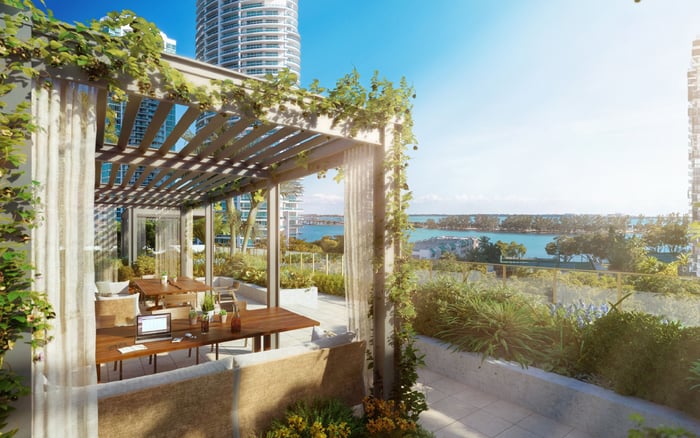
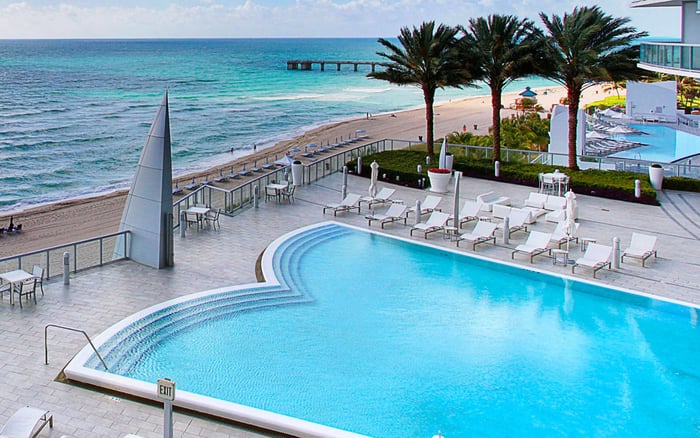
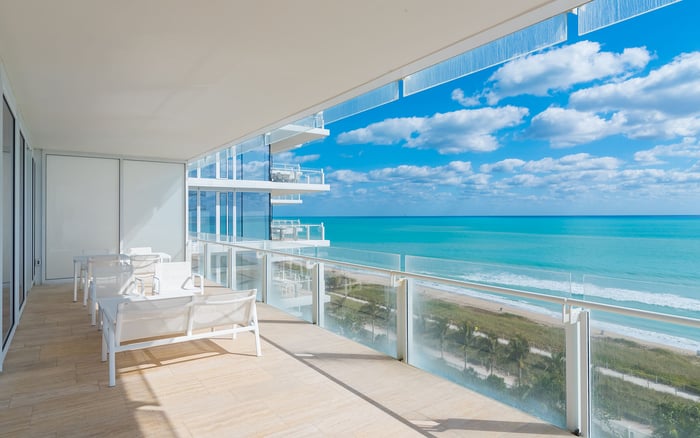
A collector-focused guide to art-delivery due diligence at The Surf Club Four Seasons Surfside, from freight clearances and scheduling rules to structural loads, approvals, and written policies.
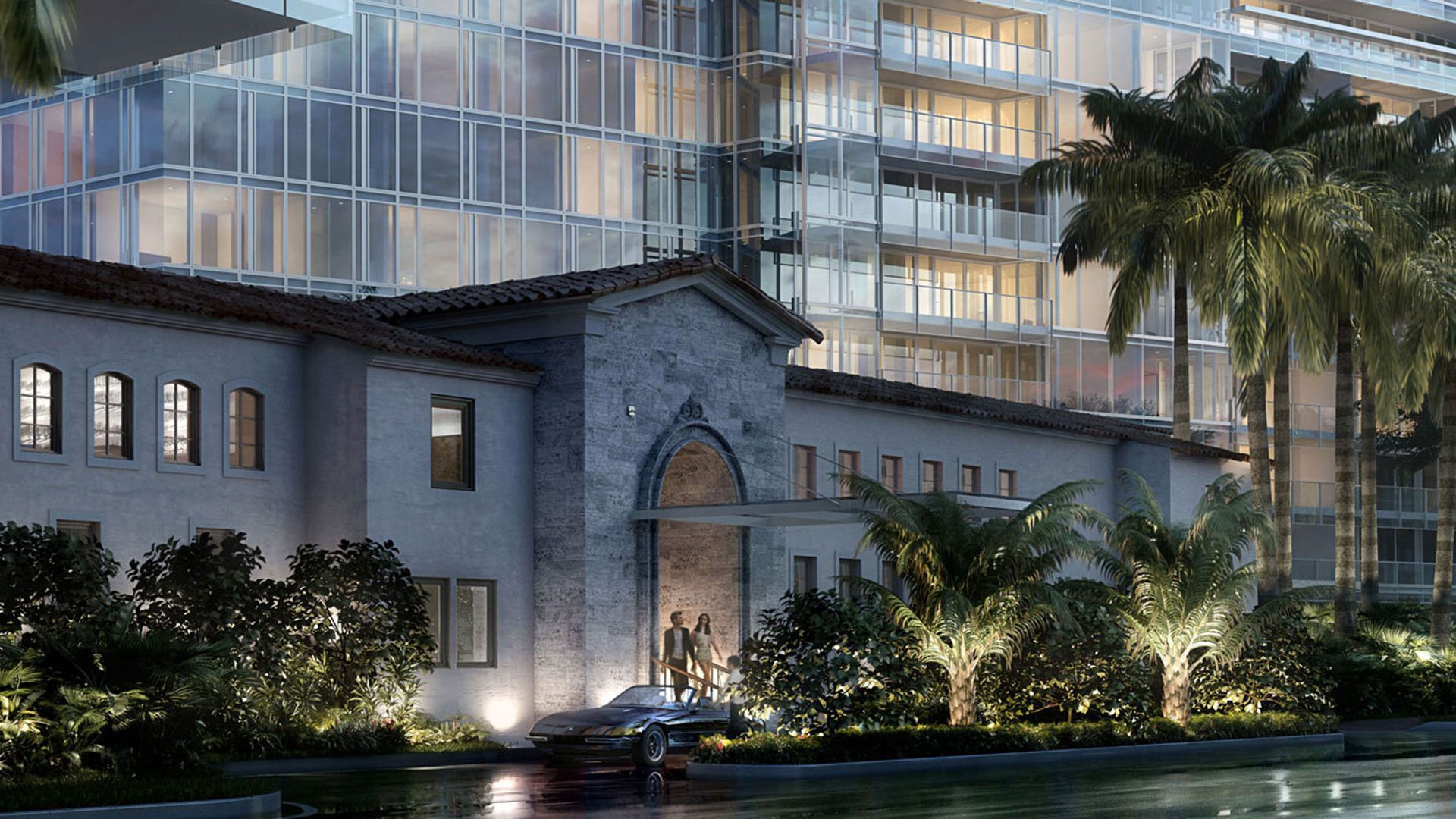
The Surf Club Four Seasons Surfside occupies a rare position in South Florida real estate: an ultra-luxury oceanfront address in Surfside that brings together branded hospitality, private residences, and the enduring presence of historic club architecture. For buyers, that combination is central to the appeal. It is also why art-delivery access belongs in the purchase conversation long before a decorator begins placing works on the wall.
For many buyers at this level, a residence is not simply a seasonal apartment. It may serve as a private gallery, a setting for sculpture, a home for significant contemporary canvases, or a controlled environment for works that require careful handling. In that context, the central question is practical: can the building physically and legally accommodate the collection you own now, and the work you may acquire later?
Treat art-delivery access as buyer due diligence, not a design afterthought. At a Collins Avenue oceanfront property that combines the historic Surf Club with newer residential and hospitality components, access may involve more than a single lobby, elevator, or corridor. The buyer’s task is to understand the entire chain from arrival to installation.
The most important measurements are rarely the dimensions of the living room. Oversize artwork is often limited by the narrowest point in the delivery path. That may be a service-elevator door, a cab ceiling, a corridor turn, an elevator lobby, a residence entry door, or a back-of-house clearance that is invisible during a sales tour.
Buyers should request exact freight or service elevator dimensions in writing. The relevant figures include cab height, cab depth, cab width, door clear opening, weight limit, and whether required padding reduces usable space. A painting that appears to fit by cab depth may still fail at the door opening. A sculpture that is acceptable by width may exceed the elevator’s load limit once crate, rigging, and handlers are included.
If the purchase is being evaluated with known works in mind, the buyer should compare each artwork’s packed dimensions, not only the finished dimensions. Crates, travel frames, glazing, and protective casing can materially change the required clearance.
A proper access review should begin at truck arrival and end at final placement inside the residence. That route should identify the loading area or designated delivery location, the path through back-of-house corridors, the relevant elevator lobbies, the residential corridors, unit entry doors, and every turn along the way.
The buyer should ask whether the property has a dedicated loading dock or another designated delivery area for large, high-value, or climate-sensitive objects. If the answer is a designated area rather than a dock, the follow-up questions matter: how close can the vehicle stage, what type of vehicle can be accommodated, how long can it remain, and what security arrangements apply?
Serious collectors should conduct a mock delivery study before closing. This does not need to be theatrical. It can be as disciplined as laying the intended artwork dimensions against each measured clearance point, then confirming whether the route remains feasible with protective wrapping, crates, dollies, and elevator padding.
At The Surf Club Four Seasons Surfside, due diligence is not only about condominium rules. The development includes hotel and residential offerings, which means coordination may touch property management, residential services, building engineers, and association procedures. Buyers should clarify who has final approval authority for complex installations.
Delivery scheduling rules should be confirmed before closing. Ask about permitted hours, notice periods, blackout dates, peak-season restrictions, service-elevator reservations, and whether multiple moves or hospitality events can affect availability. A museum-scale delivery may be simple in theory and difficult in practice if the building’s calendar is constrained.
The security and contractor package should also be reviewed in writing. Buyers should request policies on certificates of insurance, contractor insurance limits, indemnity, damage deposits, approved vendors, escort requirements, and any restrictions that apply to installers, riggers, or art handlers. For valuable work, discretion and procedural clarity are part of risk management.
Oceanfront living adds beauty, but it can also make logistics more sensitive. Large-format work, heavy sculpture, or climate-sensitive pieces may require extra protection from weather, salt air exposure during staging, and unnecessary time outside controlled areas. Buyers should ask whether temporary wall protection, floor protection, elevator padding, and security measures can be arranged for high-value moves.
For works that cannot pass through the interior route, ask whether Balcony delivery, crane access, hoist delivery, or any exterior-lift method is ever permitted. The answer may be no, or it may depend on engineering, association approval, insurance, weather, equipment staging, and building operations. The key is to know before the artwork is purchased or shipped.
This question is especially important where a property blends historic architecture with new towers and branded services. A route may involve modern components, legacy conditions, or operational zones that are not obvious from a finished residence tour.
Collectors considering heavy sculpture should verify structural loading limits for floors, Terrace areas, and any proposed plinth or anchoring system. Weight is not just the sculpture itself. The full load may include base plates, supports, crates during staging, or installation equipment. Concentrated loads can matter as much as total weight.
The same discipline applies to alterations for display. Reinforced walls, specialty lighting, climate controls, added security systems, and anchoring points may require association approval. Buyers should not assume that a private interior decision is automatically permitted in a condominium environment, particularly where building systems or shared elements may be implicated.
For a Penthouse-level acquisition or any residence intended to display major works, the most elegant outcome is achieved when art, architecture, and building rules are aligned early. A beautiful wall is useful only if the work can reach it safely, be supported properly, and be maintained under acceptable conditions.
Before committing, a collector should ask for a concise art-access package. It should include service elevator measurements, weight limits, loading procedures, delivery hours, reservation protocols, contractor and insurance requirements, damage-deposit policies, escort rules, protection requirements, approval contacts, and any written limitations on exterior delivery.
The buyer should also request confirmation of the exact route from truck arrival to residence. If the residence is being purchased around a known collection, provide the packed dimensions and weights of the largest works and ask for a written feasibility review. Verbal reassurance is not a substitute for measured clearances and documented procedures.
The most refined residences in South Florida are increasingly judged by how they perform for the life buyers actually live. At The Surf Club Four Seasons Surfside, art access is one of those quiet tests. It is not about spectacle. It is about whether the property can support a collector’s standards with precision, privacy, and confidence.
Why should art delivery be reviewed before closing? Because oversize artwork may be limited by elevators, corridors, doors, scheduling rules, or approval requirements rather than by the size of the residence.
What elevator details should a buyer request? Ask for cab height, cab depth, cab width, door clear opening, weight limit, and whether required padding changes usable dimensions.
Is the route from loading area to residence important? Yes. The narrowest turn, lobby, corridor, or entry door can determine whether a work can reach the residence safely.
Should delivery rules be written down? Yes. Buyers should obtain written rules on hours, notice periods, blackout dates, reservations, escorts, deposits, and insurance.
Who may approve a complex art installation? Approval may involve the condominium association, property management, residential services, building engineers, or outside consultants.
Can exterior delivery be assumed for large works? No. Balcony, crane, hoist, or exterior-lift delivery should be specifically requested and confirmed in writing.
What should sculpture buyers verify? They should confirm floor and Terrace loading limits, plus requirements for plinths, anchors, and installation equipment.
Do interior display upgrades require approval? They may. Reinforced walls, lighting, climate controls, security systems, and anchoring can trigger building or association review.
What is a mock delivery study? It compares packed artwork dimensions and weights with every clearance point from truck arrival to final placement.
What is the best buyer takeaway? Treat art access as operational due diligence, and rely on measured dimensions and written policies rather than verbal assurances.
For a confidential assessment and a building-by-building shortlist, connect with MILLION.
If branded residences are on your mind — as a home or as an allocation — we would be glad to share what we are seeing, privately.
Begin a quiet conversation