A discreet, buyer-oriented look at how South Florida luxury owners should frame resilience spending as an ownership strategy, not a cosmetic upgrade.
In South Florida luxury real estate, resilience is often discussed as a physical condition: a stronger envelope, a more considered elevation, better-protected mechanical systems, and a deeper maintenance culture. Yet for a sophisticated buyer, the more important question is not simply whether a residence appears prepared. It is who owns the obligation to keep it prepared over time.
That distinction is becoming central to how private clients evaluate investment in the region. A beautiful residence may present flawlessly on the day of purchase, but ownership is a continuing contract with climate, governance, insurance, capital planning, and human judgment. The most desirable assets are not merely designed for today’s conditions. They are structured so future decisions can be made intelligently, funded responsibly, and executed without unnecessary friction.
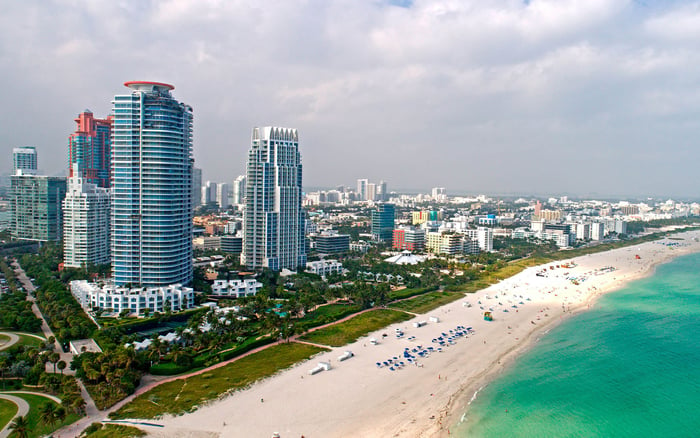
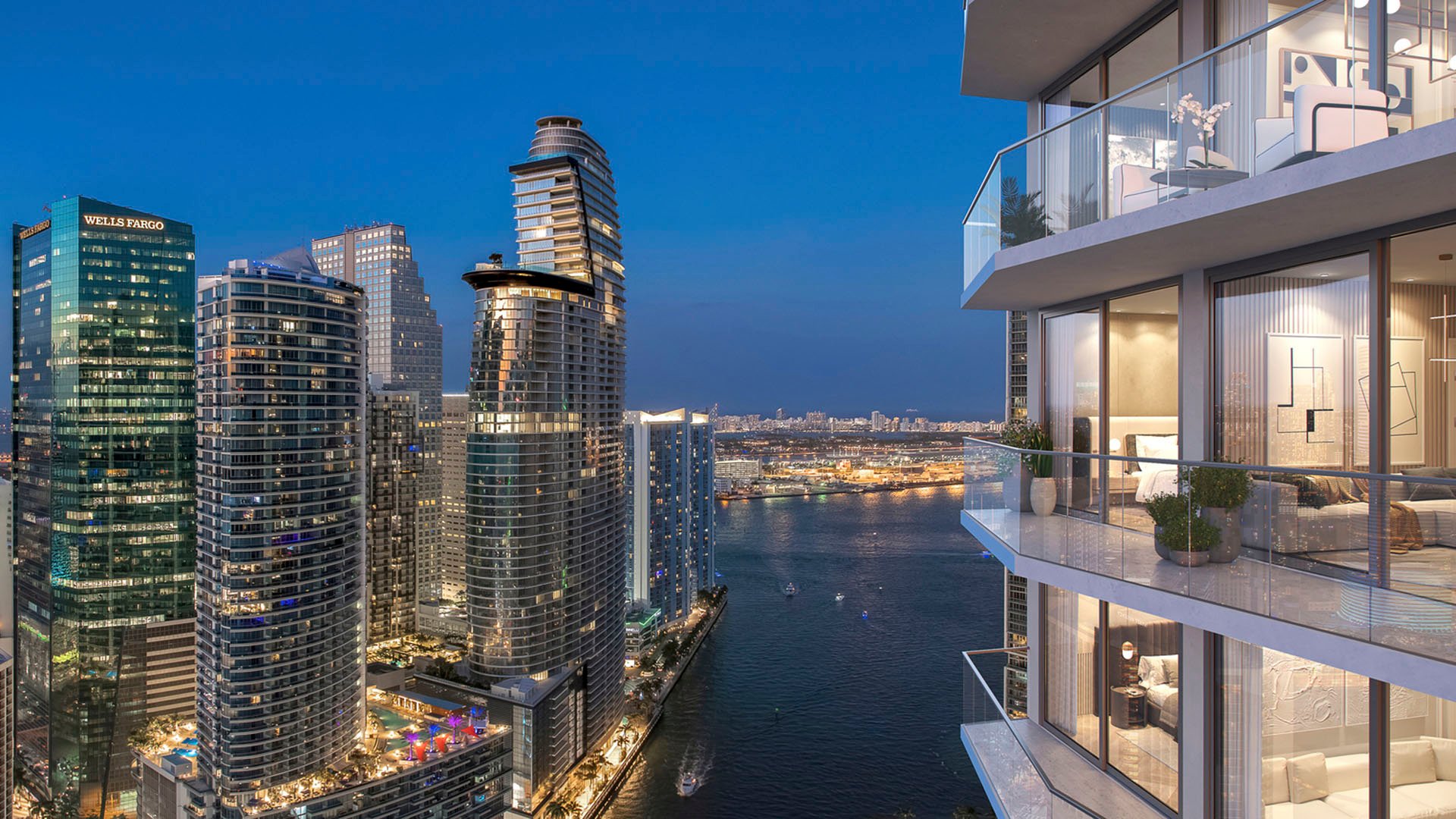
For buyers comparing Brickell towers, Miami Beach waterfront residences, Fort Lauderdale boating properties, or an oceanfront second home, resilience should be read first as an ownership question and second as an architectural feature. The conversation belongs at the same table as privacy, views, service, floor plan, and brand pedigree.
Luxury buyers are trained to notice finishes. Stone selection, ceiling height, terrace depth, arrival sequence, and the choreography of light all matter. But resilience often sits behind the scenes, in places that do not photograph as easily. It may live in the discipline of building management, the accessibility of service areas, the intelligence of drainage, the protection of equipment, or the clarity of replacement planning.
This does not diminish aesthetics. In the best properties, beauty and performance are not in conflict. A residence can feel serene precisely because the harder questions have been solved quietly. The lobby remains calm because operations are mature. The terrace feels effortless because the building understands exposure. The private experience feels elevated because ownership has invested in continuity.
For new-construction buyers, the temptation is to assume that newness equals resilience. It does not. New construction may offer a cleaner starting point, but the real test is whether the project’s long-term structure supports disciplined stewardship. For resale buyers, the question is equally nuanced. An established property may have a proven culture, experienced management, and a record of thoughtful upkeep, or it may reveal years of deferred decision-making. Age alone is not the measure. Ownership behavior is.
Condominium ownership adds a layer that high-net-worth buyers sometimes underestimate. A private residence sits inside a shared ecosystem. Even the most impeccable unit depends on decisions made by the association, the board, management, vendors, and fellow owners. This is where resilience becomes a governance issue.
A buyer should ask how the property thinks. Does it anticipate needs or react to them? Are major systems treated as strategic assets or inconvenient expenses? Is communication clear? Are reserves and capital planning handled with seriousness? Is there a culture of maintaining the asset for the next decade, not just presenting it well for the next season?
These questions are not administrative trivia. They influence liquidity, confidence, and ease of ownership. In the ultra-premium market, a residence is rarely judged only by private square footage. It is judged by the experience of owning it. Buyers who have lived in multiple global markets understand this instinctively. They are not only acquiring rooms and views. They are buying into a decision-making environment.
The resilience question changes when comparing a single-family home with a condominium residence. A private home can offer control. The owner decides when to improve, how much to spend, which specialists to engage, and how aggressively to future-proof the property. That control appeals to clients who want autonomy and customization.
But control also means responsibility. The owner must manage the entire chain of decisions, from maintenance to upgrades to emergency planning. A condominium, by contrast, can offer professionalized oversight and shared infrastructure, but the owner accepts collective governance. Neither model is inherently superior. The right answer depends on the buyer’s temperament, usage pattern, and appetite for involvement.
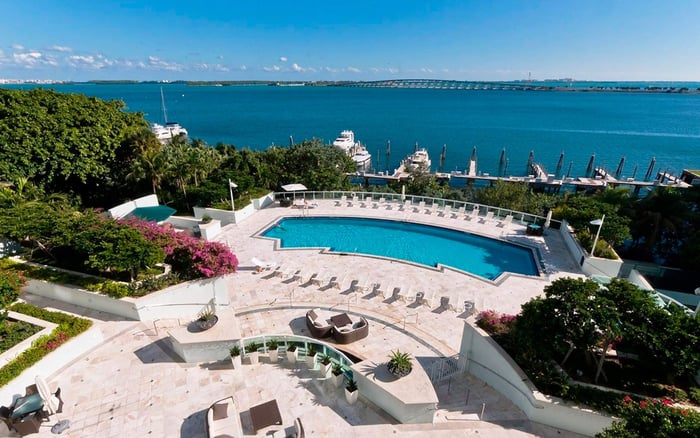
A seasonal owner who values simplicity may prefer a building with strong management and clear protocols. A full-time owner who wants privacy and command may prefer a private estate with a carefully assembled advisory team. A global family may want both: a lock-and-leave condominium in one market and a more controlled residential compound elsewhere. The point is not to choose a category reflexively. It is to understand the ownership burden embedded in each.
Resilience investment can influence value in subtle ways. It may not announce itself through a single headline feature, but it can affect buyer confidence. A well-stewarded building or property reduces uncertainty. It gives a purchaser fewer reasons to hesitate. It also allows the conversation to remain focused on lifestyle, design, and scarcity rather than unresolved operational questions.
In luxury markets, uncertainty is costly. A buyer may accept a premium for a property that feels calm, organized, and well prepared. Conversely, a spectacular view can lose some of its force if the ownership structure feels opaque. The most sophisticated buyers are rarely frightened by complexity. They are wary of ambiguity.
This is why documentation matters. Not as a substitute for judgment, but as evidence of seriousness. Maintenance history, improvement planning, insurance posture, association communication, and professional oversight all contribute to the larger portrait. A residence that can explain itself clearly is often more compelling than one that relies only on visual seduction.
The best time to ask resilience questions is before emotion takes over. Once a buyer has imagined dinners on the terrace, family holidays by the water, or a daily ritual framed by the skyline, it becomes harder to interrogate the asset dispassionately. A disciplined process protects the romance of the purchase by making sure the foundation is sound.
Start with responsibility. Who pays for future adaptation? Who decides when work is necessary? Who manages the work? How quickly can decisions be made? What happens if needs arise while the owner is away? In a condominium, how aligned are the owners on long-term spending? In a private home, has the property been maintained with the level of care its price implies?
Then move to lifestyle. Does the resilience strategy support the way the owner actually lives? A residence used for brief seasonal stays needs a different operational rhythm than a primary home. A waterfront property with frequent entertaining may require a different standard of readiness than a pied-à-terre. The right property is not the one with the longest list of features. It is the one whose ownership model matches the buyer’s life.
South Florida’s luxury market has always been shaped by aspiration: light, water, architecture, privacy, service, and the particular ease of subtropical living. Resilience does not replace those desires. It protects them.
The next generation of ownership will likely be defined by a quieter kind of prestige. Not merely the most dramatic arrival or the most photogenic amenity, but the residence that feels composed because its owners, designers, managers, and advisers have treated durability as part of luxury itself. This is not defensive thinking. It is refined thinking.
For the buyer, the ownership question is simple and profound: will this property remain graceful under pressure, and is the structure in place to keep it that way? When the answer is yes, resilience becomes more than an expense. It becomes a form of confidence.
Why is resilience an ownership question in South Florida luxury real estate? Because long-term performance depends on governance, funding, maintenance, and decision-making, not only physical design.
Should buyers prioritize new construction for resilience? New construction can offer a strong starting point, but buyers should still evaluate stewardship, systems, and long-term planning.
How does condominium governance affect resilience? Shared ownership means major decisions often depend on boards, management, reserves, and the willingness of owners to fund improvements.
Is a single-family home better for control? It can be, but greater control also means the owner carries more direct responsibility for maintenance, upgrades, and planning.
What should Brickell buyers consider? Brickell buyers should look beyond views and amenities to management quality, building systems, and the clarity of future capital planning.
What should Miami Beach buyers ask before purchasing? Miami Beach buyers should understand how a property handles exposure, upkeep, insurance considerations, and seasonal ownership needs.
Does oceanfront ownership require extra diligence? Oceanfront property often deserves heightened attention to maintenance culture, building envelope, service access, and long-term adaptability.
How should Fort Lauderdale buyers frame resilience? Fort Lauderdale buyers should align the property’s operational model with waterfront use, travel patterns, and desired level of involvement.
Can resilience affect investment confidence? Yes, a property with clear planning and disciplined ownership can reduce ambiguity and strengthen buyer confidence.
What is the most important question to ask? Ask who controls future adaptation, who pays for it, and whether the ownership structure can act decisively when needed.
For a confidential assessment and a building-by-building shortlist, connect with MILLION.
If branded residences are on your mind — as a home or as an allocation — we would be glad to share what we are seeing, privately.
Begin a quiet conversation