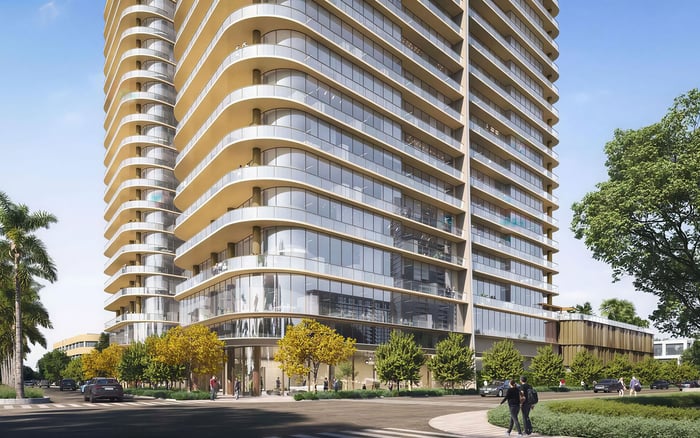
A buyer-focused guide to reviewing service charges, operating budgets, reserves, staffing, insurance, and long-term ownership costs at Miami Design Residences Midtown Miami.

At the top of Miami’s condominium market, buyers often study floor plans, views, interior palettes, parking, and amenity design with impressive precision. The more experienced buyer studies the operating budget with the same care. For Miami Design Residences Midtown Miami, the right questions about service charges can be as important as questions about exposure or ceiling height, because monthly ownership costs shape both daily lifestyle and long-term value.
Service charges are not merely administrative. They are the financial expression of how a building intends to operate. A lean budget may feel attractive at purchase, but it can understate the level of service a luxury resident expects. A richer budget may support staffing, maintenance, cleaning, management, and amenity care, but it still deserves a line-by-line review. The objective is not to find the lowest number. It is to understand what the number buys, how stable it may be, and whether it aligns with the ownership experience you expect.
This is especially relevant for new-construction buyers, where early estimates can evolve once a building is occupied and daily operations become more visible. In a neighborhood conversation that often includes the Design District, Wynwood, Edgewater, Downtown Miami, and Brickell, operating discipline can become a quiet but meaningful differentiator.
The first question is simple: what is included, and what is billed separately? A sophisticated buyer should ask whether the quoted service charge covers building management, front desk or concierge staffing, security, common-area utilities, amenity operations, exterior maintenance, insurance, reserves, trash, pest control, technology systems, and common-area cleaning.
Then ask what remains outside that figure. Some buildings pass through certain utilities, parking expenses, internet, package services, valet, storage, or special amenity fees separately. The distinction matters. Two residences can appear similar on a monthly basis until the add-ons are placed beside the assessment.
Ask whether the charge is calculated by square footage, unit type, limited common elements, or another allocation method. If a larger residence carries a proportionally higher share, confirm that the formula is clearly defined in the governing documents. For buyers considering a pied-à-terre or second home, it is also worth asking whether usage patterns affect any recurring costs.
An operating budget should read like a map of the building’s priorities. Staffing, insurance, maintenance contracts, management fees, utilities, cleaning, landscaping, amenity programming, elevators, life-safety systems, and reserves all reveal how the property expects to function.
Do not review only the total. Study the categories. If the building promises a polished arrival sequence, consistent amenity care, and high-touch service, the staffing and maintenance budgets should look realistic. If amenity spaces are extensive, ask how they will be cleaned, supervised, refreshed, repaired, and insured. If technology is central to access, security, or the resident experience, ask who maintains those systems and how upgrades are handled.
This is where pricing and trends can be deceptive. A residence may be attractively priced relative to other Miami offerings, but if the service charge is unusually high or likely to rise, the ownership equation changes. Conversely, a higher monthly figure may be justified if it supports a more durable and better managed residential environment.
Before making a decision, ask for the most current budget available, the estimated monthly assessment for the exact residence under consideration, and the assumptions behind that estimate. Ask whether the budget has been reviewed against actual vendor costs. Ask whether insurance assumptions are current. Ask whether reserves are included, how they are calculated, and which categories they are intended to support.
A buyer should also ask how the association will transition from developer control to owner governance, if applicable. The transition period can affect budgeting, service expectations, reserve planning, and the timing of future board decisions. None of this should be treated casually. It is the moment when an elegant marketing promise becomes an operating institution.
For comparison, buyers looking at neighboring luxury alternatives may find it useful to examine how amenity intensity and staffing expectations differ across projects such as Kempinski Residences Miami Design District or urban high-rise choices like 2200 Brickell. The goal is not to force a direct comparison, but to understand how different buildings translate service philosophy into recurring cost.
In South Florida, insurance should never be an afterthought in a condominium budget. Ask how property insurance, liability coverage, flood-related coverage where relevant, deductibles, and premium changes are reflected in the operating plan. Also ask what happens if insurance costs rise. Will the association adjust the budget, draw from reserves, levy a special assessment, or reduce discretionary spending?
Reserves are equally important. A building that looks pristine today still needs disciplined planning for future systems, finishes, elevators, mechanical equipment, waterproofing, common-area refurbishment, technology upgrades, and wear from daily use. In luxury condominiums, the cost of maintaining the experience can be significant because residents expect common spaces to age gracefully.
For investment-minded buyers, reserves are not merely a defensive line item. They support resale confidence. A well-capitalized association can be more reassuring to future purchasers than a building that repeatedly returns to owners for unplanned cash calls. Ask whether reserves are statutory, fully funded, partially funded, waived, or otherwise structured. The answer can materially affect risk.
Midtown appeals to buyers who want a central Miami rhythm without defaulting to a single waterfront narrative. That positioning makes budget review especially important. A residence here may be weighed against Design District proximity, Wynwood energy, Edgewater bay access, Downtown Miami convenience, or Brickell’s financial-district verticality.
When reviewing alternatives, look at what each building is asking owners to fund. A waterfront project such as The Cove Residences Edgewater may carry a different operational profile than a neighborhood-centered project. A branded or hospitality-influenced address may budget differently from a more residentially restrained property. Even within Brickell, the ownership proposition at ORA by Casa Tua Brickell may prompt different service-charge questions than a quieter boutique building.
The essential discipline is to compare like with like. Do not compare only monthly numbers. Compare staffing hours, amenity scale, insurance exposure, reserve posture, parking structure, service culture, and the likely cost of preserving the property’s design intent.
A red flag is not necessarily a high service charge. A red flag is a number that cannot be explained. Be cautious if budget categories are vague, if reserves seem thin, if insurance assumptions are outdated, or if amenity operating costs feel inconsistent with the promised experience. Also be cautious if the monthly figure appears low without a persuasive reason.
Green lights are clarity, realism, and consistency. A strong budget should make sense when placed beside the building’s staffing model, amenities, finish standards, and maintenance obligations. It should also show that management understands the difference between opening a building beautifully and operating it beautifully.
For the right buyer, Miami Design Residences Midtown Miami can be evaluated not only as a design and location decision, but also as a governance and operations decision. The most refined ownership experiences are rarely accidental. They are budgeted, staffed, maintained, and reviewed with discipline.
What is a condominium service charge? It is the recurring assessment owners pay to fund building operations, common-area maintenance, staffing, insurance, reserves, and related association expenses.
Should I focus on the lowest monthly charge? No. A lower charge may look attractive, but it should be measured against the level of service, maintenance quality, insurance assumptions, and reserve planning.
What should I request before buying? Ask for the current or projected operating budget, the estimated assessment for your specific residence, governing documents, reserve information, and any known additional fees.
Can service charges change after closing? Yes. Budgets can change as vendor costs, insurance, staffing, utilities, repairs, and reserve needs evolve.
Why do reserves matter in a luxury building? Reserves help fund future repairs, replacements, and capital needs, which can reduce reliance on sudden special assessments.
Are amenities always included in the service charge? Not always. Some amenity-related costs may be included, while certain services, reservations, valet, storage, or usage fees may be billed separately.
How should I compare Miami Design Residences with other buildings? Compare the full ownership profile: monthly charges, amenities, staffing, reserves, insurance, management quality, and the building’s long-term maintenance needs.
What is a special assessment? It is an additional charge to owners, often used when regular assessments or reserves are insufficient for a particular expense.
Do operating budgets affect resale value? They can. Buyers often respond favorably to buildings with transparent budgets, realistic reserves, and well-maintained common areas.
What is the best way to shortlist comparable options for touring? Start with location fit, delivery status, and daily lifestyle priorities, then compare stacks and elevations to validate views and privacy.
For a tailored shortlist and next-step guidance, connect with MILLION.
If branded residences are on your mind — as a home or as an allocation — we would be glad to share what we are seeing, privately.
Begin a quiet conversation