A terrace-first guide for South Florida beachfront buyers who value private outdoor living over additional amenity lounges.
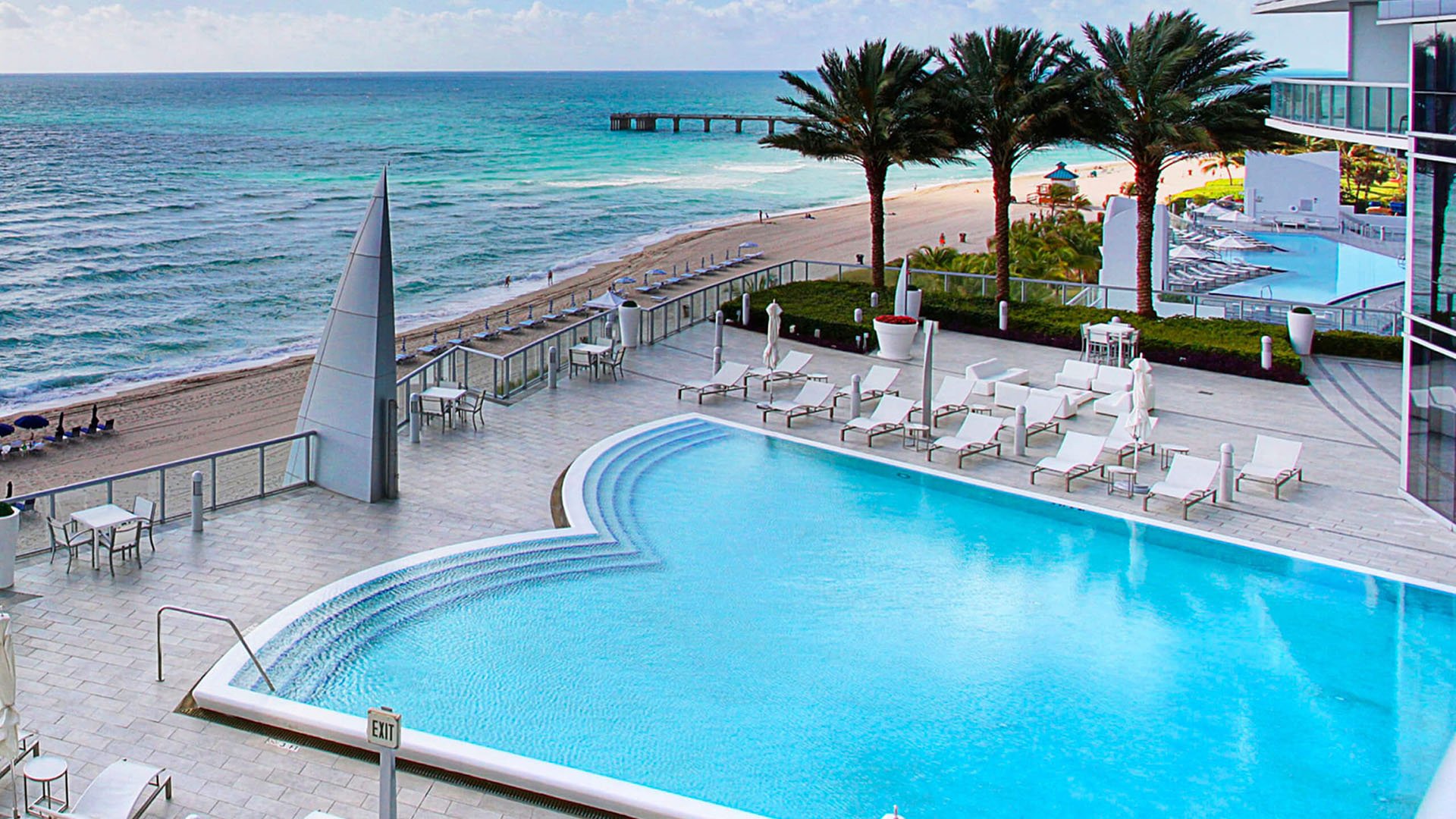
For a certain South Florida buyer, the question is no longer how many lounges a building can offer. It is how much private open air the residence itself commands. A beachfront home with a serious terrace offers something no amenity floor can fully replicate: breakfast in salt air, dinner without leaving home, reading after sunset, and watching weather move across the Atlantic from a space that belongs only to you.
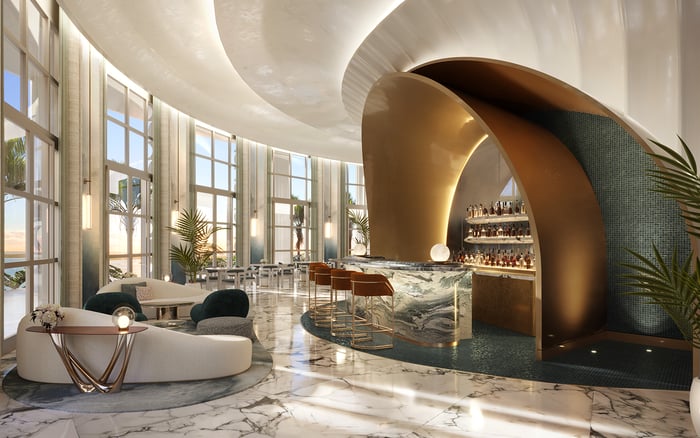
That preference is especially relevant in oceanfront markets where amenity programs have grown increasingly elaborate. A screening room, wine salon, wellness suite, or residents’ lounge may be beautifully designed, but it remains shared space. The terrace is personal. It is shaped by the owner’s rhythm, furniture, privacy needs, pet habits, entertaining style, and tolerance for sun, breeze, and sound.
The best beachfront residences do not treat the balcony as an afterthought. They treat outdoor space as an extension of the floor plan. Depth matters more than a narrow run of railing. Exposure matters more than a dramatic rendering. Privacy matters more than a long amenity inventory. In Miami Beach, Surfside, Sunny Isles Beach, Fort Lauderdale, and Palm Beach, the most discerning conversations increasingly begin outdoors.
1. Corner flow-through residence - cross-breeze terrace living
A corner flow-through residence is often the most intuitive choice for buyers who want private outdoor space to feel active throughout the day. The appeal is not simply frontage, but movement: light from more than one direction, breezes that can pass through the home, and outdoor areas that connect naturally to the main living room.
For a terrace-first buyer, the test is whether the plan supports real use. A deeper terrace can allow separate zones for dining, lounging, and quiet morning coffee, while a shallow exterior strip may photograph well but live more like circulation space. The strongest corner plans let the terrace become a room, not a ledge.
2. Full-floor residence - privacy above amenity volume
A full-floor beachfront residence appeals to buyers who want outdoor living without the feeling of a shared resort. Its major advantage is discretion. With fewer immediate neighbors and a more private arrival sequence, the terrace can feel connected to a residence rather than attached to a building.
This format is especially compelling for owners who entertain often but do not want to depend on a common lounge. A private dinner outside, even for a small group, can be more refined than a larger gathering in a shared amenity room. Buyers should focus on terrace access points, sightlines from adjacent residences, and whether service areas support hosting without interrupting the main living spaces.
3. Penthouse residence - sky-level outdoor rooms
The penthouse remains the symbolic winner for many buyers, but terrace quality determines whether the premium feels justified. Height can bring broader views and greater separation from the beach level, yet the outdoor space must still be comfortable, usable, and proportionate to the interiors.
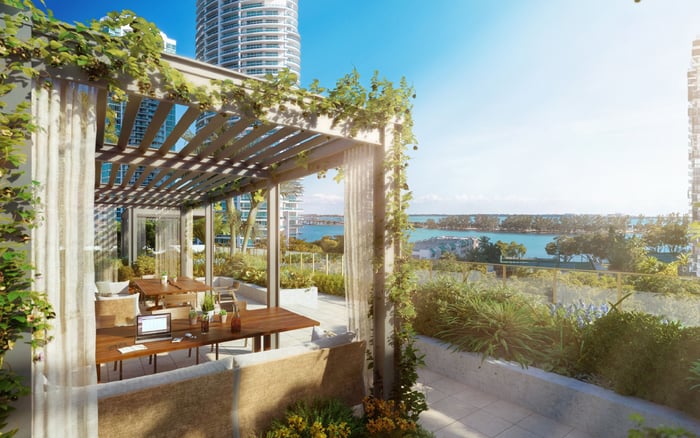
The best sky-level terraces are planned as outdoor rooms rather than prestige gestures. They need logical furniture walls, shaded areas, evening lighting, and enough protection to feel inviting beyond a perfect-weather afternoon. For buyers choosing between another interior lounge and a better terrace, the penthouse test is simple: would you actually spend your best hours outside?
4. Low-floor beachfront residence - immediate connection to sand and sea
Not every terrace-first buyer wants maximum height. A lower-floor beachfront residence can provide a more visceral relationship with the water, palms, dunes, and sound of the shoreline. For some owners, that proximity is the point. The terrace becomes less about panorama and more about atmosphere.
This type of residence requires careful judgment. Privacy, vegetation, security, and sightlines matter intensely. A low-floor terrace can feel extraordinary when it is screened, elevated, and oriented correctly. It can feel exposed when it is too close to a pool deck, beach path, or heavily trafficked amenity zone. The right example offers beachfront immediacy without surrendering the calm expected at this level.
5. Lanai-style residence - everyday indoor-outdoor living
The lanai-style beachfront residence is for the buyer who wants outdoor space to function every day, not only during formal entertaining. It may appeal to owners with pets, morning routines, visiting family, or a preference for casual meals outside. Its luxury is less theatrical and more continuous.
This format works best when the transition from interior to exterior is generous and direct. A lanai that connects to the kitchen, great room, or primary suite can change how the home lives. It also invites a different evaluation of value: instead of counting how many shared lounges the building offers, the buyer asks whether the residence itself provides the private open-air life they came to South Florida to enjoy.
A large terrace is not automatically a better terrace. Depth, shape, enclosure, exposure, and adjacency determine whether it becomes part of daily life. A long, narrow exterior strip may be useful for stepping outside, but it rarely supports proper dining or lounging. A squarer or deeper terrace can accept furniture naturally and allow multiple moments without feeling crowded.
Orientation is equally important. Sunrise exposure can be magnificent for early risers, while western or side exposures may create different patterns of heat and shade. Wind should be experienced in person when possible. On the ocean, a terrace that feels glamorous for ten minutes may need more thoughtful furniture, planting, or screening to work for longer stays.
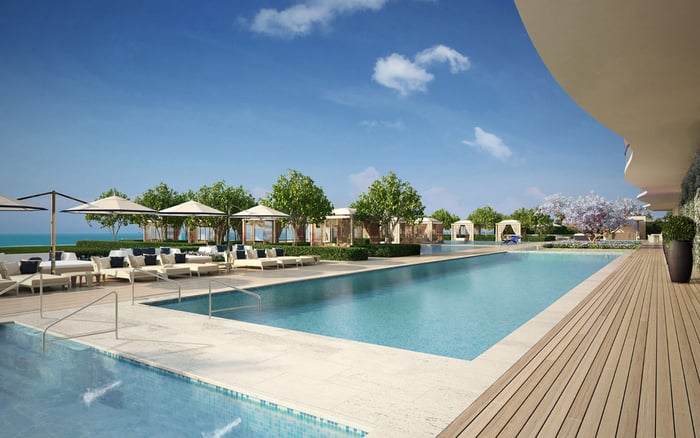
Privacy separates true residential luxury from resort spectacle. A terrace overlooking a busy amenity deck can still be attractive, but it may not satisfy a buyer seeking silence and separation. The most successful plans create distance from common areas, neighboring balconies, and service corridors. They let the owner forget, briefly, that the building has a social calendar at all.
Terrace-first buying requires a slightly different inspection lens. Start with the floor plan, then confirm the dimensions, access points, and permitted uses. Ask whether outdoor kitchens, planters, heaters, fans, awnings, or certain furniture types are allowed. In coastal buildings, rules around materials and attachments can be as important as the square footage itself.
Next, look at the terrace at different times of day. A morning visit may not reveal afternoon heat. A calm day may not reveal typical wind. An empty amenity deck may not show how the space feels during a holiday weekend. The strongest buyers treat the terrace as a living room under the sky and evaluate it with the same seriousness they would apply to ceiling height, kitchen flow, or primary suite privacy.
Finally, compare the terrace to the building’s shared spaces. If the property has multiple lounges, ask whether you would use them often or merely admire them. Some buyers love a highly social building. Others prefer beach access, a beautiful lobby, strong services, and a residence that lets them remain private. The correct answer is personal, but the price should reflect the lifestyle you will actually live.
South Florida rewards outdoor square footage because climate is part of the purchase. The most compelling beachfront homes are not simply containers for views. They are instruments for living with light, air, water, and time. In that context, the private terrace can become the defining amenity.
In Surfside, buyers may prioritize discretion and a quieter beachfront rhythm. In Miami Beach, they may weigh architecture, services, and proximity to dining or cultural life. In Sunny Isles Beach, height and direct ocean exposure often shape the conversation. Across these markets, the same principle holds: if the private outdoor space is where you will spend the most meaningful hours, it deserves priority over another shared lounge.
This is not an argument against amenities. It is an argument for hierarchy. A beautiful lounge can complement a residence. It should not compensate for an underwhelming terrace when the buyer’s real dream is dinner outside, a private sunrise, and an oceanfront room without walls.
Why would a buyer prioritize terrace space over building lounges? Private outdoor space is controlled by the owner and can be used daily without scheduling, sharing, or leaving the residence.
Is a bigger terrace always better? No. Depth, shape, privacy, exposure, and usability matter more than headline size alone.
What is the most important terrace feature for entertaining? A practical layout with room for dining, seating, circulation, and direct access from the main living area is essential.
Should buyers verify terrace dimensions before making an offer? Yes. Buyers should confirm dimensions, permitted uses, and any association rules affecting furniture or improvements.
Are high-floor terraces better than low-floor terraces? Not always. High floors may offer wider views, while lower floors can provide a stronger connection to the beach environment.
How does wind affect beachfront terrace living? Wind can influence comfort, furniture choices, planting, and how often the terrace is used for longer periods.
Can a terrace replace a private dining room? For some owners, yes, if the terrace has adequate depth, shelter, lighting, and convenient access from the kitchen or living area.
What should pet owners consider? Pet owners should review railing safety, surface materials, drainage, shade, and building rules before relying on the terrace.
Does a terrace add more lifestyle value than a balcony? It can, especially when it is deep enough to function as an outdoor room rather than a narrow viewing platform.
What is the best way to shortlist comparable options for touring? Start with location fit, delivery status, and daily lifestyle priorities, then compare stacks and elevations to validate views and privacy.
For a discreet conversation and a curated building-by-building shortlist, connect with MILLION.
If branded residences are on your mind — as a home or as an allocation — we would be glad to share what we are seeing, privately.
Begin a quiet conversation