A buyer-focused guide to evaluating The Ritz-Carlton Residences® Fort Lauderdale with discipline, from contract structure and comparable value to design execution and long-term resale logic.
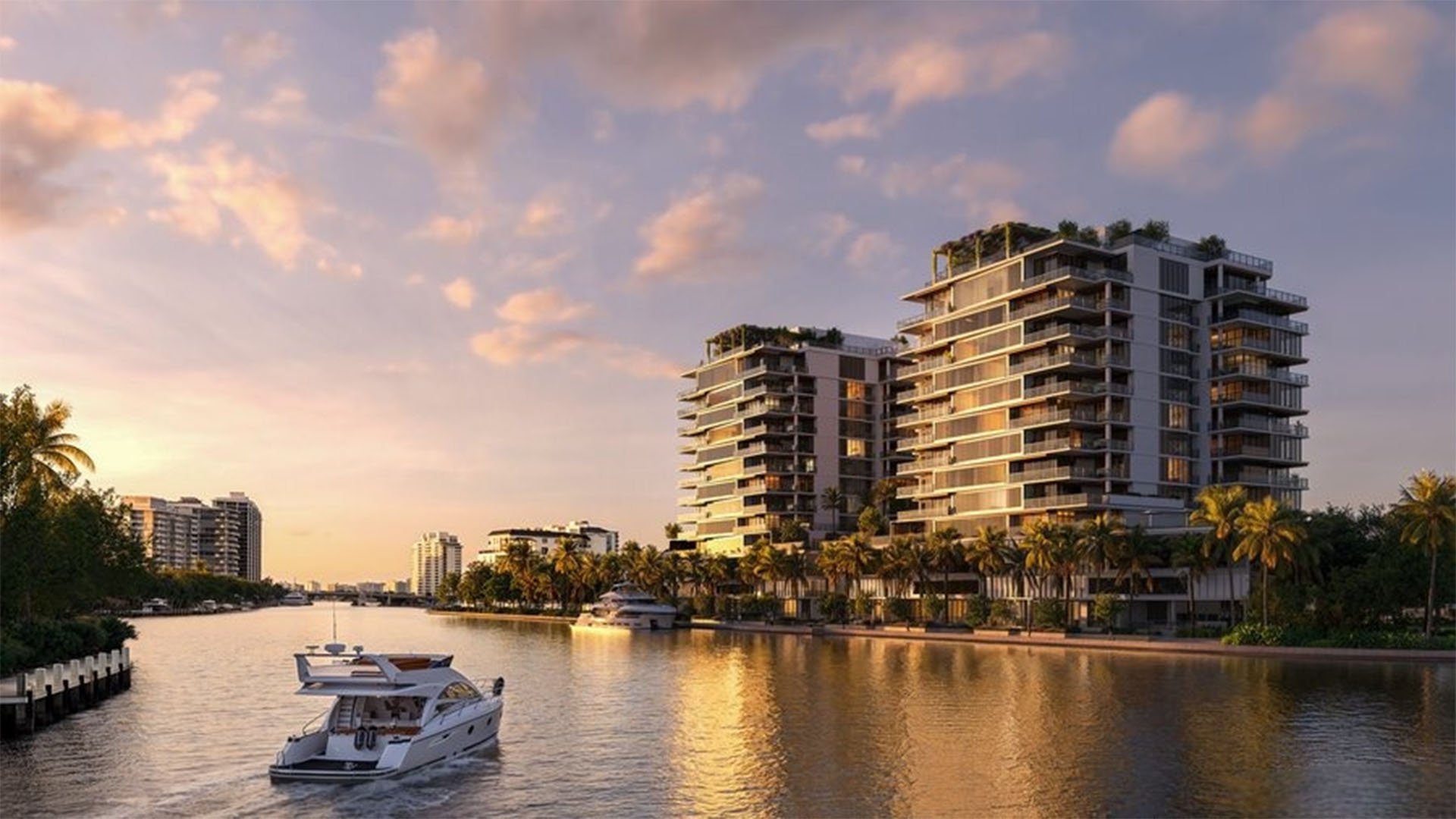
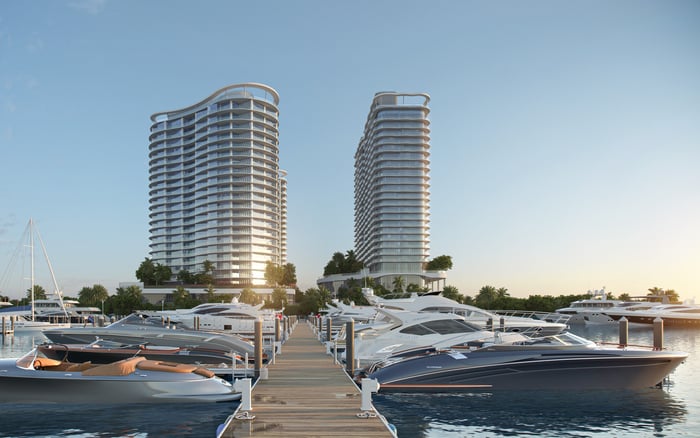
The Ritz-Carlton Residences® Fort Lauderdale enters a market where discerning buyers are no longer persuaded by a rendering alone. They understand that branded luxury can inspire confidence, but confidence is not the same as appraisal-proof pricing. A residence may carry a globally recognized name, polished hospitality language, and a seductive visual package, yet the real underwriting question remains practical: will the finished home, contract structure, and resale context support the number when the market is asked to validate it?
For high-net-worth buyers, appraisal risk is not only a lender concern. Even an all-cash purchaser should care about the relationship between price and defensible value. Appraisal-proof pricing means the purchase logic can withstand scrutiny from a future buyer, a lender, a family office, or a resale broker comparing the residence against the best alternatives in Fort Lauderdale and the broader Broward luxury inventory.
The practical buyer lens is direct: Fort Lauderdale location, Broward underwriting, new-construction execution, pre-construction contract discipline, oceanfront adjacency, and investment resilience. Each one must be tested before a buyer accepts premium pricing as durable.
A Ritz-Carlton residential association can be meaningful because affluent buyers often value service culture, design consistency, privacy protocols, and long-term brand stewardship. But a brand premium should be measured, not assumed. The essential distinction is between the emotional value of association and the measurable value of the finished residence.
Buyers should ask what the premium is actually buying. Is it the physical residence, the service environment, the amenity programming, the management structure, the architecture, the water orientation, or the scarcity of the offering? Ideally, it is a disciplined combination of all of them. If the answer is vague, the pricing may be relying too heavily on brand language rather than defensible real estate fundamentals.
A strong buyer file should make the value case in plain language. It should explain why this particular residence, at this particular price, is stronger than other luxury choices available nearby. When that case depends only on hospitality cachet, the underwriting is incomplete.
The first appraisal-proof test begins in the purchase agreement. Luxury buyers should review the deposit schedule, cancellation rights, default provisions, closing obligations, assignment language, any financing contingencies, and the precise treatment of changes in plans or specifications. In pre-construction and new-construction transactions, the contract can matter as much as the view.
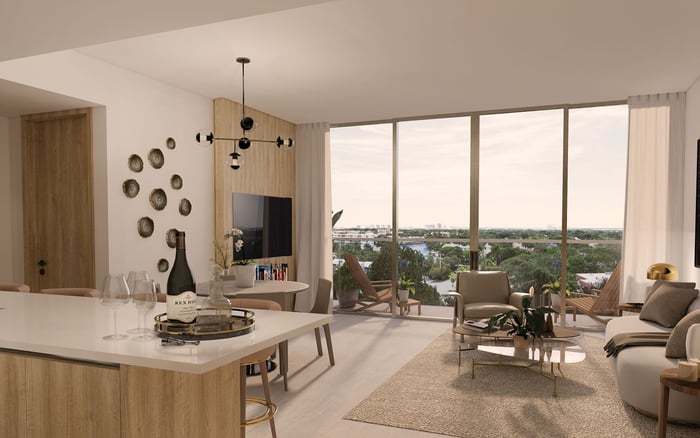
A rendering may show an elegant kitchen, a serene primary suite, or a seamless indoor-outdoor experience. The contract and exhibits should tell the buyer what will actually be delivered. Appliances, cabinetry, flooring, ceiling heights, smart-home infrastructure, window systems, terrace conditions, parking, storage, and owner costs should all be reviewed with care.
The buyer should also understand whether finishes are fixed, allowance-based, subject to substitution, or dependent on later selections. In a trophy purchase, ambiguity is not a luxury. It is a cost variable.
The most difficult part of premium pricing is comparison. Ultra-luxury residences are rarely identical, which is why sellers often argue that a special property deserves special treatment. Sometimes they are right. But the buyer still needs a logical comparable framework.
That framework should include completed residences, relevant new offerings, branded and non-branded alternatives, water-view differentials, floor-height premiums, terrace utility, building scale, amenity depth, service model, and resale liquidity. The goal is not to force a perfect match. The goal is to understand what the market has already rewarded and where the proposed pricing is asking the buyer to establish a new benchmark.
If the residence is priced materially above nearby luxury alternatives, the premium should be explainable in concrete terms. Better views, superior plan efficiency, rarer exposure, larger outdoor space, greater privacy, stronger service, and more refined finish quality can all support a premium. General prestige, by itself, is weaker evidence.
In coastal South Florida, view quality can be a decisive value driver. But buyers should move beyond the words water view or ocean view and study the actual experience from the residence. Orientation, neighboring structures, balcony depth, glass line, privacy, glare, morning and afternoon light, and the relationship between interior rooms and exterior space all influence value.
A residence with a dramatic rendering may feel different once standing at the actual elevation, looking across the actual surroundings. The best underwriting considers the view from the main living area, primary suite, kitchen, terrace, and secondary bedrooms. A premium residence should not make its strongest visual argument from only one corner of the plan.
Privacy also deserves attention. A beautiful exposure can be compromised if sightlines from nearby buildings affect daily use. For buyers who value discretion, the ability to entertain, dine outdoors, and live comfortably without feeling observed is part of the real luxury equation.
Appraisal-proof pricing is not only about acquisition cost. It is also about carrying cost and the perceived quality of ownership. Monthly assessments, insurance environment, reserve planning, staff model, maintenance obligations, and hospitality-level services all influence the future buyer pool.
A sophisticated purchaser should evaluate whether the operating structure supports the promise of the brand. High service expectations require staffing, training, management, and consistent execution. If ownership costs are substantial, the service experience should feel substantial as well.
This is where ultra-luxury buyers often separate a beautiful product from a durable product. A residence that is expensive to own can still be compelling if the value received is clear. A residence that is expensive to own and vague in its deliverables becomes more difficult to defend at resale.
For pre-construction buyers, delivery risk is part of the purchase. The question is not whether a buyer likes the vision. The question is how well the completed building will translate that vision into reality. Materials, proportions, craftsmanship, acoustics, elevator experience, arrival sequence, amenity execution, and back-of-house operations all determine whether the residence ultimately feels equal to its price.
Renderings tend to emphasize atmosphere. Appraisals and resale buyers respond to completed evidence. That evidence includes the tactile experience of doors, stone, millwork, lighting, terrace railings, mechanical comfort, and sound separation. In luxury real estate, small execution details can have large valuation consequences.
A buyer should also consider the timing of delivery relative to personal needs and market exposure. If the purchase is meant for immediate lifestyle use, delays can affect utility. If it is meant as a longer-term investment, the buyer should think about how many competing new residences may arrive around the same time.
A property can be rare and still have a narrow resale audience. That is not necessarily a problem, but it should be acknowledged. The most resilient luxury residences combine emotional pull with practical buyer depth. They appeal to local end users, relocating executives, international families, second-home buyers, and downsizers seeking service without sacrificing space.
For The Ritz-Carlton Residences® Fort Lauderdale, the appraisal-proof question is whether the eventual buyer pool will understand and support the pricing logic. If the future buyer can quickly see the value in the plan, the views, the service, the finish quality, and the operating environment, the premium has a stronger foundation.
Liquidity is not the same as discounting. In the ultra-premium segment, liquidity means there are enough qualified buyers who can recognize the property’s value without requiring excessive explanation.
Before proceeding, buyers should request and review the full contract package, specification schedule, floor plan, terrace plan, parking and storage details, projected carrying costs, rules governing rentals and use, service descriptions, management structure, and any limitations that could affect lifestyle or resale.
They should also test the pricing against completed and available luxury alternatives. The comparison should account for condition, age, brand, services, view, location, parking, privacy, and likely future competition. A disciplined buyer will also ask what would need to be true for the purchase to resell well in three, five, or seven years.
The strongest luxury purchases are not made because every risk disappears. They are made because the buyer understands the risks and the value case remains compelling.
Does a Ritz-Carlton residential brand make pricing automatically appraisal-proof? No. The brand can support a premium, but the finished residence, contract terms, comparable value, and resale depth still need to justify the price.
What is the first document a buyer should review? The purchase agreement and its exhibits should come first because they define obligations, specifications, deposits, remedies, and closing conditions.
Why do renderings create appraisal risk? Renderings express intent, while appraisals and resale buyers respond to delivered quality, actual views, dimensions, finishes, and market evidence.
Should cash buyers care about appraisal logic? Yes. Even without financing, appraisal logic helps protect future resale value and keeps the purchase grounded in defensible market reasoning.
How should buyers evaluate a brand premium? They should separate emotional prestige from measurable benefits such as service, privacy, design quality, amenity depth, and ownership experience.
Are carrying costs part of the pricing analysis? Yes. Monthly assessments, insurance, reserves, staffing, and service expectations all affect value perception and the future buyer pool.
What makes a floor plan more defensible? Efficient circulation, strong primary rooms, useful terraces, privacy, storage, and balanced views across key spaces can all support value.
How important is resale depth? It is essential. A trophy residence is stronger when multiple categories of affluent buyers can understand and justify its premium.
Can pre-construction still be a disciplined purchase? Yes, if the buyer verifies specifications, contract protections, delivery assumptions, and comparable pricing before relying on the vision.
What is the ultimate test of appraisal-proof pricing? The price should be explainable without hype, using location, execution, service, scarcity, views, and credible resale logic.
For a discreet conversation and a curated building-by-building shortlist, connect with MILLION.
If branded residences are on your mind — as a home or as an allocation — we would be glad to share what we are seeing, privately.
Begin a quiet conversation