A discreet buyer’s guide to evaluating high-floor wind behavior in West Palm Beach luxury real estate, from facade questions to terrace usability and storm protocols.
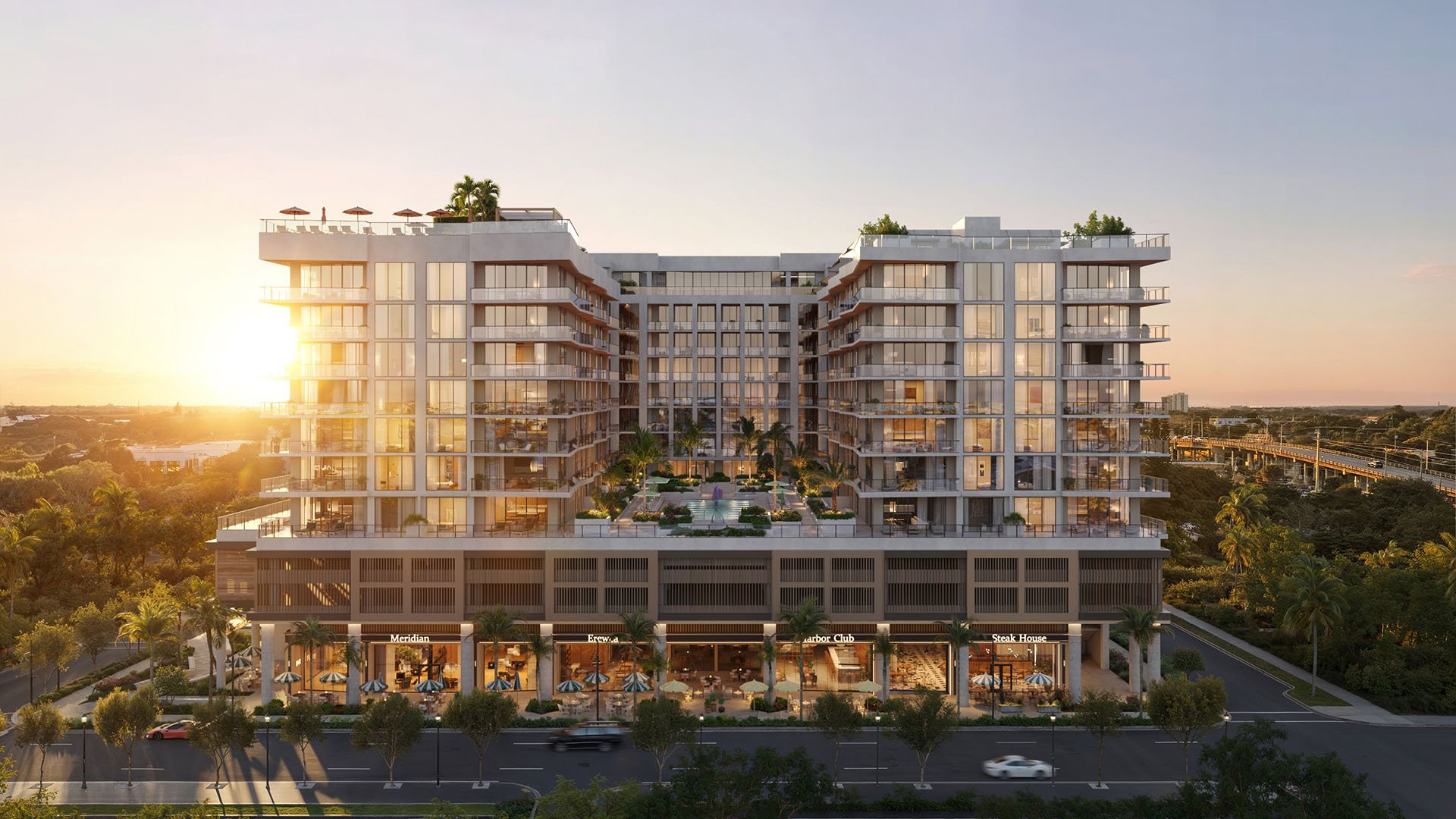
The higher one rises above West Palm Beach, the more the purchase conversation changes. Views widen, privacy improves, light becomes more cinematic, and the residence can feel suspended between city, sky, and water. Yet high floors also require a more careful discussion about wind behavior, especially when a home includes a balcony, terrace, operable doors, or expansive exterior living areas.
This is not a reason to avoid elevation. It is a reason to buy with precision. In luxury real estate, the most sophisticated buyers do not ask only what the view looks like at sunset. They ask how the residence feels when the air is moving, how doors operate on breezy days, how outdoor furniture should be secured, and what the building team can explain about facade performance.
For West Palm Beach buyers considering residences such as Alba West Palm Beach or Forté on Flagler West Palm Beach, wind due diligence should sit beside view analysis, floor-plan review, privacy, parking, and service culture. The goal is not alarm. The goal is composure before contract.
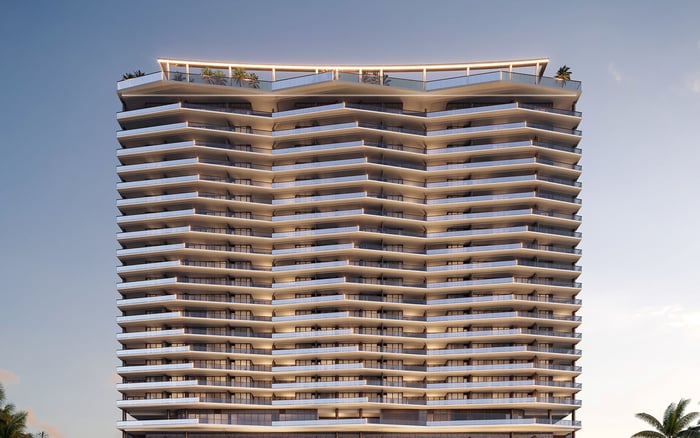
A high-floor residence is not defined by elevation alone. Orientation, setbacks, neighboring buildings, open water exposure, balcony depth, corner conditions, and tower shape can all influence how the outdoor experience feels. A buyer should ask the sales team or building representative to describe how the residence is expected to perform across ordinary breezy days, seasonal weather, and stronger storm conditions.
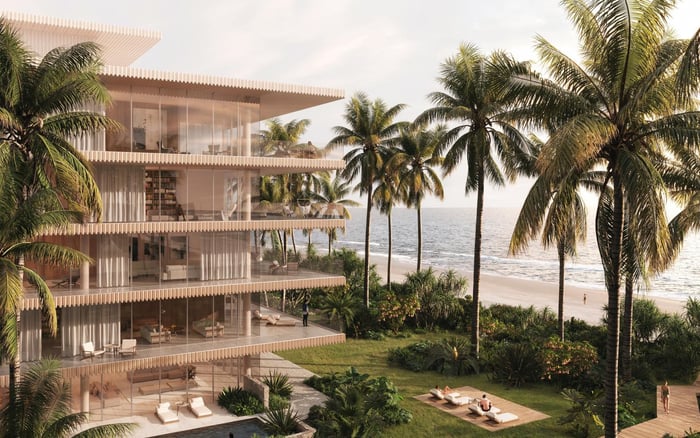
Begin with simple, direct questions. Which exposures tend to feel most active? Are certain corners, wraparound terraces, or narrow exterior passages more wind-prone? Does the floor plan encourage cross-breezes when doors are open, or is the home designed to remain primarily conditioned and sealed? If the residence is waterfront, ask whether the water-facing side requires different day-to-day habits than the urban-facing side.
The best answers are specific to the stack, exposure, and outdoor area. A polished but vague response should prompt further inquiry. In practice, “ask the building” means asking until the answer is tied to the actual residence under consideration.
Most buyers are not engineers, and they do not need to become one. They do need to know which questions translate technical design into ownership reality. Ask what type of exterior wall and glazing system is being used, how sliding or terrace doors are intended to operate, and whether there are owner guidelines for keeping doors closed during certain weather conditions.
For homes with broad glass lines, the most useful conversation is not about jargon. It is about experience. Will owners hear whistling under certain conditions? Are there pressure-related door-handling considerations? Are there recommended maintenance intervals for seals, tracks, hardware, and drainage paths? Are there restrictions on modifications to window treatments, door hardware, or exterior attachments that could affect performance?
Buyers looking at Shorecrest Flagler Drive West Palm Beach can use these questions to compare not only residences, but also the clarity of each building’s owner guidance. In a premium building, a graceful answer should feel both calm and detailed.
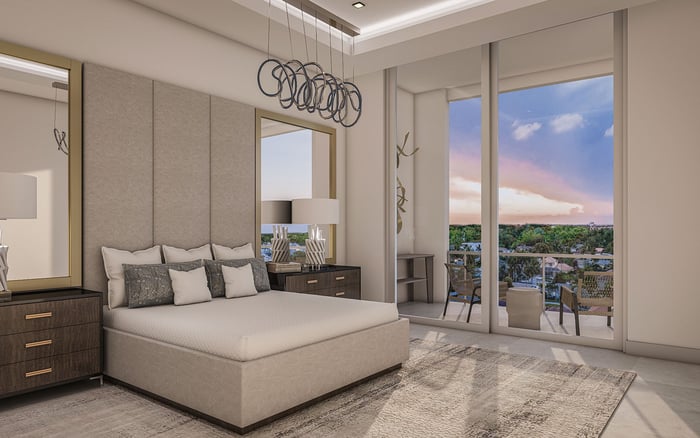
Outdoor space is often the emotional centerpiece of a high-floor purchase. A generous terrace can make a residence feel like a private club in the sky. It can also require a more disciplined ownership style than a garden-level patio or low-rise balcony.
Ask whether planters, umbrellas, sculptures, outdoor kitchens, and movable furnishings are allowed. If they are allowed, ask how they must be weighted, installed, stored, or approved. Ask whether there are limits on glass rail attachments, shade devices, exterior lighting, heaters, fans, or decorative screens. The question is not merely aesthetic. It is about safety, insurance, building rules, and the owner’s ability to enjoy the space without friction.
Also ask how often terrace drains should be inspected and who is responsible for keeping them clear. A beautifully finished exterior floor still needs practical care. For seasonal residents, the conversation should include what the building staff can and cannot do when the owner is away.
A single showing can mislead. A still morning may make a high-floor terrace feel serene, while another day may reveal a different personality. When possible, tour at different times, especially if the outdoor area is central to the purchase decision. Open and close the main terrace doors, listen near glass lines, and stand in each outdoor zone long enough to notice whether the space feels usable for dining, reading, or entertaining.
This is especially important for buyers comparing the character of high-floor living across West Palm Beach and nearby luxury markets. A residence at The Ritz-Carlton Residences® West Palm Beach may be considered for service, brand, location, and finishes, but the buyer should still experience how the chosen elevation feels in real time.
If a second tour is not possible, request a candid conversation with someone who knows the building’s day-to-day operations. Ask which spaces owners use most often, whether furniture storage is routine before storms, and whether any terrace uses are discouraged at higher elevations.
Before committing, the buyer should create a concise wind-behavior checklist. Ask for any owner manuals, terrace rules, alteration guidelines, storm preparation procedures, and maintenance expectations that relate to exterior openings and outdoor spaces. If purchasing pre-construction, ask how these items will be delivered before closing and who will explain them to owners.
Ask whether building management has written procedures for storm preparation, including notifications, furniture removal, access, and post-weather inspections. Ask what owners are expected to do if they are traveling. Ask how quickly staff can communicate building instructions and whether the condominium documents address exterior items on balconies or terraces.
For a resale, the conversation can become more tangible. Ask the seller what the outdoor areas are like on breezy days, whether any door hardware or seals have been serviced, and whether the owner has kept specific furniture because it performs well in that setting. The most revealing detail is often not dramatic. It may be as simple as which chair stays put, which door is used daily, or which terrace corner is preferred for morning coffee.
High-floor wind behavior is not a niche concern. It is part of the overall luxury standard, along with privacy, light, ceiling height, service, acoustics, and arrival sequence. A residence can be exquisite and still require a more informed owner. The buyer’s role is to understand that relationship before closing.
West Palm Beach’s appeal is increasingly vertical, refined, and service-driven. As new residences invite buyers to live higher and closer to the water, the best acquisitions will belong to those who understand that comfort is engineered, managed, and maintained. Ask the quiet questions early. A true luxury home should not only look composed. It should live that way.
Should wind behavior affect my floor selection? It should be part of the discussion, especially if outdoor space is central to how you plan to live.
Is a higher floor always windier than a lower floor? Not always in a simple way; orientation, tower shape, neighboring buildings, and exposure can matter.
What should I ask about balcony furniture? Ask what is permitted, how items must be secured, and what owners must remove before severe weather.
Should I request written terrace rules before signing? Yes. Written rules help clarify what you can place, install, modify, or leave outside.
Can I rely on a calm showing day? A calm showing is useful but incomplete, so try to visit more than once if the residence is a serious contender.
What should I ask about glass and doors? Ask how exterior openings are intended to be used, maintained, and secured during changing weather.
Are corner residences different? They can feel different because they often have more exposure and more glass, so ask stack-specific questions.
Should seasonal owners ask different questions? Yes. Ask what staff can do when you are away and what remains the owner’s responsibility.
Is wind due diligence only for waterfront homes? No. Waterfront exposure matters, but height, orientation, and design can be relevant in many settings.
What is the best way to shortlist comparable options for touring? Start with location fit, delivery status, and daily lifestyle priorities, then compare stacks and elevations to validate views and privacy.
For a discreet conversation and a curated building-by-building shortlist, connect with MILLION.
If branded residences are on your mind — as a home or as an allocation — we would be glad to share what we are seeing, privately.
Begin a quiet conversation