A refined guide for Greenwich buyers evaluating Coconut Grove and broader South Florida lock-and-leave residences, with a focus on privacy, service, ownership rhythm, and long-term usability.
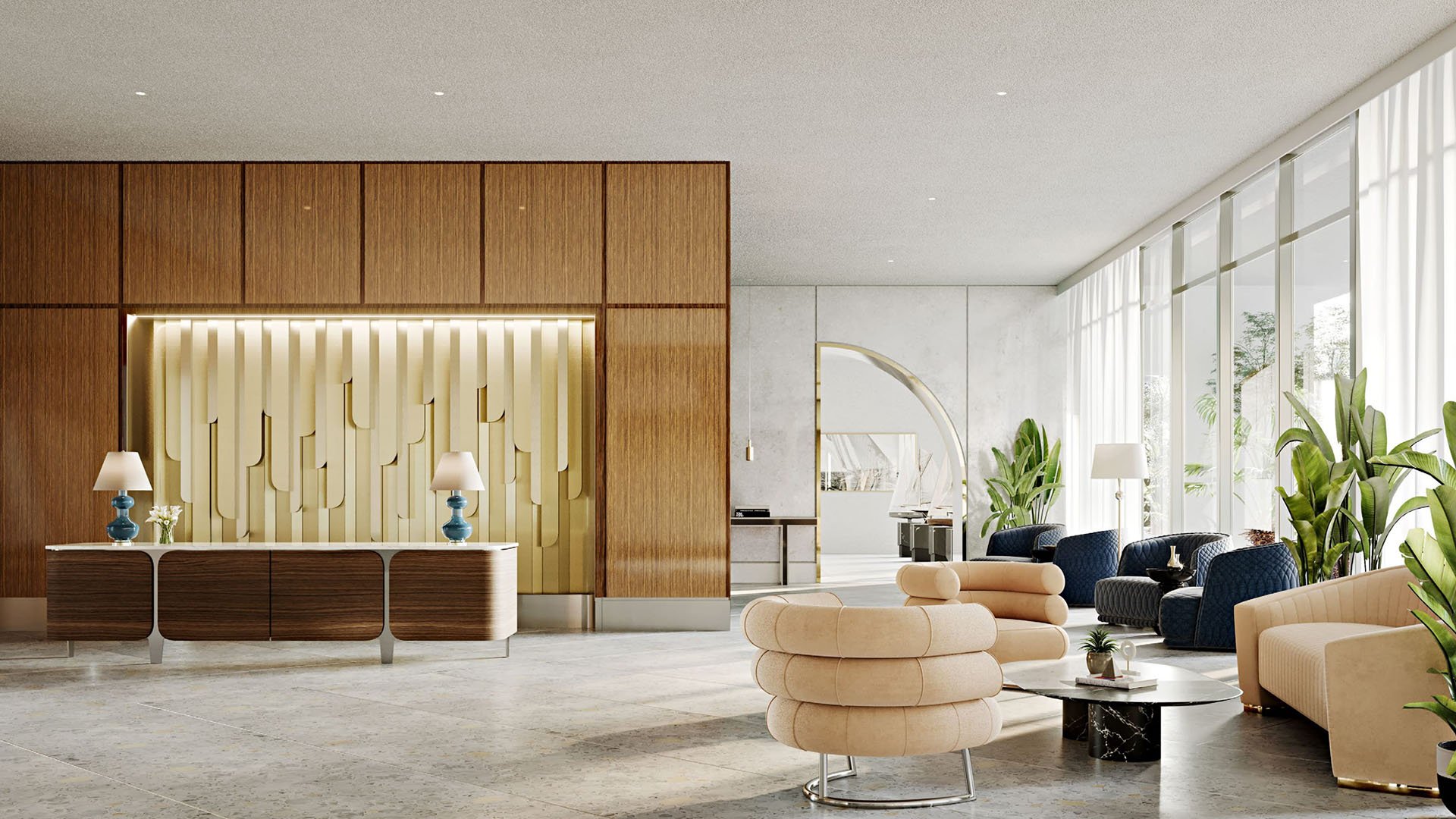
The move from Greenwich to Coconut Grove is rarely a simple relocation. It is usually a refinement of lifestyle. The question is not whether a South Florida residence can be beautiful. It is whether it can be left with confidence, returned to without friction, and lived in with the same sense of privacy that defines a well-run estate.
A lock-and-leave home should not feel like a compromise. It should replace the burdens of a large northern property with an intelligent residential framework: secure access, sensible maintenance, strong building governance, practical storage, and a setting that supports both quiet weeks and social weekends. For buyers accustomed to acreage, guest houses, service drives, and layered discretion, the right South Florida residence must deliver ease without becoming impersonal.
Coconut Grove has particular appeal in that conversation. It feels residential rather than purely urban, lush rather than glassy, and established rather than transient. Yet the Grove buyer still has choices to make: waterfront or village-adjacent, larger residence or boutique scale, serviced lifestyle or more private rhythm. The best answer depends on how the home will actually be used.
Greenwich buyers often arrive with a sophisticated understanding of property, but the operating model changes in South Florida. In a single-family home, control is direct. In a lock-and-leave condominium, control is shared through building systems, staff, association rules, and the culture of the residents. That is not a disadvantage. In the right setting, it is precisely what makes ownership effortless.
Begin with the life you are replacing. If your northern home has dedicated storage, a garage culture, staff support, and guest flexibility, do not evaluate a residence only by its view or finishes. Ask how arrivals work, how deliveries are handled, where seasonal items live, how guests are received, and what happens when you are away for weeks at a time. A beautiful floor plan can disappoint if the building rhythm does not match your household rhythm.
This is where Coconut Grove residences such as Four Seasons Residences Coconut Grove naturally enter the conversation for buyers who want a familiar hospitality vocabulary without sacrificing the Grove’s quieter character. The name on the door is only one part of the analysis. The more important question is whether the service model aligns with the way you intend to live.
Coconut Grove offers an emotional bridge for buyers leaving the Northeast. It is not defined solely by height, frontage, or spectacle. Its appeal is also sensory: mature greenery, walkable pockets, garden-like streets, and a tempo that can feel more private than Miami’s busier corridors. For a buyer coming from Greenwich, that softness matters.
The Grove also rewards selectivity. Some buyers want the feeling of a house in the sky, with outdoor space and separation. Others prefer a more intimate residence near daily conveniences. The lock-and-leave decision should not begin with square footage alone. It should begin with how often you will be present, whether the home will host family for extended stays, and how much building energy you want around you.
For those prioritizing wellness, design, and an address rooted in the Grove, The Well Coconut Grove may be part of the shortlist conversation. For others, The Lincoln Coconut Grove may speak to a different interpretation of neighborhood living. The point is not to chase every new option. It is to identify which version of the Grove best supports your seasonal pattern.
Waterfront living carries obvious romance, but the lock-and-leave buyer should evaluate it with restraint. Water views can be magnificent, yet the practical questions remain the same: exposure, maintenance structure, access, parking, service circulation, and how the residence performs when the owner is away. A view is a daily pleasure. An operating system is a long-term asset.
Village proximity offers another form of luxury. The ability to arrive, settle in, and live without orchestrating every outing has real value, especially for owners who split time among multiple homes. A residence near restaurants, parks, marinas, or cultural life may feel easier for short stays than a more secluded address. Conversely, buyers seeking maximum quiet may prefer a setting that feels set apart.
This is why Vita at Grove Isle can be discussed differently from a more village-oriented Grove residence. The location lens changes the ownership experience. One buyer may want a serene retreat, another may want the immediacy of neighborhood life. Neither is inherently better. The stronger choice is the one that will be used often and calmly.
Boutique living appeals to buyers who value discretion, fewer neighbors, and a more residential atmosphere. The experience can feel closer to a private home, particularly when floor plans are generous and common spaces are composed rather than theatrical. For some Greenwich buyers, this is the natural translation of estate privacy into vertical living.
Full-service buildings, by contrast, can be compelling for owners who want a deeper staffing model, more amenities, and a broader sense of arrival. The tradeoff is energy. A building with a larger amenity program may feel more active, which can be desirable for families and guests but less ideal for buyers seeking near-total quiet.
Do not reduce the choice to size alone. Ask about the resident profile, guest policies, pet culture, service responsiveness, and how the building feels at peak season. A lock-and-leave home is not just locked when you depart. It is also reopened when you return, and that moment should feel seamless.
Although the emotional destination may be Coconut Grove, some buyers should still compare Brickell. The reason is not that Brickell replaces the Grove. It does not. Brickell offers a different proposition: urban convenience, vertical energy, and immediate access to a denser daily environment. For owners who want South Florida to function as a business, dining, and travel base, that contrast is useful.
A project such as The Residences at 1428 Brickell belongs in that broader comparison when the buyer wants to understand how a more urban lock-and-leave residence differs from the Grove’s calmer residential rhythm. The exercise sharpens priorities. If Brickell feels too active, Coconut Grove may become clearer. If the Grove feels too quiet, an urban address may deserve a second look.
The most confident buyers compare lifestyles before they compare finishes. They ask where they will spend Tuesday morning, where guests will feel comfortable, how they will move through the city, and whether the property will encourage spontaneous use. A second home that is easy to use becomes part of life. One that requires effort becomes a beautiful obligation.
Move-in ready residences offer certainty. Buyers can experience the light, the approach, the views, the staff interaction, and the actual feeling of the building before committing. For those who want immediate seasonal use, that clarity can be worth a premium. It also reduces the number of assumptions involved in buying from afar.
Homes in earlier stages can offer another kind of opportunity, particularly for buyers who value selection, customization, or a longer planning horizon. But patience should be deliberate. If the residence is intended to replace hotel stays this season, waiting may undermine the lifestyle goal. If the purchase is part of a multi-year transition, timing may be less urgent.
The right question is not simply whether the home is available now. It is whether the purchase timeline matches the family’s migration pattern. Greenwich buyers often manage multiple calendars: school calendars, club calendars, board commitments, holiday travel, and extended family use. A lock-and-leave home should simplify that calendar, not complicate it.
Before writing an offer, imagine the home in three states: fully occupied, partially occupied, and empty. When fully occupied, it must host comfortably. When partially occupied, it must not feel oversized or dormant. When empty, it must be secure, supervised, and uncomplicated.
Then review the less glamorous details. Building rules, rental restrictions, insurance responsibilities, maintenance protocols, reserves, staffing, parking, storage, and pet policies are all part of luxury. So are elevator privacy, arrival sequence, package handling, and the ability to have the residence prepared before landing. None of these elements are decorative. They are the infrastructure of ease.
For the Greenwich buyer, the winning Coconut Grove lock-and-leave home is the one that preserves privacy while removing friction. It does not need to imitate the northern estate. It needs to distill it.
What is a lock-and-leave home? It is a residence designed to be left unoccupied for periods of time with minimal owner involvement and a strong support structure.
Why do Greenwich buyers consider Coconut Grove? Coconut Grove offers a more residential South Florida atmosphere, with a quieter feel that can appeal to buyers accustomed to privacy.
Is waterfront always the best choice? Not always. Waterfront living can be exceptional, but daily convenience, building quality, and privacy may matter more for some owners.
Should I prioritize a boutique building? Boutique scale can suit buyers who prefer discretion and fewer neighbors, but the right answer depends on service expectations and lifestyle.
Does Brickell make sense for this search? Brickell can be useful as a comparison for buyers who want a more urban, highly connected lock-and-leave experience.
Is move-in ready better than buying earlier? Move-in ready offers immediate clarity and use, while earlier-stage opportunities may suit buyers with a longer planning horizon.
What should I ask about before buying? Ask about building governance, staffing, storage, parking, guest access, pet rules, maintenance protocols, and rental restrictions.
Can a condominium replace an estate lifestyle? It can replace many responsibilities, but it should be evaluated for privacy, service, space, and the way your household actually lives.
How many residences should I compare? A focused shortlist is usually more productive than a broad tour, especially when lifestyle fit has already been defined.
What is the biggest mistake in this search? Choosing for views or finishes before understanding the building’s daily operating rhythm is the most common strategic error.
To compare the best-fit options with clarity, connect with MILLION.
If branded residences are on your mind — as a home or as an allocation — we would be glad to share what we are seeing, privately.
Begin a quiet conversation