For finance executives relocating to South Florida, homestead strategy is not a minor tax detail. It can shape property taxes, creditor protection, estate planning, title structure, and future portability long before a contract is signed.
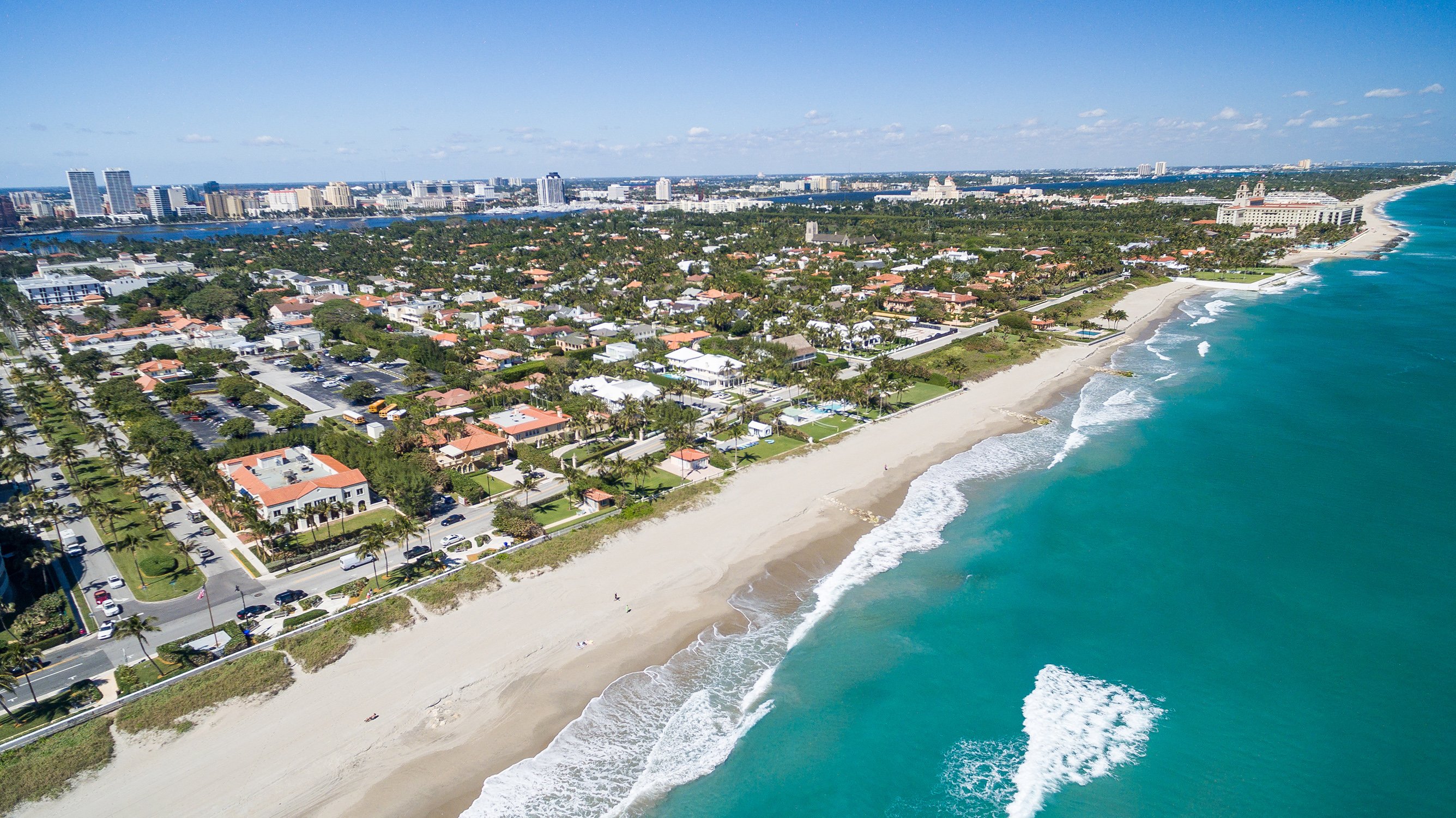
For a finance executive, buying in South Florida is rarely just a lifestyle move. It is often part of a broader conversation about relocation, compensation, liquidity, estate planning, and risk management. Florida’s lack of state personal income tax is a powerful draw for high earners, but the more sophisticated discussion begins when the residence is expected to become a permanent home.
That is where homestead strategy enters the underwriting. Florida homestead is not a single benefit. It is a framework that can influence property-tax exposure, protection from many creditors, succession rights, title planning, and future mobility within the state. The key is timing: these questions are best addressed before signing, not after closing.
In Brickell, where global finance culture meets residential towers such as The Residences at 1428 Brickell, the buyer may be focused on views, amenities, privacy, and commute. The more consequential question may be whether the unit will truly serve as a permanent Florida residence, how title will be held, and whether the household’s records and behavior support that position.
Florida’s standard homestead exemption can reduce the assessed value of an eligible permanent residence by up to $50,000, although the second $25,000 does not apply to school taxes. That matters, but for an ultra-premium buyer, it is rarely the headline savings. The larger value may come from the Save Our Homes assessment limitation.
Once a property qualifies as homestead, annual increases in assessed value are capped at the lesser of 3% or the percentage change in the Consumer Price Index. Over time, that can create a meaningful gap between market value and taxable assessed value. For a long-held South Florida residence, the tax profile may look materially different from that of a newly purchased property, even when the homes appear comparable in price or location.
This is why executives should avoid relying on the seller’s tax bill as a proxy for their own carrying cost. A new buyer may face a reassessment that changes the economics. The right analysis models county-specific assessed values, millage rates, exemption eligibility, and the potential effect of future Save Our Homes benefits.
Homestead eligibility generally requires ownership and permanent residency as of January 1 of the tax year. Applications are generally due by March 1. Those two dates can become especially important for buyers signing contracts late in the year, particularly when renovations, occupancy, travel schedules, or family logistics create ambiguity.
For executives with multiple residences, intent is not enough if the facts do not align. A declaration of domicile can help evidence the decision to make Florida a permanent home, but it should be consistent with real behavior and other records. Driver licensing, voter registration, mailing addresses, time spent in the state, family location, professional records, and tax filings may all become part of a broader domicile narrative.
In Miami Beach, a residence at The Perigon Miami Beach may be architecturally compelling as a coastal base. But if it is used primarily as a seasonal retreat or investment property, it may not satisfy the permanent-residence standard for homestead treatment. The analysis begins with use, not glamour.
Finance executives often bring complex balance sheets to a residential purchase: trusts, family offices, prenuptial agreements, carried interests, deferred compensation, private company exposure, and multi-jurisdictional planning. Homestead strategy should be integrated with that structure early.
Title held individually, jointly, through certain trusts, or through entities can produce different results. Condo, trust, LLC, and marital title decisions may complicate exemption eligibility or create unintended estate consequences. The best structure for privacy, financing, liability, or governance is not automatically the best structure for homestead purposes.
This is especially relevant in Broward, where waterfront and urban residences can serve very different needs. A buyer considering Fort Lauderdale Beach or Las Olas, perhaps near The Ritz-Carlton Residences® Fort Lauderdale, should align counsel, tax advisers, and estate planners before the contract locks in ownership assumptions.
Florida homestead protection is one reason the state is taken seriously by executives, founders, fund managers, and principals with professional liability or concentrated risk. A qualifying homestead is protected from forced sale by most creditors, subject to important exceptions, including taxes, purchase-money obligations, improvements or repairs, and house or field labor.
The protection is also geographically defined. It applies to up to one-half acre within a municipality or up to 160 contiguous acres outside a municipality. For most South Florida luxury condo buyers, the acreage distinction may feel remote. For single-family estate buyers, it can matter.
The protection is not absolute in every context. Federal bankruptcy rules can limit homestead protection for recently acquired property or value added with intent to hinder, delay, or defraud creditors. For finance professionals who understand tail risk, that caveat is not theoretical. Homestead planning should be conservative, documented, and coordinated with a broader creditor-risk review.
Florida homestead also carries succession restrictions. If an owner is survived by a spouse or minor child, the homestead cannot simply be devised with the same freedom as many other assets. State law separately restricts the devise of homestead property in those circumstances.
This is where sophisticated buyers sometimes make the largest mistake. They treat the residence as a line item in a revocable trust or estate plan without confirming whether homestead rules change the intended outcome. A second marriage, minor children, children from prior relationships, prenuptial or postnuptial agreements, and family governance documents can all alter the analysis.
A Palm Beach buyer weighing a primary residence near The Ritz-Carlton Residences® West Palm Beach should ask who is intended to inherit, who may have protected rights, and whether the title structure supports or undermines the estate plan. In this context, elegance is not just design. It is legal coherence.
Florida allows homestead owners to transfer, or port, up to $500,000 of accumulated Save Our Homes assessment difference to a new Florida homestead. Portability is time-sensitive and depends on establishing a new Florida homestead within the applicable window.
For executives, this matters because South Florida buying patterns often evolve. A first purchase may be a city residence in Brickell, followed later by a waterfront home in Miami Beach, Fort Lauderdale, Boca Raton, or Palm Beach. If the first property qualifies as homestead and accumulates assessment benefits, that history may become valuable when moving within Florida.
This is not a reason to buy prematurely. It is a reason to model the first purchase as part of a sequence. Investment thinking, liquidity planning, and residential strategy should be joined rather than siloed. The most refined purchase supports the next decision as well as the present one.
Before signing, the buyer should confirm whether the property will be a permanent Florida residence as of January 1, whether the intended use supports homestead eligibility, and whether the application timeline can be met. The team should also model post-closing taxes rather than relying on the seller’s bill.
Ownership structure should be reviewed before the contract is executed. That includes marital status, trust design, financing, creditor profile, privacy goals, and estate documents. If a declaration of domicile is part of the plan, it should reflect a real and consistent relocation, not a paper gesture.
The luxury market often rewards decisiveness, but homestead rewards preparation. In South Florida, the residence is not merely where capital rests. It is where tax policy, family structure, creditor exposure, and lifestyle meet.
Why should finance executives study homestead before signing? Because title, occupancy timing, domicile evidence, creditor planning, and estate restrictions can all affect the outcome before closing.
Does every South Florida property qualify for homestead? No. Homestead treatment is for an eligible permanent residence, not a vacation home or investment property.
How much is the standard Florida homestead exemption? It can reduce assessed value by up to $50,000, although the second $25,000 does not apply to school taxes.
What is Save Our Homes? It limits annual assessed-value increases for qualifying homestead property to the lesser of 3% or the CPI change.
Can a buyer rely on the seller’s property-tax bill? Not safely. A new owner may face a different assessed value, so post-closing taxes should be modeled directly.
What is homestead portability? It can allow a Florida homestead owner to transfer up to $500,000 of accumulated assessment difference to a new Florida homestead.
Does homestead protect against all creditors? No. Important exceptions exist, and federal bankruptcy limitations can also apply in certain circumstances.
Why does marital status matter? If the owner is survived by a spouse or minor child, homestead succession rules can restrict how the property is devised.
Can a trust or LLC complicate homestead eligibility? Yes. Ownership structures should be reviewed by counsel before signing, especially for high-net-worth buyers.
What is the most important timing issue? Ownership and permanent residence as of January 1, plus the general March 1 application deadline, are critical planning points.
To compare the best-fit options with clarity, connect with MILLION.
If branded residences are on your mind — as a home or as an allocation — we would be glad to share what we are seeing, privately.
Begin a quiet conversation