A serious Fort Lauderdale branded residence is not defined by a famous name alone. It works when the brand, building, governance, location, service model, and resale logic support ownership through multiple market cycles.
A branded residence in Fort Lauderdale becomes a serious long-term purchase when the name on the porte cochère is supported by something more durable than marketing. The buyer is not simply acquiring a suite of amenities. The buyer is underwriting a living system: architecture, service culture, association governance, waterfront performance, neighborhood depth, and the continuing relevance of the brand itself.
That distinction matters in Fort Lauderdale because the city is not trying to imitate Miami. Its strongest residential appeal is quieter, more nautical, and more closely tied to everyday usability. A strong branded purchase here should feel polished without being performative. It should make sense as a primary home, a second home, or a patient hold, not only as a launch-season acquisition.
For taxonomy, this is a Fort Lauderdale and Broward conversation, but the real filters are investment discipline, new-construction execution, oceanfront resilience, and second-home usability. When those filters align, the brand becomes an amplifier of value rather than an expensive decoration.
The most persuasive branded residences translate hospitality into predictable residential ease. That does not mean a lobby that resembles a hotel or a service menu designed to impress in a sales gallery. It means consistent staffing, clear protocols, anticipatory maintenance, and private spaces that remain calm even when the property is fully occupied.
This is where buyers should separate service language from service infrastructure. Who manages the experience? How are standards measured? How does the building protect privacy while still delivering convenience? A residence such as Four Seasons Hotel & Private Residences Fort Lauderdale illustrates why the hospitality component attracts attention, but the long-term question is whether that service promise remains consistent after the first owners have moved in and the building has matured.
A serious buyer should ask how the brand influences daily life at 7 a.m. on a Tuesday, not only how it feels during a preview appointment. Great service is often quiet. It removes friction without making the resident feel observed.
Fort Lauderdale’s luxury identity is inseparable from water, but water is not a single category. Oceanfront living, Intracoastal orientation, marina adjacency, and canal access each create different ownership profiles. A buyer who wants beach presence will evaluate privacy, exposure, and walkability differently from a buyer focused on boating access or city connectivity.
The most resilient branded purchase begins with a precise understanding of how the site will be used. A dramatic view has value, but the more important question is whether the location supports the owner’s actual rhythm. Does the approach feel effortless? Are the outdoor spaces usable at different times of day? Is the building composed in a way that respects light, wind, arrival, and retreat?
Projects such as Auberge Beach Residences & Spa Fort Lauderdale show why beachfront positioning remains emotionally powerful. Yet even in a beach setting, serious buyers should think beyond romance. They should examine building upkeep, exterior material choices, access patterns, and the practicality of enjoying the coastline through changing seasons.
In the ultra-premium market, the association is part of the asset. A beautifully branded tower can disappoint if governance is weak, reserves are misunderstood, or service expectations are not matched by financial discipline. Long-term buyers should treat budgets, rules, insurance structure, maintenance planning, and capital responsibility as core due diligence.
This is especially important in branded residences because the fee structure may include brand-related costs, service obligations, shared facilities, or hotel-adjacent operations. None of these is inherently negative. In the best cases, they create a level of consistency that unbranded buildings struggle to match. The point is not to avoid cost. The point is to understand what the cost protects.
A disciplined buyer asks whether the building’s financial model supports the lifestyle it advertises. If the answer is yes, fees can become part of the value proposition. If the answer is vague, the brand may be carrying more weight than it should.
Not all luxury brands signal the same lifestyle. Some imply formal service, some emphasize wellness, some lean into design, and others are built around resort energy. The right Fort Lauderdale purchase should match the owner’s temperament.
A buyer drawn to yachting culture and a more ceremonial waterfront setting may read St. Regis® Residences Bahia Mar Fort Lauderdale differently from a buyer who wants a lower-key daily residence with refined service but less social theater. Neither instinct is wrong. The mistake is assuming that every famous name suits every form of ownership.
This is why private showings, amenity circulation, parking flow, elevator configuration, terrace experience, and noise separation matter. Branded living is intimate. The owner will encounter the building’s operational personality every day. A long-term purchase works when that personality feels natural rather than impressive for the wrong reasons.
A branded residence holds its position best when future buyers can understand the proposition quickly. The next purchaser should see not only a recognizable name, but a complete lifestyle case: credible location, well-kept common areas, rational floor plans, meaningful outdoor space, strong privacy, and a service culture that has aged well.
This is where Fort Lauderdale can be compelling. Its luxury buyer pool includes people who want waterfront access, relative discretion, and a city that feels livable beyond seasonal weekends. A building such as The Ritz-Carlton Residences® Fort Lauderdale can appeal to buyers who associate the name with residential order, but long-term resale still depends on condition, pricing discipline, and how the broader competitive set evolves.
The safest approach is to buy the real estate first and the brand second. If the floor plan, exposure, building quality, and neighborhood logic are strong on their own, the brand becomes a premium layer. If those fundamentals are weak, the brand may not protect the purchase when the market becomes more selective.
Fort Lauderdale works best for buyers who want South Florida luxury with a more residential cadence. It offers waterfront glamour, but its strongest appeal is often practical: boating culture, beach access, private arrivals, and a calmer sense of scale than some neighboring markets.
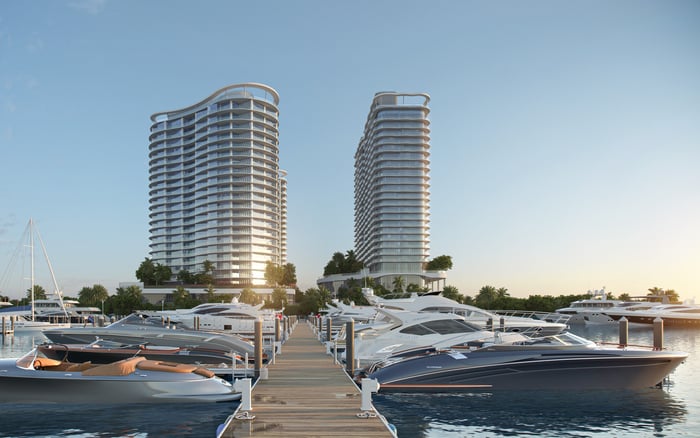
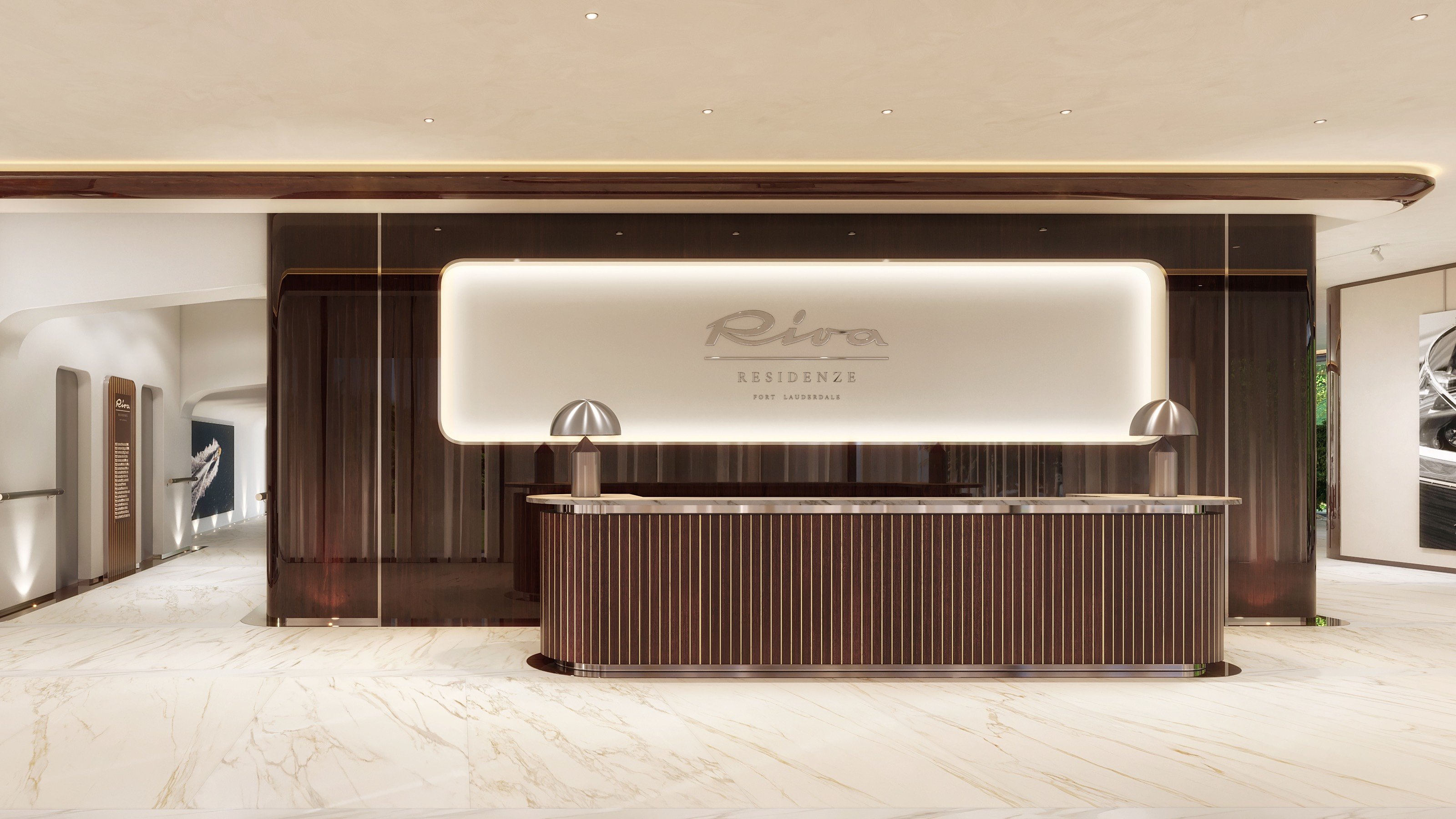
A serious long-term buyer should compare the branded option against the best unbranded alternatives, including boutique waterfront buildings such as Riva Residenze Fort Lauderdale. That comparison is healthy. It reveals whether the brand delivers meaningful incremental value or simply asks for a premium.
The right answer is rarely universal. For some owners, branded service, hotel-caliber maintenance, and recognizable global positioning are worth the extra complexity. For others, a more private building with fewer programmed amenities may be the better long hold. The serious purchase is the one that aligns with use, temperament, liquidity, and risk tolerance.
What defines a branded residence in Fort Lauderdale? It is a residential property associated with a hospitality, design, or lifestyle brand whose standards influence service, identity, and often operations.
Is the brand name enough to justify a premium? No. The premium is strongest when the site, construction, governance, service model, and floor plan quality also stand on their own.
Should buyers prioritize oceanfront buildings? Oceanfront can be powerful, but fit matters more: exposure, access, privacy, maintenance profile, and how the owner will actually use the property.
Are branded residences better for a second home? They can be, especially when service and maintenance reduce ownership friction, but the building must still suit the owner’s frequency of use.
What is the most important due diligence item? Governance deserves close attention, including budgets, reserves, rules, insurance structure, and the real cost of maintaining the advertised lifestyle.
Do branded residences always resell better? Not always. Resale depends on buyer demand, condition, pricing, floor plan appeal, service consistency, and the strength of competing properties.
How should an investment buyer evaluate one? An investment buyer should focus on long-term demand, carrying costs, rental rules if relevant, and whether the property can attract future buyers easily.
Does new construction reduce risk? New construction may offer modern systems and design, but buyers still need to review delivery quality, association structure, and future operating costs.
Is Broward different from Miami for branded residences? Broward often appeals to buyers seeking a quieter waterfront lifestyle, while Miami may offer a denser, more international urban energy.
What makes a Fort Lauderdale branded purchase serious rather than speculative? It is serious when the buyer would still want the residence for its location, plan, service, and governance even without the logo.
For a tailored shortlist and next-step guidance, connect with MILLION.
If branded residences are on your mind — as a home or as an allocation — we would be glad to share what we are seeing, privately.
Begin a quiet conversation