A discreet buyer’s guide to interpreting new-development incentives in South Florida, with emphasis on usable value, contract structure, liquidity, and long-term luxury positioning.

In the upper tiers of South Florida real estate, incentives are often misunderstood. They are not merely discounts dressed in softer language, nor are they automatic signs of weakness. At the right moment, and structured with care, they can become a practical instrument for aligning buyer confidence, developer certainty, and the realities of purchasing before a building is complete.
For sophisticated buyers, the better question is not whether an incentive exists. It is whether the incentive improves the ownership position without compromising the reasons the residence was desirable in the first place. A waterfront view, a refined floor plan, privacy, service culture, parking convenience, terrace usability, and neighborhood cadence still matter more than any concession. Incentives are the layer that determines how intelligently a buyer enters.
This is especially true in Pre-construction, where decisions are made before daily life inside the building can be experienced. The buyer is evaluating a promise: architecture, finish level, completion path, association structure, and future liquidity. A meaningful incentive should reduce friction within that promise, not distract from it.
A discount lowers a number. An advantage improves a position. That distinction is central to luxury purchasing.
A headline reduction may feel gratifying, but it is not always the most valuable structure. A more flexible deposit schedule may preserve liquidity. A closing credit may reduce cash needed at delivery. A design allowance may let a buyer personalize the residence without reopening the budget. A parking or storage accommodation, where available, may deliver daily value long after the initial purchase moment.
The strongest incentives are those that match the buyer’s actual use case. A second-home buyer may care about carrying costs and ease of closing. A relocating family may prioritize certainty, timing, and the ability to plan furnishings. An Investment-minded buyer may be more sensitive to total basis, rental restrictions, and resale narrative. The incentive should be judged in the context of the buyer’s life, not as a standalone lure.
Incentives cannot turn an average location into a trophy address. They can, however, make a strong location more compelling.
A buyer considering Brickell, for example, is often weighing urban convenience, professional access, views, dining, and walkability. In that context, a project such as 2200 Brickell belongs in a conversation about how incentive structure can support a practical city lifestyle without diluting the importance of location.
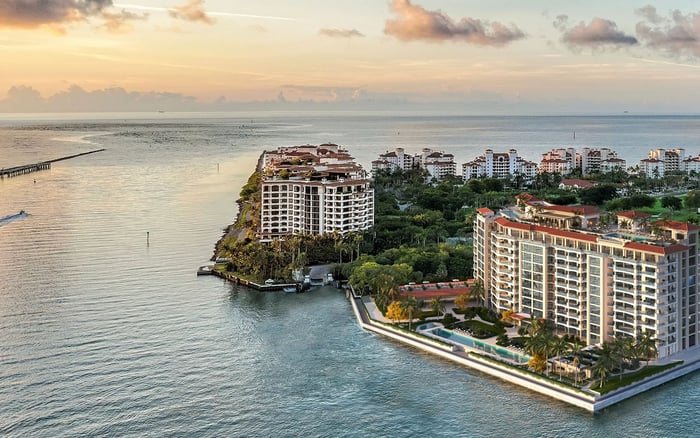
On Miami Beach, the calculus is different. Buyers are evaluating not only the residence, but also the rhythm of arrival, privacy, beach proximity, service, and the emotional premium of a coastal address. When comparing opportunities around The Perigon Miami Beach, the incentive should remain secondary to the enduring quality of the setting and the way the home will live over time.
In Sunny Isles, vertical oceanfront living introduces its own logic: views, elevator experience, garage functionality, and the choreography of resort-style ownership. For a buyer studying Bentley Residences Sunny Isles, the right incentive is the one that enhances confidence in the purchase structure while preserving focus on the product itself.
The language of incentives can sound simple, but the practical effect is rarely identical from one offer to another. Buyers should look at four areas with particular care.
First, deposit structure. A lower or more phased deposit can be valuable when it keeps capital available for other priorities. In luxury transactions, liquidity has its own elegance. It gives buyers flexibility, optionality, and the ability to respond to personal or market timing without feeling overcommitted.
Second, closing economics. A credit at closing can be meaningful if it reduces the all-in cash requirement at the moment of delivery. The value is not only numerical. It may also simplify the transition from contract to ownership.
Third, customization. A design allowance, upgrade package, or finish-related accommodation can be compelling when it improves the residence in ways the owner will actually feel. The best version is not more decoration for its own sake. It is precision: millwork that works harder, lighting that flatters the space, stone selections that align with the architecture, and technology that disappears into daily life.
Fourth, certainty. Sometimes the most luxurious incentive is not financial at all. It may be clarity, documentation, scheduling confidence, or a cleaner path through the contract. Serious buyers tend to value reduced ambiguity as much as reduced cost.
Not every concession is worth pursuing. In luxury new development, an incentive becomes noise when it encourages the buyer to overlook fundamentals.
A residence with an awkward plan remains awkward after a credit. A weak exposure does not become special because the entry cost changed. A building that does not match the buyer’s lifestyle will not become more livable because the negotiation felt successful. The point is not to win a concession. The point is to secure the right home on the right terms.
This is why comparison shopping must be disciplined. Buyers can compare Bay Harbor Towers with larger market alternatives, but the question should remain grounded: Which residence best supports the way the owner will live, host, work, rest, and eventually resell?
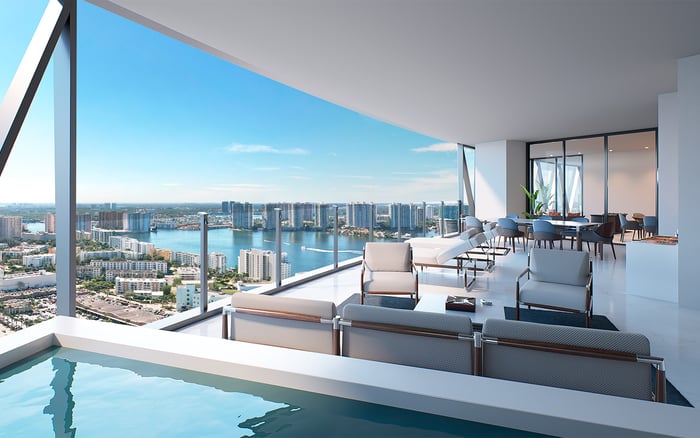
The same discipline applies to amenities. A Pool may be visually impressive, but its value depends on privacy, maintenance, sun exposure, crowding, and how often the owner will use it. A Terrace can be a defining luxury, but only if depth, exposure, and connection to the interior make it genuinely usable.
The best luxury negotiations are not loud. They are well prepared, specific, and respectful of the asset. A buyer should enter with a clear hierarchy: preferred line, acceptable alternatives, desired timing, total budget, and the types of incentives that would actually change the decision.
That hierarchy matters because developers often think in terms of absorption, price integrity, contract certainty, and future comparable sales. Buyers think in terms of value, risk, lifestyle, and liquidity. A productive negotiation translates between those two languages.
The cleanest approach is to ask for value that can be explained. Rather than pushing for an abstract reduction, a buyer may request a structure that addresses a real concern: deposit timing, closing cost pressure, upgrade selection, or delivery flexibility. This allows both sides to preserve dignity. In the best cases, the transaction feels less like a compromise and more like an alignment.
Before accepting any incentive, ask three questions.
Would I still want this residence if the incentive disappeared? If the answer is no, the incentive is doing too much work.
Does the incentive improve my real ownership position? If it does not change liquidity, comfort, customization, or certainty, it may be ornamental.
Will the structure still make sense at resale? Future buyers rarely care what concession an early buyer received. They care about line, view, location, condition, building reputation, and the ease of living there.
A Top Project does not need gimmicks to justify attention. A New Project, however, can use practical incentives to help buyers bridge the gap between vision and delivery. That is where the case for better incentives becomes strongest: not as spectacle, but as intelligent architecture around the purchase itself.
Are new-development incentives the same as discounts? Not always. A discount changes price, while an incentive may improve deposit timing, closing costs, customization, or buyer certainty.
Should luxury buyers ask for incentives? Yes, when the request is thoughtful and tied to a real ownership concern. The strongest negotiations are specific rather than aggressive.
What incentive is most valuable in Pre-construction? It depends on the buyer. Some value deposit flexibility, while others value closing credits, design allowances, or clearer delivery terms.
Can incentives hurt resale value? The incentive itself usually matters less than the residence. Resale strength is more closely tied to location, floor plan, views, condition, and building appeal.
Is a lower price always better than a credit? Not necessarily. A credit or flexible structure may create more practical value depending on cash planning and closing needs.
How should an Investment buyer evaluate incentives? The buyer should focus on total basis, holding flexibility, future demand, and whether the concession improves the long-term position.
Do incentives mean a project is weak? Not automatically. Incentives can also be used to align timing, encourage contract certainty, or meet specific buyer needs.
Should amenities influence incentive decisions? Yes, but only if they match real usage. A beautiful amenity has limited value if it does not support the owner’s daily lifestyle.
Can a buyer negotiate upgrades instead of price? Often, upgrade-oriented requests can be more practical than a pure price conversation. They may also create value the owner experiences every day.
What is the best first step before negotiating? Define the preferred residence, acceptable alternatives, budget, timing, and the specific incentive that would make the purchase more comfortable.
For a confidential assessment and a building-by-building shortlist, connect with MILLION.
If branded residences are on your mind — as a home or as an allocation — we would be glad to share what we are seeing, privately.
Begin a quiet conversation