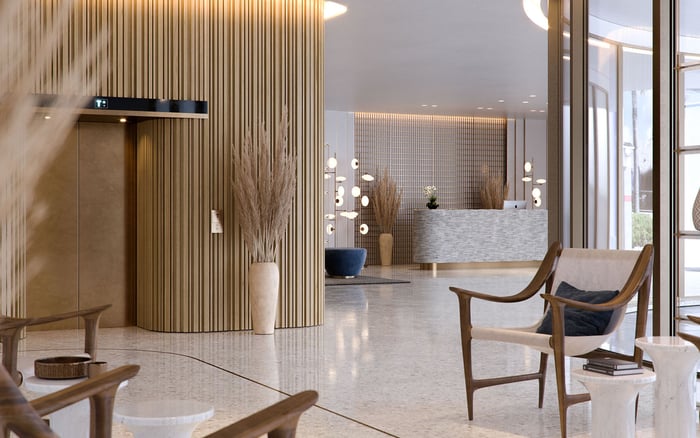
A discreet buyer’s comparison of Mr. C Tigertail Coconut Grove and Onda Bay Harbor, focused on hospitality density, privacy, staffing, and household control.
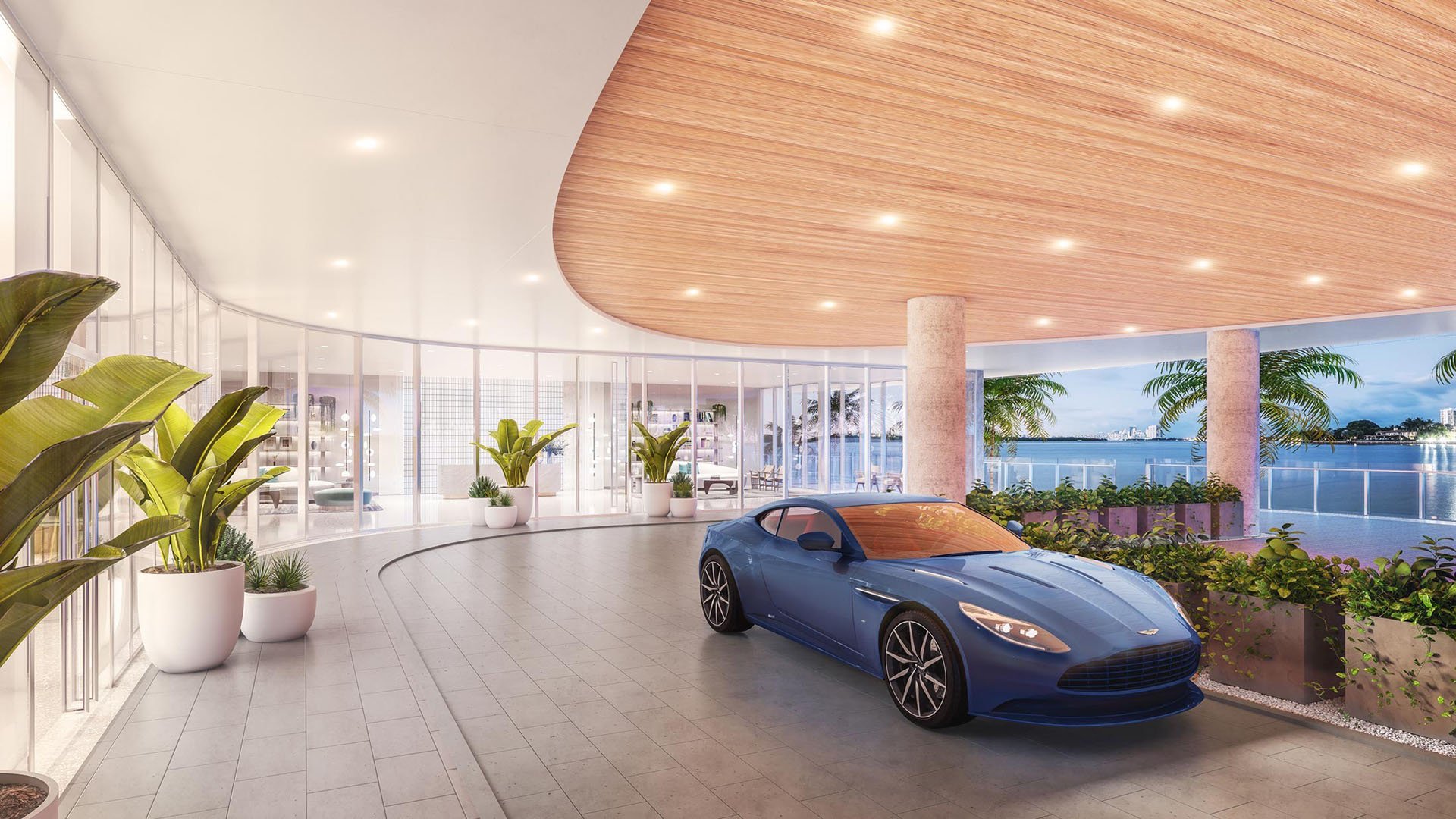
The comparison between Mr. C Tigertail Coconut Grove and Onda Bay Harbor is not a contest over which address is more luxurious. Both belong in South Florida’s upper residential conversation. The more useful question is operational: how much of daily life should be shaped by a branded service environment, and how much should remain under the household’s own control?
For some buyers, the ideal residence functions almost like a private hotel, with coordinated service, recognizable standards, and a lifestyle identity immediately understood by guests, family offices, and global peers. For others, the highest form of luxury is quieter: fewer visible cues, less mediation, more privacy, and the freedom to let an established household system run without a brand setting the rhythm.
That is where the distinction sharpens. Mr. C is service-forward and brand-led. Onda is private, boutique, and autonomy-forward. The right choice depends less on taste alone than on staffing philosophy, family routines, travel patterns, and how much discretion the buyer expects from the building itself.
Mr. C’s proposition is tied to the Mr. C and Cipriani service identity. That gives the residence a legible promise before floor plans or finishes enter the discussion: the home is wrapped in a hospitality vocabulary. It is not simply a private condominium with amenities. It is positioned around brand promise, service structure, and lifestyle curation.
For buyers who value delegated convenience, that can be highly attractive. A service-forward residential model can reduce the everyday friction of ownership, particularly for second-home households, international owners, or families who move frequently between residences. In this context, the building is not just a place to return to. It becomes a coordinating layer.
The trade-off is equally important. Daily life at Mr. C is more likely to be influenced by building services, shared standards, and hospitality programming. That does not diminish privacy, but it does mean the residence participates in a more curated environment. Owners who enjoy a recognizable brand signal may see this as a benefit. Owners who prefer an almost invisible building culture may find it more present than they want.
Coconut Grove also matters. The Grove has long been one of Miami’s established residential enclaves, with a more mature, lived-in character than dense urban corridors. Buyers comparing Mr. C with nearby Grove alternatives such as Four Seasons Residences Coconut Grove are often weighing not only architecture and amenities, but also the degree to which service should become part of the home’s identity.
Onda Bay Harbor sits on the quieter side of the equation. Its appeal is framed around privacy, architectural refinement, and a more residential atmosphere in Bay Harbor Islands. It is less about a globally recognizable hospitality brand mediating the day and more about allowing the household to maintain its own rhythm.
That distinction is especially relevant for buyers who already have private staff, personal systems, drivers, chefs, assistants, or household managers. In that world, too much building-led hospitality can become redundant. The household may not need a brand to organize life. It may need a refined, discreet setting that supports established routines without competing with them.
The core Onda trade-off is therefore not lower service. It is less overt service branding in exchange for more autonomy, privacy, and discretion. This distinction matters. A buyer should not read the comparison as full-service versus no-service. The more accurate lens is branded hospitality density versus quieter household control.
Bay Harbor Islands gives Onda a distinct lifestyle setting. It is more secluded and village-like than a dense urban corridor, while still connected to the luxury orbit of Bal Harbour. Buyers also looking at neighboring Bay Harbor projects such as The Well Bay Harbor Islands may already be signaling a preference for scale, privacy, and a calmer residential cadence.
For a Coconut Grove versus Bay Harbor buyer, the building is only part of the decision. Coconut Grove carries the texture of established residential Miami. It suits buyers who want canopy, heritage, family continuity, and a sense of being embedded in one of the city’s most enduring neighborhoods. A project such as Arbor Coconut Grove sits within that broader Grove conversation, where residential character is often as important as resort-style polish.
Bay Harbor Islands has a different emotional register. It is quieter, more island-village in feel, and naturally aligned with buyers who want proximity to Bal Harbour’s luxury world without living inside a busier scene. Onda’s privacy-forward positioning fits that context. It offers a version of luxury that is confident precisely because it does not need to announce itself as loudly.
This is why the comparison should remain practical. The buyer choosing Mr. C may want an elegant brand framework that makes the home easy to use, easy to explain, and easy to enjoy with less personal orchestration. The buyer choosing Onda may want fewer layers between household and residence, especially if the family already has the staff and systems to make daily life run smoothly.
Ultra-premium buyers often underestimate how much staffing philosophy shapes residential satisfaction. If a household expects the building to absorb friction, then Mr. C has a natural advantage. Its hospitality-led identity can support a more delegated lifestyle, where service cues and brand standards create a predictable sense of ease.
If a household already operates with its own staff, the calculus changes. A private team may prefer clarity, access, discretion, and residential calm over a more programmed hospitality atmosphere. In that case, Onda becomes compelling because it is boutique in spirit without making the brand the center of the home’s daily identity.
Neither approach is universally superior. Some owners enjoy walking into a residence that feels connected to a larger lifestyle system. Others want the residence to recede, allowing the family’s own protocols to lead. The difference is subtle, but in this price category, subtle differences can define long-term satisfaction.
A useful test is to ask what the owner wants guests to notice first. At Mr. C, the answer may be the recognizable hospitality signal, the service posture, and the sense that the residence belongs to a known luxury language. At Onda, the answer may be discretion, privacy, and the feeling that the home is not performing for anyone outside the household.
For investors in lifestyle rather than yield alone, this matters. A globally legible brand can support confidence for owners who value recognition and consistency. A lower-key residential environment can support confidence for owners who value control and privacy. Both are legitimate luxury strategies.
The best choice is the one that matches the way the household already lives. If the residence must simplify life through service and curation, Mr. C is the clearer fit. If the residence must protect autonomy and let private systems operate without unnecessary theater, Onda is the more natural answer.
Is Mr. C Tigertail Coconut Grove more service-oriented than Onda Bay Harbor? Yes. Mr. C is positioned as more hospitality-branded and service-forward in this comparison.
Is Onda Bay Harbor less luxurious because it is quieter? No. Onda’s appeal is privacy, discretion, and architectural refinement rather than a more visible hospitality identity.
Which building is better for buyers with private household staff? Onda may be the stronger fit for households that already have private staff and established routines.
Which building is better for delegated convenience? Mr. C is better suited to buyers who want a hotel-like layer of coordination around daily life.
Is this a full-service versus no-service comparison? No. The sharper distinction is branded hospitality density versus quieter household autonomy.
How does Coconut Grove affect the Mr. C decision? Coconut Grove adds an established residential Miami context, which pairs well with a branded but neighborhood-oriented lifestyle.
How does Bay Harbor Islands affect the Onda decision? Bay Harbor Islands offers a more secluded island-village setting near Bal Harbour’s luxury orbit.
Which has the stronger global brand signal? Mr. C carries the more globally legible hospitality signal through its brand-led positioning.
Which feels more private in this comparison? Onda is framed as the more private and autonomy-forward option.
What is the simplest way to choose between them? Choose Mr. C for service structure and brand promise, and Onda for discretion and household control.
For a discreet conversation and a curated building-by-building shortlist, connect with MILLION.
If branded residences are on your mind — as a home or as an allocation — we would be glad to share what we are seeing, privately.
Begin a quiet conversation