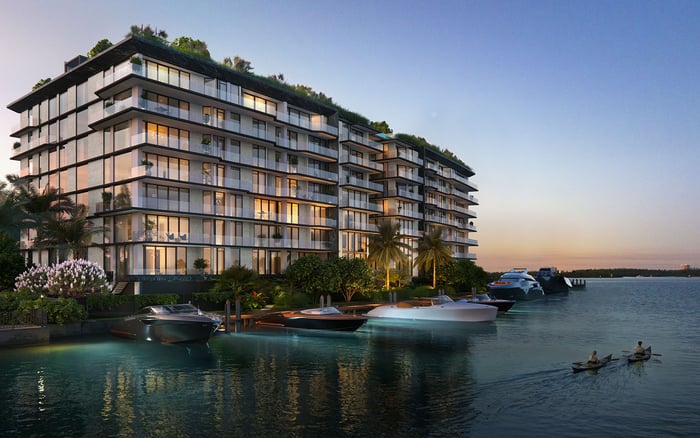
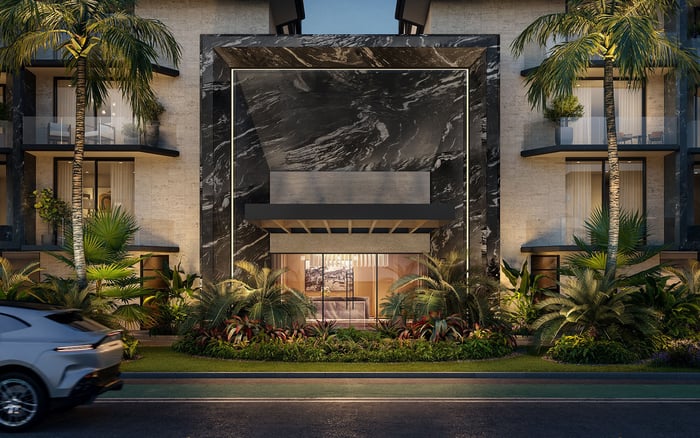
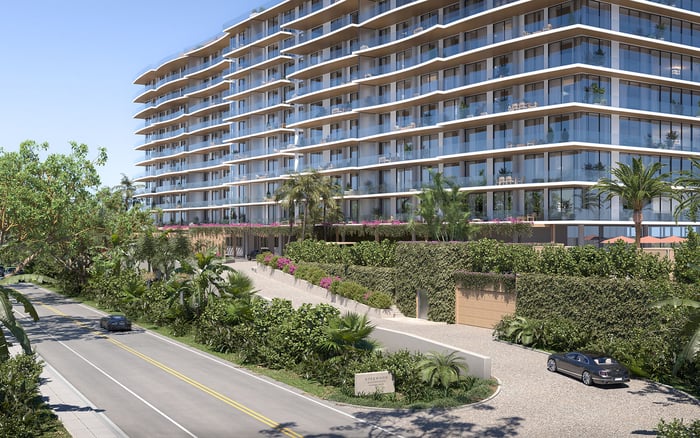
A refined buyer guide to five beachfront residence profiles that place storm readiness, building systems, elevation, drainage, operations, and long-term confidence ahead of glass alone.
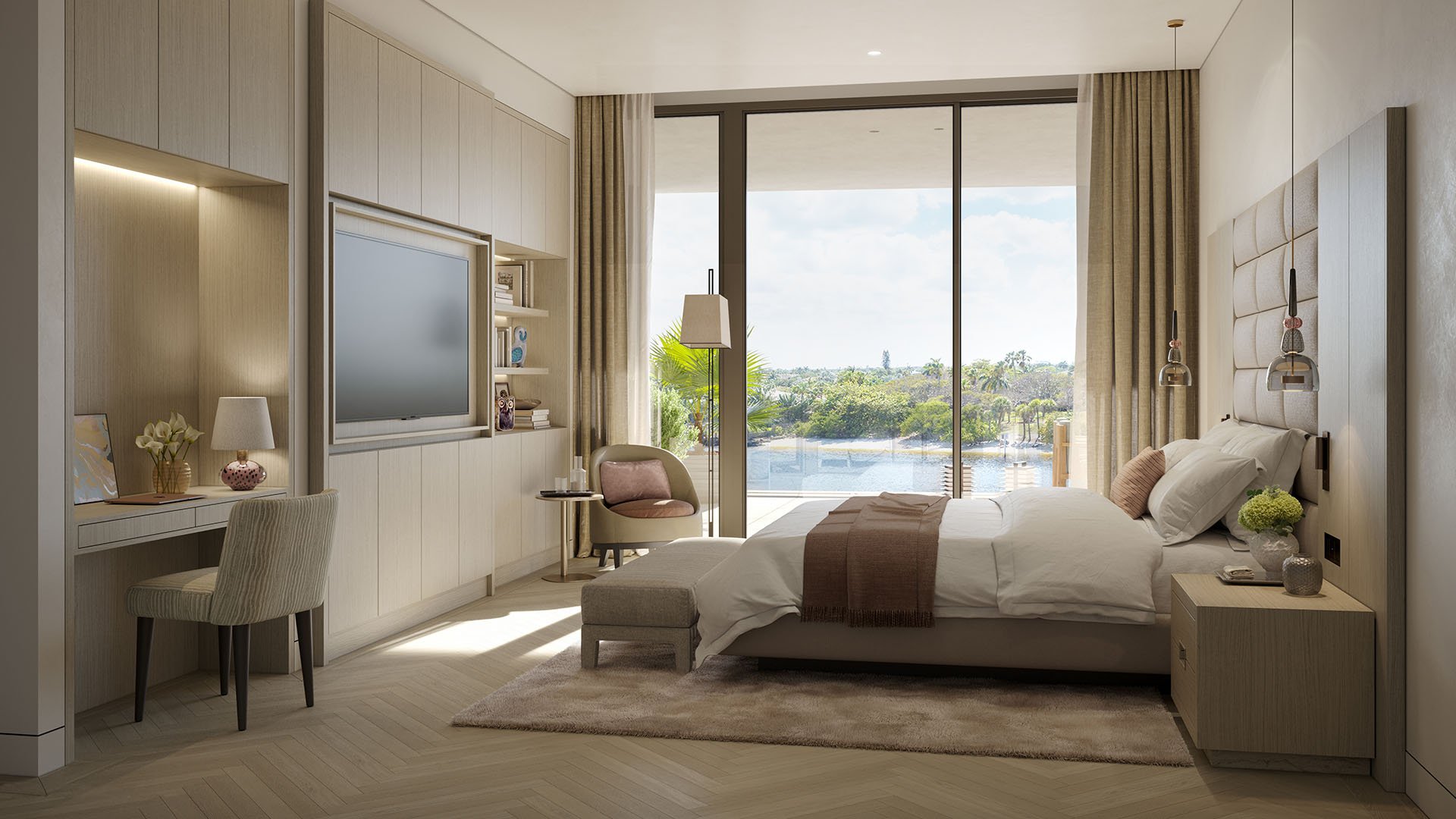
For South Florida’s most discerning coastal buyers, impact glass is no longer the whole conversation. It remains important, but the more consequential question is how a residence, and the building around it, is prepared to manage wind, water, power, access, drainage, and recovery after a disruptive weather event. Sophisticated buyers are looking beyond the obvious and asking how a property performs when conditions are imperfect.
That shift is especially relevant for oceanfront residences, where beauty and exposure are inseparable. The best beachfront purchase is not simply the one with the most dramatic view. It is the one where design, operations, and maintenance support confidence over time. For a buyer comparing Miami Beach, Sunny Isles, Fort Lauderdale, and other coastal addresses, the strongest candidates tend to share a defining trait: readiness is embedded in the way the residence is conceived, not treated as an afterthought.
This is not a discussion about fear. It is about discretion, continuity, and intelligent ownership. In the ultra-premium market, resilience is increasingly part of the luxury finish.
1. Elevated full-service tower residence - systems-first beachfront profile
The first profile to prioritize is the elevated full-service tower residence, where critical building systems are central to the buyer conversation. Beyond the residence itself, buyers should ask where mechanical, electrical, and life-safety systems are located, how protected they are, and how the building maintains essential operations during and after severe weather.
This profile appeals to buyers who want a lock-and-leave lifestyle without sacrificing control. The luxury is not only in the lobby, spa, or view corridor. It is in the confidence that building management, service protocols, access procedures, and backup planning are treated with the same seriousness as design.
2. Low-density boutique beachfront residence - operational simplicity profile
A low-density boutique residence can offer a different storm-readiness advantage: fewer moving parts. Smaller buildings may give owners a more direct understanding of operations, maintenance standards, access control, and association-level decision-making. For buyers who value privacy and clarity, that simplicity can be meaningful.
The key is not to assume boutique automatically means better prepared. Due diligence should focus on maintenance history, flood-management planning, roof and facade care, drainage, generator coverage, and the speed of decision-making when conditions change. In this profile, the appeal is intimacy paired with disciplined stewardship.
3. New-construction beachfront residence - contemporary resilience review profile
New construction can be attractive to buyers who want current design thinking, fresh systems, and a building recently planned for coastal living. The important point is to evaluate specifics rather than rely on the phrase itself. A refined buyer should review elevation strategy, garage design, water management, equipment placement, emergency power, and the building envelope.
This profile is often compelling because it allows a buyer to compare modern lifestyle programming with practical performance. The residence may offer wellness amenities, terraces, refined finishes, and hospitality-level services, but the more durable value may come from what is hidden behind the walls and beneath the podium.
4. Residence with protected service areas - continuity-focused profile
The fourth profile is a residence in a building where service areas are thoughtfully protected and operational continuity is emphasized. For a beachfront owner, readiness is not only about what happens during a storm. It is also about how quickly a building can return to normal rhythms afterward.
Buyers should look closely at loading areas, staff access, package handling, parking, storage, service elevators, water intrusion planning, and communication procedures. In the upper tier of the market, these details influence daily life as much as they influence emergency planning. A beautiful residence becomes more valuable when the service infrastructure behind it is resilient.
5. Beach-access residence set back from the dune line - exposure-aware coastal profile
The fifth profile is the beachfront or near-beach residence that balances beach access with a more considered relationship to the dune line and surrounding site conditions. The emotional pull of immediate sand proximity is powerful, but buyers should still evaluate setbacks, landscaping, drainage paths, entry elevation, and how the property addresses wind-driven rain and surge exposure.
This profile is especially relevant for buyers who want the sensory experience of coastal life without ignoring the site itself. The best examples do not ask buyers to choose between pleasure and prudence. They make the beach feel effortless while keeping exposure at the center of the review.
The most elegant beachfront residence can still be the wrong purchase if the underlying building story is incomplete. Buyers should ask direct questions about emergency power, water intrusion response, maintenance reserves, insurance posture, facade inspections, roof systems, elevator redundancy, garage vulnerability, and post-storm access.
This is also where the conversation becomes highly personal. A seasonal owner may prioritize lock-and-leave protocols and remote communication. A full-time resident may care more about generator coverage, elevator service, and domestic staff access. A family may focus on parking, storage, pet logistics, and how the building communicates during disruptions.
The search can be organized through six practical lenses: oceanfront exposure, beach-access convenience, new-construction relevance, Miami Beach lifestyle, Sunny Isles vertical living, and Fort Lauderdale waterfront access. Those labels are not substitutes for due diligence, but they help organize the questions a buyer should bring to every private showing.
In the past, coastal luxury was often described through views, ceiling heights, finishes, private elevators, and amenity decks. Those still matter. Yet the next layer of value is quieter and more technical. Buyers who understand South Florida know that a residence is only as strong as the building’s planning, maintenance, and operational discipline.
That is why storm readiness belongs in the same conversation as architecture and interior design. It affects peace of mind, resale confidence, carrying costs, and the lived experience of ownership. A residence that feels serene on a blue-sky afternoon should also feel considered when the forecast becomes less forgiving.
The strongest buyers are not asking for guarantees. They are asking better questions. They want to know what has been anticipated, what has been protected, what can function without interruption, and who is accountable when systems are tested. In that sense, storm readiness is not merely technical. It is a measure of taste.
What does storm readiness beyond impact glass mean? It means looking at the entire residence and building ecosystem, including elevation, drainage, backup power, service access, and recovery planning.
Should impact glass still matter to a beachfront buyer? Yes. Impact glass remains important, but it should be one part of a broader resilience review rather than the only point of focus.
Is new construction always better for storm readiness? Not automatically. Buyers should review the specific design, systems, equipment placement, and operational planning behind any new-construction residence.
What should I ask about building systems? Ask where key systems are located, how they are protected, what backup power covers, and how essential operations are maintained.
Does beach access increase exposure? It can, depending on site conditions. Buyers should examine setbacks, drainage, elevation, landscaping, and the relationship between the building and the shoreline.
Are boutique buildings easier to evaluate? Sometimes. Low-density properties may offer clearer governance and simpler operations, but they still require detailed review.
Why does garage design matter in a beachfront residence? Parking areas can be vulnerable during major weather events, so buyers should understand elevation, drainage, access, and recovery procedures.
What role does building management play? Building management is central to preparation, communication, service coordination, and the pace of post-storm recovery.
How should seasonal owners think about readiness? Seasonal owners should focus on lock-and-leave protocols, remote updates, maintenance oversight, and how the building communicates when they are away.
What is the best way to shortlist comparable options for touring? Start with location fit, delivery status, and daily lifestyle priorities, then compare stacks and elevations to validate views and privacy.
If you'd like a private walkthrough and a curated shortlist, connect with MILLION.
If branded residences are on your mind — as a home or as an allocation — we would be glad to share what we are seeing, privately.
Begin a quiet conversation