A buyer-focused look at why peak-hour wellness access matters at 2200 Brickell, and how discreet fitness-floor performance can shape daily comfort, privacy, and long-term appeal in Brickell.
For a certain Brickell buyer, the most persuasive luxury is not theatrical. It is not the largest lobby, the loudest amenity deck, or the most photographed arrival sequence. It is the ability to move through the day with minimal friction. That is why fitness-floor peak hours matter: they reveal whether a building can support the routines of ambitious residents precisely when everyone else wants the same convenience.
At 2200 Brickell, the conversation is best framed through this quieter lens. The buyer is not simply asking whether wellness is present. The sharper question is whether wellness remains composed during high-demand moments. A fitness floor that feels calm only when empty is not the same as one that feels intuitive when residents are actively using it.
This is the essence of quiet luxury in a dense urban neighborhood. It is the luxury of arriving, training, recovering, and leaving without feeling as if the building has become an obstacle. In Brickell, where professional schedules, social calendars, and travel patterns often compress the day, that subtle difference can become a daily privilege.
Brickell rewards efficiency. Residents choose the neighborhood because it allows a concentrated life: office access, dining, waterfront energy, and city convenience in close proximity. That same concentration places pressure on shared residential spaces. The gym, wellness areas, elevators, garage access, and pool environments all become tests of operational grace.
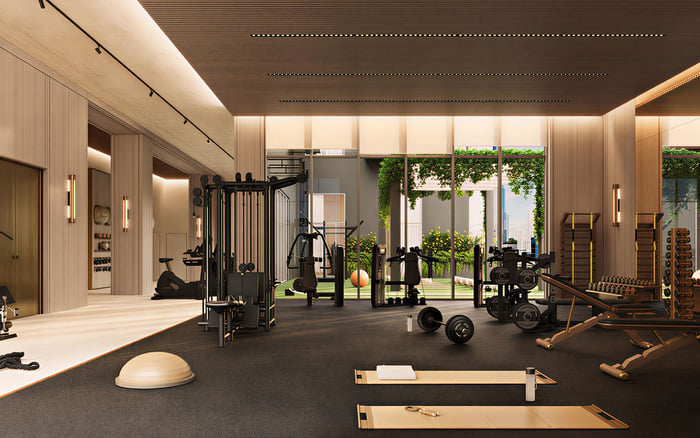
Fitness-floor peak hours are especially revealing because wellness is habit-driven. Buyers who train regularly are not treating the fitness floor as a decorative amenity. They are using it as part of a personal infrastructure. If the space feels crowded, poorly sequenced, or socially exposed during the preferred training window, the amenity loses value, no matter how polished it appears in marketing imagery.
For new-construction buyers, this distinction is increasingly important. The most sophisticated purchasers are less impressed by a long amenity inventory than by whether the building’s common areas support real patterns of use. A boutique sensibility can be especially compelling when it suggests a more measured resident experience, though every buyer should evaluate how the building’s scale, layout, and access points align with personal routines.
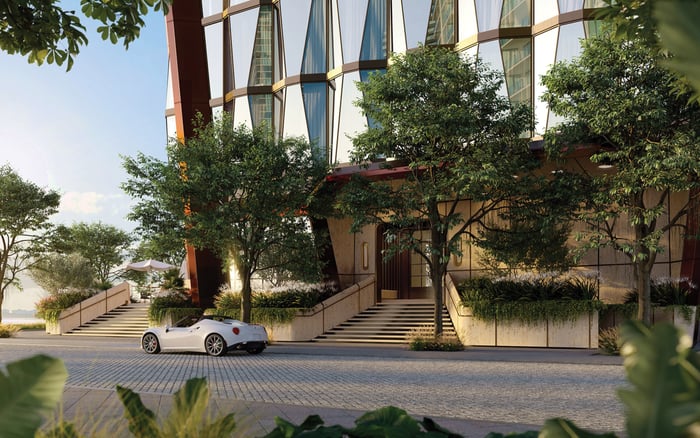
A beautiful fitness space can photograph well and still miss the needs of a serious resident. The useful evaluation begins with flow. How does a resident move from the private residence to the fitness floor? Does the arrival feel direct? Is there a sense of discretion, or does the route put wellness routines on display? In quiet luxury, privacy is not limited to the residence itself. It extends to the transitions between private and shared life.
The second issue is capacity without spectacle. A well-considered fitness floor should not require residents to choreograph their lives around avoiding one another. Peak hours will always create some demand. The question is whether the space absorbs that demand gracefully. Buyers should consider zones, circulation, equipment spacing, and whether different types of training can coexist without one resident’s routine interfering with another’s.
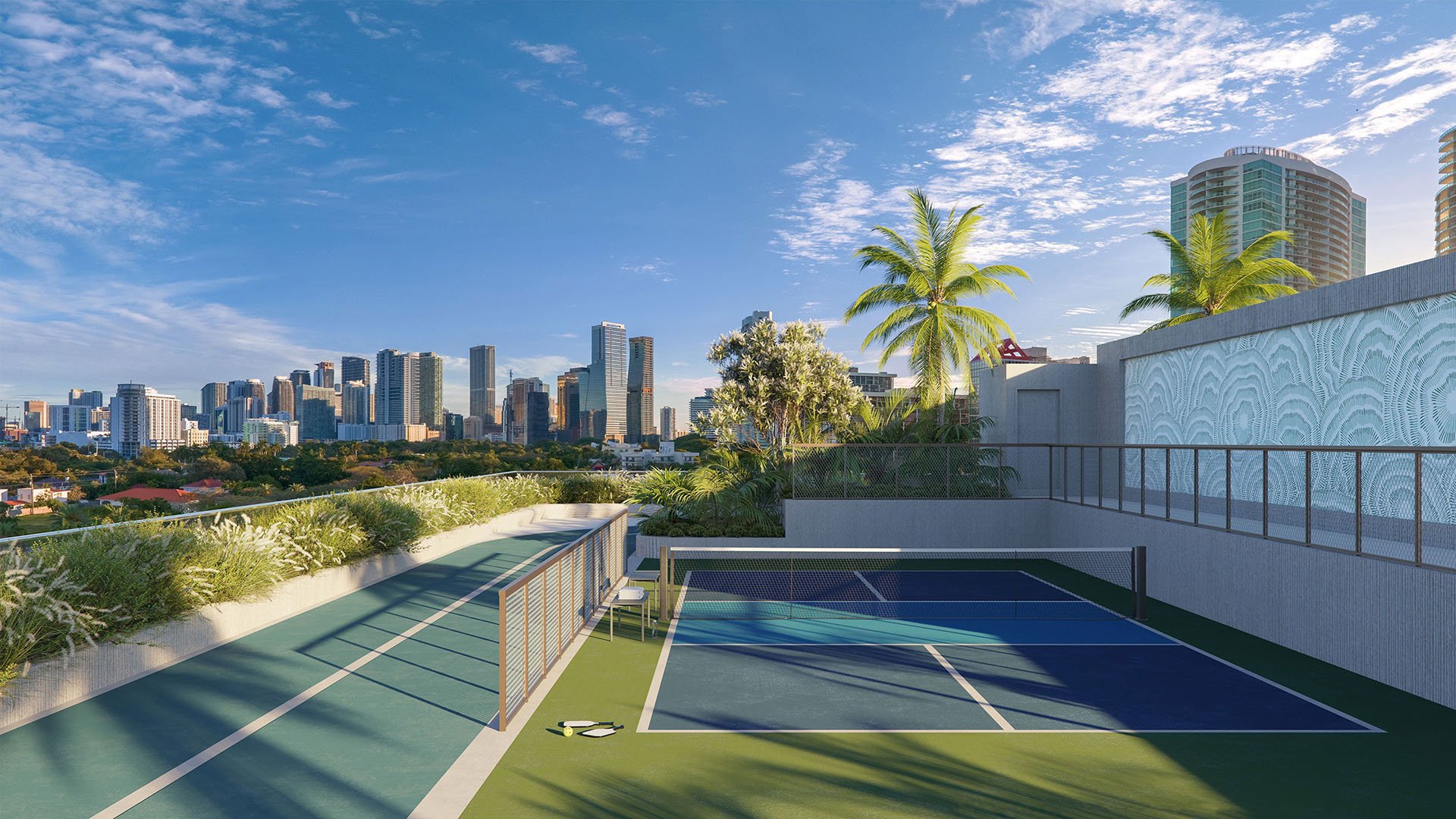
The third issue is recovery. A buyer who values wellness often values the moments before and after training as much as the workout itself. The experience should not feel abrupt. If the building includes outdoor lifestyle components, a pool or lap-pool conversation becomes part of the broader wellness rhythm. The strongest amenity environments allow residents to move from exertion to calm without feeling pulled back into the rush of the city too quickly.
The appeal of 2200 Brickell is strongest when viewed through everyday repetition. A residence may win attention through design, address, and finishes, but long-term satisfaction is shaped by what happens on an ordinary weekday. Can the building support a morning routine without friction? Can it provide a sense of retreat after a full day in the city? Can shared spaces feel residential rather than performative?
That is where fitness-floor peak hours become a surprisingly refined measure. They are not glamorous in the traditional sense, but they are honest. They show whether a building is arranged for the way residents actually live. For Brickell buyers with demanding schedules, wellness access is not an extra. It is part of the value proposition.
There is also an emotional component. Quiet luxury buyers often prefer buildings that do not require constant negotiation with crowds, noise, or inconvenience. They want service, design, and amenities to recede into the background until needed. The best residential experiences feel effortless because the building has anticipated pressure points before they become irritations.
The most useful questions are practical. What does the fitness-floor experience feel like at the buyer’s preferred time of day? How direct is the route from residence to amenity? Does the atmosphere support focused training, or does it feel social first and functional second? Are wellness spaces positioned as true daily infrastructure or as occasional lifestyle scenery?
Buyers should also consider household patterns. A single professional, a couple with different schedules, and a part-time resident may all value the same amenity in different ways. The right building is not merely the one with the most features. It is the one whose shared spaces fit the household’s actual use pattern.
In Brickell, there is an added layer: the building must offer calm within intensity. The neighborhood’s convenience is part of the appeal, but the residence should act as a counterbalance. High floors may offer a particular psychological separation from the street, while amenity sequencing can reinforce that sense of retreat. The most desirable experience is urban without feeling overexposed.
Luxury resale is often discussed through views, finishes, and address, but daily ease has its own value. Buyers remember how a building feels when it is busy. They notice whether the gym is usable, whether shared spaces feel composed, and whether the resident experience holds together beyond the private unit.
A building that performs well at peak moments can create a stronger sense of confidence. It suggests that the residence is not merely beautiful, but livable. For end users, that supports satisfaction. For future resale, it can make the property easier to understand: this is a home designed for people who value privacy, wellness, and control of time.
That is the quiet luxury case. Not excess. Not noise. A more precise promise: the building should help residents protect the quality of their day.
Why do fitness-floor peak hours matter for luxury buyers? They reveal how well a building handles real resident demand. A calm peak-hour experience can make wellness feel private rather than crowded.
Is this only relevant for daily gym users? No. Even occasional users benefit when shared spaces feel composed, intuitive, and easy to access during busier periods.
How should a buyer evaluate 2200 Brickell’s wellness appeal? Focus on routine fit: access, privacy, atmosphere, and whether the experience supports the way you actually live.
Why is Brickell different from quieter residential areas? Brickell offers urban convenience and intensity, so the residence must work harder to create calm, order, and retreat.
Does a larger amenity program always mean a better experience? Not necessarily. The better test is whether amenities remain functional and comfortable when residents use them most.
What does quiet luxury mean in this context? It means discretion, ease, and thoughtful flow rather than visible excess. The experience should feel refined without announcing itself.
Should buyers ask about pool and fitness access together? Yes. Wellness is often a sequence, and the transition from training to recovery can shape the daily residential experience.
Is a lap pool important for every buyer? Not for every buyer, but for wellness-focused residents it can add discipline, routine, and a quieter form of luxury.
Can new-construction buyers rely only on renderings? Renderings are not enough. Buyers should consider how spaces will function during real use, especially at high-demand times.
What is the best way to shortlist comparable options for touring? Start with location fit, delivery status, and daily lifestyle priorities, then compare stacks and elevations to validate views and privacy.
To compare the best-fit options with clarity, connect with MILLION.
If branded residences are on your mind — as a home or as an allocation — we would be glad to share what we are seeing, privately.
Begin a quiet conversation